
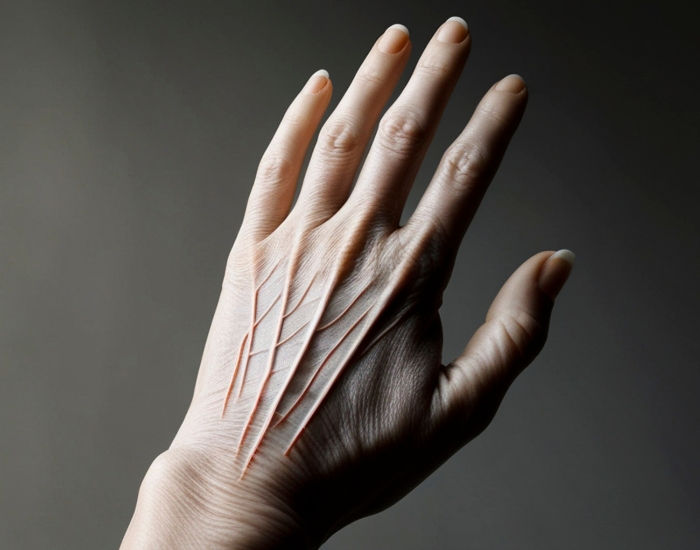
Noticing blood vessels suddenly popping up in your hands can be alarming. Some people experience visible veins that bulge or appear more pronounced, while others feel throbbing or mild discomfort. These changes often raise questions like: “Is this serious?” or “Do I need a doctor?” Understanding why blood vessels pop in the hands, what symptoms to watch for, and how to address the issue can help you take appropriate action while maintaining healthy circulation.
Quick Answer: Blood vessels popping in the hands usually means veins that look more prominent because of aging skin, low body fat, heat, exercise or genetics, and this is generally harmless. Some people instead mean a vessel that seems to burst, leaving a sudden painful bruise on a finger, which is usually benign and fades within days. Prominent hand veins need medical attention when they come with swelling of the hand or arm, a hard, red, tender cord, color changes, numbness or pain, because these can signal a clot, inflammation or a circulation problem.
This article explores the common causes, warning signs, treatment options, and preventive measures for blood vessels popping in hands, providing practical advice from a medical perspective.

Meet your vein specialist
Dr. Syed Raza, MD
Vascular & Interventional Radiology · Founder, Premier Vein & Vascular Center
Fellowship-trained interventional radiologist, board certified in diagnostic and interventional radiology with a Certificate of Added Qualification (CAQ) in interventional radiology, and a Fellow of the Royal College of Radiologists (UK). Member of SIR and RSNA. Former Chief of Interventional Radiology at UTMB Galveston and Memorial Hermann Memorial City, with 15+ years treating varicose veins, venous reflux and peripheral arterial disease.
Why Do Blood Vessels Become Prominent in the Hands?
Blood vessels in the hands, particularly veins, can become more noticeable due to several factors. In healthy individuals, veins transport deoxygenated blood back to the heart, working against gravity with the help of one-way valves. When these valves weaken or when blood flow dynamics change, veins may swell or bulge.
Some common reasons include:
-
Thin or fair skin: Veins are naturally more visible when the skin is thin or light-colored.
-
Age: As skin loses elasticity and fat decreases with age, veins can appear more prominent.
-
Exercise or physical activity: Increased blood flow during lifting or strenuous activity can temporarily make veins pop.
-
Temperature changes: Warm environments or hot showers cause veins to dilate.
-
Genetics: Some people naturally have more prominent veins due to hereditary factors.
While these causes are often harmless, certain signs can indicate underlying vascular or systemic issues that require attention.
Common Symptoms Accompanying Vein Prominence
In many cases, prominent veins in the hands are painless and simply a cosmetic concern. However, you should be aware of other symptoms that may suggest a more serious problem:
-
Pain, tenderness, or throbbing in the affected area
-
Swelling or redness
-
Skin discoloration
-
Numbness or tingling in the hands or fingers
-
Heat or warmth along the vein
-
Unexplained bruising or bleeding
If any of these symptoms accompany visible veins, prompt evaluation by a healthcare provider is advised.
Causes of Blood Vessels Popping in Hands
1. Aging and Skin Changes
As people age, skin becomes thinner and loses subcutaneous fat. This makes veins more visible and sometimes causes them to appear to “pop” out. While this is usually harmless, it can be aesthetically concerning.
2. Physical Activity and Strain
Engaging in weight lifting, push-ups, or other strenuous exercises increases blood flow and pressure in veins. Temporary bulging of veins is normal and typically resolves once the activity stops.
3. Temperature and Environmental Factors
Veins dilate in warm temperatures, such as during a hot shower or a summer day, making them appear more prominent. Conversely, veins constrict in cold environments.
4. Vascular Conditions
Sometimes vein prominence can signal a vascular issue:
-
Varicose veins: Weakened vein valves allow blood to pool, causing veins to bulge. Although more common in the legs, varicosities can appear in the hands.
-
Venous insufficiency: Impaired blood flow leads to visible veins and may cause swelling or discomfort.
-
Thrombophlebitis: Inflammation or a blood clot in a vein may make it appear raised, tender, or red.
5. Blood Pressure Fluctuations
Sudden increases in blood pressure, such as during exercise or stress, can temporarily make veins more visible. Repeated episodes may stress vein walls over time.
6. Low Body Fat
Individuals with low body fat may naturally have more visible veins. While this is often harmless, it can make even small veins appear more pronounced.
When Blood Vessels in Hands Indicate Something Serious
While many cases are benign, certain signs require prompt medical attention:
-
Sudden swelling or pain in one hand
-
Redness, warmth, or tenderness along the vein
-
Hard, cord-like veins that are sensitive to touch
-
Persistent numbness or tingling
-
Veins that suddenly become very large or blue
-
Skin changes such as ulcers or discoloration
These symptoms may indicate blood clots, vascular inflammation, or other circulation issues that require urgent evaluation.
Quick Measures to Reduce Vein Prominence and Discomfort
For minor vein prominence, the following steps may help reduce appearance and discomfort:
-
Elevate hands: Raising hands above heart level for a few minutes improves blood flow.
-
Gentle massage: Helps reduce temporary swelling and encourages circulation.
-
Hydration: Adequate fluid intake supports healthy blood flow.
-
Moderate exercise: Regular activity strengthens veins and improves circulation.
-
Avoid prolonged heat: Hot showers or direct sunlight can make veins temporarily more prominent.
While these measures provide temporary relief, persistent or painful vein changes should be evaluated by a healthcare provider.
Medical Treatments for Prominent or Problematic Veins
If veins are causing pain, swelling, or other symptoms, medical intervention may be necessary:
-
Sclerotherapy: Injection of a solution that closes off problematic veins.
-
Laser therapy: Minimally invasive treatment to reduce visible veins.
-
Vein surgery: Rarely needed but may be recommended for severe cases.
-
Medication: Anti-inflammatory or circulation-supporting medications for underlying conditions.
A vascular specialist can determine the most appropriate treatment based on the cause and severity.
Lifestyle Tips to Maintain Healthy Hands and Veins
Preventing veins from becoming overly prominent or painful often involves simple lifestyle habits:
-
Stay active to promote circulation
-
Avoid prolonged hand or wrist strain
-
Maintain healthy hydration
-
Protect skin with moisturizers to prevent thinning
-
Manage blood pressure and cardiovascular health
-
Maintain a healthy weight
Consistent habits help keep veins healthy and reduce discomfort or bulging.
When to Seek Professional Help
You should consult a healthcare provider if:
-
Veins suddenly appear enlarged or painful
-
Swelling, redness, or warmth develops
-
Hand function is limited or numbness occurs
-
There is a family history of vascular disease
Early assessment allows for effective treatment and reduces the risk of complications such as blood clots or chronic vein disease.
Final Thoughts: Understanding Blood Vessels in Hands
Visible or popping veins in the hands are often harmless, especially when caused by activity, aging, or low body fat. However, accompanying pain, swelling, or discoloration may indicate an underlying condition that needs medical attention. By paying attention to symptoms, practicing healthy lifestyle habits, and seeking timely professional care, you can manage discomfort and support long-term vascular health.
Prominent Veins vs. a Burst Blood Vessel in the Hand
People use the phrase blood vessels popping to describe two quite different experiences, and it helps to know which one you have.
The first is what the article above describes: veins on the back of the hand that look raised, bulging or ropey. This is about visibility, and the vein itself is intact. The second is a vessel that seems to burst. Typically a person feels a sudden sharp or burning pain in a finger, often on the palm side, and within minutes a bluish-purple bruise and some swelling appear. It may happen while doing something ordinary, such as gripping a bag or washing dishes. This pattern is sometimes called Achenbach syndrome or paroxysmal finger hematoma. It looks alarming, but in most cases it is harmless, the circulation to the finger is normal, and the bruise fades over several days. It can recur from time to time.
What matters in both situations is whether there are features that point to something else, such as a clot, an artery problem or a bleeding disorder.
Conditions That Can Look Like Popping Hand Veins
The table below compares common causes. Several are harmless, but some need prompt evaluation.
| Condition | What it looks and feels like | Usually harmless? | What to do |
|---|---|---|---|
| Prominent normal veins | Raised, soft blue veins on the back of the hand; worse with heat or exercise | Yes | Nothing needed unless they bother you cosmetically |
| Burst finger vessel (Achenbach syndrome) | Sudden finger pain followed by a bruise; finger stays warm and pink beyond it | Usually | Rest, cool compress; see a doctor if recurrent or unusual |
| Superficial thrombophlebitis | Hard, red, tender cord along a vein, often after an IV or injury | Usually, but can extend | Medical review; ultrasound if near the upper arm or spreading |
| Upper extremity DVT | Swelling of the hand and arm, aching, bluish color, prominent veins on the shoulder or chest | No | Same-day medical assessment and ultrasound |
| Raynaud’s phenomenon | Fingers turn white, then blue, then red in the cold or with stress | Often, but sometimes linked to other conditions | Primary care or specialist evaluation |
| Reduced arterial blood flow | Cold, pale, painful fingers, slow-healing sores on the fingertips | No | Prompt evaluation of the arteries |
Clots in the Arm and Hand Veins
Deep vein thrombosis is usually discussed in the legs, but clots can also form in the deep veins of the arm, particularly the veins under the collarbone and in the armpit. The most common triggers are a catheter or port in an arm or chest vein, a pacemaker wire, cancer, recent surgery and, in younger active people, vigorous repetitive overhead arm use such as weightlifting, swimming or throwing. In this last group, the vein can be squeezed between the collarbone and first rib, a condition called effort thrombosis.
Warning signs include swelling of the whole hand and arm, a heavy or aching arm, bluish discoloration and new, visible veins over the shoulder and upper chest as blood finds another route back to the heart. An arm clot can, like a leg clot, travel to the lungs, so these symptoms need same-day assessment. Our deep vein thrombosis page explains how clots are diagnosed and treated.
Call 911 or seek emergency care if you have:
- Sudden swelling of the whole hand and arm, especially with a bluish color
- Shortness of breath, chest pain or coughing up blood
- A finger or hand that turns white, blue or cold and stays that way, or becomes numb and weak
- Heavy bleeding from a vein that does not stop with firm pressure
- Spreading redness, red streaks up the arm, or fever with a painful vein
Bulging Arm Veins in People on Dialysis
People who have an arteriovenous fistula or graft for hemodialysis will notice that the veins in that arm become large and prominent. This is expected: the fistula connects an artery to a vein so that the vein enlarges and can be used for dialysis. However, changes in a fistula, such as new swelling of the arm or hand, a weaker buzz (thrill) over the fistula, prolonged bleeding after dialysis or aneurysm-like bulges, can mean a narrowing or other problem. These are evaluated with ultrasound and, if needed, a fistulogram. Our dialysis fistula evaluation page describes this in more detail.
How We Evaluate Concerning Hand and Arm Veins
Most people with prominent hand veins do not need any testing. When there are symptoms, our evaluation at Premier Vein & Vascular Center is straightforward:
- Focused history. We ask when the change appeared, whether it is in one or both hands, any recent IVs, ports or injuries, your job and exercise habits, medications including blood thinners, and personal or family history of clots or bleeding problems.
- Examination. We compare both hands and arms, feel for hard or tender veins, check the pulses at the wrist and look at the color and temperature of the fingers.
- Ultrasound. A duplex ultrasound of the arm veins, performed in our in-office vascular lab, can confirm or rule out a clot and show whether a vein is inflamed. If an arterial problem is suspected, the arteries can be assessed as well.
- A clear plan. We explain whether the veins are harmless or need treatment, coordinate with your primary care doctor if blood tests are needed, and outline what to watch for.
Cosmetic Concerns About Hand Veins
Some people are simply bothered by how prominent their hand veins look, especially as the skin thins with age. It is worth knowing that the veins on the back of the hand are normal, healthy veins doing their job, and they are also useful for blood draws and IVs. Cosmetic treatments for hand veins exist, including sclerotherapy and other methods, and other options such as fillers that add volume to the back of the hand are offered by some cosmetic practices. Anyone considering cosmetic treatment should first have a careful assessment and an understanding that removing healthy veins is a trade-off rather than a medical necessity. Sun protection, moisturizing and maintaining healthy body weight can also reduce how prominent the veins appear.
If you also have bothersome veins on your legs, those are more often a sign of valve failure and are commonly treated; see our spider vein treatment page.
When to See a Vascular Specialist in Houston
If a vein in your hand or arm has become hard, red and tender, if one arm is swollen or discolored, if burst finger vessels keep recurring, or if you have a port, catheter or dialysis access and notice changes, it is worth getting a clear answer. Dr. Syed Raza is a fellowship-trained interventional radiologist with more than 15 years of experience in vein and vascular care, and our vein clinic in Houston can perform duplex ultrasound on site. Same-week appointments are usually available, and most insurance plans, including Medicare, are accepted. For anything that looks like an emergency in the list above, go to the nearest emergency room first.
Talk With a Specialist at Premier Vein
Have questions about your symptoms or treatment options? Dr. Syed Raza and the team at Premier Vein & Vascular Center can evaluate your concerns and explain your options clearly. Same-week appointments are usually available, and most insurance plans are accepted.
Frequently Asked Questions
Why did a blood vessel suddenly burst in my finger?
A sudden painful bruise on a finger, often after an ordinary task, is commonly a burst small vein known as Achenbach syndrome. It is usually harmless and fades within a week. See a doctor if it keeps recurring, if you take blood thinners, or if the finger becomes cold, pale or numb.
Are bulging hand veins a sign of high blood pressure?
Not usually. Hand veins carry low-pressure blood, and their prominence depends mostly on skin thickness, body fat, temperature and activity. High blood pressure is checked with a cuff, not by looking at the veins.
Can you get a blood clot in your hand or arm?
Yes. Clots can form in the superficial veins, often after an IV, or in the deep veins of the arm, especially with a catheter, port, pacemaker or repetitive overhead activity. Arm swelling, aching and a bluish color need same-day assessment.
Why are my hand veins more visible in summer?
Heat makes veins widen so the body can release heat through the skin, which makes them fill and stand out more. They usually become less prominent again in cooler conditions.
Should I worry if only one hand has bulging veins?
Differences between hands are often due to which hand you use more. If one hand or arm also becomes swollen, painful, discolored or warm, it should be checked promptly to rule out a clot or inflammation.
Do prominent hand veins mean I have poor circulation?
No. Visible hand veins are usually a sign of normal veins under thin skin rather than poor circulation. Signs of a circulation problem include cold, pale or bluish fingers, numbness and slow-healing sores.
Trusted Health Resources
- Chronic Venous Insufficiency, Society for Vascular Surgery
- Venous Insufficiency, MedlinePlus Medical Encyclopedia (NIH)
- Varicose Veins and Spider Veins, MedlinePlus (NIH)
Medical Disclaimer: This content is for educational purposes only and does not replace professional medical advice, diagnosis, or treatment. If you notice sudden, painful, or persistent vein changes in your hands, consult a licensed healthcare provider promptly. Do not ignore professional medical guidance or delay care based on this information.