PAD Treatment FAQs
What is peripheral arterial disease (PAD)?
PAD is a circulatory condition caused by narrowed arteries that reduces blood flow to the legs and other extremities, often leading to pain, cramping, and fatigue during activity.
What are the symptoms of PAD?
The most common symptoms are cramping, pain, or tiredness in the leg or hip muscles while walking or climbing stairs. This discomfort typically eases with rest and returns when you walk again.
How is PAD diagnosed?
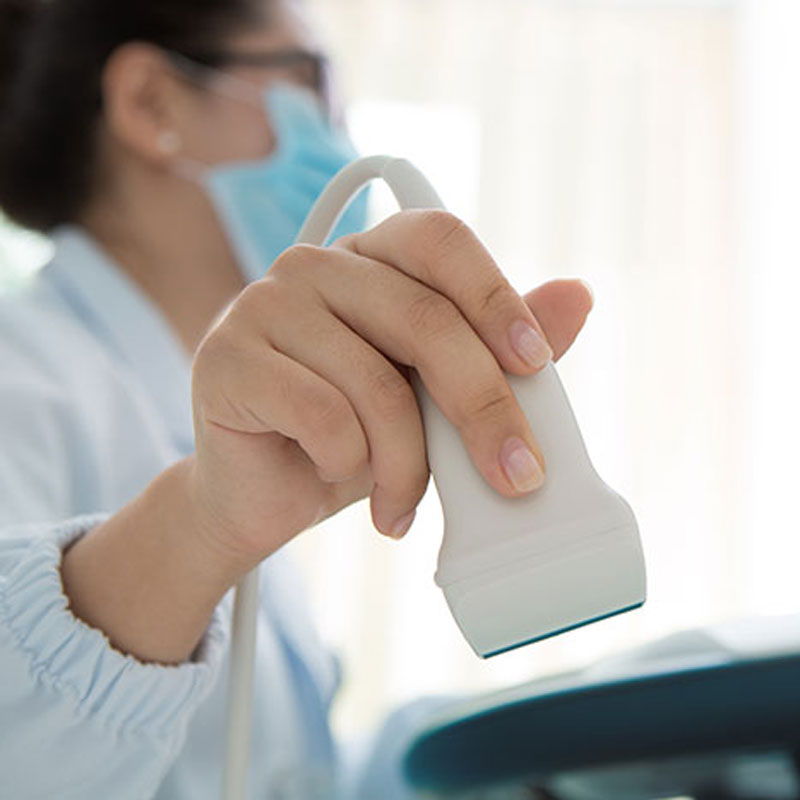
PAD is diagnosed through simple, painless vascular testing, such as an ankle-brachial index and ultrasound imaging, which measure blood flow and help locate narrowed or blocked arteries.
What treatments are available for PAD?
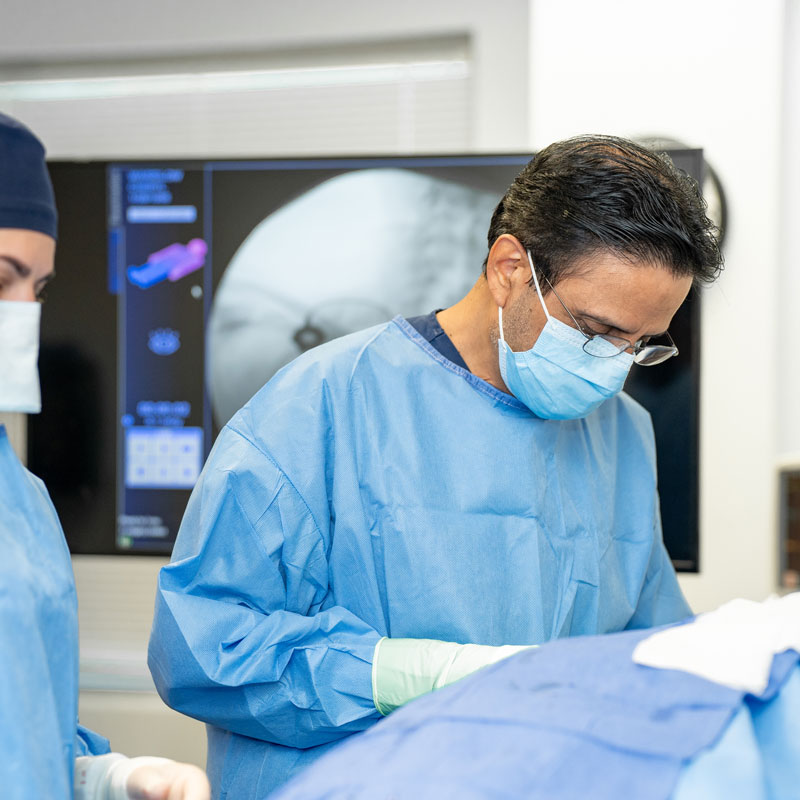
Treatment options may include stent placement, atherectomy, arteriograms, thrombolysis, and balloon angioplasty, depending on the location and severity of the blockage.
Is PAD dangerous if left untreated?
Yes. Left untreated, PAD can increase the risk of coronary artery disease, heart attack, and stroke, and in severe cases can lead to gangrene and amputation.
Can lifestyle changes help manage PAD?
A heart-healthy diet, regular exercise, and quitting smoking can help manage PAD symptoms and slow disease progression, though medical treatment may still be necessary.
Is PAD treatment covered by insurance?
Premier Vein & Vascular Center accepts most major insurance plans. Our team can help verify your benefits before treatment begins.
How do I schedule a consultation for PAD?
You can schedule a same-week consultation online or call us at (832) 321-5355 to speak with our team.