Houston’s Specialized Vein Clinic | 20+ Years’ Experience
8:30am to 4:30pmOpening Hour Mon - Fri
(832) 321-5355Call For Appointment
Houston’s Specialized Vein Clinic | 20+ Years’ Experience

VEIN TREATMENTS IN HOUSTON, TX

Endovenous Thermal Ablation in Houston, TX

A Minimally Invasive Path to Healthier, More Comfortable Legs

Many Houston residents live with visible varicose veins for years without realizing effective, minimally invasive treatment is available. Venous insufficiency is more than a cosmetic concern — left untreated, it can cause ongoing discomfort, swelling, and chronic leg pain that affects daily life.
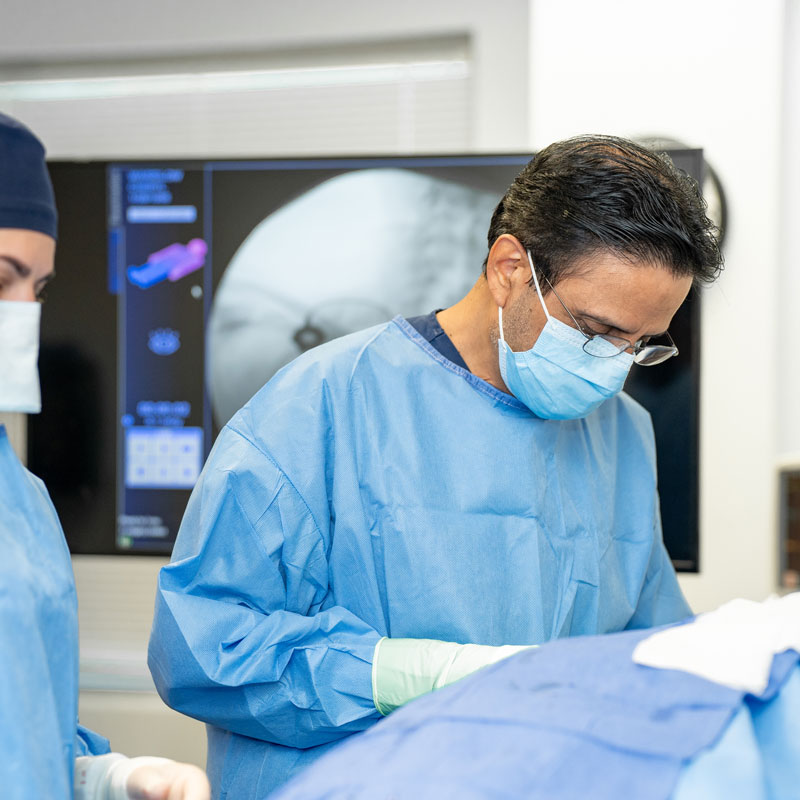
At Premier Vein & Vascular Center, we treat venous insufficiency using endovenous thermal ablation — a family of catheter-based techniques that use heat energy to close diseased veins from the inside. Radiofrequency-based ablation is the primary thermal technique used in our office, and laser ablation is another thermal approach used elsewhere in the field.
Whichever method fits your anatomy and symptoms best, endovenous thermal ablation is designed to restore comfort, reduce complications, and improve the appearance of your legs — through an outpatient procedure with a quick recovery.

Understanding Endovenous Thermal Ablation

Endovenous thermal ablation is the umbrella term for a group of minimally invasive, heat-based procedures used to treat varicose veins caused by venous insufficiency. At Premier Vein & Vascular Center in Houston, TX, our specialists use catheter-based radiofrequency ablation as our primary thermal technique, with laser ablation representing another heat-based option available within the field.
Both approaches work on the same principle: a thin catheter delivers controlled heat energy inside the diseased vein, causing it to collapse and seal shut so blood naturally reroutes through healthier veins nearby. The result is relief from the pain, swelling, and heaviness associated with venous insufficiency, along with a noticeable improvement in the appearance of your legs.
Vein Closure with Thermal Ablation in Houston, TX

Board-Certified Specialists

Ultrasound-Guided Accuracy

30–45 Minute Procedure

Fast Return to Activity

— Patient Experiences

One of Houston's Highest-Rated Vein Care Practices

Real patients. Real results. Trusted by hundreds across Houston and surrounding communities.

Read All Google Reviews
Google ★★★★★ 5.0 (930+ reviews) Trusted. Respected. Highly Rated.
★★★★★

"Dr. Gowd and his team were amazing. My leg pain and swelling improved significantly after treatment. The staff is kind, professional and truly cares."

S
Sarah M.Google Review
G
★★★★★

"Excellent experience. The doctor took time to explain everything and made me feel comfortable. The procedure was quick and recovery was much easier than I expected."

J
James T.Google Review
G
★★★★★

"From the consultation to follow-up, everything was smooth. I highly recommend Premier Vein to anyone dealing with vein issues. Great results and wonderful staff!"

M
Melissa R.Google Review
G
★★★★★

"I was nervous about vein treatment, but the team put me at ease from the first visit. Minimally invasive, barely any downtime, and my legs feel so much better."

R
Robert K.Google Review
G
★★★★★

"Professional, caring, and thorough. Dr. Gowd explained every option and never pushed unnecessary treatment. The results speak for themselves — highly recommend!"

A
Angela P.Google Review
G
★★★★★

"Booked a same-week appointment and was impressed from start to finish. Clean office, friendly staff, and real improvement in my leg swelling within weeks."

D
David L.Google Review
G

THE BASICS

What Is Endovenous Thermal Ablation?

Endovenous thermal ablation is an umbrella term for the family of minimally invasive procedures Premier Vein & Vascular Center uses to treat venous insufficiency — the underlying cause of most varicose veins. Rather than describing a single procedure, it covers any technique that uses heat energy, delivered through a thin catheter, to close a diseased vein from within.
Radiofrequency-based ablation is the main thermal technique used at our practice. Laser ablation is another thermal method that exists in the field and works on a similar principle, using light energy instead of radiofrequency waves. Each technique under this umbrella is effective at treating venous insufficiency, restoring day-to-day comfort, and improving the visible appearance of your veins.

WHEN TO SEEK CARE

Signs You May Need Endovenous Ablation

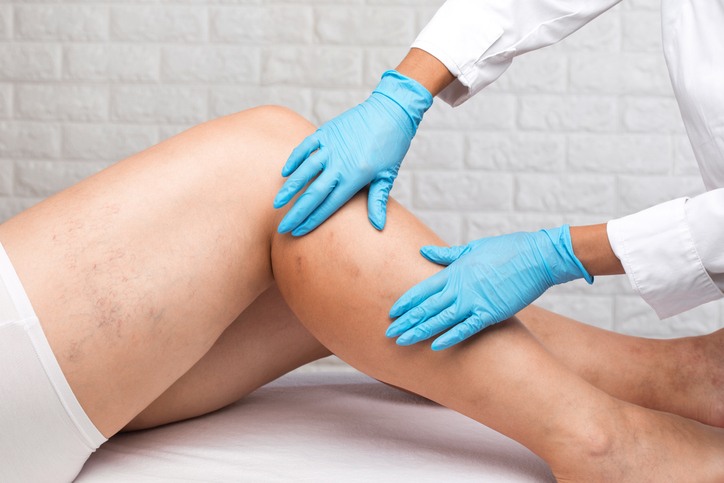
Some signs of venous insufficiency are visible on the surface of your skin. Others live under the surface and can only be confirmed by a specialist visit and diagnostic ultrasound. Schedule an appointment if you notice any of the following:

Spider or Varicose Veins

Visible bulging or web-like veins near the surface of the skin.

Frequent Leg Cramps

Cramping that occurs often, especially at night.

Persistent Itching

Ongoing itchiness around affected veins.

Restless Legs at Night

An uncomfortable urge to move your legs while resting.

Leg Swelling

Swelling that builds throughout the day, especially after standing.

Heaviness or Fatigue

A tired, heavy feeling in the legs, particularly by evening.

THE PROCEDURE

How Endovenous Thermal Ablation Works

Endovenous thermal ablation is the most common approach used to treat varicose veins today. While the specific energy source can vary, the general mechanism is the same across thermal techniques:

1. Ultrasound Mapping

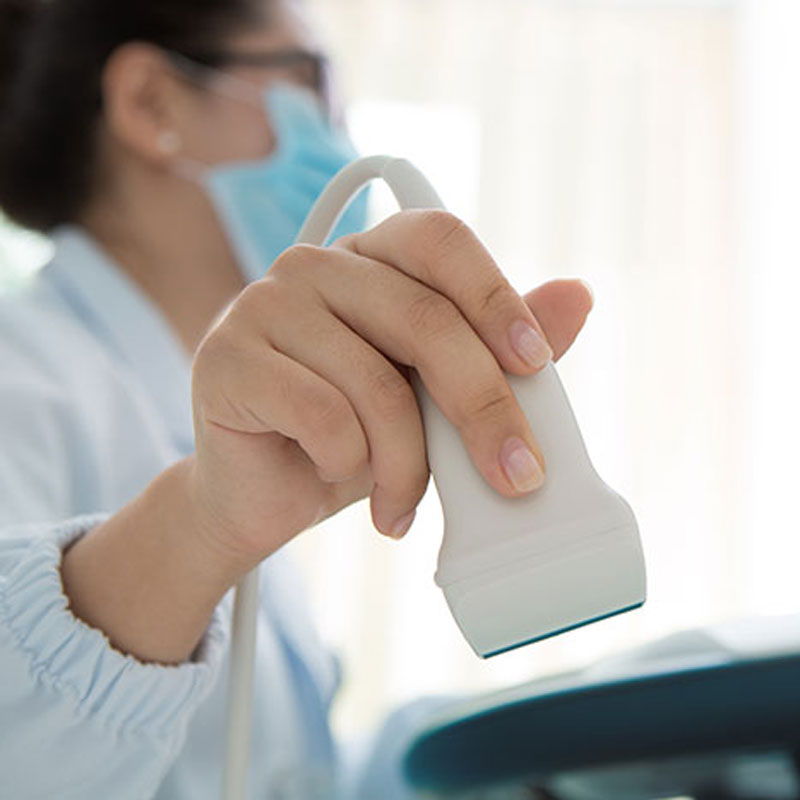
Your specialist uses ultrasound imaging to map the diseased vein and plan the treatment path.

2. Local Anesthesia

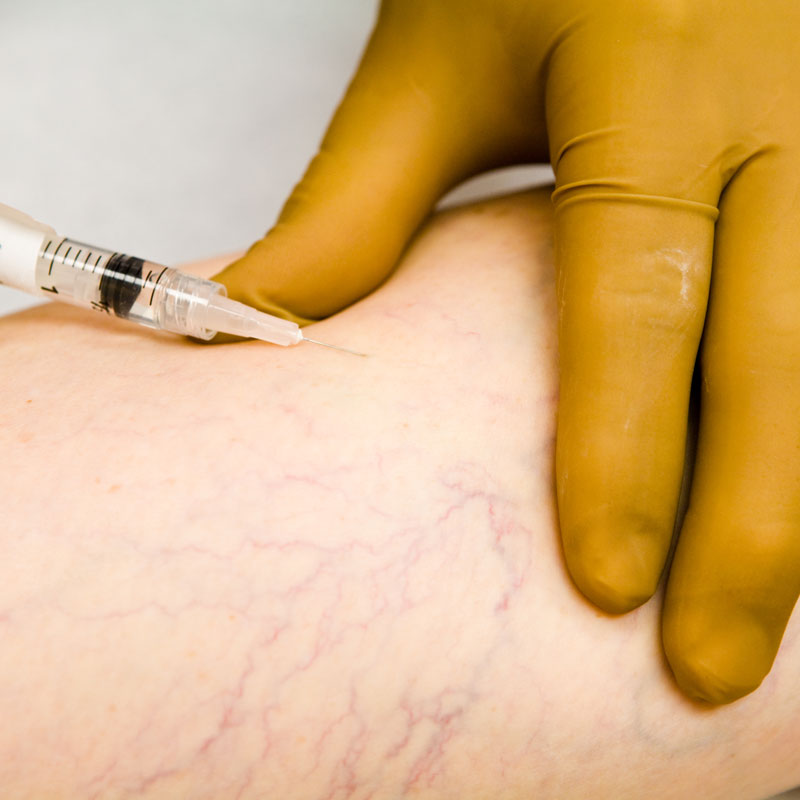
A local anesthetic is delivered around the vein to numb the treatment area and protect surrounding tissue.

3. Catheter Insertion

A thin catheter is guided into the diseased vein through a small access point, using ultrasound guidance.

4. Heat Energy Application

The catheter delivers controlled heat energy — radiofrequency, in most cases at our practice — along the length of the vein.

5. Vein Wall Collapse

The heat causes the vein walls to collapse and seal shut, closing off the diseased vein.

6. Blood Reroutes Naturally

Blood flow automatically reroutes through healthy nearby veins, relieving pressure and symptoms.

YOUR OPTIONS

Techniques Under the Endovenous Ablation Umbrella

“Endovenous ablation” covers more than one procedure. Your specialist will recommend the option best suited to your veins, symptoms, and goals.

Radiofrequency Ablation (RFA)

The primary thermal technique used at Premier Vein & Vascular Center. RFA delivers controlled radiofrequency energy through a catheter to close the diseased vein.

Laser Ablation

Another thermal ablation method used in the field. Laser ablation uses focused light energy instead of radiofrequency waves to achieve a similar closure of the diseased vein.

Non-Thermal Vein Ablation

For patients who aren’t candidates for heat-based treatment, non-thermal techniques close the vein without tumescent anesthesia.

CANDIDACY

Am I a Good Candidate for Endovenous Ablation?

Whether endovenous ablation is right for you depends on the severity and chronicity of your symptoms, how visible your veins are beneath the skin, and how long you’ve had the condition. In practice, this treatment works well for most patients with diagnosed venous insufficiency, and our team draws on years of ablation experience to help determine the right approach for you.

RECOVERY

What to Expect & Recovery

Endovenous ablation is designed to fit into your day — not disrupt it. Here’s what to expect before, during, and after your procedure:

Wear Loose Clothing

Plan to wear loose, comfortable clothing on the day of your procedure.

Mild, Brief Discomfort

You may feel a slight pinprick from the local anesthetic and minor pressure as the catheter is inserted.

Resume Activity Right Away

Most patients are free to resume normal daily activities immediately after treatment.

Avoid Air Travel for 7 Days

To reduce the risk of complications, avoid flying for one week after your procedure.

Keep Moving

Avoid excessive sitting or bed rest — your legs need regular movement to support healthy circulation.

Follow-Up Ultrasound

We schedule a follow-up ultrasound to confirm the treated vein has closed and reassess your vein health.

COMMON QUESTIONS

How Is Endovenous Ablation Different From Traditional Vein Surgery?

Traditional vein stripping requires surgical incisions and, often, general anesthesia, along with a longer recovery. Endovenous ablation is performed through a single small access point under local anesthesia, in our office, with most patients returning to normal activity the same day. Because it’s catheter-based rather than surgical, it also carries a lower risk of scarring and complications.

Is Endovenous Thermal Ablation Painful?

Most patients report only mild, brief discomfort. You may feel a small pinprick as the local anesthetic is injected and a bit of pressure as the catheter is placed, but the treatment area is numbed before the heat energy is applied. Many patients describe the procedure as far more comfortable than they expected.

COVERAGE

Insurance Coverage for Endovenous Ablation

When endovenous ablation is medically necessary to treat diagnosed venous insufficiency, it is commonly covered by insurance. Purely cosmetic treatment of spider veins is typically not covered. Our team verifies your benefits before your visit, so you know what to expect before treatment begins.

WHY PREMIER VEIN & VASCULAR

Why Choose Premier Vein & Vascular Center

Board-Certified Expertise

Care led by a fellowship-trained, board-certified interventional radiologist.

Years of Ablation Experience

A long track record performing endovenous ablation procedures across Houston.

Personalized Treatment Plans

Every plan is based on your ultrasound findings, symptoms, and goals.

Comprehensive Vein Care

From diagnosis to follow-up, your care stays under one roof.
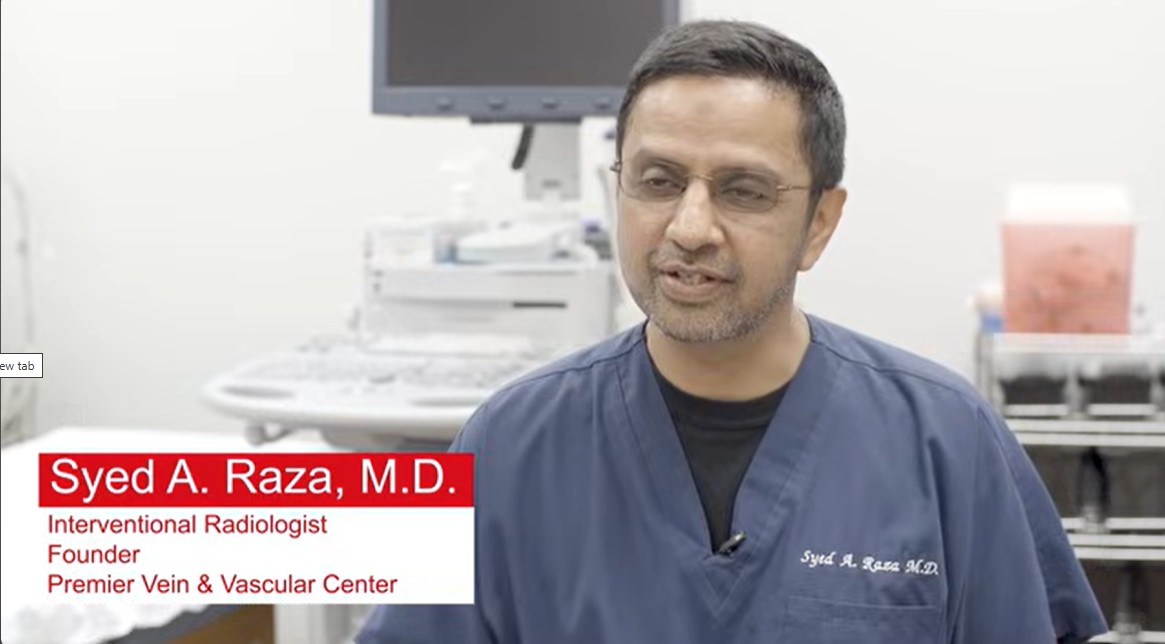
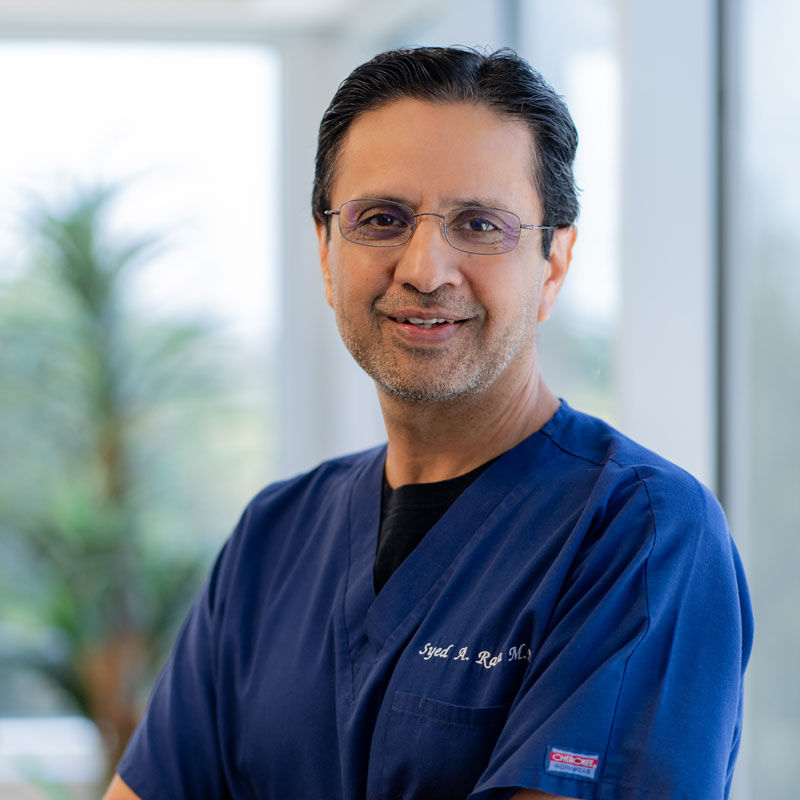
Dr. Syed Raza, board-certified interventional radiologist and vein specialist in Houston

Meet Your Specialist

Meet Your Houston Vein Specialist

Syed Raza, MD

Board-Certified Interventional Radiologist & Vein Specialist

Dr. Syed A. Raza is a fellowship-trained interventional radiologist certified by the American Board of Radiology. He has extensive experience in image-guided and minimally invasive vascular procedures, including endovenous thermal ablation for the evaluation and treatment of venous disease.

His background includes academic and hospital leadership roles in interventional radiology. His expertise allows Premier Vein & Vascular Center to combine diagnostic imaging with precise, ultrasound-guided endovenous ablation planning for patients with varicose veins and other vascular conditions.

GETTING STARTED

Next Steps

Ready to find out which endovenous ablation option is right for you? Here’s how the process typically works:

Serving Greater Houston

Serving West Houston, Katy & Surrounding Communities

Premier Vein & Vascular Center is located at 19255 Park Row Dr, Suite 201, Houston, TX 77084.

Communities We Serve

FAQ

Frequently Asked Questions

What is endovenous thermal ablation?

Endovenous thermal ablation is a minimally invasive, catheter-based treatment that uses heat energy — most often radiofrequency, sometimes laser — to close a diseased vein from the inside and redirect blood flow to healthy veins.

Is radiofrequency ablation the same as endovenous thermal ablation?

Radiofrequency ablation (RFA) is the primary type of endovenous thermal ablation used at Premier Vein & Vascular Center. Laser ablation is another thermal technique used in the field — both use heat, just from different energy sources.

How long does the procedure take?

Most endovenous ablation procedures take about 30–45 minutes and are performed on an outpatient basis, right in our office.

Is the procedure painful?

Most patients experience only mild, brief discomfort from the anesthetic injection and catheter placement. The treatment itself is generally well tolerated.

How long is the recovery?

Most patients resume normal activities the same day. We recommend avoiding air travel for 7 days and avoiding excessive sitting or bed rest, since your legs need regular movement to support healthy circulation while you heal.

Will my insurance cover endovenous ablation?

When treatment is medically necessary for diagnosed venous insufficiency, endovenous ablation is commonly covered by insurance. Our team verifies your benefits before treatment.

What’s the difference between thermal and non-thermal ablation?

Thermal ablation uses heat energy and requires local anesthesia along the treated vein. Non-thermal techniques close the vein without heat and without tumescent anesthesia. Learn more about our non-thermal vein ablation option.

Am I a candidate for endovenous ablation?

Candidacy depends on the severity and duration of your symptoms and how your veins appear on ultrasound. Most patients with confirmed venous insufficiency are good candidates.

Will I need a follow-up appointment?

Yes. We schedule a follow-up ultrasound after treatment to confirm the vein has closed properly and to reassess your vein health.

Where can I learn more about radiofrequency ablation specifically?

Visit our dedicated radiofrequency ablation (RFA) page for full procedure details.

Ready to Feel Better in Your Legs?

Schedule a consultation with our Houston vein specialists to find out if endovenous thermal ablation — radiofrequency, laser, or a non-thermal alternative — is the right fit for you.
This page is provided for general educational purposes only and does not constitute medical advice. Every patient’s condition is different — please consult a board-certified vein specialist at Premier Vein & Vascular Center to determine the diagnosis and treatment plan that is right for you.