Frequently Asked Questions About UFE
What are uterine fibroids?
Uterine fibroids are common benign (non-cancerous) tumors that grow in or on the wall of the uterus. They can cause heavy menstrual bleeding, pelvic pain, bloating and frequent urination.
What is Uterine Fibroid Embolization (UFE)?
UFE is a non-surgical, minimally invasive procedure performed by an interventional radiologist. Tiny particles are injected into the arteries feeding the fibroids through a small tube inserted in the groin, causing the fibroids to shrink.
How does UFE compare to a hysterectomy?
Unlike a hysterectomy, UFE does not require removal of the uterus and involves no large incision. It is performed through a small tube in the groin, resulting in a shorter recovery than traditional surgery.
What is recovery like after UFE?
Most patients spend one night in the hospital for observation and go home with pain and anti-nausea medication. Anti-inflammatory medications like Ibuprofen or Aleve help with cramping, and most patients resume normal activities within 2–3 days.
What is the success rate of UFE?
Clinical success rates for UFE range from 81% to 94%. Most patients see a decrease in bleeding, pain and abdominal fullness within weeks to months, with fibroids continuing to shrink for up to a year.
Is UFE covered by insurance?
UFE is typically covered by most major insurance plans as a medically necessary procedure. Our team can help verify your specific benefits before your procedure.
Does UFE preserve fertility?
UFE preserves the uterus, unlike a hysterectomy. Patients who wish to maintain fertility should discuss their specific situation with a specialist, as individual factors vary.
Who performs the UFE procedure?
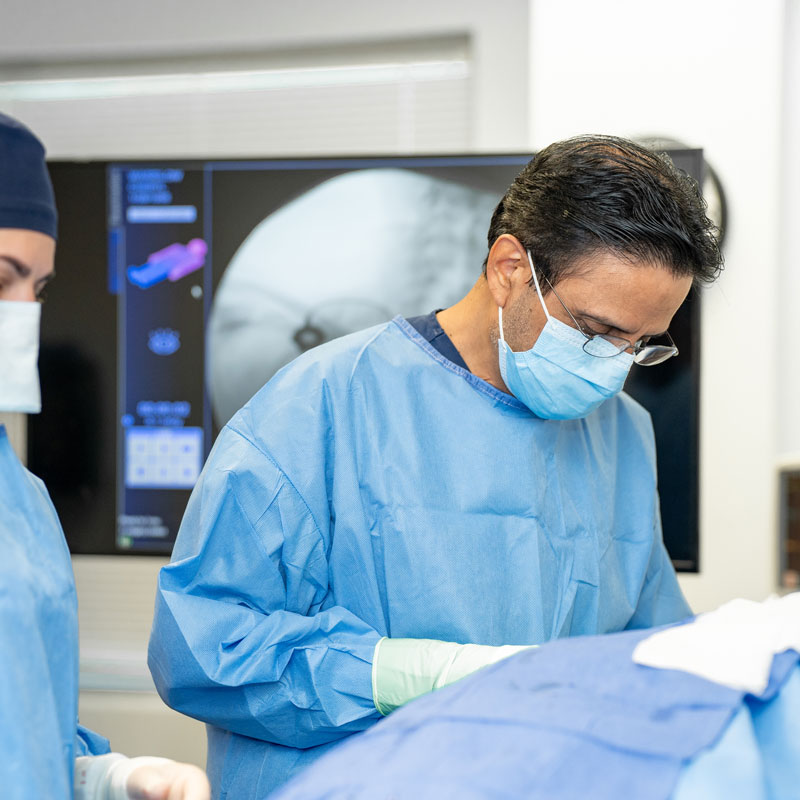
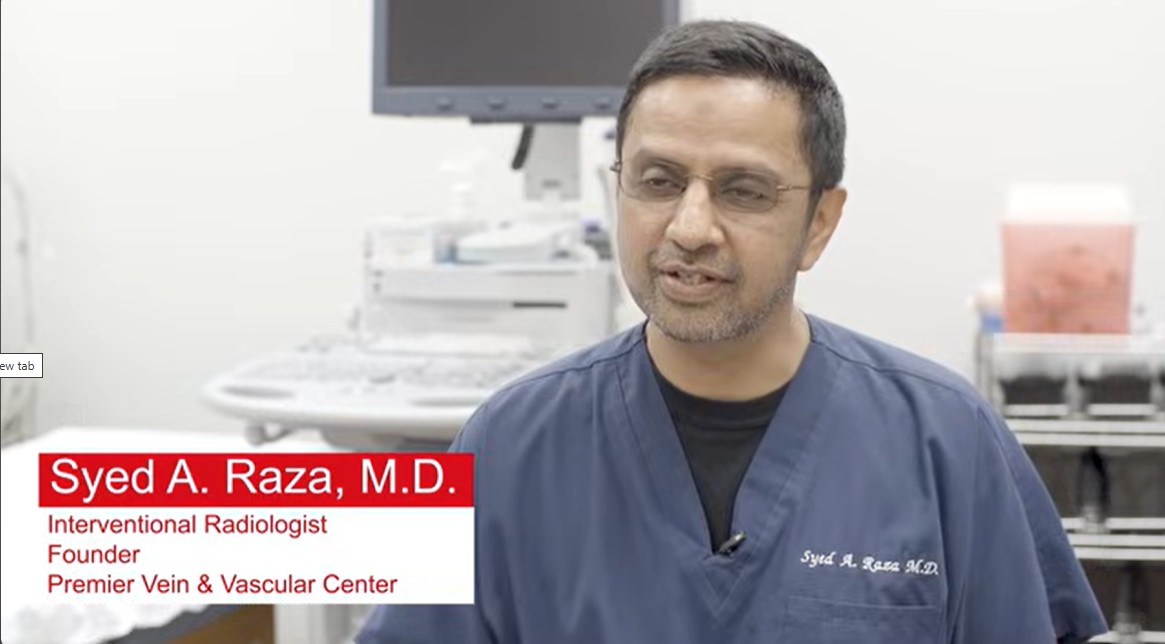
UFE is performed by a board-certified interventional radiologist with specialized training in minimally invasive, image-guided procedures.