Restless Leg Syndrome FAQs
Does Premier Vein & Vascular Center treat Restless Leg Syndrome directly?
We evaluate and treat the venous causes that may be contributing to your RLS symptoms, such as venous insufficiency. For neurological causes unrelated to vein disease, we coordinate with your primary care physician or a neurologist.
Can treating my varicose veins cure my restless leg syndrome?
RLS is a neurological condition with several possible causes, and venous insufficiency is only one of them. Many patients experience significant symptom relief when an underlying venous cause is treated, but vein treatment is not a guaranteed cure for everyone.
What is the difference between RLS and normal leg cramps?
RLS involves an urge to move the legs, often paired with tingling, burning, or crawling sensations, especially at rest. Ordinary leg cramps are sudden, involuntary muscle contractions that are usually brief and triggered by activity, dehydration, or electrolyte imbalance.
How is venous insufficiency diagnosed?
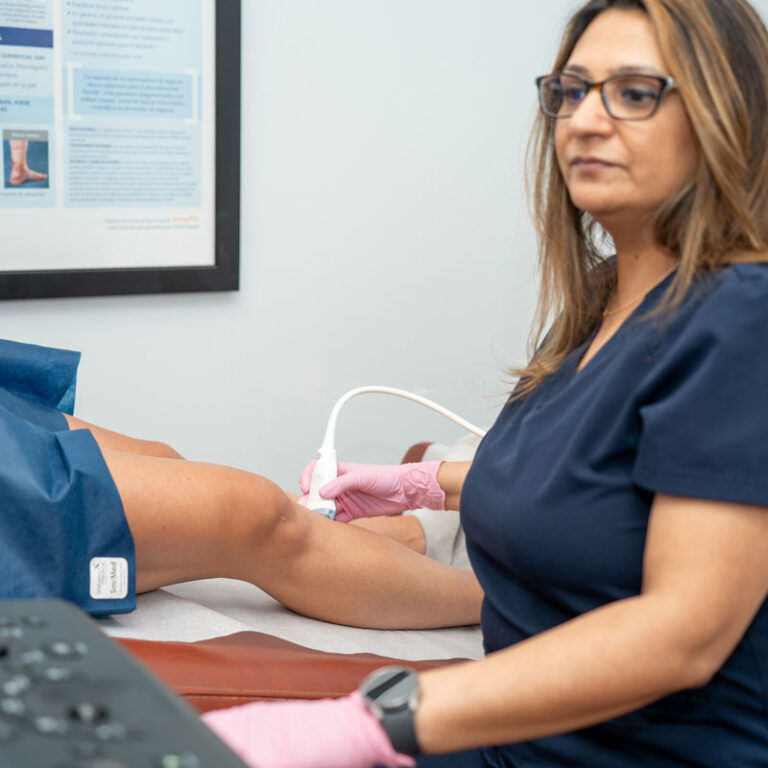
We use a quick, painless duplex ultrasound to visualize blood flow in your leg veins and identify any areas where circulation is impaired.
Are RLS-related vein treatments covered by insurance?
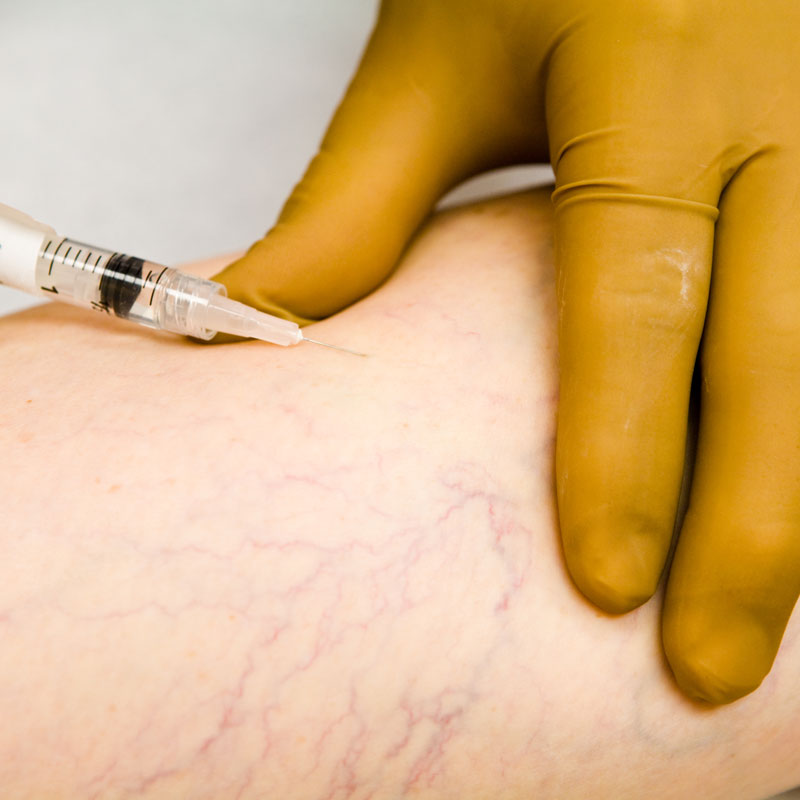
When medically necessary, treatments like sclerotherapy and radiofrequency ablation are often covered by most major insurance plans, including Medicare. Our staff verifies your benefits before treatment.
How long does treatment take?
Most in-office vein procedures take 30 to 60 minutes, and patients typically return to normal activities the same day.
Will my restless leg symptoms come back after treatment?
If venous insufficiency was a contributing factor and it has been treated, many patients see lasting improvement. However, since RLS can have other causes, ongoing management of those factors may still be needed.
Should I see a neurologist or a vein specialist first?
Either is a reasonable starting point. If you have visible varicose veins, leg swelling, or heaviness alongside your RLS, a vein evaluation can quickly rule in or out a circulatory contributor.