Houston’s Specialized Vein Clinic | 20+ Years’ Experience
8:30am to 4:30pmOpening Hour Mon - Fri
(832) 321-5355Call For Appointment
Houston’s Specialized Vein Clinic | 20+ Years’ Experience

Vein Health Awareness

Vein Disease Symptoms: What to Watch For in Houston, TX

Recognizing the early warning signs of vein disease is the first step toward lasting relief.

Chronic vein disease rarely announces itself all at once. It usually begins quietly — a heavy feeling in the legs after a long day, a few visible varicose veins, or ankles that swell by evening. Left unaddressed, these early symptoms can progress toward more serious complications.
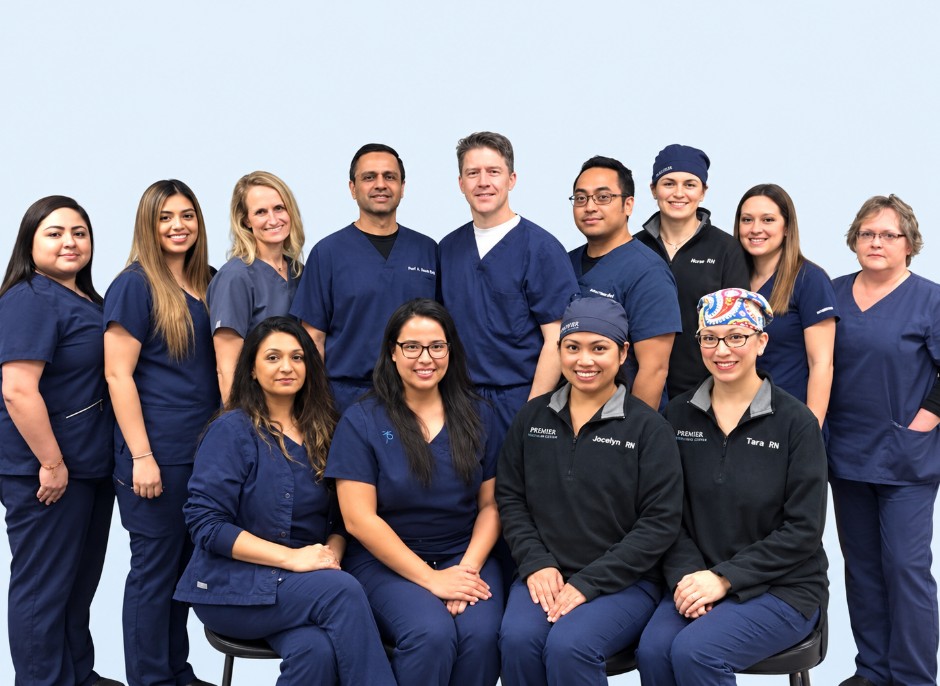
At Premier Vein & Vascular Center, we help Houston-area patients understand what their symptoms mean, confirm the underlying cause with advanced diagnostic imaging, and build a personalized treatment plan that fits their life.

Understanding the Signs of Vein Disease

Vein disease develops when the one-way valves inside leg veins weaken, allowing blood to pool instead of flowing efficiently back to the heart. This condition, known as venous insufficiency, is progressive: symptoms that start as mild cosmetic concerns can, over years, advance toward pain, swelling, and skin changes.
The good news is that vein disease is highly treatable at every stage. Modern, minimally invasive procedures performed right in our Houston office can close off or remove the diseased vein, redirect blood flow through healthy veins, and relieve symptoms — often with little to no downtime.
This guide walks through the most common symptoms of vein disease, explains when they warrant a professional evaluation, and links to detailed information on the specific conditions and treatments we offer.
How Do I Know if My Veins Need Medical Treatment – Houston Vein Care

— Patient Experiences

One of Houston's Highest-Rated Vein Care Practices

Real patients. Real results. Trusted by hundreds across Houston and surrounding communities.

Read All Google Reviews
Google ★★★★★ 5.0 (930+ reviews) Trusted. Respected. Highly Rated.
★★★★★

"Dr. Gowd and his team were amazing. My leg pain and swelling improved significantly after treatment. The staff is kind, professional and truly cares."

S
Sarah M.Google Review
G
★★★★★

"Excellent experience. The doctor took time to explain everything and made me feel comfortable. The procedure was quick and recovery was much easier than I expected."

J
James T.Google Review
G
★★★★★

"From the consultation to follow-up, everything was smooth. I highly recommend Premier Vein to anyone dealing with vein issues. Great results and wonderful staff!"

M
Melissa R.Google Review
G
★★★★★

"I was nervous about vein treatment, but the team put me at ease from the first visit. Minimally invasive, barely any downtime, and my legs feel so much better."

R
Robert K.Google Review
G
★★★★★

"Professional, caring, and thorough. Dr. Gowd explained every option and never pushed unnecessary treatment. The results speak for themselves — highly recommend!"

A
Angela P.Google Review
G
★★★★★

"Booked a same-week appointment and was impressed from start to finish. Clean office, friendly staff, and real improvement in my leg swelling within weeks."

D
David L.Google Review
G

Why Symptoms Matter

Recognizing Vein Disease Early Changes Everything

Chronic vein disease affects an estimated 1 in 3 adults over their lifetime, yet many people dismiss early symptoms as normal signs of aging or a long day on their feet. In reality, tired, heavy, or aching legs are often the earliest signal that vein valves are no longer working properly.
The impact of untreated vein disease extends beyond appearance. Persistent swelling, discomfort, and restlessness can interrupt sleep, limit activity, and gradually erode quality of life. Understanding your symptoms — and what they mean — is the first step toward advanced treatment and lasting relief.

Know the Warning Signs

Common Symptoms of Vein Disease

Vein disease can show up differently from person to person. Here are the symptoms our Houston specialists see most often.

Varicose Veins

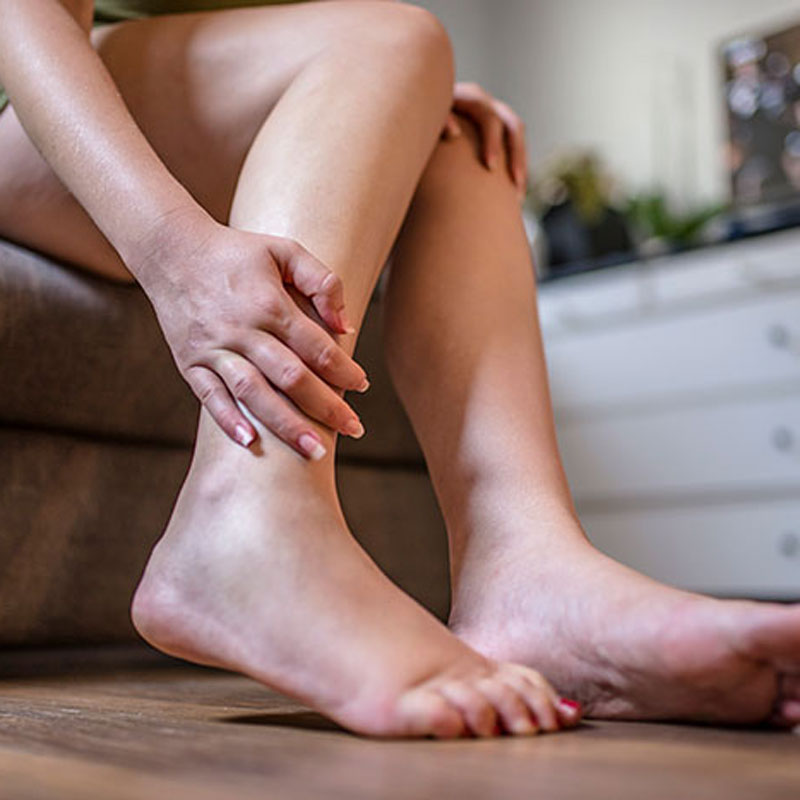
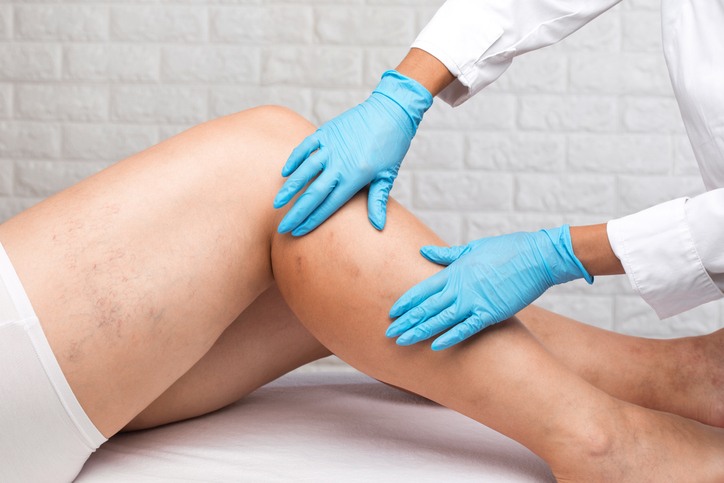
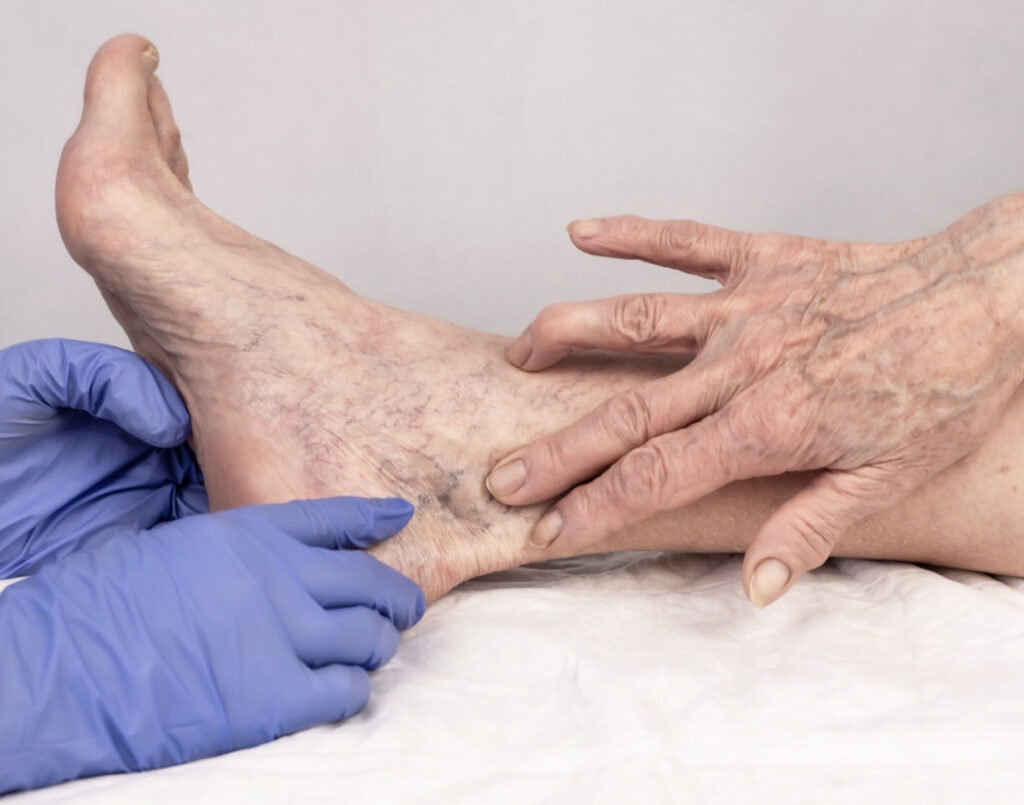
Bulging, twisted, rope-like veins visible under the skin, often accompanied by aching or heaviness in the affected leg.

Spider Veins

Smaller, web-like clusters of red, blue, or purple veins near the skin’s surface — primarily cosmetic, but sometimes linked to discomfort.

Leg Pain and Heaviness

A persistent aching, tired, or heavy sensation in the legs that tends to worsen after standing or sitting for long periods.

Swelling and Discomfort

Puffiness in the legs, ankles, or feet, often paired with achiness or a feeling of tightness that builds throughout the day.

Skin Changes and Ulcers

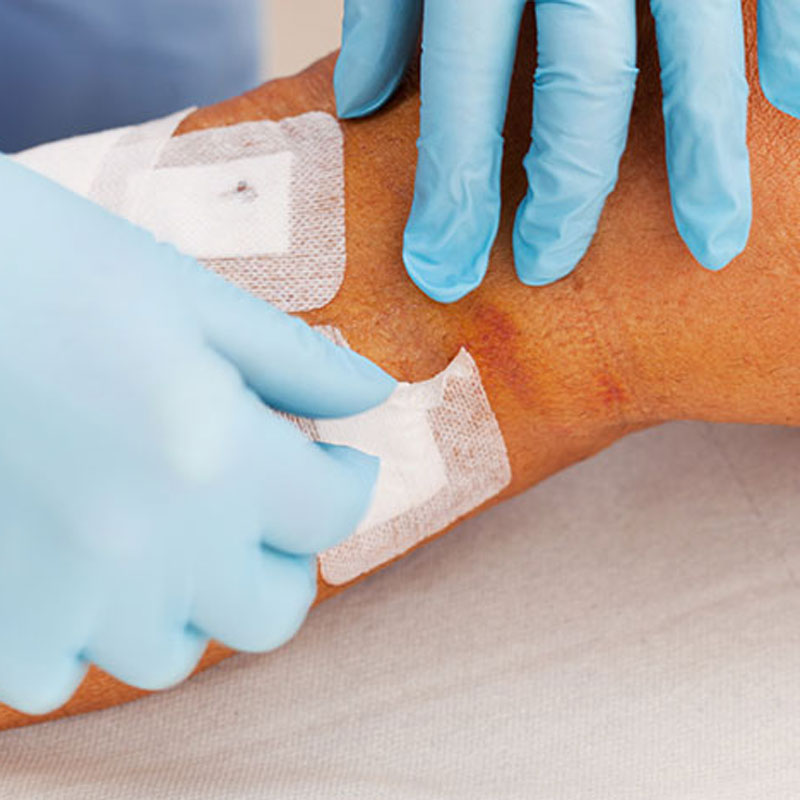
Discoloration, dryness, or texture changes in the skin near the ankles; in advanced cases, slow-healing sores or ulcers can develop.

Itching and Burning

A burning, itching, or throbbing sensation along the path of an affected vein, frequently worse by the end of the day.

Frequently Asked

Quick Answers About Your Symptoms

When Should Vein Symptoms Worry Me?

Occasional tired legs after a long day are common and usually not urgent. However, symptoms that are persistent, worsening, or paired with visible varicose veins, swelling, skin discoloration, or a sore that will not heal warrant a professional evaluation. Sudden, severe swelling or pain in one leg — especially with warmth or redness — should be treated as a medical emergency, as it can signal a blood clot.

Can Vein Disease Symptoms Come and Go?

Yes. Early vein disease symptoms are often intermittent — worse after standing all day, during hot weather, or before a menstrual cycle, and better with rest or elevation. This on-and-off pattern can make symptoms easy to dismiss, but it does not mean the underlying valve problem is resolving on its own. Vein disease is progressive, and an accurate diagnosis requires ultrasound imaging rather than symptom tracking alone.

Act Early

The Importance of Early Detection & Treatment

Vein disease is a progressive condition — it does not improve without treatment, and early-stage symptoms are almost always easier and faster to resolve than advanced disease. Seeking evaluation as soon as symptoms appear offers several important benefits.

Our Diagnostic Process

Every treatment plan at Premier Vein & Vascular Center begins with a comprehensive, patient-centered evaluation designed to identify the true source of your symptoms.
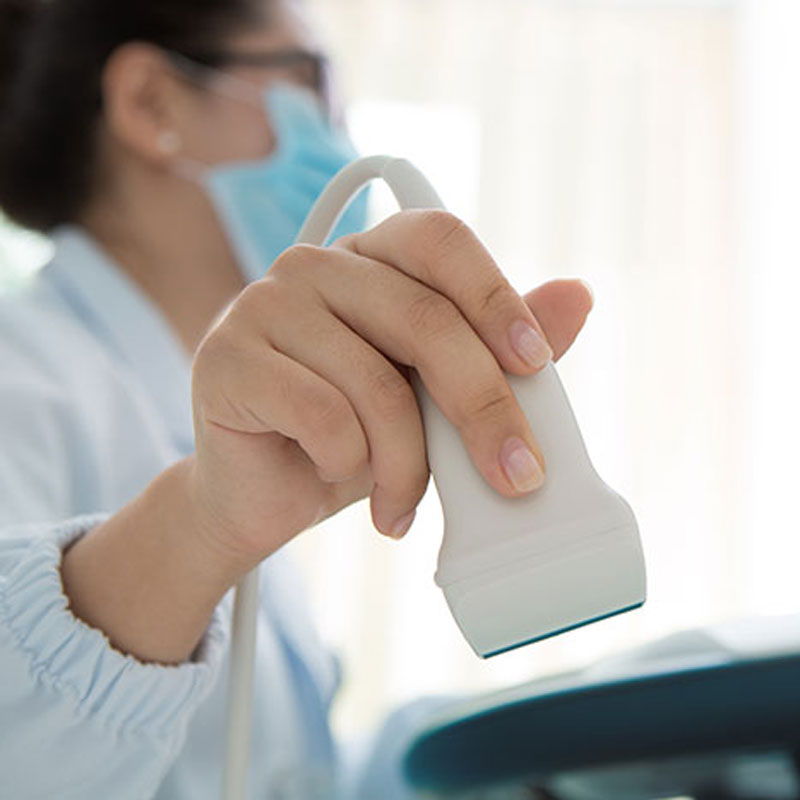
We use advanced venous ultrasound imaging to visualize your veins and assess blood flow in real time, allowing us to precisely understand the extent and severity of your vein disease before recommending treatment.

Treatment Options

How We Treat the Symptoms You’re Experiencing

Once we understand the cause and severity of your symptoms, we tailor a treatment plan from our full range of minimally invasive, in-office procedures. Most patients return to normal activity the same day.

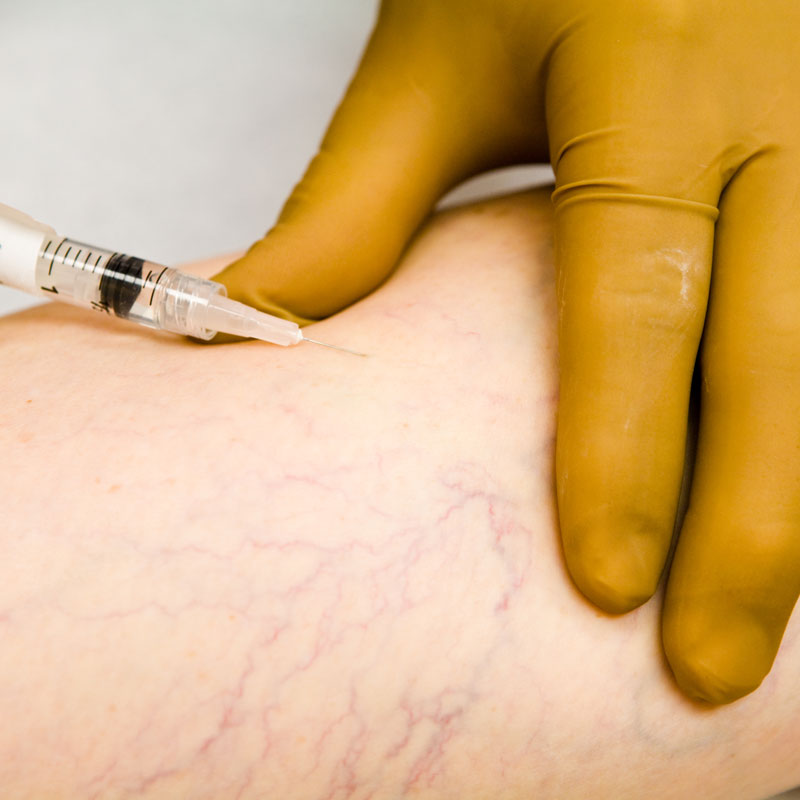
Sclerotherapy

An injection-based treatment that closes small to medium varicose and spider veins.

Radiofrequency Ablation

A minimally invasive procedure that uses heat energy to close diseased veins.

Varithena

An FDA-approved foam therapy for larger varicose veins, delivered without incisions.

Next Step

When to See a Vein Specialist

You do not need to wait for symptoms to become severe before scheduling an evaluation. Consider seeing a specialist if you notice any of the following:

Coverage

Is Vein Disease Treatment Covered by Insurance?

When vein disease causes documented symptoms such as pain, swelling, skin changes, or ulcers, treatment is frequently classified as medically necessary rather than cosmetic — and most major insurance plans, including Medicare, provide coverage in these cases. Purely cosmetic treatment of spider veins is typically not covered.
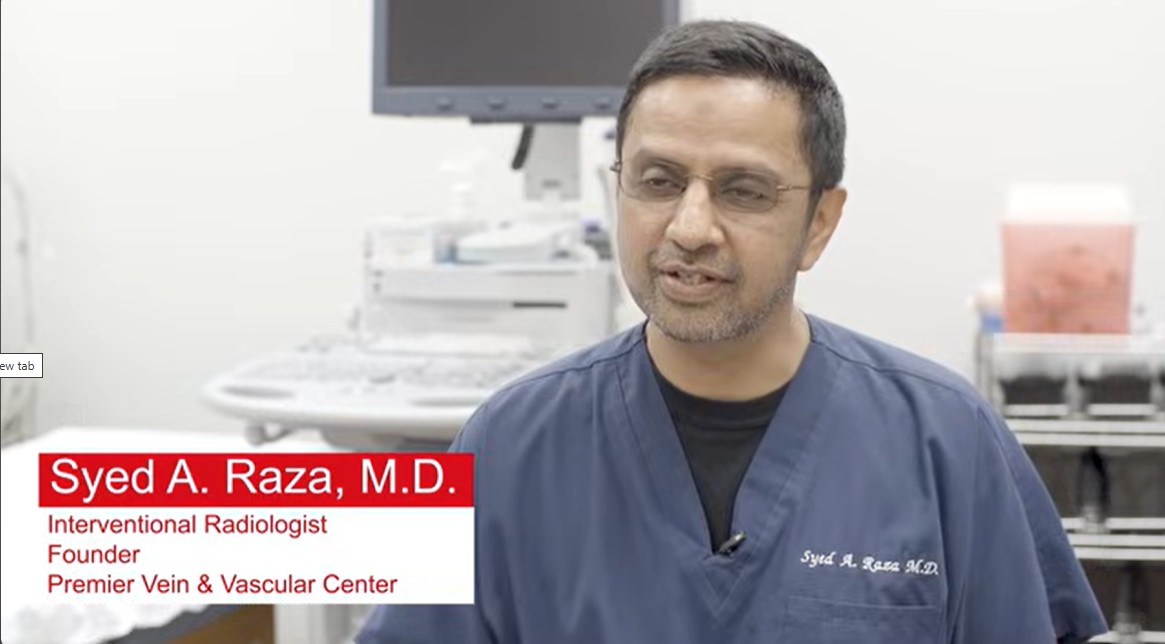
Dr. Syed Raza, board-certified interventional radiologist and vein specialist in Houston

Meet Your Specialist

Meet Your Houston Vein Specialist

Syed Raza, MD

Board-Certified Interventional Radiologist & Vein Specialist

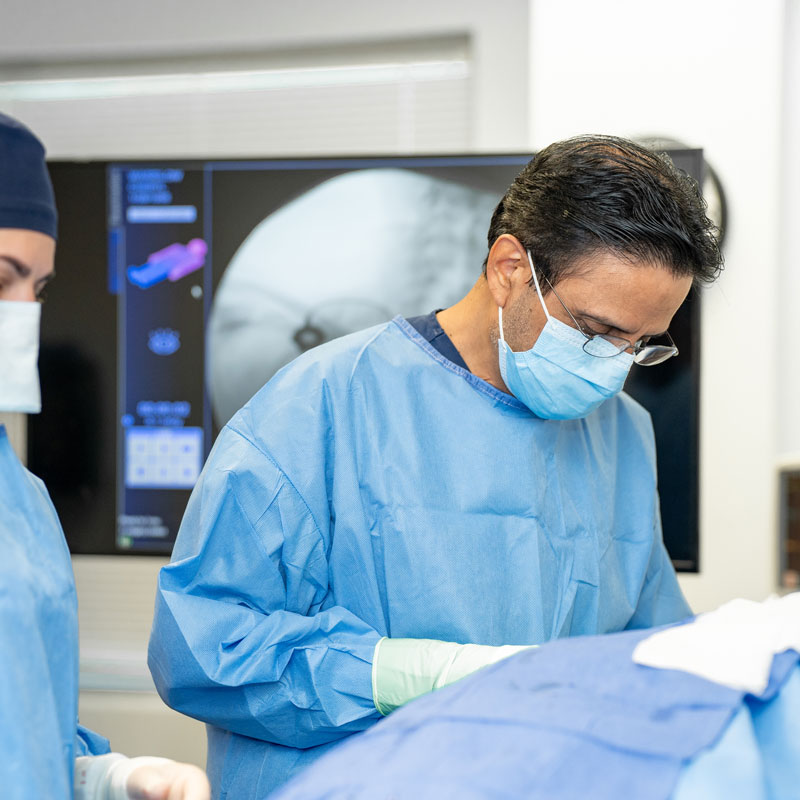
Dr. Syed A. Raza is a fellowship-trained interventional radiologist certified by the American Board of Radiology. He has extensive experience in image-guided and minimally invasive vascular procedures, including evaluation and treatment of venous disease.

His background includes academic and hospital leadership roles in interventional radiology. His expertise allows Premier Vein & Vascular Center to combine diagnostic imaging with minimally invasive treatment planning for patients with vein disease and other vascular conditions.

Your Path Forward

Next Steps for Managing Your Symptoms

If any of the symptoms described on this page sound familiar, here is what to expect when you reach out to Premier Vein & Vascular Center.

Serving Greater Houston

Serving West Houston, Katy & Surrounding Communities

Premier Vein & Vascular Center is located at 19255 Park Row Dr, Suite 201, Houston, TX 77084.

Communities We Serve

Common Questions

Frequently Asked Questions

What are the earliest signs of vein disease?

The earliest signs are often subtle: legs that feel heavy or tired by the end of the day, mild ankle swelling, or a few small visible veins. These symptoms typically worsen gradually over months or years if untreated.

Are varicose veins always a medical problem, or just cosmetic?

Varicose veins are a visible sign of underlying vein disease, not purely a cosmetic issue. While some patients have only mild discomfort, the same valve dysfunction that causes varicose veins can progress toward swelling, skin changes, and ulcers.

What is the difference between spider veins and varicose veins?

Spider veins are small, thin, web-like veins close to the skin’s surface and are mostly a cosmetic concern. Varicose veins are larger, raised, and rope-like, and are more often associated with pain, heaviness, and disease progression.

Why do my legs swell more by the end of the day?

Swelling that builds throughout the day and improves overnight is a classic sign of venous insufficiency, where weakened vein valves allow blood to pool in the lower legs due to gravity while you are upright.

Can vein disease cause leg cramps or restless legs?

Yes. Poor venous circulation can trigger nighttime leg cramping and an uncomfortable urge to move the legs, sometimes diagnosed as restless leg syndrome. Treating the underlying vein disease often improves both.

When does vein disease become an emergency?

Sudden, severe swelling or pain in one leg, especially with warmth, redness, or shortness of breath, can indicate a blood clot and requires immediate medical attention rather than a routine vein consultation.

How is vein disease diagnosed?

Diagnosis starts with a physical exam and a review of your symptoms and history, followed by a painless venous ultrasound that allows us to see exactly which veins are affected and how severely.

What happens if vein disease is left untreated?

Untreated vein disease tends to progress, potentially leading to worsening pain and swelling, skin discoloration and thickening, and eventually venous ulcers that are difficult to heal.

Is vein disease treatment covered by insurance?

Treatment for medically necessary symptoms such as pain, swelling, or skin changes is often covered by insurance, including Medicare. Our office can help verify your specific benefits before treatment.

How soon can I be seen for a vein evaluation in Houston?

We work to schedule new patient evaluations promptly. Contact our office or request an appointment online, and our team will help find a time that works for you.

Don’t Wait for Symptoms to Progress

Whatever symptoms you are experiencing, our Houston vein specialists can help you understand the cause and find lasting relief. Schedule your evaluation today.

This page is provided for general educational purposes and does not constitute medical advice. Every patient’s condition is different; please consult a qualified vein specialist for an individualized diagnosis and treatment plan.