Houston’s Specialized Vein Clinic | 20+ Years’ Experience
8:30am to 4:30pmOpening Hour Mon - Fri
(832) 321-5355Call For Appointment
Houston’s Specialized Vein Clinic | 20+ Years’ Experience

ALTERNATIVE TO THERMAL ABLATION

Non-Thermal Vein Ablation in Houston, TX

A Heat-Free Option for Treating Varicose Veins & Venous Insufficiency

Medical science surrounding varicose vein treatment continues to evolve, and today patients have more options than ever before. While endovenous thermal ablation, ambulatory phlebectomy, and sclerotherapy remain highly effective treatments, some patients prefer the benefits that come with a non-thermal, heat-free approach.
At Premier Vein & Vascular Center, our specialists have the experience to safely and effectively perform non-thermal ablation for patients who qualify, giving you a comfortable, minimally invasive path back to healthier legs.

Non-Thermal Vein Ablation

A Heat-Free Alternative for Varicose Vein Treatment

Not every patient is a candidate for heat-based vein closure, and some simply prefer to avoid it. Non-thermal ablation uses a medical adhesive rather than heat energy to seal a diseased vein closed, offering a comfortable in-office alternative to thermal ablation and radiofrequency ablation.
Because no heat is involved, there is no need for the tumescent numbing injections that surround a vein during thermal procedures — which can mean a more comfortable visit and a shorter time in the office.
Premier Vein & Vascular Center’s specialists have the training and hands-on experience to determine whether non-thermal ablation is right for your veins, and to perform the procedure safely and precisely.
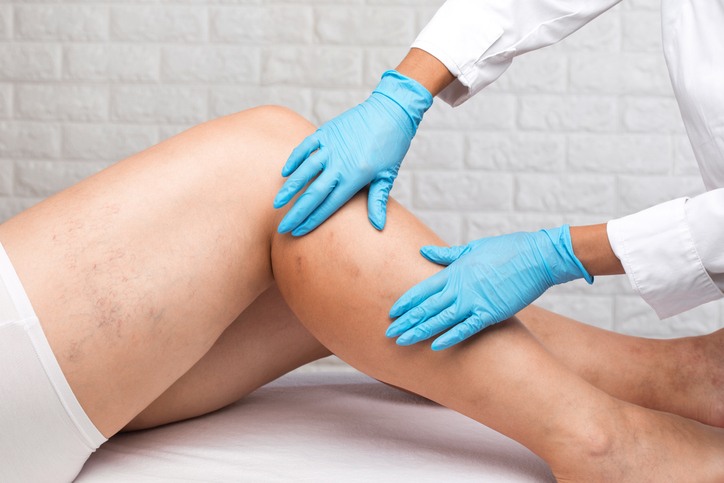
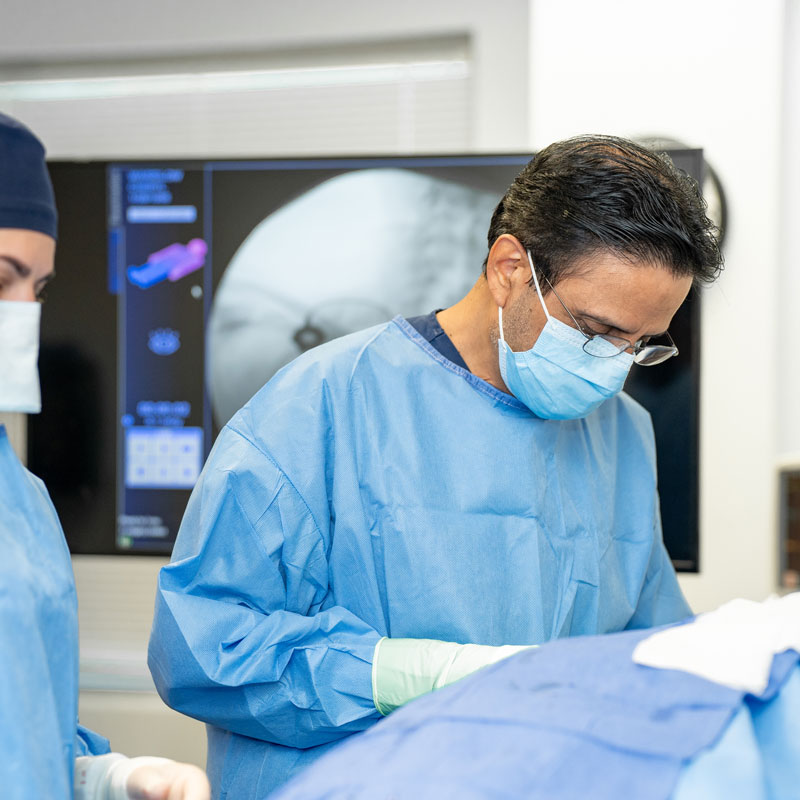
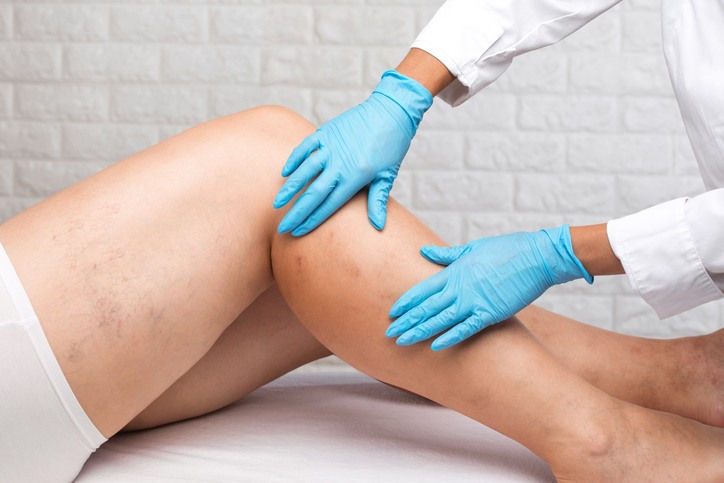
Advanced varicose vein care consultation at a Houston vein clinic

— Patient Experiences

One of Houston's Highest-Rated Vein Care Practices

Real patients. Real results. Trusted by hundreds across Houston and surrounding communities.

Read All Google Reviews
Google ★★★★★ 5.0 (930+ reviews) Trusted. Respected. Highly Rated.
★★★★★

"Dr. Gowd and his team were amazing. My leg pain and swelling improved significantly after treatment. The staff is kind, professional and truly cares."

S
Sarah M.Google Review
G
★★★★★

"Excellent experience. The doctor took time to explain everything and made me feel comfortable. The procedure was quick and recovery was much easier than I expected."

J
James T.Google Review
G
★★★★★

"From the consultation to follow-up, everything was smooth. I highly recommend Premier Vein to anyone dealing with vein issues. Great results and wonderful staff!"

M
Melissa R.Google Review
G
★★★★★

"I was nervous about vein treatment, but the team put me at ease from the first visit. Minimally invasive, barely any downtime, and my legs feel so much better."

R
Robert K.Google Review
G
★★★★★

"Professional, caring, and thorough. Dr. Gowd explained every option and never pushed unnecessary treatment. The results speak for themselves — highly recommend!"

A
Angela P.Google Review
G
★★★★★

"Booked a same-week appointment and was impressed from start to finish. Clean office, friendly staff, and real improvement in my leg swelling within weeks."

D
David L.Google Review
G

Overview

What Is Non-Thermal Vein Ablation?

Non-thermal ablation is a minimally invasive technique used to close diseased, refluxing veins without the use of heat energy. Instead of a laser or radiofrequency catheter, our specialists use a medical adhesive delivered through a small catheter to seal the vein from the inside.
It serves as an alternative to heat-based methods such as endovenous thermal ablation and radiofrequency ablation, giving patients another safe, effective path toward relief from varicose veins and venous insufficiency.

When Should I Seek Treatment

Signs It May Be Time for Treatment

Varicose veins can be small and barely noticeable, or large and bulging — but their negative qualities extend well beyond appearance. If you have visible varicose veins along with any of the symptoms below, it may be time to schedule an evaluation.

Persistent Leg Cramps

Frequent cramping, especially at night, can point to underlying venous reflux.

Itching or Burning

A burning or itching sensation near visible veins that does not subside on its own.

Swelling or Numbness

Fluid buildup or numbness in the lower legs and ankles by the end of the day.

Restless Leg Syndrome

An uncomfortable urge to move your legs, particularly at night or at rest.

Generalized Aches & Pains

Ongoing discomfort in the legs that is not explained by another cause.

Leg Heaviness & Fatigue

Legs that feel tired, heavy, or fatigued after standing or sitting for long periods.

Ultrasound Comes First

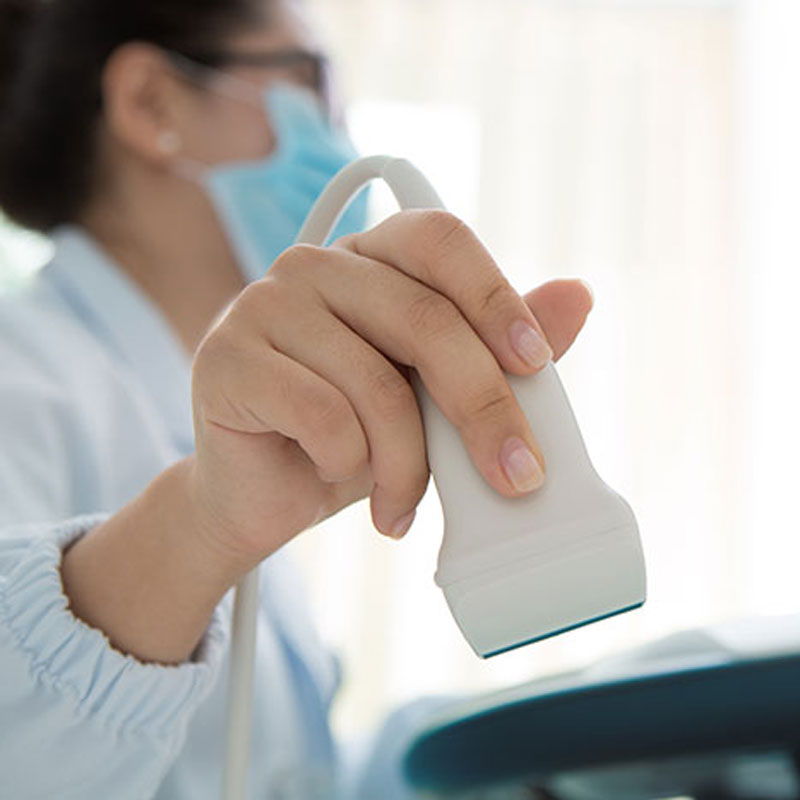
Before any intervention — thermal or non-thermal — our specialists perform a diagnostic ultrasound to assess how well your veins are functioning. This ensures we recommend the treatment approach best suited to your individual anatomy.

Thermal vs. Non-Thermal

Thermal vs. Non-Thermal — Which Is Right for You?

Deciding between thermal and non-thermal ablation often comes down to personal preference and candidacy. Thermal ablation has a longer track record and a larger body of research behind it, so many patients feel more confident choosing it. Non-thermal ablation, on the other hand, isn’t the right fit for every vein or every patient.
When non-thermal ablation isn’t an option, thermal ablation remains a highly effective, well-established treatment. Our specialists will walk you through both approaches so you can make an informed decision.

Thermal Ablation

Non-Thermal Ablation

What Non-Thermal Procedures Exist

How VenaSeal™ Works

Premier Vein & Vascular Center performs non-thermal vein ablation using VenaSeal™, a medical adhesive placed inside the vein through a small catheter to seal it closed. VenaSeal is newer to the market than thermal techniques, but our specialists are confident in the results it delivers, and many patients experience less post-procedure downtime.
Candidacy for non-thermal ablation is determined on a case-by-case basis — not every vein is suited to this approach, which is why an in-office ultrasound evaluation always comes first.

1. Ultrasound Mapping

We use ultrasound to map the diseased vein and plan the safest path for the catheter.

2. Local Numbing

A small amount of local anesthetic numbs the single entry point — no injections along the length of the vein.

3. Adhesive Delivered

A thin catheter delivers a medical adhesive into the vein, sealing it closed from the inside.

4. Vein Closes

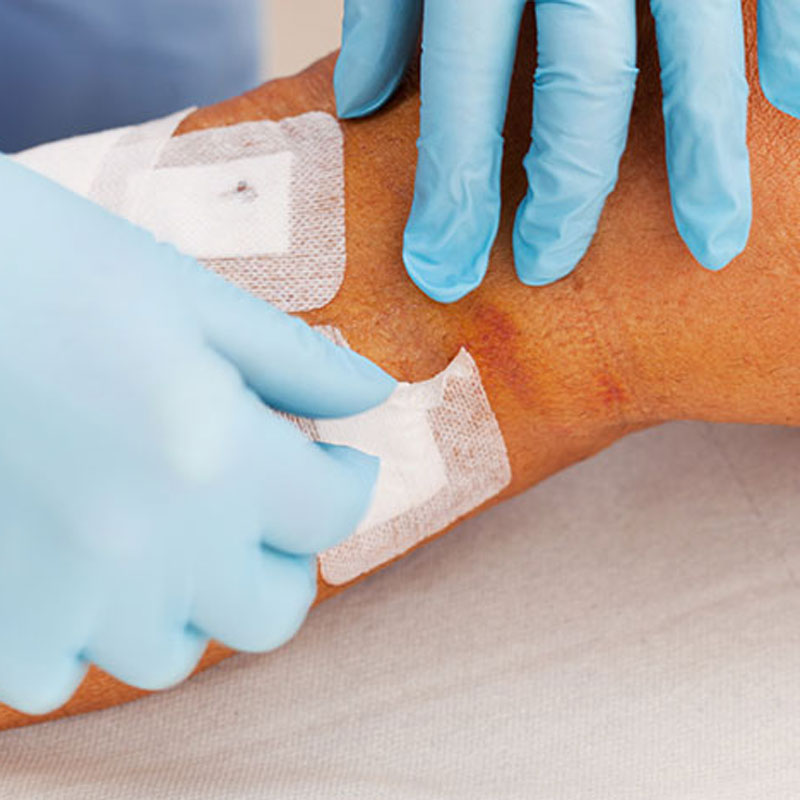
The catheter is removed and a small bandage is placed over the entry point.

5. Same-Day Recovery

Most patients resume normal activities the same day, often without compression stockings.

Benefits

Benefits of Non-Thermal Ablation

Performed In-Office

Just like thermal techniques, non-thermal ablation is performed comfortably in our office — no hospital visit required.

Fewer Compression Stockings

Many patients need to wear compression stockings for less time afterward, or may not need them at all.

Fewer Numbing Injections

Because no heat travels along the vein, fewer numbing injections are needed compared to thermal techniques.

Candidacy

Who Is a Candidate for Non-Thermal Ablation?

Whether non-thermal ablation is right for you depends on the size, location, and condition of the affected vein, along with your medical history and treatment goals. Good candidates typically:

Common Questions

Q&A: Non-Thermal Ablation

Is VenaSeal Safe?

VenaSeal has been used to safely treat varicose veins for a number of years and is FDA-approved for closing diseased superficial veins. As with any medical procedure, our specialists will review the risks and benefits with you before moving forward.

How Is Non-Thermal Ablation Different From Sclerotherapy?

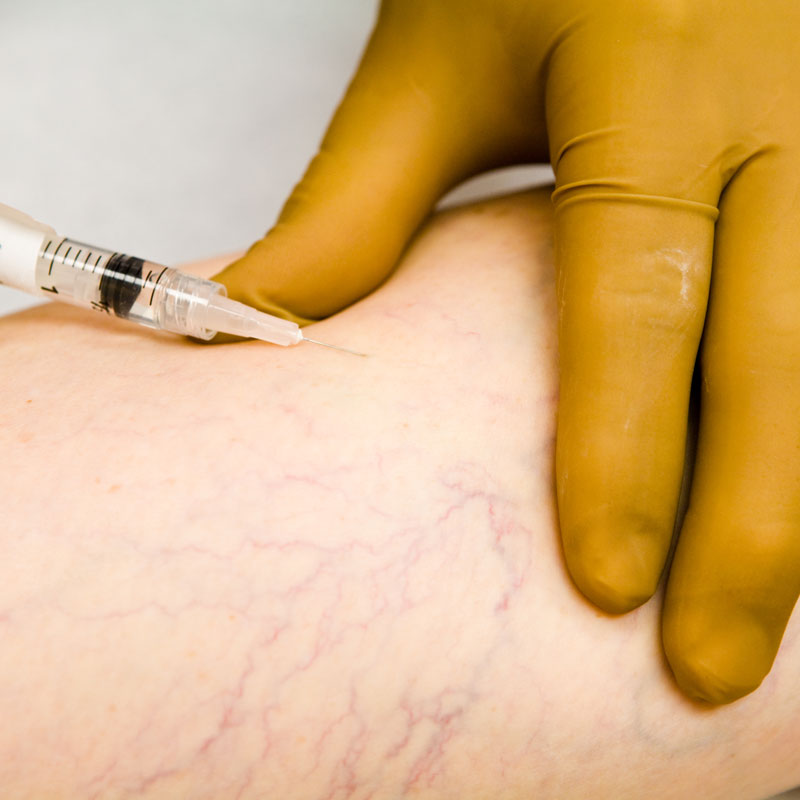
Sclerotherapy uses an injected solution to close smaller veins and is often used for spider veins or smaller varicose veins. Non-thermal ablation uses a catheter-delivered adhesive and is typically used to treat larger, diseased trunk veins that are causing reflux. Your specialist may recommend one, the other, or a combination of both.

Recovery

Recovery & Aftercare

One of the advantages of non-thermal ablation is a comfortable recovery. Most patients are able to walk out of the office and resume light daily activities right away.

Insurance

Is Non-Thermal Ablation Covered by Insurance?

Many insurance plans cover non-thermal vein ablation when it is deemed medically necessary, similar to coverage for thermal ablation. Our team will verify your benefits and walk you through your coverage before your procedure so there are no surprises.
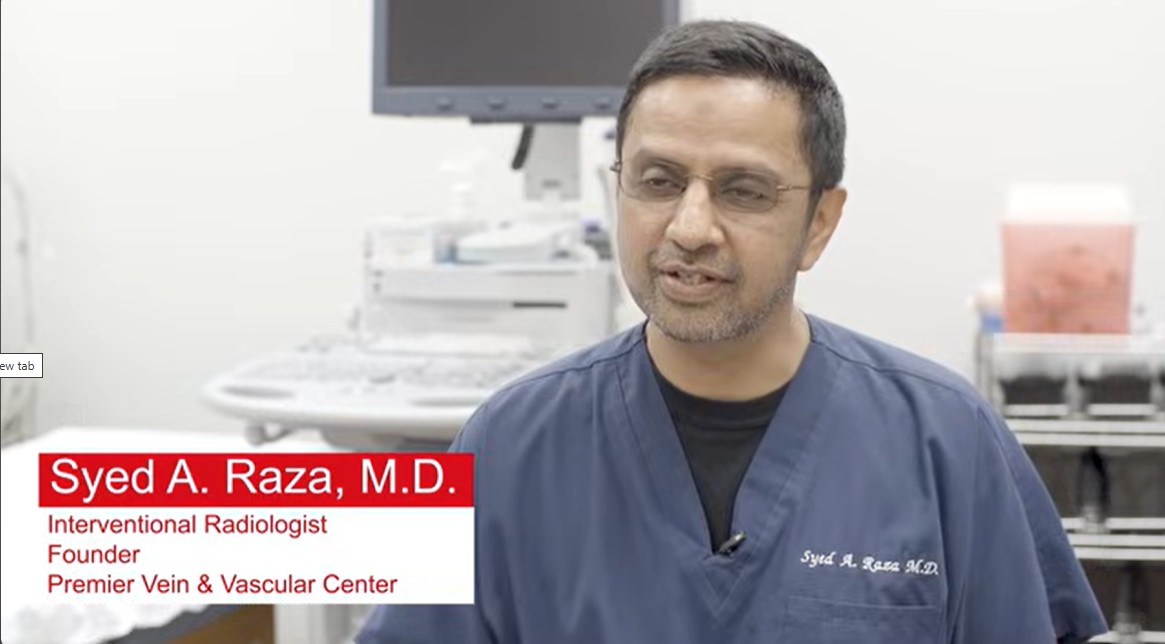
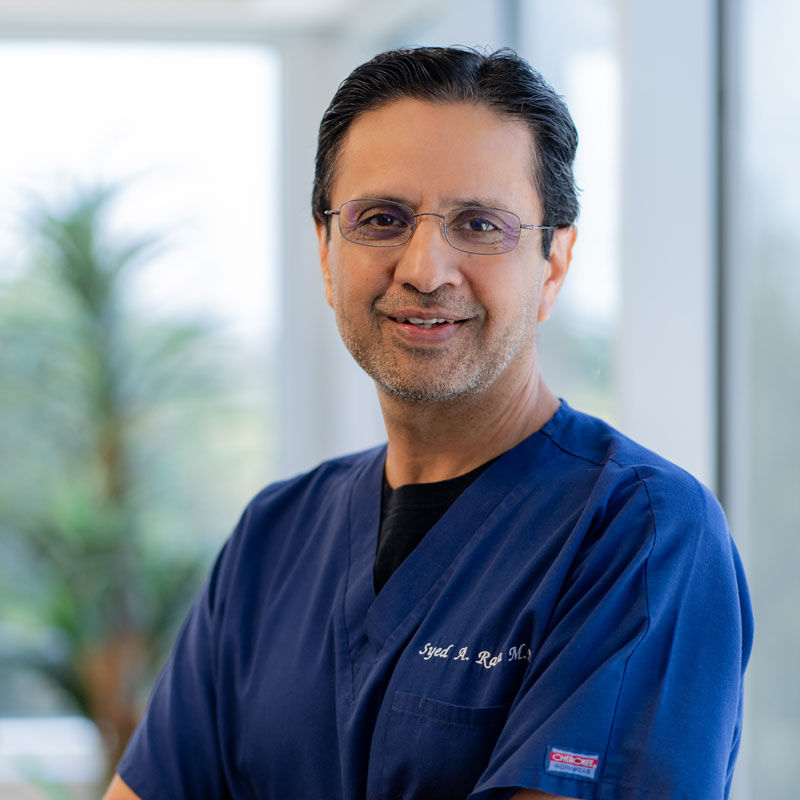
Dr. Syed Raza, board-certified interventional radiologist and vein specialist in Houston

Meet Your Specialist

Meet Your Houston Vein Specialist

Syed Raza, MD

Board-Certified Interventional Radiologist & Vein Specialist

Dr. Syed A. Raza is a fellowship-trained interventional radiologist certified by the American Board of Radiology. He has extensive experience in image-guided and minimally invasive vascular procedures, including evaluation and treatment of venous disease.

His background includes academic and hospital leadership roles in interventional radiology. His expertise allows Premier Vein & Vascular Center to combine diagnostic imaging with minimally invasive treatment planning for patients with non-thermal vein ablations and other vascular conditions.

Next Steps

Ready to Explore Non-Thermal Ablation?

Serving Greater Houston

Serving West Houston, Katy & Surrounding Communities

Premier Vein & Vascular Center is located at 19255 Park Row Dr, Suite 201, Houston, TX 77084.

Communities We Serve

FAQ

Frequently Asked Questions

What is non-thermal vein ablation?

Non-thermal vein ablation is a minimally invasive procedure that closes a diseased vein using a medical adhesive delivered through a small catheter, rather than heat energy.

Is non-thermal ablation the same as VenaSeal?

VenaSeal is the non-thermal ablation technique performed at Premier Vein & Vascular Center. It uses a medical adhesive to seal the vein closed.

How is non-thermal ablation different from thermal ablation?

Thermal ablation uses heat (radiofrequency) to close the vein and requires numbing injections along its length. Non-thermal ablation uses an adhesive instead, typically with fewer injections.

Does non-thermal ablation hurt?

Most patients feel only a small pinch at the single numbing injection site. The procedure itself is generally well tolerated.

Will I need compression stockings after treatment?

Many patients need compression stockings for a shorter period than with thermal ablation, and some may not need them at all. Your specialist will advise you based on your case.

How long does the procedure take?

Non-thermal ablation is typically performed in-office in under an hour, depending on the number and location of veins being treated.

When can I return to normal activities?

Most patients resume normal daily activities the same day, though your specialist may recommend avoiding heavy lifting or air travel for a short period.

Am I a candidate for non-thermal ablation?

Candidacy depends on the size, location, and condition of the affected vein. An in-office ultrasound evaluation determines whether non-thermal or thermal ablation is the better option for you.

Is non-thermal ablation covered by insurance?

Many insurance plans cover non-thermal ablation when it is medically necessary. Our team will verify your benefits before your procedure.

How do I schedule a consultation?

Call (832) 321-5355 or request an appointment online to schedule your evaluation with our vein specialists.

Explore a Heat-Free Path to Healthier Legs

Schedule a consultation with Premier Vein & Vascular Center to find out whether non-thermal ablation is right for you.

This page is for informational purposes only and is not a substitute for professional medical advice, diagnosis, or treatment. Candidacy for non-thermal or thermal vein ablation is determined on a case-by-case basis following an in-person evaluation by a qualified vein specialist. Individual results may vary.