Houston’s Specialized Vein Clinic | 20+ Years’ Experience
8:30am to 4:30pmOpening Hour Mon - Fri
(832) 321-5355Call For Appointment
Houston’s Specialized Vein Clinic | 20+ Years’ Experience

HOUSTON'S SPECIALIZED VEIN CLINIC

Restless Leg Syndrome Treatment in Houston, TX

Relief From the Constant Urge to Move Your Legs

That relentless urge to move your legs, especially at night, can wreck your sleep and your patience. Restless Leg Syndrome (RLS), also known as Willis-Ekbom disease, is a neurological condition, but for many patients an underlying vein problem is quietly making it worse.
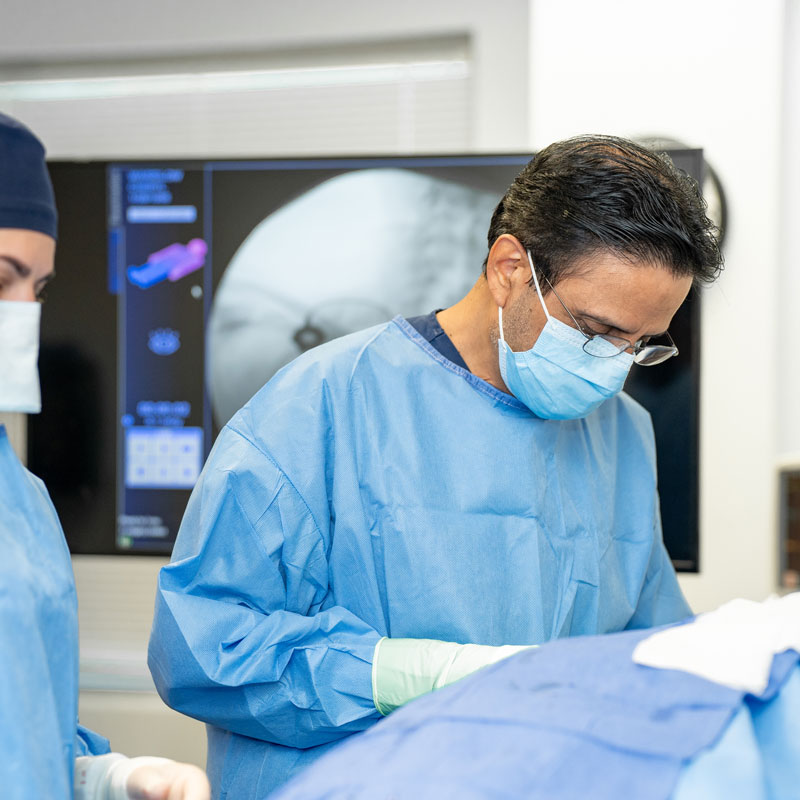
At Premier Vein & Vascular Center, Dr. Syed Raza evaluates whether venous insufficiency is contributing to your symptoms. When it is, many patients experience significant symptom relief once the underlying vein issue is treated.
Same-week evaluations, most major insurance accepted, and minimally invasive treatment options designed to get you back to restful sleep.

UNDERSTANDING THE VEIN CONNECTION

Why See a Vein Specialist for Restless Leg Syndrome?

Restless Leg Syndrome has many possible causes, from dopamine regulation in the brain to iron deficiency and chronic health conditions. Research has also linked RLS to venous insufficiency, a circulatory condition where leg veins struggle to return blood to the heart efficiently.
Dr. Syed Raza and the team at Premier Vein & Vascular Center specialize in identifying and treating venous causes of leg symptoms. A simple, painless venous ultrasound evaluation can determine whether your veins are playing a role in your restless legs, so you get a treatment plan built around your actual cause, not guesswork.
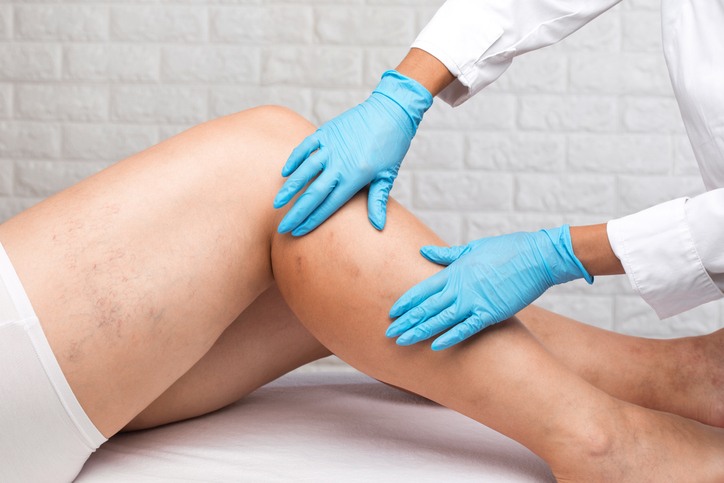
Restless legs at night linked to vein disease, evaluated at a Houston clinic

— Patient Experiences

One of Houston's Highest-Rated Vein Care Practices

Real patients. Real results. Trusted by hundreds across Houston and surrounding communities.

Read All Google Reviews
Google ★★★★★ 5.0 (930+ reviews) Trusted. Respected. Highly Rated.
★★★★★

"Dr. Gowd and his team were amazing. My leg pain and swelling improved significantly after treatment. The staff is kind, professional and truly cares."

S
Sarah M.Google Review
G
★★★★★

"Excellent experience. The doctor took time to explain everything and made me feel comfortable. The procedure was quick and recovery was much easier than I expected."

J
James T.Google Review
G
★★★★★

"From the consultation to follow-up, everything was smooth. I highly recommend Premier Vein to anyone dealing with vein issues. Great results and wonderful staff!"

M
Melissa R.Google Review
G
★★★★★

"I was nervous about vein treatment, but the team put me at ease from the first visit. Minimally invasive, barely any downtime, and my legs feel so much better."

R
Robert K.Google Review
G
★★★★★

"Professional, caring, and thorough. Dr. Gowd explained every option and never pushed unnecessary treatment. The results speak for themselves — highly recommend!"

A
Angela P.Google Review
G
★★★★★

"Booked a same-week appointment and was impressed from start to finish. Clean office, friendly staff, and real improvement in my leg swelling within weeks."

D
David L.Google Review
G

CONDITION OVERVIEW

What Is Restless Leg Syndrome?

Restless Leg Syndrome (RLS), also called Willis-Ekbom disease, causes an uncontrollable, often overwhelming need to move your legs. The sensation typically strikes when you are sitting or lying still, and it can occasionally affect the chest and arms as well.
Most people manage mild symptoms on their own with massage, stretching, or light exercise. More severe or persistent cases, however, often point to an underlying condition that deserves a closer look, which is why an accurate diagnosis matters.

WHAT TO WATCH FOR

Common Symptoms of Restless Leg Syndrome

Irresistible Urge to Move

A near-constant need to shift, stretch, or move your legs for relief, most noticeable in the evening or at night.

Tingling, Burning & Throbbing

Uncomfortable crawling, tingling, burning, itching, or throbbing sensations deep in the legs.

Painful Calf Cramps

Frequent, sudden cramping in the calf muscles that can interrupt sleep and daily activity.

ROOT CAUSES

Understanding the Causes of Restless Leg Syndrome

RLS is a neurological condition with several potential contributing factors. Identifying which ones apply to you is the first step toward meaningful relief.

Dopamine & the Basal Ganglia

RLS is closely linked to the basal ganglia, a brain region that uses dopamine to control muscle activity. A dopamine deficiency here is a leading driver of symptoms, and RLS often worsens later in the day as dopamine levels naturally drop.

Chronic Health Conditions

Conditions such as fibromyalgia, diabetes, Parkinson’s disease, hypothyroidism, and chronic kidney failure are all associated with a higher risk of RLS.

Venous Insufficiency

Studies suggest people with RLS often also have venous insufficiency, and treating varicose veins can help alleviate RLS symptoms for some patients.

Genetics

A family history of RLS is common; the condition often runs in families, particularly when symptoms begin before age 40.

Pregnancy

RLS often develops in the last trimester of pregnancy. Fortunately, symptoms typically resolve on their own after delivery.

Anemia & Iron Deficiency

Low iron levels can reduce dopamine production in the brain, which is one reason iron-deficiency anemia is linked to RLS.

YOUR QUESTIONS ANSWERED

Restless Leg Syndrome: Common Questions

Can Varicose Veins Cause Restless Leg Syndrome?

Varicose veins do not directly cause RLS, but research suggests a meaningful overlap between the two conditions. When leg veins are not efficiently returning blood to the heart, the resulting pressure and poor circulation can aggravate the nerve and muscle sensations that drive RLS symptoms. For patients with both conditions, treating the underlying venous insufficiency often brings noticeable relief, though it is one piece of a larger picture rather than a single cure.

Is Restless Leg Syndrome Dangerous?

RLS itself is not life-threatening, but it can seriously disrupt sleep, mood, and quality of life over time. Chronic sleep loss from untreated RLS has been linked to fatigue, difficulty concentrating, and increased health risks. If leg discomfort is paired with swelling, skin discoloration, or a warm, tender area in the calf, that combination can signal a circulatory issue that warrants prompt evaluation.

AT-HOME MANAGEMENT

Home Remedies & Lifestyle Changes

These lifestyle changes can ease mild symptoms and are worth trying alongside, not instead of, a proper evaluation if symptoms persist.

THE CIRCULATORY LINK

The Restless Leg Syndrome & Venous Insufficiency Connection

When leg veins lose their ability to move blood efficiently back to the heart, blood can pool in the lower legs. This condition, called venous insufficiency, shares several risk factors with RLS and, in a number of patients, appears alongside it.
If you have RLS along with any of the following, venous insufficiency may be part of the picture, and it is worth having your veins checked:
restless legs and leg pain

GETTING AN ACCURATE DIAGNOSIS

How We Diagnose the Vein Component of Restless Leg Syndrome

Restless Leg Syndrome is typically diagnosed by reviewing your symptoms, sleep patterns, and medical history, often alongside your primary care physician or a neurologist. At Premier Vein & Vascular Center, our role is to determine whether venous insufficiency is a contributing factor.
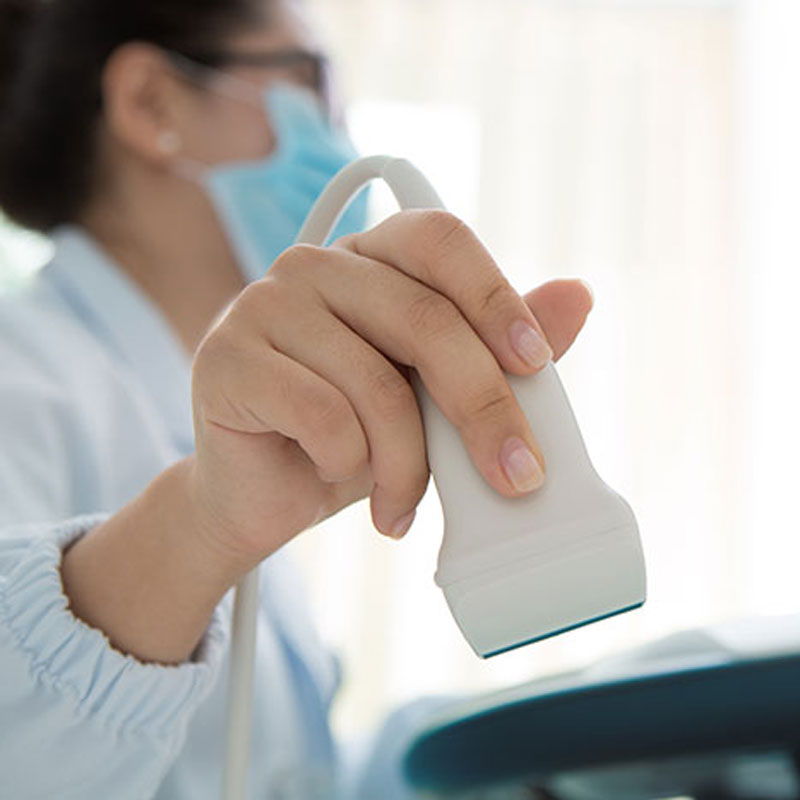
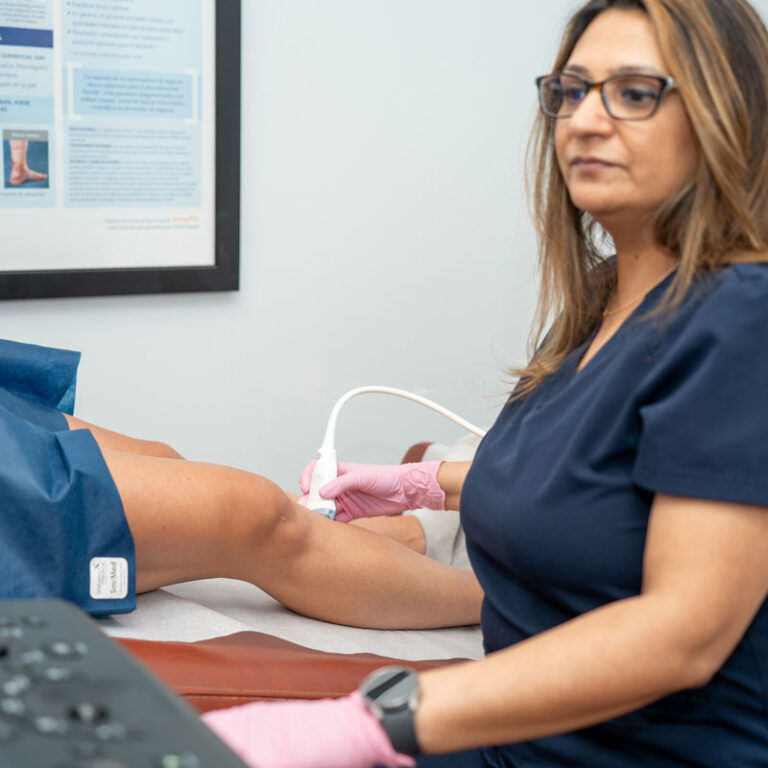
We use a venous ultrasound evaluation, a painless, non-invasive duplex ultrasound that maps blood flow in your leg veins in real time. It lets Dr. Raza see exactly where circulation is breaking down, so any recommended treatment targets the actual source of the problem.

TREATMENT OPTIONS

Treating the Venous Cause of Your Restless Legs

When venous insufficiency is contributing to your RLS, these minimally invasive, in-office treatments can improve circulation and, for many patients, ease symptoms.

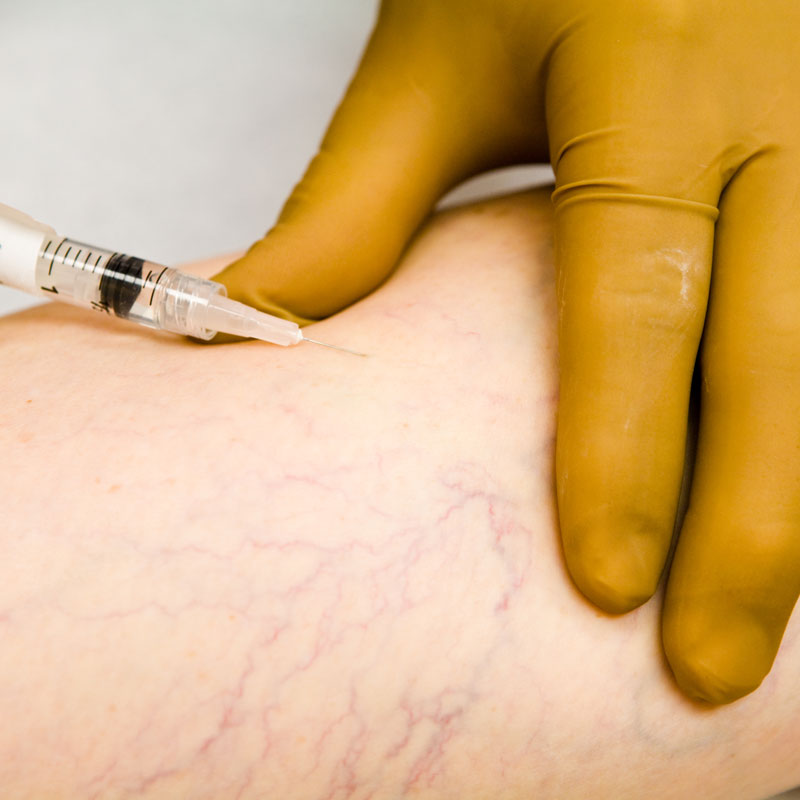
Sclerotherapy

A minimally invasive injection treatment that closes off problem veins, redirecting blood flow to healthier vessels.

Radiofrequency Ablation

Uses targeted heat energy to seal a diseased vein from the inside, a common first-line treatment for venous insufficiency.

Comprehensive Vein Evaluation

Every treatment plan starts with a full evaluation of your varicose vein and venous insufficiency options.

WHAT TO EXPECT

Is Vein Treatment for Restless Leg Syndrome Painful?

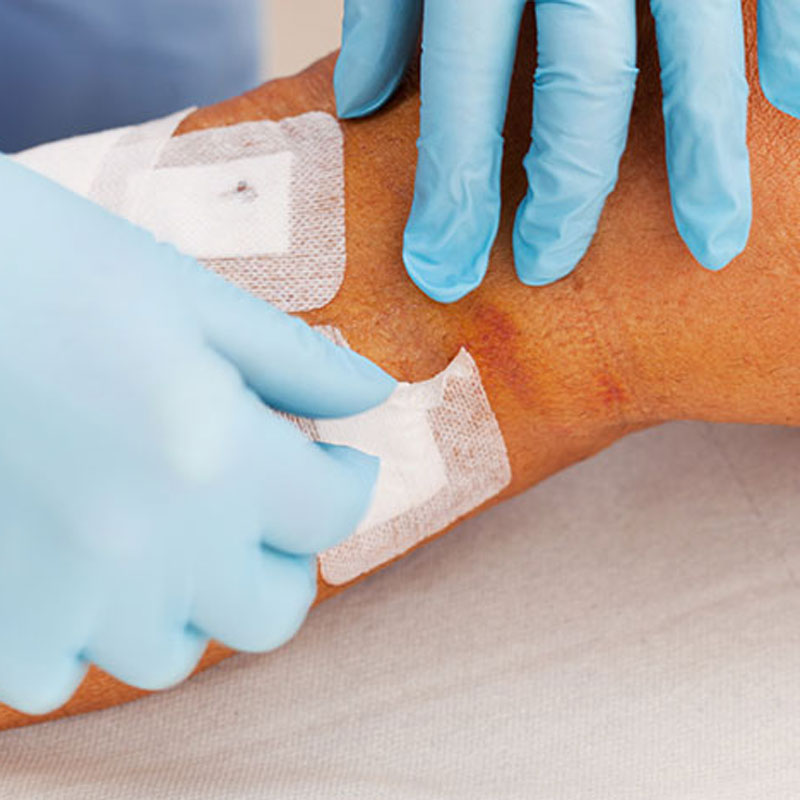
No. Both sclerotherapy and radiofrequency ablation are performed in-office using local anesthesia, and most patients describe only mild pressure or a brief pinch. There are no large incisions and no general anesthesia required. Most people return to normal daily activities the same day, with only minor, temporary bruising or tightness along the treated vein.

RECOVERY TIMELINE

How Long Until Symptoms Improve?

Timelines vary by patient, but many people notice improved leg comfort within a few weeks of treatment as circulation improves and swelling subsides. Because RLS often has more than one contributing cause, full symptom relief may also depend on managing other factors, such as iron levels or an underlying chronic condition, alongside your vein treatment.

COVERAGE

Is Restless Leg Syndrome Treatment Covered by Insurance?

When venous insufficiency is diagnosed as a medical condition rather than a cosmetic concern, treatments such as sclerotherapy and radiofrequency ablation are often covered by most major insurance plans, including Medicare. Our team will verify your benefits before any treatment begins.
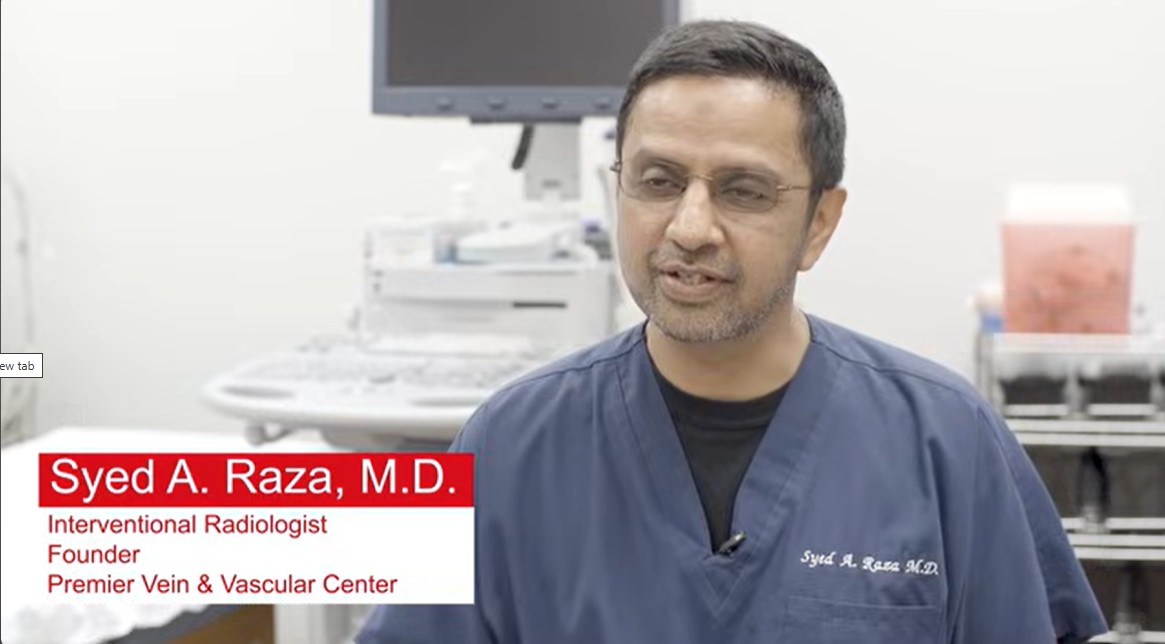
Dr. Syed Raza, board-certified interventional radiologist and vein specialist in Houston

Meet Your Specialist

Meet Your Houston Vein Specialist

Syed Raza, MD

Board-Certified Interventional Radiologist & Vein Specialist

Dr. Syed A. Raza is a fellowship-trained interventional radiologist certified by the American Board of Radiology. He has extensive experience in image-guided and minimally invasive vascular procedures, including evaluation and treatment of venous disease.

His background includes academic and hospital leadership roles in interventional radiology. His expertise allows Premier Vein & Vascular Center to combine diagnostic imaging with minimally invasive treatment planning for patients with varicose veins, restless leg syndrome, and other vascular conditions.

NEXT STEPS

When Should I See a Vein Specialist?

Consider scheduling a vein evaluation if you notice any of the following alongside your restless leg symptoms:

Serving Greater Houston

Serving West Houston, Katy & Surrounding Communities

Premier Vein & Vascular Center is located at 19255 Park Row Dr, Suite 201, Houston, TX 77084.

Communities We Serve

FREQUENTLY ASKED QUESTIONS

Restless Leg Syndrome FAQs

Does Premier Vein & Vascular Center treat Restless Leg Syndrome directly?

We evaluate and treat the venous causes that may be contributing to your RLS symptoms, such as venous insufficiency. For neurological causes unrelated to vein disease, we coordinate with your primary care physician or a neurologist.

Can treating my varicose veins cure my restless leg syndrome?

RLS is a neurological condition with several possible causes, and venous insufficiency is only one of them. Many patients experience significant symptom relief when an underlying venous cause is treated, but vein treatment is not a guaranteed cure for everyone.

What is the difference between RLS and normal leg cramps?

RLS involves an urge to move the legs, often paired with tingling, burning, or crawling sensations, especially at rest. Ordinary leg cramps are sudden, involuntary muscle contractions that are usually brief and triggered by activity, dehydration, or electrolyte imbalance.

How is venous insufficiency diagnosed?

We use a quick, painless duplex ultrasound to visualize blood flow in your leg veins and identify any areas where circulation is impaired.

Are RLS-related vein treatments covered by insurance?

When medically necessary, treatments like sclerotherapy and radiofrequency ablation are often covered by most major insurance plans, including Medicare. Our staff verifies your benefits before treatment.

How long does treatment take?

Most in-office vein procedures take 30 to 60 minutes, and patients typically return to normal activities the same day.

Will my restless leg symptoms come back after treatment?

If venous insufficiency was a contributing factor and it has been treated, many patients see lasting improvement. However, since RLS can have other causes, ongoing management of those factors may still be needed.

Should I see a neurologist or a vein specialist first?

Either is a reasonable starting point. If you have visible varicose veins, leg swelling, or heaviness alongside your RLS, a vein evaluation can quickly rule in or out a circulatory contributor.

Ready to Find Relief From Restless Legs?

Schedule a consultation with Dr. Raza to find out whether venous insufficiency is contributing to your restless leg syndrome, and get a treatment plan built for you.
12727 Kimberley Ln, Suite 100, Houston, TX 77024  |  (832) 321-5355
This page is for general educational purposes and is not a substitute for professional medical advice, diagnosis, or treatment. Restless Leg Syndrome has multiple possible causes; venous insufficiency is one contributing factor in some patients, and treating it may reduce but does not guarantee complete resolution of symptoms. Always consult a qualified healthcare provider regarding your specific condition.