Houston’s Specialized Vein Clinic | 20+ Years’ Experience
8:30am to 4:30pmOpening Hour Mon - Fri
(832) 321-5355Call For Appointment
Houston’s Specialized Vein Clinic | 20+ Years’ Experience

HOUSTON'S SPECIALIZED VEIN CLINIC

Leg Ulcer Treatment in Houston, TX

Non-Healing Leg Wound? Get Answers and Relief From Board-Certified Vein Specialists

A leg ulcer is a wound that refuses to heal on its own — often for weeks or months at a time. Left untreated, an open sore on the leg can grow larger, become infected, and lead to serious complications.
At Premier Vein & Vascular Center, our physicians evaluate the underlying cause of your non-healing wound, whether it stems from poor circulation, varicose veins, diabetes, or another condition, and build a treatment plan to help it close for good.
We combine wound care expertise with advanced vein diagnostics under one roof, so you are not bounced between specialists while your wound continues to worsen.

WOUND CARE THAT GOES BEYOND THE SURFACE

Why Won’t My Leg Wound Heal?

A healthy wound closes within a few weeks. When a cut, sore, or blister on the lower leg lingers well past that point, doctors call it a leg ulcer — and it is a sign that something is interfering with the body’s ability to deliver oxygen and nutrients to that tissue.
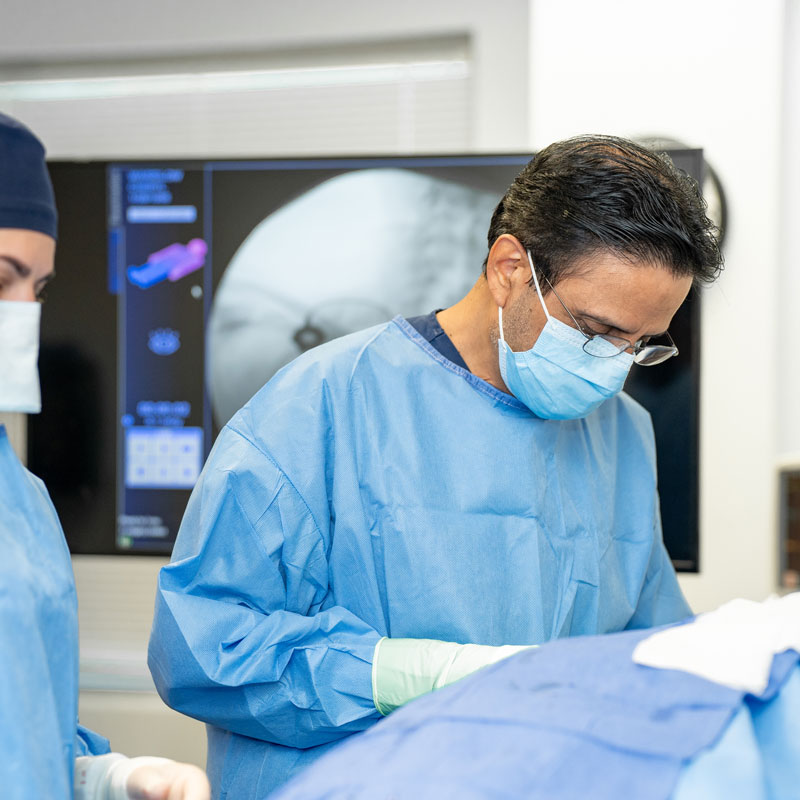
Dr. Raza and the team at Premier Vein & Vascular Center evaluate every non-healing leg wound carefully, checking circulation, vein function, and overall skin health to pinpoint why the wound has stalled and what it will take to get it closed.
non-healing sore on lower leg

— Patient Experiences

One of Houston's Highest-Rated Vein Care Practices

Real patients. Real experiences. Trusted by hundreds of patients across Houston and surrounding communities.

Read All Google Reviews
G o o g l e ★★★★★ 5.0 (930+ reviews) Trusted. Respected. Highly Rated.
★★★★★

“Amazing experience with Dr. Raza's office. Adrianna at the front was kind and made sure I was seen in a timely manner. Nurse Tiara answered all my questions, and during the outpatient surgery Nurse Nora and Dr. Sayed made me feel relaxed and safe. Definitely recommend!”

A
Ana Elisa Google Review
G
★★★★★

“One of the best experiences I've had. Dr. Syed and his staff are amazing. From the day before my appointment to the exit of my procedure, everyone was friendly, helpful and nice. I felt very comfortable and well taken care of.”

T
Tomas Beltran Google Review
G
★★★★★

“Best possible experience for a procedure I worried about for days. Professional and friendly staff. It happened so fast I didn't even remember any of it, and they served snacks and movies during recovery.”

T
Tess Mambo Google Review
G
★★★★★

“I was referred here for a liver biopsy. The surgical room is very clean and spacious, and nurses Tiara and Jen walked me through the procedure with great bedside manner. Concierge-level healthcare. Nothing was rushed.”

P
PP Alvarez Google Review
G
★★★★★

“I had an excellent experience at Premier Vein & Vascular Center. From the moment I arrived, I was treated with first-class care.”

S
Sharon Burns Google Review
G
★★★★★

“A wonderful experience. The nurses were incredibly kind, professional, and attentive. They made me feel comfortable and truly cared for, and the entire staff was friendly and efficient. Highly recommend!”

M
Maria Ascanio Google Review
G
★★★★★

“We are so happy. All the nurses and staff are so grateful and helpful. I feel like I am in a five-star luxury hotel. Thank you Dr. Raza.”

O
Olee Zaid Google Review
G
★★★★★

“From the receptionist Adriana who is kind and caring to the nurses like Jen who assist Dr. Raza, they are the best and gave me excellent care. So thankful. Highly recommended!”

D
Donna Psencik Google Review
G
★★★★★

“Dr. Raza and the entire team leave a lasting impact. Every procedure is handled with precision and reassurance. From the front desk to Nora and Jenny, they treat patients like family. Simply the best.”

M
Madison Wilner Google Review
G

Common Vein Symptoms

Do You Have These Symptoms?

Vein disease can affect more than appearance. Click on a symptom to learn more.

View All Symptoms
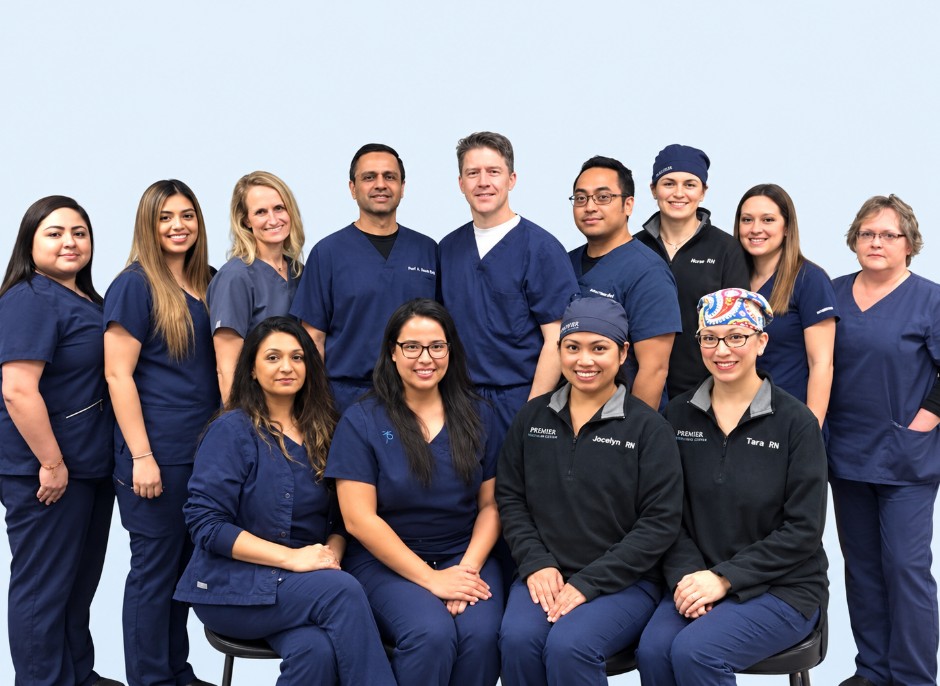
Dr. Farooq Gowd, MD, board-certified interventional radiologist and vein specialist Expert Care
in Houston

Board Certified Vein Specialist and Interventional Radiologist

Vein & Vascular Care Led by an Experienced Specialist

Dr. Syed Raza MD

Board-Certified Interventional Radiologist & Vein Specialist

For more than two decades, our physicians have helped patients understand and treat complex vein and vascular conditions using image-guided, minimally invasive techniques.

  • ◈
    Board CertifiedInterventional Radiology
  • ✔
    IAC AccreditedVein Center
  • ☺
    Fellow of SIR(Society of Interventional Radiology)
  • ☺
    Member of SVS(Society for Vascular Surgery)

Varicose Vein Treatment for Houston-Area Patients

Proud to Be Among Houston's Leading Vein Clinics

At Premier Vein & Vascular Center, we know you have many available choices when it comes to caring for your vein health. Whether you have spider veins or deep vein thrombosis, we’re here to help you live a more active and pain-free lifestyle. Our team specializes in varicose vein treatments that will not only increase your comfort but guide you to long-term positive results. We have two clinics in the Houston area to offer our patients convenient same-week consultations in many cases.

Schedule Your FREE Consultation Today!

Our Vein & Vascular Services

Comprehensive Care for a Healthier Tomorrow

From varicose veins to women's health and advanced vascular procedures, we offer expert, minimally invasive treatments using the latest technology.

View All Services
Varicose Veins treatment at Premier Vein & Vascular Center

Varicose Veins

Bulging, twisted veins, most common in the legs. Treatment improves symptoms and appearance.

Learn More
Spider Veins treatment at Premier Vein & Vascular Center

Spider Veins

Small, visible veins treated effectively with sclerotherapy and other options.

Learn More
Pelvic Congestion Syndrome treatment at Premier Vein & Vascular Center

Pelvic Congestion Syndrome

A condition in women 20–45 caused by enlarged pelvic veins. Minimally invasive treatment options are available.

Learn More
Fibroid Treatments treatment at Premier Vein & Vascular Center

Fibroid Treatments

Minimally invasive Uterine Fibroid Embolization (UFE) to shrink fibroids while preserving the uterus.

Learn More
Venous Ulcers treatment at Premier Vein & Vascular Center

Venous Ulcers

Treatment for open sores caused by poor circulation.

Learn More
Deep Vein Thrombosis treatment at Premier Vein & Vascular Center

Deep Vein Thrombosis

Evaluation and management for blood clots in deep veins.

Learn More
Genicular Artery Embolization treatment at Premier Vein & Vascular Center

Genicular Artery Embolization

A minimally invasive option for chronic knee pain related to osteoarthritis.

Learn More
Other Procedures treatment at Premier Vein & Vascular Center

Other Procedures

Advanced treatments for PAD, venous access, fistula maintenance and more.

Learn More

Patient Education

Understand Your Vein Condition Before Choosing Treatment

Learn how vein disease develops, why symptoms occur and how minimally invasive treatments can help you get back to the activities you enjoy.

Watch the Video

Why You Should Choose an IAC-Approved Vein Clinic

Trusted Care. Proven Standards.

The Intersocietal Accreditation Commission (IAC) ensures quality patient services and outstanding health care. We are committed to providing the best vascular treatments to relieve your discomfort and restore health to your legs and veins.

Schedule a Free Vein Consultation
IACACCREDITED FACILITYVASCULAR TESTING

What to Expect

A Clear Path From Symptoms to Treatment

1💬

Consultation

Tell us about your symptoms and how they affect your life.

→
2🩺

Vein Evaluation

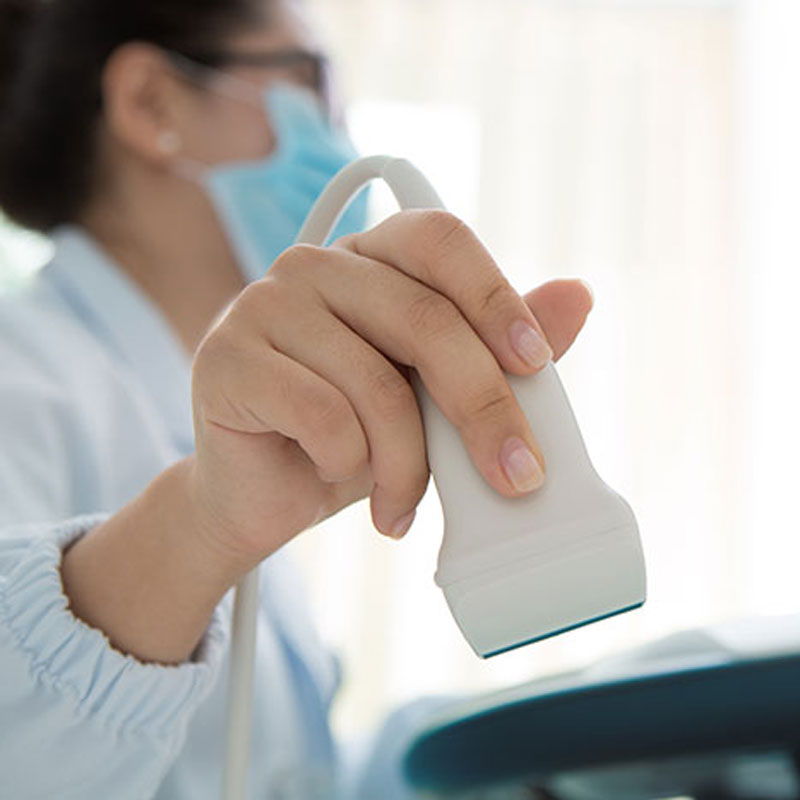
Ultrasound and diagnostic imaging when needed.

→
3📋

Personalized Plan

We explain your findings and discuss treatment options.

→
4♡

Treatment & Follow-Up

Minimally invasive procedures with a focus on long-term results.

Start With a Free Consultation

Who We Are

Over 20 Years of Experience

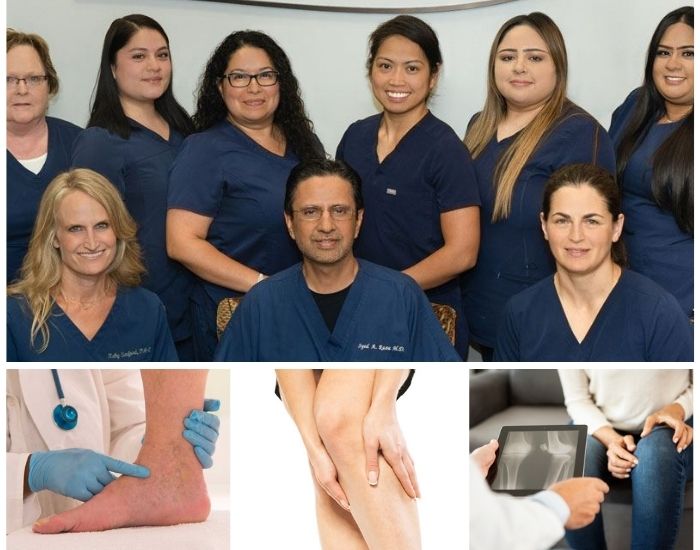
When it comes to treating vascular conditions, unsightly veins are just the tip of the iceberg. Our board-certified doctors know how to spot and treat the underlying cause of your symptoms. From varicose veins to peripheral arterial disease, you can count on our skilled team to utilize the latest advances in vascular treatments to provide you with lasting results.

Book an Appointment
Active couple enjoying life after vein treatment More
Life in
Every Step

Expertise

Your Guide to Understanding Your Vascular Health

Early diagnosis and treatment are essential. You should contact us if you notice any of the following symptoms.

  • Dark blue, swollen, or twisted veins
  • Heaviness, burning, itching, tiredness, or pain in your legs
  • Swelling in your legs, feet, or ankles
  • Aching, pressure, cramps, or throbbing in your legs
  • Fatigue in your legs
Learn More

UNDERSTANDING THE CONDITION

What Are Leg Ulcers?

A leg ulcer is an open wound on the lower leg or foot that fails to heal within the normal timeframe — typically four to six weeks. Ulcers form when insufficient oxygen and nutrients reach the affected tissue, causing skin cells in the area to break down and die faster than the body can repair them.
Most leg ulcers develop gradually, starting as a patch of discolored or irritated skin before breaking open into a sore. Poor circulation is the underlying theme in nearly every case — whether it is caused by weakened veins, arterial blockage, nerve damage, or fluid buildup that prevents nutrients from reaching the wound bed.
Because so many different circulatory and health issues can trigger a leg ulcer, an accurate diagnosis is the key first step toward a treatment plan that actually closes the wound instead of just covering it up.

KNOW THE SIGNS

Common Symptoms of a Leg Ulcer

Leg ulcers often announce themselves before the skin ever breaks open. Watch for these early and ongoing signs:

Rash or Irritated Skin

Redness or a rash forming around the area, often before a wound is visible.

Dry, Flaky Skin

The skin surrounding the wound becomes noticeably dry and flaky.

Brownish Discoloration

Skin near the ankle or lower leg darkens or takes on a brownish tint.

Foul-Smelling Drainage

Fluid that oozes from the wound and carries an unpleasant odor.

Tight, Hot, Shiny Skin

Surrounding skin feels tight, warm to the touch, and appears shiny or discolored.

A Wound That Won’t Close

A sore that lingers for weeks past the point a normal wound should have healed.

Warning Signs of Infection

If any of the following develop, the ulcer may be infected and needs prompt medical attention:

WHO IS AT RISK

Leg Ulcer Risk Factors

Many factors can raise the risk of developing a non-healing leg wound, including:

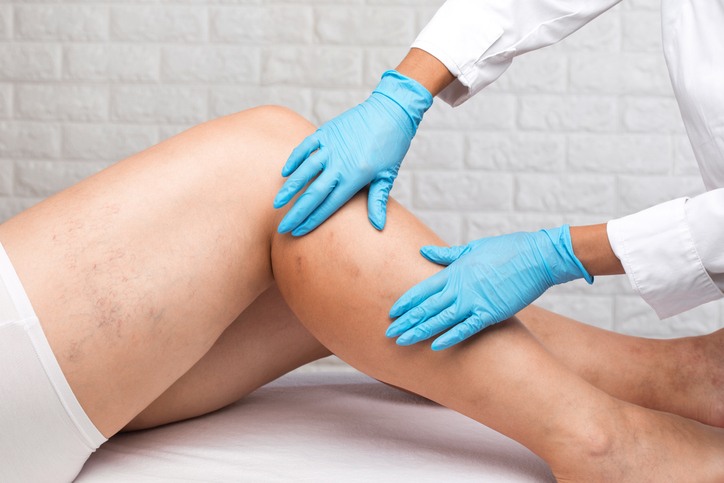
Varicose Veins

Weakened, bulging veins are one of the most common contributors to poor leg circulation.

Age

Circulation naturally slows and vein valves weaken as we get older.

History of Blood Clots

A prior deep vein thrombosis (DVT) can damage veins and impair blood flow long-term.

Obesity

Extra weight adds pressure on leg veins and slows circulation.

Prolonged Sitting or Standing

Long periods without movement let blood pool in the lower legs.

Smoking

Tobacco use damages blood vessels and slows the body’s natural healing process.
Additional contributing factors include pregnancy, blockage of the lymph vessels, a family history of vein or circulation problems, burns or fractured limbs, gender, and even height.

QUESTIONS PATIENTS ASK

Understanding Your Wound

Why Won’t My Leg Wound Heal?

Most non-healing wounds stall because the tissue around them is not receiving enough oxygen and nutrients. Fluid buildup, poor circulation, and pressure inside the leg veins can all starve the wound bed of what it needs to close, turning an ordinary cut or sore into a chronic ulcer.

Are Leg Ulcers Serious?

Yes. A leg ulcer that is not treated can grow larger, become painful, and is at real risk of becoming infected. An infection that spreads beyond the wound can lead to a more serious, systemic illness. Any wound on the leg that has not started healing within a few weeks should be evaluated.

MANAGING A LEG ULCER

At-Home Care While You Heal

The main goal of treatment is lowering the high pressure that builds up in the lower legs. Alongside a physician-directed plan, these steps can support healing:

Compression Bandages or Socks

Graduated compression improves circulation and stops blood from pooling in the lower leg, which lowers the pressure driving the ulcer.

Elevate the Leg

Raise the affected leg above heart level for about 30 minutes, three to four times a day, to help fluid drain and reduce swelling.

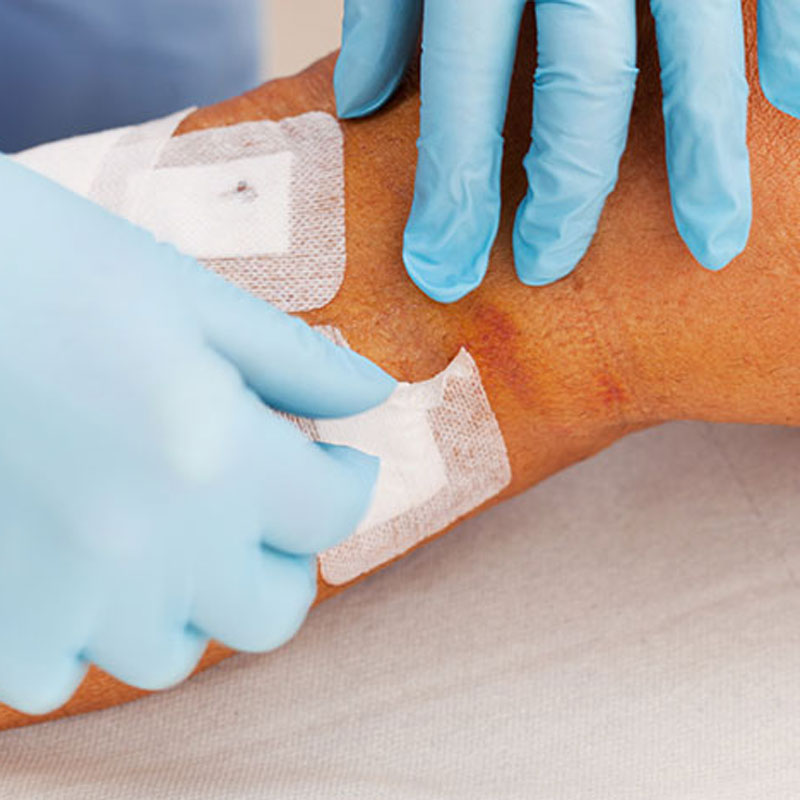
Proper Wound Bandaging

Keeping the wound cleaned and correctly bandaged — with antibiotics if infection is present — protects it while it heals.

BEYOND HOME CARE

In-Depth Treatment Options

When home care alone is not enough — or when varicose veins are found to be the underlying cause — we offer several minimally invasive procedures to relieve the pressure keeping your wound open:

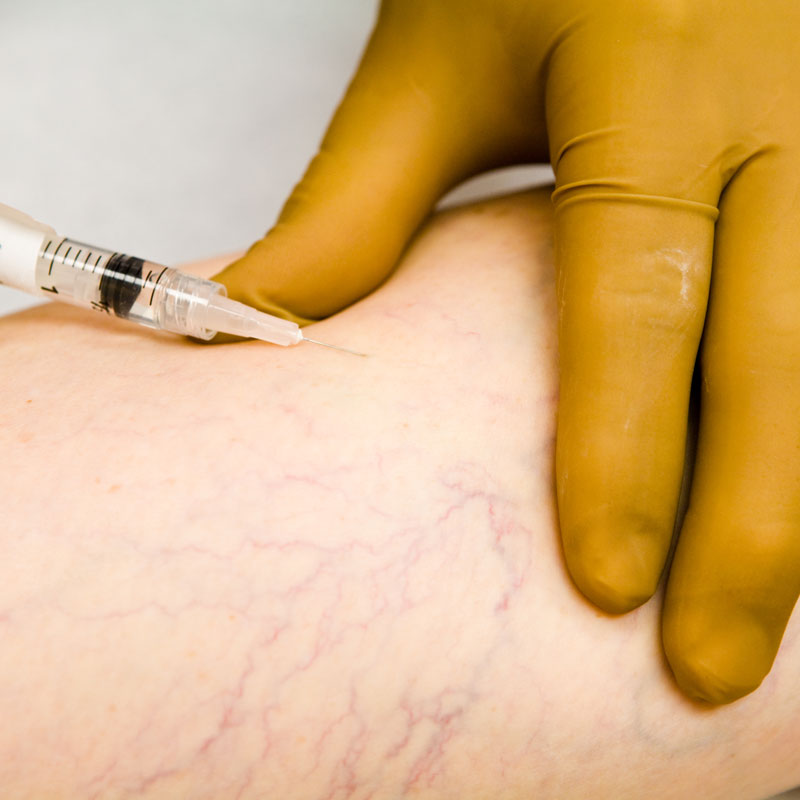
Sclerotherapy

A solution is injected into the problem vein, causing it to close and reroute blood flow — often used when varicose veins are driving the ulcer.

Endovenous Ablation

Heat energy seals off a diseased vein from the inside, relieving the pressure that is preventing the wound from healing.

Ambulatory Phlebectomy

A minimally invasive procedure that removes surface varicose veins through tiny incisions, often performed alongside other vein treatments.

Watch Closely for Signs of Infection

Because a leg ulcer is an open wound, it is vulnerable to infection. Seek prompt medical care if you notice increasing redness, swelling, fever, pus or thick discharge, or worsening pain around the ulcer. Left untreated, an infected wound can spread and cause a more serious, systemic illness.

MAKING CARE ACCESSIBLE

Insurance Coverage for Leg Ulcer Treatment

Because leg ulcers are a medical condition and not a cosmetic concern, evaluation and treatment are typically covered by most major insurance plans, including Medicare. Our team will help verify your benefits before treatment begins.
Board-certified vein and vascular specialist at Premier Vein & Vascular Center in Houston, TX

Meet Your Specialist

Meet Your Houston Vein Specialist

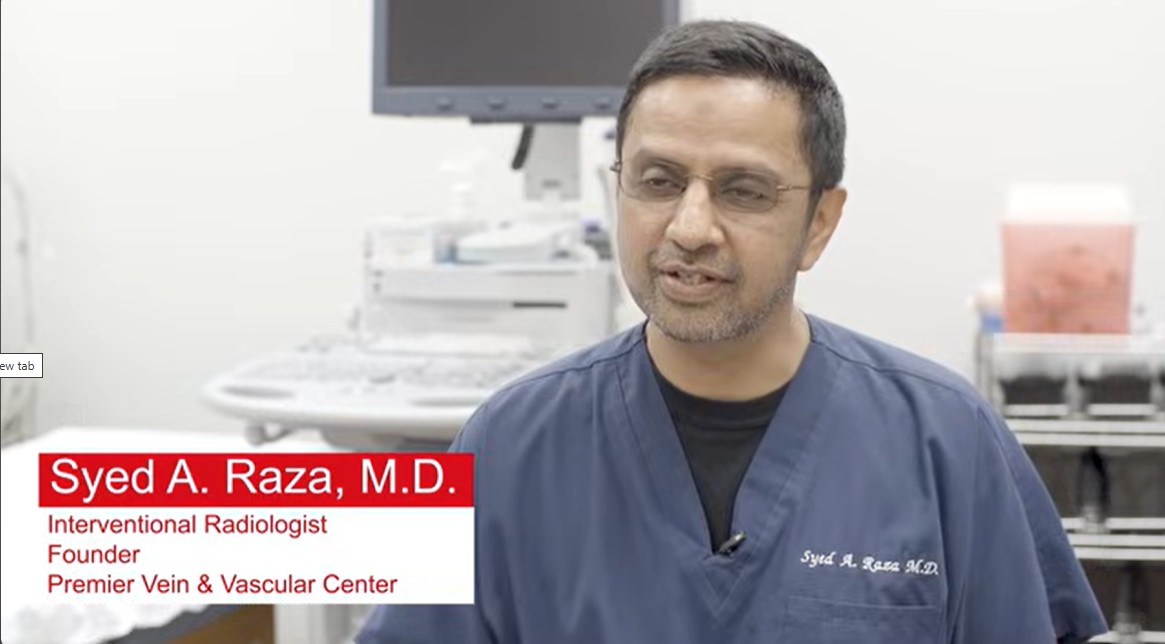
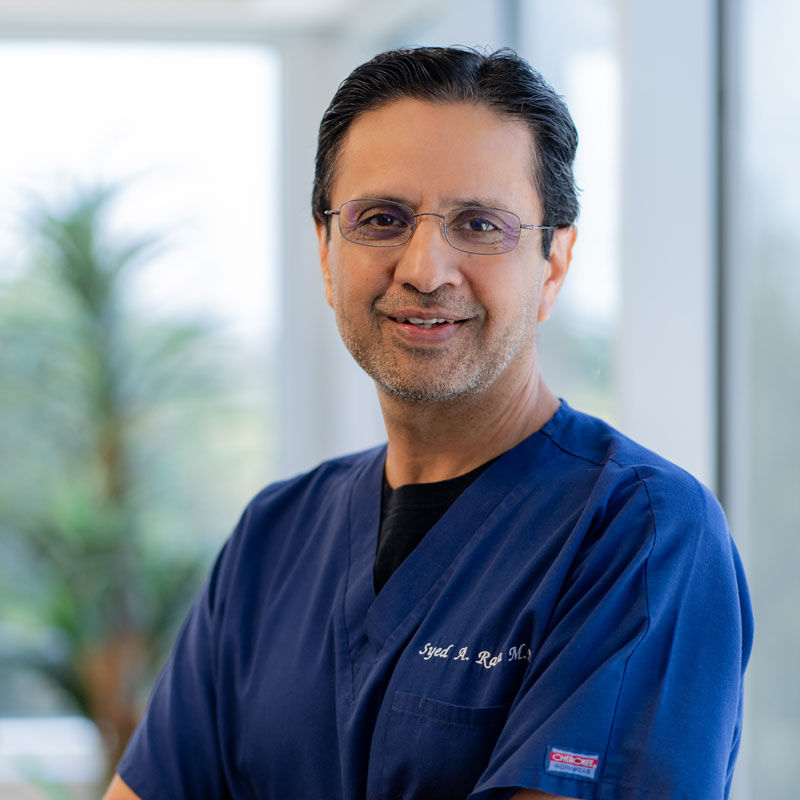
Syed Raza, MD

Board-Certified Interventional Radiologist & Vein Specialist

Dr. Syed A. Raza is a fellowship-trained interventional radiologist certified by the American Board of Radiology. He has extensive experience in image-guided and minimally invasive vascular procedures, including evaluation and treatment of venous disease.

His background includes academic and hospital leadership roles in interventional radiology. His expertise allows Premier Vein & Vascular Center to combine diagnostic imaging with minimally invasive treatment planning for patients with varicose veins, leg ulcers, and other vascular and wound-care conditions.

YOUR NEXT STEP

When Should I See a Specialist?

Schedule an evaluation if you notice any of the following:

Serving Greater Houston

Serving West Houston, Katy & Surrounding Communities

Premier Vein & Vascular Center is located at 19255 Park Row Dr, Suite 201, Houston, TX 77084.

Communities We Serve

FREQUENTLY ASKED QUESTIONS

Leg Ulcer FAQs

How long does a normal wound take to heal?

Most minor wounds heal within two to four weeks. If a wound on the leg is still open after four to six weeks, it is considered an ulcer and should be evaluated.

What causes a leg ulcer?

Leg ulcers form when tissue is not receiving enough oxygen and nutrients to heal, most often due to poor circulation. Varicose veins, chronic venous insufficiency, blood clots, diabetes, obesity, and prolonged sitting or standing are common contributing factors.

Are leg ulcers the same as venous ulcers?

Not always. A venous ulcer is a leg ulcer specifically caused by vein problems such as chronic venous insufficiency. Leg ulcers can also result from arterial disease, diabetes, pressure, or other causes, so an evaluation is needed to identify the specific cause.

Can I treat a leg ulcer at home?

Compression bandages or socks, leg elevation, and proper wound bandaging can support healing, but a wound that is not closing needs a medical evaluation to identify and treat the underlying cause.

How do I know if my leg ulcer is infected?

Watch for increasing redness, swelling, fever, pus or foul-smelling discharge, and worsening pain around the wound. These signs call for prompt medical attention.

Is a leg ulcer dangerous if left untreated?

Yes. An untreated leg ulcer can grow larger, become more painful, and risks infection that can spread and cause more serious, systemic illness.

Will I need surgery for a leg ulcer?

Not always. Many ulcers improve with compression therapy, elevation, and proper wound care. When varicose veins are the underlying cause, minimally invasive procedures such as sclerotherapy, endovenous ablation, or ambulatory phlebectomy may be recommended.

Does insurance cover leg ulcer treatment?

Yes, in most cases. Because leg ulcers are a medical condition, evaluation and treatment are typically covered by major insurance plans, including Medicare.

Who is most at risk for leg ulcers?

Risk increases with age, a history of varicose veins or blood clots, obesity, smoking, pregnancy, and jobs that involve long periods of standing or sitting.

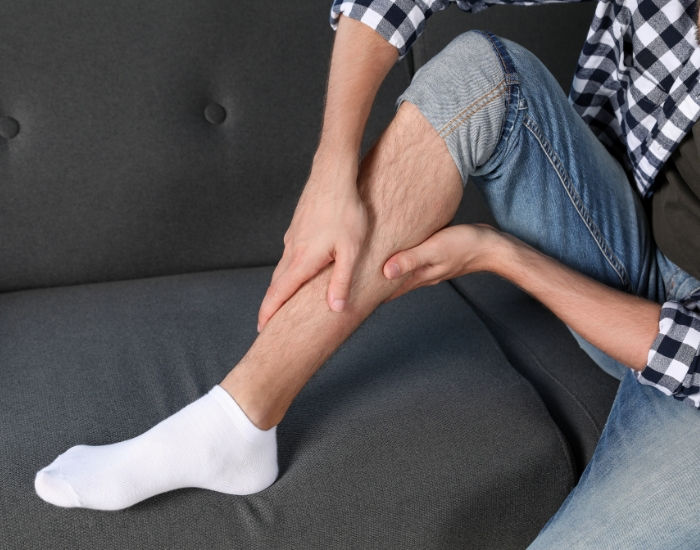
Don’t Let a Leg Wound Linger

Every week a leg ulcer stays open is a week it can worsen or become infected. Our vein and vascular specialists will identify what is keeping your wound from healing and build a plan to close it.
Premier Vein & Vascular Center  |  Houston, TX  |  (713) 999-4300
This information is provided for general educational purposes only and is not a substitute for professional medical advice, diagnosis, or treatment. Always consult a qualified physician regarding any non-healing wound or medical condition.