What is chronic venous insufficiency (CVI)?
CVI is a condition where the valves inside leg veins no longer close properly, allowing blood to flow backward and pool in the lower legs. This raises pressure inside the veins and can cause swelling, aching and, over time, skin changes.
What causes venous insufficiency?
Venous insufficiency develops when vein valves weaken or become damaged, often due to genetics, age, pregnancy, obesity, prolonged standing or sitting, or a prior blood clot.
What are the early signs of venous insufficiency?
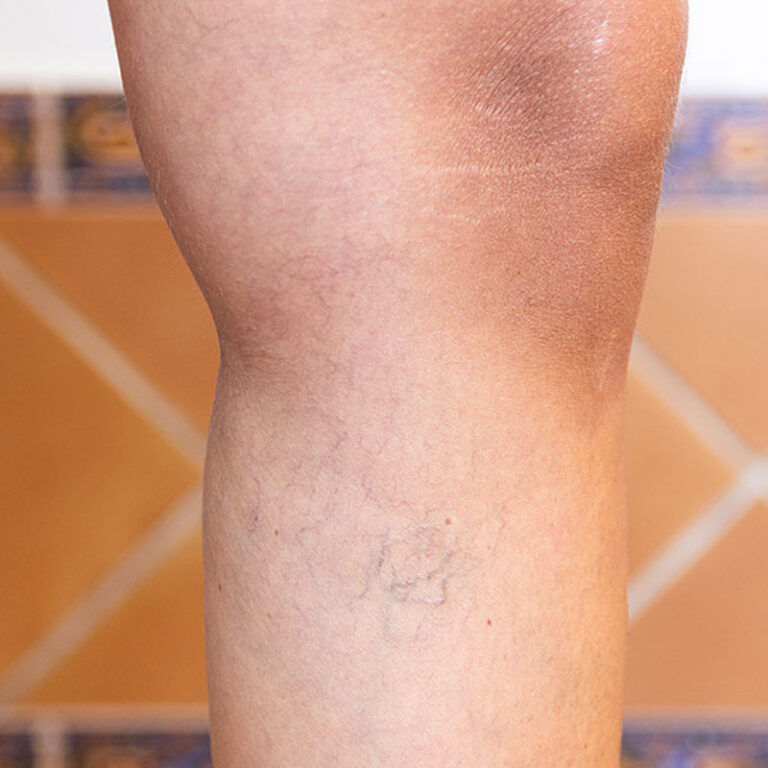
Early signs include leg swelling, aching or heaviness after standing, nighttime leg cramps, itchy skin and visible varicose veins.
Can venous insufficiency cause leg ulcers?
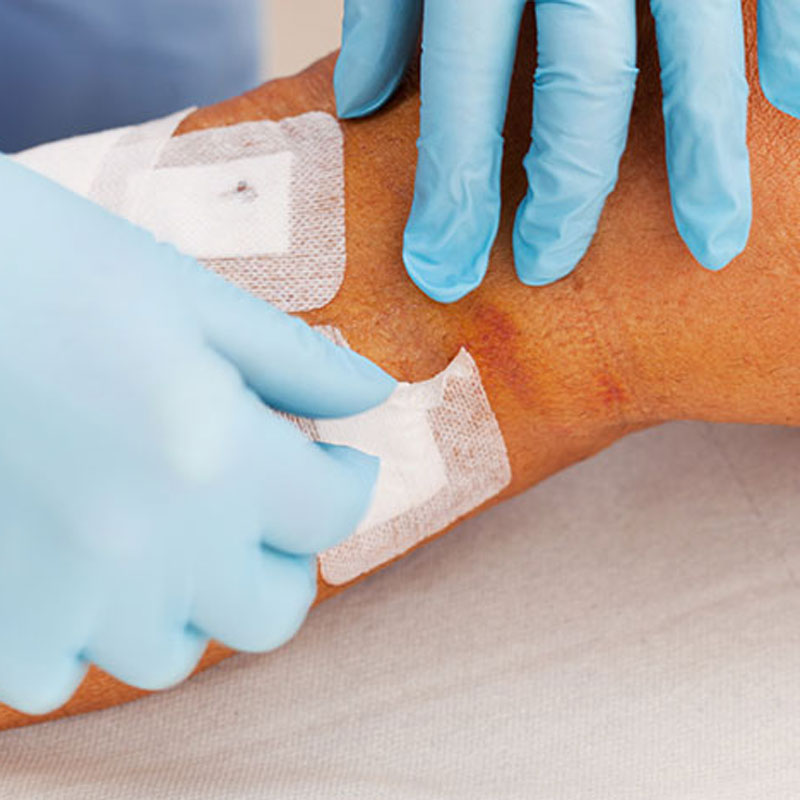
Yes. If left untreated, the chronic pressure caused by CVI can lead to skin thickening and, eventually, open leg ulcers or venous ulcers near the ankle.
How is venous insufficiency diagnosed?
Diagnosis typically includes a physical exam, a complete medical history, and a duplex ultrasound to evaluate how blood is flowing through the leg veins and whether valves are functioning properly.
What is the first-line treatment for venous insufficiency?
Prescription-grade compression stockings are often the first, non-invasive treatment recommended, especially for milder symptoms.
What procedures treat venous insufficiency permanently?
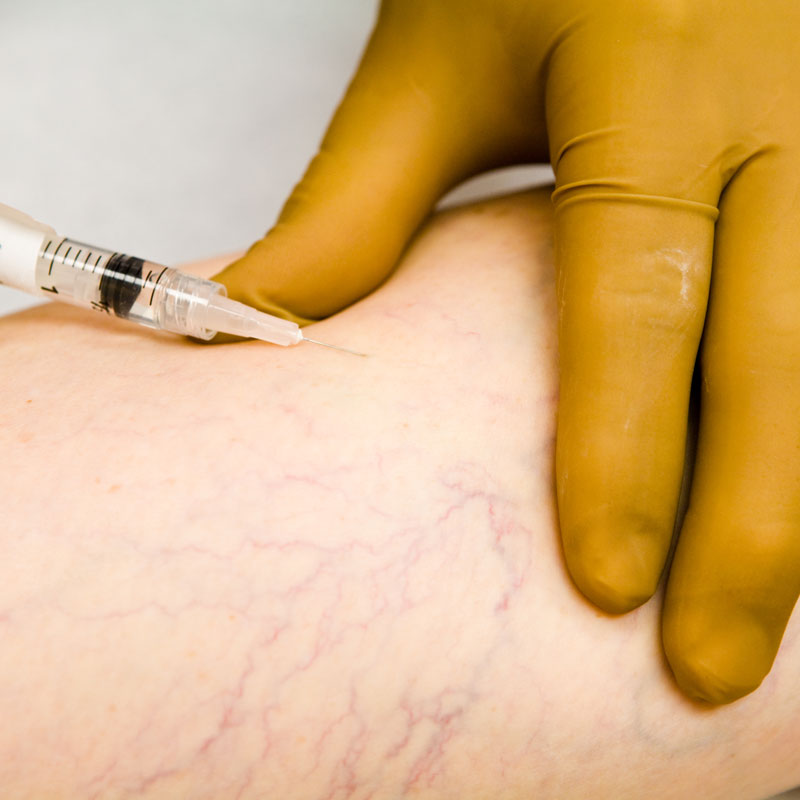
Endovenous ablation, sclerotherapy and ambulatory phlebectomy are common minimally invasive procedures used to close or remove the malfunctioning vein causing reflux.
Is venous insufficiency treatment painful?
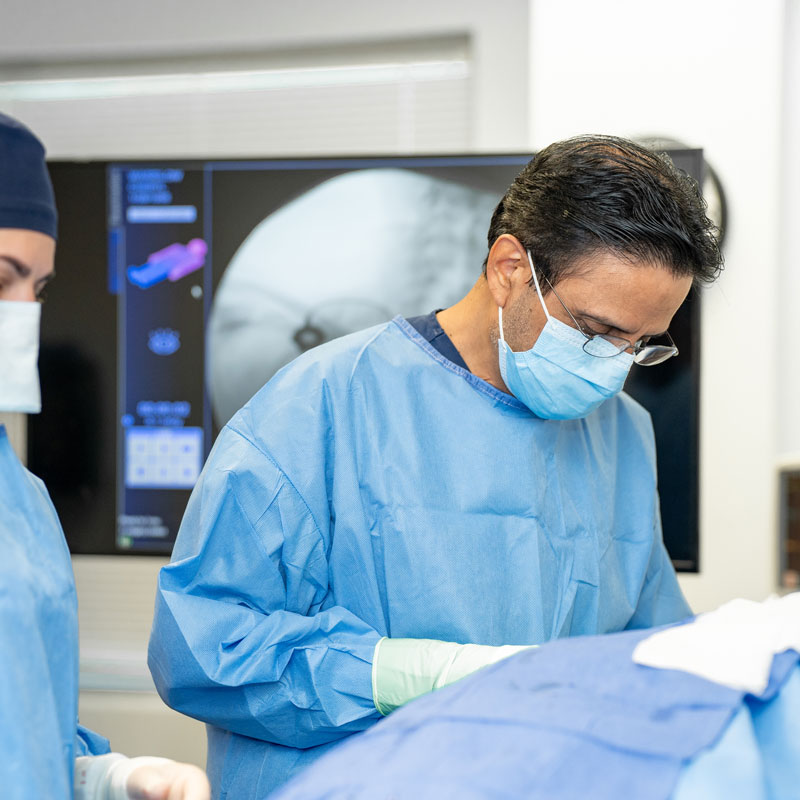
Most treatments are performed in-office under local anesthesia and are described as mildly uncomfortable rather than painful, with most patients resuming normal activity the same day.
Is venous insufficiency treatment covered by insurance?
When medically necessary and documented by ultrasound, treatment is often covered by insurance, unlike purely cosmetic vein procedures.
Is venous insufficiency related to varicose veins or spider veins?
Yes. Varicose veins and spider veins are often visible signs of underlying venous insufficiency, and treating the source vein can improve symptoms tied to both.