What is venous access?
Venous access refers to procedures that place a catheter, such as a CVAC, PICC line, or port-a-cath, into a major vein so your care team can draw blood or deliver medications, fluids, or nutrition without repeated needle sticks.
What is the difference between a CVAC, PICC line, and port-a-cath?
A CVAC is a tube placed beneath the skin into a major vein, typically in the chest. A PICC line is inserted into a vein in the upper arm and threaded into a larger chest vein. A port-a-cath has a reservoir implanted under the skin with no tube visible outside the body.
Is the venous access procedure painful?
The area is numbed before placement, and most patients feel only slight pressure or discomfort during the procedure. Mild soreness at the site afterward is common and typically resolves within a day or two.
How long can a venous access device stay in place?
CVACs, PICC lines, and port-a-caths are designed for longer-term use and can remain in place for weeks to months, depending on your treatment plan and your doctor’s recommendations.
How is a venous access device maintained?
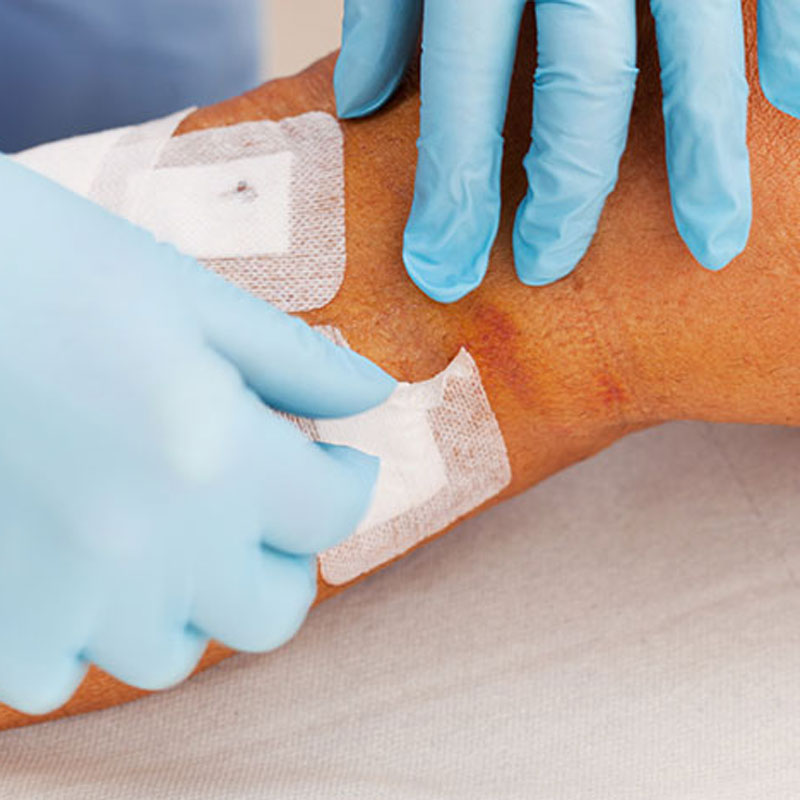
Your care team will provide instructions for keeping the site clean, changing dressings, and flushing the catheter as needed to keep it working properly and reduce the risk of infection.
Who typically needs venous access?
Patients undergoing chemotherapy, dialysis, extended antibiotic or antifungal therapy, frequent iron infusions or blood transfusions, or long-term nutritional support often benefit from venous access.
Is venous access placement covered by insurance?
Most major insurance plans cover venous access procedures when ordered by your treating physician. Our team can help verify your specific benefits before your appointment.
Who performs the venous access procedure?
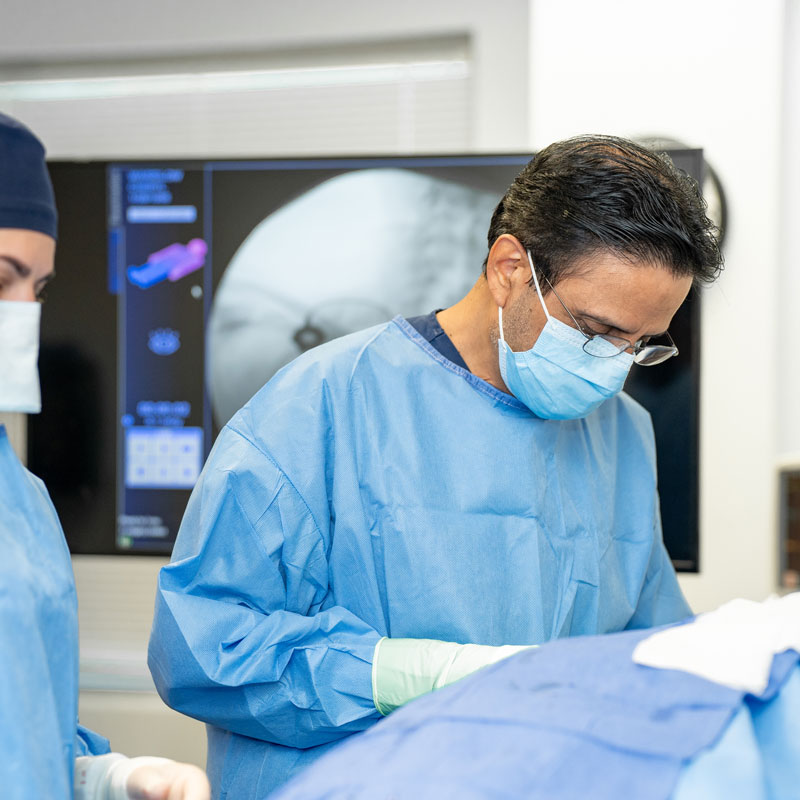
Your CVAC, PICC line, or port-a-cath is placed by a board-certified interventional radiologist using image guidance for precise, minimally invasive placement.