
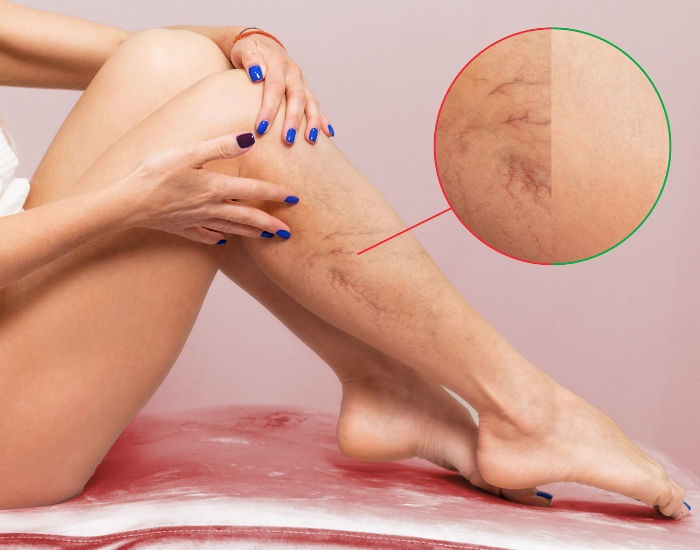
Have you ever ended the day with aching and heavy legs, making even simple tasks like walking or climbing stairs uncomfortable? While occasional leg fatigue is normal, persistent heaviness and pain can be an early symptom of varicose veins. Varicose veins are swollen, twisted veins that usually appear on the legs and can affect circulation and vein valve function.
Quick Answer: Aching and heavy legs that build through the day, feel worse after standing or sitting and ease when you raise your legs are a classic sign of vein reflux, the valve failure behind varicose veins and chronic venous insufficiency. Blood pools in the lower legs, raising pressure and stretching the vein walls, which causes that dull, tired heaviness. Walking, leg elevation and compression help, but a duplex ultrasound is the way to confirm the cause, and closing the leaking vein in the office usually brings the most lasting relief.
Understanding the causes, risk factors, and ways to manage aching and heavy legs is important for maintaining vein health and preventing complications. This article explores why these symptoms occur, what signs to watch for, and practical strategies to relieve discomfort.

Meet your vein specialist
Dr. Syed Raza, MD
Vascular & Interventional Radiology · Founder, Premier Vein & Vascular Center
Fellowship-trained interventional radiologist certified by the American Board of Radiology and the Royal College of Radiologists (UK). Former Chief of Interventional Radiology at UTMB Galveston and Memorial Hermann Memorial City, with 15+ years treating varicose veins, venous reflux and peripheral arterial disease.
1. What Are Varicose Veins?
Varicose veins are swollen, twisted veins most commonly found in the legs. They occur when the valves inside the veins fail to work properly, causing blood to pool and increasing pressure within the veins. This dysfunction can lead to discomfort, visible bulging veins, and a sensation of heaviness in the legs.
In addition to being a cosmetic concern, varicose veins can affect overall circulation in the lower extremities. When blood flow is impaired, the legs may feel fatigued, achy, or heavy, especially after prolonged standing or sitting. Understanding this underlying cause helps explain why some people develop persistent leg discomfort.
2. Why Aching and Heavy Legs Occur
Aching and heavy legs often result from poor blood flow and vein valve failure. Chronic venous insufficiency, a condition where vein valves do not function properly, causes blood to pool in the lower legs, leading to increased pressure, swelling, and pain. Venous reflux, or backward blood flow, can also contribute to discomfort and fatigue.
Symptoms tend to worsen after long periods of standing or sitting, as the veins have to work harder to return blood to the heart. This is why many people notice increased heaviness and aching in the evening. Other contributing factors, such as obesity, hormonal changes, or a sedentary lifestyle, can amplify these sensations.
3. Risk Factors for Varicose Vein Symptoms
Several factors can increase your risk of developing aching and heavy legs from varicose veins. As you age, your vein valves naturally weaken, making you more susceptible. Genetics and family history also play a role, since varicose veins often run in families. Women face a higher risk due to hormonal changes during pregnancy, menopause, or while taking birth control, which can weaken vein walls. Carrying excess weight or being obese adds pressure on leg veins, and a sedentary lifestyle—or jobs that require long periods of standing or sitting—can slow blood flow. Knowing these risk factors allows you to take preventive steps and recognize symptoms early, helping you maintain healthier legs.
4. Symptoms to Watch For
Along with aching and heaviness, varicose veins can cause a variety of other symptoms:
- Aching or throbbing sensations in the legs
- Heaviness or fatigue in the lower extremities
- Swelling in the ankles or calves
- Visible bulging, twisted veins
- Tingling, burning, or itching sensations
- Skin changes, including discoloration, dryness, or ulcers in severe cases
These symptoms often worsen toward the end of the day or after prolonged standing or sitting. Elevating the legs can provide temporary relief and reduce swelling. Paying attention to these symptoms can help determine whether a vein specialist or medical evaluation is necessary.
5. How Varicose Veins Are Diagnosed
If aching and heavy legs persist, a vein specialist will perform a thorough evaluation. They begin by reviewing your medical history and conducting a physical examination to understand your symptoms, lifestyle, and any relevant risk factors.
The specialist often uses diagnostic tests, such as Doppler or duplex ultrasound, to check vein valve function and blood flow in your legs. If needed, they may order additional tests to rule out circulation, nerve, or muscle issues. Getting an early diagnosis helps prevent the condition from worsening, relieves symptoms, and reduces the risk of complications such as skin ulcers or advanced vein problems.
6. Ways to Manage & Relieve Aching and Heavy Legs
Managing aching and heavy legs often requires a combination of lifestyle changes and medical treatments. Regular physical activity, including walking, stretching, and leg exercises, improves circulation and strengthens the muscles supporting vein function. Avoiding prolonged sitting or standing and taking breaks to move helps reduce blood pooling in the legs. Elevating the legs when resting can also alleviate pressure and swelling.
Compression therapy, such as wearing compression stockings, supports vein function and enhances circulation. Proper hydration, a balanced diet, and maintaining a healthy weight further promote leg and vein health. For severe varicose veins, minimally invasive procedures like endovenous ablation or sclerotherapy may be recommended to restore proper blood flow and relieve symptoms.
7. When to Consult a Vein Specialist
It’s important to consult a vein specialist if aching and heavy legs persist. Symptoms that warrant evaluation include pain, swelling, visible varicose veins, skin changes, or reduced mobility. Seeking professional guidance from Premier Vein & Vascular Center ensures a thorough assessment and access to treatment options tailored to your needs. Early intervention can prevent complications, relieve discomfort, and improve quality of life.
8. Final Thoughts
Aching and heavy legs are often early indicators of varicose veins. Recognizing the symptoms, addressing risk factors, and implementing lifestyle adjustments can significantly improve leg comfort and circulation. Professional evaluation and treatment are essential to manage vein health effectively and prevent long-term complications.
If you experience aching and heavy legs, contact Premier Vein & Vascular Center today for a comprehensive evaluation. Our expert team can assess your vein health, recommend appropriate treatments, and help you regain comfort, mobility, and confidence in your legs.
Is Your Leg Heaviness From Veins, Arteries or Something Else?
Heavy, aching legs are not always caused by veins. Arteries, nerves, muscles, the lymphatic system and some medical conditions can all produce similar complaints. The pattern of the symptoms is usually the best clue, and it is one of the first things we ask about.
| Possible cause | How it typically feels | What makes it better or worse |
|---|---|---|
| Vein reflux (varicose veins, CVI) | Dull ache, heaviness, throbbing; ankle swelling by evening | Worse after standing or sitting; better with walking, elevation and compression |
| Peripheral arterial disease | Cramping pain in the calf, thigh or buttock while walking | Comes on with walking a certain distance and eases within minutes of rest |
| Lymphedema | Firm swelling that may include the foot and toes | Swelling may not fully go down overnight |
| Lipedema | Tender, heavy legs with symmetrical fat buildup that spares the feet | Bruises easily; not much improved by elevation |
| Heart, kidney or medication-related swelling | Swelling in both legs, sometimes with breathlessness | Often linked to a new medicine or a change in another condition |
| Nerve problems or restless legs | Burning, tingling, numbness or an urge to move | Often worse at rest or at night |
It is also common for more than one of these to be present at the same time, especially in older adults. For example, a person may have both vein reflux and peripheral arterial disease, which changes how safe compression is and which problem should be treated first.
A simple self-check
Ask yourself three questions. Do my legs feel heaviest in the late afternoon or evening rather than first thing in the morning? Do they feel better within 15 to 20 minutes of lying down with my feet up? Do I have sock marks, ankle swelling or visible veins by the end of the day? If the answer to all three is yes, veins are a likely contributor and an evaluation is worthwhile.
A Daily Routine That Eases Heavy Legs
The general tips above work best when they become a habit. This is a simple routine many of our patients find practical, even on busy workdays:
- Morning: put on compression stockings before getting out of bed, while swelling is at its lowest
- Every 30 to 60 minutes: stand up and walk for two to three minutes, or do 15 to 20 calf raises at your desk or counter
- Seated: do ankle pumps, pointing the toes up and down, 10 times every half hour to activate the calf muscle pump
- After work: a 20 to 30 minute walk, bike ride or swim to strengthen the calf muscles
- Evening: lie down with your legs raised above heart level for 15 to 20 minutes
- Hot weather: stay hydrated and finish a shower with cool water on the legs, since heat widens the veins
If you follow these steps consistently and still feel heaviness most days, it suggests the veins themselves need attention.
It also helps to keep a short symptom diary for a week or two before your visit. Note when the heaviness starts, how long you were standing or sitting, whether your ankles swelled and what helped. That record makes it much easier to connect your symptoms with what the ultrasound shows.
Call 911 or seek emergency care if you notice:
- Sudden swelling, pain and warmth in one leg, which may be a deep vein thrombosis
- Chest pain, sudden shortness of breath or coughing up blood
- A leg or foot that becomes cold, pale, numb or very painful
- Spreading redness, warmth and fever in the lower leg
- Bleeding from a varicose vein that does not stop with firm pressure and elevation
How We Evaluate Aching and Heavy Legs
At Premier Vein and Vascular Center, the aim of the first visit is to pin down the real cause of the heaviness rather than assume it is the veins.
- Focused history. We ask when the symptoms occur, what makes them better or worse, how long you stand or sit each day, pregnancies, prior clots, medications and other conditions such as diabetes or heart disease.
- Examination. We examine your legs standing and lying down, look for visible veins, swelling and skin changes, and check the pulses in your feet.
- The right test. A venous duplex ultrasound in our IAC-accredited vascular lab measures reflux and rules out clots. If arterial disease is suspected, an ankle-brachial index compares blood pressure at the ankle and arm.
- A clear plan. We explain what is causing your symptoms and walk you through treatment options, from compression and lifestyle steps to an in-office procedure.
Treatments That Relieve Heavy Legs at the Source
When the ultrasound confirms reflux, treatment focuses on closing the leaking vein so blood reroutes through healthy veins. As the pressure in the lower leg falls, heaviness and aching often improve noticeably within the first few weeks.
- Thermal ablation: radiofrequency ablation or endovenous laser seals the leaking vein from inside using heat
- Non-thermal ablation: a medical adhesive or medicated foam closes the vein without heat and with fewer numbing injections
- Ultrasound-guided foam sclerotherapy: treats smaller branch veins and veins that are too twisted for a catheter
- Ambulatory phlebectomy: removes large surface veins through tiny nicks in the skin
These procedures are done in the office under local anesthesia and usually take less than an hour. Most patients walk out, return to light activity the same day and resume their full routine within a few days. For an overview of options, see our varicose vein treatment page.
What relief typically feels like
Patients often describe the change as their legs feeling lighter at the end of the day, fewer evening cramps and less ankle swelling. Visible veins shrink more gradually over weeks to months. Results vary from person to person, and some people still benefit from compression during long flights or shifts.
Relief for Heavy Legs in Houston
If your legs feel heavy and tired most evenings, and especially if you also notice swelling, skin darkening or visible veins, an evaluation can tell you whether veins are to blame. Houston heat and long commutes often make these symptoms worse. At our vein clinic in Houston, Dr. Syed Raza, a fellowship-trained interventional radiologist with more than 15 years of experience treating venous reflux, leads each evaluation. Most insurance plans, including Medicare, are accepted, and same-week appointments are usually available.
Talk With a Specialist at Premier Vein
Have questions about your symptoms or treatment options? Dr. Syed Raza and the team at Premier Vein & Vascular Center can evaluate your concerns and explain your options clearly. Same-week appointments are usually available, and most insurance plans are accepted.
Frequently Asked Questions
Why do my legs feel heavy at the end of the day?
After hours of standing or sitting, blood and fluid collect in the lower legs. If the vein valves are weak, the pressure builds further, causing a dull, heavy, tired feeling that usually improves when you lie down with your legs raised.
Can heavy legs be a sign of a blood clot?
Gradual heaviness in both legs is more often due to vein reflux. Sudden swelling, pain and warmth in one leg, however, can be a deep vein thrombosis and needs urgent evaluation with an ultrasound.
Do heavy legs always mean varicose veins?
No. Vein reflux can cause heaviness even without visible varicose veins, and other conditions such as arterial disease, lymphedema, lipedema or medication side effects can cause similar symptoms. An ultrasound helps clarify the cause.
What exercise is best for heavy legs?
Walking, cycling and swimming are excellent because they work the calf muscle pump that pushes blood upward. Calf raises and ankle pumps during the workday are also very effective.
Will vein treatment get rid of heavy legs?
When reflux is the cause, closing the leaking vein often improves heaviness and aching within a few weeks. Results vary, and other conditions contributing to symptoms may need separate treatment.
Is heaviness in the legs worse in summer?
Yes, many people notice more heaviness and swelling in hot weather because heat widens the veins. Staying hydrated, cooling the legs and wearing lightweight compression can help.
Can dehydration make my legs feel heavy?
Dehydration can contribute to muscle cramps and fatigue, which some people feel as heavy legs, particularly in hot weather. It does not cause vein reflux, but staying well hydrated supports circulation and comfort.
Trusted Health Resources
- Chronic Venous Insufficiency, Society for Vascular Surgery
- Venous Insufficiency, MedlinePlus Medical Encyclopedia (NIH)
- Varicose Veins and Spider Veins, MedlinePlus (NIH)
This article is for informational purposes only and does not constitute medical advice. Please consult a qualified vein specialist at Premier Vein & Vascular Center for personalized evaluation and treatment.