
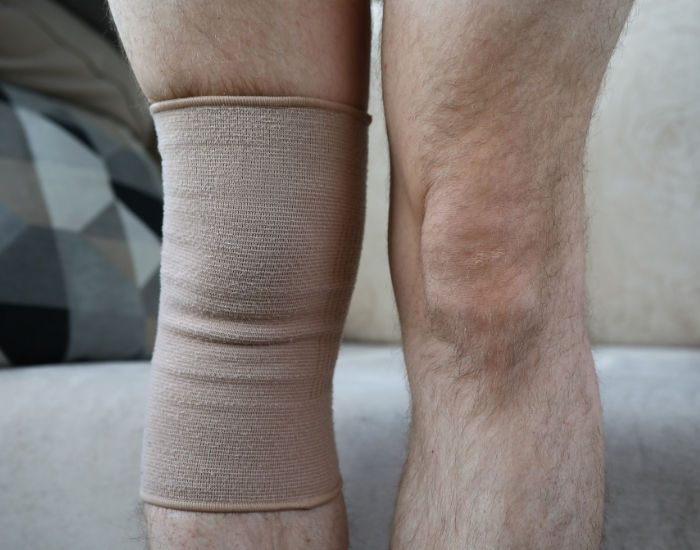
Aching heavy legs are a common complaint among adults and can significantly affect daily comfort and mobility. Many people describe this sensation as tightness, fatigue, or a dull ache that worsens as the day goes on. While occasional leg discomfort may result from overuse or prolonged standing, persistent aching and heaviness in the legs often point to underlying circulation or vein-related issues. Understanding what causes aching heavy legs, how to recognize concerning symptoms, and when to seek medical care can help you take timely steps toward relief and better leg health.
Quick Answer: Aching heavy legs are most often caused by chronic venous insufficiency, where weak vein valves let blood pool in the lower legs and raise pressure, especially after long periods of standing or sitting. The heaviness typically builds through the day and eases with walking or raising the legs. Other causes include peripheral arterial disease, lymphedema, medicines and heart or kidney conditions. A venous duplex ultrasound identifies vein reflux, and treatment ranges from compression and exercise to minimally invasive vein closure.

Meet your vein specialist
Dr. Syed Raza, MD
Vascular & Interventional Radiology · Founder, Premier Vein & Vascular Center
Fellowship-trained interventional radiologist, board certified in diagnostic and interventional radiology with a Certificate of Added Qualification (CAQ) in interventional radiology, and a Fellow of the Royal College of Radiologists (UK). Member of SIR and RSNA. Former Chief of Interventional Radiology at UTMB Galveston and Memorial Hermann Memorial City, with 15+ years treating varicose veins, venous reflux and peripheral arterial disease.
1. What Does It Mean to Have Aching Heavy Legs?
Aching heavy legs describe a sensation of discomfort, pressure, or fatigue that typically affects the lower legs, calves, and ankles. This feeling often intensifies after long periods of standing, sitting, or physical inactivity and may improve temporarily with rest or leg elevation. The heaviness can make legs feel sluggish, tired, or difficult to move, even without intense physical exertion. This sensation is frequently linked to circulation challenges. When blood flow from the legs back to the heart becomes less efficient, pressure can build up in the veins, leading to aching and heaviness. Over time, this may contribute to swelling, skin changes, and increased discomfort if left untreated.
2. Why Do Legs Feel Achy and Heavy?
Aching heavy legs can develop for several reasons, ranging from everyday habits to underlying medical conditions that affect circulation. One of the most common causes is chronic venous insufficiency, a condition in which the valves inside the leg veins weaken and fail to push blood efficiently back toward the heart. As blood pools in the legs, pressure builds up, leading to aching, heaviness, and swelling.
Other factors can also contribute to this uncomfortable sensation. Limited movement from prolonged sitting or standing reduces muscle activity that normally helps support healthy blood flow. Vein-related issues, such as varicose veins, further interfere with circulation and increase pressure in the lower extremities. In addition, hormonal changes, pregnancy, excess body weight, and natural aging may raise the risk of developing heavy, achy legs. While temporary muscle fatigue or dehydration can cause short-term discomfort, persistent symptoms often suggest an underlying vein or vascular concern.
Common causes of aching heavy legs include:
- Chronic venous insufficiency
- Varicose veins
- Prolonged sitting or standing
- Hormonal changes or pregnancy
- Excess weight and aging
- Temporary muscle fatigue or dehydration
3. Signs and Symptoms of Aching Heavy Legs
Symptoms of aching heavy legs can vary from mild discomfort to ongoing pain that interferes with daily activities. In early stages, symptoms may come and go, but they often become more noticeable as the day progresses, particularly after extended periods of standing or sitting.
Many people experience a dull ache, throbbing, or pressure in the legs, along with a sensation of tightness or fullness. Swelling around the ankles or calves is common, and leg fatigue may worsen by evening. Some individuals also notice nighttime cramping, restless legs, or changes in skin appearance, such as dryness or darkening near the ankles. These symptoms may signal circulation problems and should be evaluated if they persist or worsen.
Common symptoms associated with aching heavy legs include:
- Persistent aching or throbbing in the legs
- A feeling of heaviness, tightness, or fullness
- Swelling in the ankles, calves, or lower legs
- Leg fatigue that worsens throughout the day
- Cramping or restless legs, especially at night
- Skin changes near the ankles
4. How Aching Heavy Legs Are Diagnosed
Diagnosing the cause of aching heavy legs begins with a thorough medical history and physical examination. A healthcare provider may ask about symptom duration, daily activities, family history of vein disease, and factors that worsen or relieve discomfort. Diagnostic testing often includes ultrasound imaging to evaluate blood flow and assess vein valve function. This noninvasive test helps determine whether venous insufficiency or other circulation problems are contributing to the symptoms. Identifying the root cause allows for a more targeted and effective treatment plan.
5. Treatment Options for Aching Heavy Legs
Treatment for aching heavy legs depends on the underlying cause and severity of symptoms. Many individuals benefit from conservative measures designed to improve circulation and reduce vein pressure. Compression therapy is commonly recommended, as medical-grade compression stockings help support the veins and encourage proper blood flow.
Lifestyle changes also play a significant role in symptom relief. Regular movement, such as walking, activates the calf muscles that assist circulation. Elevating the legs during rest helps reduce pressure and swelling, while maintaining a healthy weight can lessen strain on the veins. When aching heavy legs are caused by venous insufficiency or varicose veins, specialized vein treatments may be recommended to address the source of the problem and provide lasting relief.
6. When to See a Vein and Vascular Specialist
Aching heavy legs that persist or worsen over time should be evaluated by a vein and vascular specialist. While occasional discomfort may be temporary, ongoing symptoms can signal vein disease that benefits from early intervention. If leg heaviness interferes with daily activities, does not improve with rest, or is accompanied by swelling or skin changes, professional evaluation is important. A specialist can assess circulation health, identify vein-related issues, and recommend appropriate treatment options. Early diagnosis often prevents complications and improves long-term outcomes, helping patients maintain comfort and mobility.
7. Prevention Tips for Reducing Leg Heaviness
Although not all causes of aching heavy legs can be prevented, certain habits may help reduce symptoms and support healthy circulation. Taking regular breaks to walk during long periods of sitting or standing encourages blood flow and reduces pressure in the legs. Elevating the legs when resting allows blood to return more easily to the heart, easing heaviness. Staying hydrated, wearing supportive footwear, and maintaining an active lifestyle can further promote circulation. Consistent daily habits can make a meaningful difference in managing leg discomfort and preventing symptoms from progressing.
Aching Heavy Legs: Vein Problem or Something Else?
Heaviness from vein disease has a typical rhythm: legs feel fine in the morning, become tired, achy and full as the day goes on, and improve with walking or putting the feet up. When the pattern is different, other causes deserve a look. Telling them apart is one of the most useful things a specialist visit does.
| Possible cause | Typical pattern | Helpful clues | Usual first test |
|---|---|---|---|
| Chronic venous insufficiency | Heaviness and aching that build through the day, ease with elevation | Varicose veins, ankle swelling, night cramps, skin darkening | Venous duplex ultrasound |
| Peripheral arterial disease | Cramping in the calf, thigh or buttock after walking a set distance, eased by standing still | Cool feet, weak pulses, smoking or diabetes history | Ankle-brachial index |
| Lymphedema | Persistent swelling that includes the foot and toes, slow to improve overnight | Past surgery, radiation or infection; thickened skin | Clinical exam; specialized imaging if needed |
| Lipedema | Symmetrical, tender fullness of the legs sparing the feet | Mostly women; bruises easily; family history | Clinical exam |
| Heart, kidney, liver or thyroid conditions, or medicines | Swelling in both legs, sometimes with breathlessness or weight gain | Some blood pressure tablets and other drugs can cause ankle swelling | Blood tests and review by your primary care doctor |
| Spinal stenosis | Heaviness or aching in both legs when standing or walking, eased by sitting or bending forward | Back pain, numbness or tingling | Spine evaluation |
More than one cause can be present at once. For example, many people with vein reflux also have some arterial narrowing, which affects how much compression is safe. If walking brings on calf pain that stops when you rest, our peripheral arterial disease page explains that condition.
How We Evaluate Aching Heavy Legs
- Focused history. We ask when the heaviness starts, what makes it better or worse, whether walking causes calf pain, and about swelling, cramps, restless legs, previous clots, pregnancies, medicines and family history.
- Examination. We examine both legs standing and lying down, check for varicose veins, swelling and skin changes at the ankle, and feel the foot pulses.
- The right test. A venous duplex ultrasound in our in-office vascular lab measures reflux in each vein. If the pattern or exam suggests arterial disease, we add an ankle-brachial index.
- A clear plan. We explain what is causing your symptoms, whether vein treatment would help, and when another specialist, such as your primary care doctor, should look at other causes.
Vein Treatments That Relieve Heavy, Aching Legs
When an ultrasound shows reflux is driving the symptoms, closing the faulty vein usually brings the most lasting relief, because it removes the pressure that causes the heaviness. The main options are office procedures done under local anesthesia, and most patients walk out and return to normal routines within a day or two:
- Radiofrequency ablation or laser ablation to seal a refluxing saphenous vein from the inside
- Non-thermal ablation, which closes the vein without heat and often without multiple numbing injections
- Foam sclerotherapy, including Varithena, for twisting branches and smaller refluxing veins
- Ambulatory phlebectomy to remove bulging varicose veins through tiny nicks
Many patients tell us the change they notice first is not the look of the leg but how it feels at the end of the day: lighter, less swollen and less tired.
Why Heavy Legs Often Feel Worse in Hot Weather
Heat makes veins widen as the body tries to release warmth through the skin. Wider veins hold more blood, and in legs with leaky valves that means more pooling and more heaviness. That is why many people with vein disease find their symptoms worst in the summer months, after a hot shower or in a sauna. In a climate like ours in Houston, a few simple habits help: take cool showers or rinse your legs with cool water at the end of the day, stay well hydrated, walk early in the morning or in air-conditioned spaces, and choose lighter-weight compression stockings that are more comfortable in the heat.
Seek urgent medical care if you have:
- Sudden swelling, pain and warmth in one leg
- Chest pain, sudden shortness of breath or coughing up blood
- Swelling in both legs with new breathlessness, especially when lying flat
- A cold, pale or numb foot, or severe leg pain at rest
- Bleeding from a varicose vein that does not stop with firm pressure and elevation
When to See a Vein Specialist in Houston for Heavy Legs
If your legs feel heavy and achy most evenings, swell by the end of the day, or come with varicose veins, night cramps or skin changes near the ankles, a vein evaluation can show whether reflux is the cause. Dr. Syed Raza is a fellowship-trained interventional radiologist with more than 15 years of experience treating venous insufficiency and PAD. If you are looking for a vein specialist in Houston or Katy, learn more about venous insufficiency treatment or call (832) 321-5355. Same-week appointments are usually available, and most insurance plans, including Medicare, are accepted.
Talk With a Specialist at Premier Vein
Have questions about your symptoms or treatment options? Dr. Syed Raza and the team at Premier Vein & Vascular Center can evaluate your concerns and explain your options clearly. Same-week appointments are usually available, and most insurance plans are accepted.
8. Frequently Asked Questions
What causes aching heavy legs at the end of the day?
Aching heavy legs at night are often caused by blood pooling in the legs due to prolonged standing, sitting, or venous insufficiency.
Are aching heavy legs a sign of poor circulation?
Yes, persistent aching and heaviness can indicate circulation issues, particularly problems with the veins.
Do compression stockings help aching heavy legs?
Compression stockings help support vein function and are commonly used to relieve heaviness and aching.
Can varicose veins cause aching heavy legs?
Yes, varicose veins frequently contribute to aching, heaviness, and swelling in the legs.
When should I worry about aching heavy legs?
If symptoms persist, worsen, or affect daily activities, a medical evaluation is recommended.
9. Final Thoughts
Aching heavy legs are a common but often overlooked symptom that can signal underlying circulation or vein issues. Recognizing the causes, monitoring symptoms, and seeking timely care can help prevent complications and improve comfort. With proper evaluation and treatment, many individuals experience significant relief and better leg health.
If you are experiencing ongoing aching heavy legs, the experienced team at Premier Vein & Vascular Center can help evaluate your symptoms and recommend appropriate treatment options to support healthier circulation and lasting relief.
Can heavy legs be a sign of a heart problem?
Sometimes. Swelling and heaviness in both legs, particularly with breathlessness, tiredness or weight gain, can be caused by heart failure or kidney or liver problems. These symptoms should be checked by your primary care doctor promptly.
Is walking good for heavy legs?
Yes. Walking activates the calf muscle pump, which pushes blood out of the leg veins and lowers pressure in the lower legs. Short, regular walks through the day are usually more helpful than one long walk followed by hours of sitting.
Can medications cause heavy, swollen legs?
Yes. Some blood pressure medicines, particularly certain calcium channel blockers, as well as some diabetes, hormone and anti-inflammatory medicines, can cause ankle swelling. Do not stop any medicine on your own; ask your doctor whether it could be contributing.
How soon do heavy legs improve after vein treatment?
Many patients notice their legs feel lighter within a few weeks after a refluxing vein is closed, with continued improvement over the following months. How quickly symptoms ease depends on how many veins are treated and how long the problem has been present.
Are heavy legs and restless legs related?
They can be. Some people with vein reflux experience restless, uncomfortable sensations in the legs at night along with heaviness. When restless legs are linked to vein disease, treating the veins may help, although restless legs syndrome also has other causes.
Why do my legs feel heavy when I wake up?
Vein-related heaviness usually improves overnight because lying flat helps blood drain from the legs. Legs that feel heavy first thing in the morning may point to another cause, such as lymphedema, a medication side effect or a medical condition, and should be evaluated.
Trusted Health Resources
- Chronic Venous Insufficiency, Society for Vascular Surgery
- Venous Insufficiency, MedlinePlus Medical Encyclopedia (NIH)
- Varicose Veins and Spider Veins, MedlinePlus (NIH)
Medical Disclaimer: This content is for informational purposes only and does not replace professional medical advice, diagnosis,