
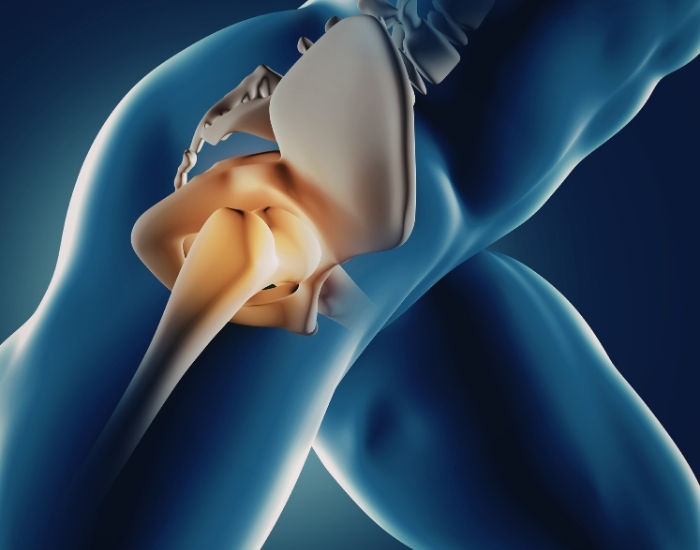
Introduction: Chronic knee pain affects millions worldwide, often stemming from conditions like osteoarthritis, rheumatoid arthritis, or prior injuries. Traditional treatments such as medications, physical therapy, or knee replacement surgery provide relief for some, but not all, patients. In recent years, a minimally invasive procedure known as genicular artery embolization (GAE) has emerged as a promising alternative, offering significant pain reduction and improved quality of life for those suffering from chronic knee pain. Let’s delve into the latest advancements in this innovative technique and its potential impact on pain management.
Quick Answer: Genicular artery embolization (GAE) is an outpatient, image-guided procedure for chronic knee pain from osteoarthritis. An interventional radiologist threads a thin catheter through a small puncture, usually at the top of the thigh, and slows blood flow into the abnormal vessels that feed inflammation in the knee lining. It is best suited to people with mild to moderate arthritis whose pain persists despite medicines, therapy and injections and who want to avoid or delay knee replacement.
Understanding Genicular Artery Embolization: Genicular artery embolization involves selectively blocking the blood supply to the synovial tissue of knee joint, thereby reducing inflammation and alleviating pain. The procedure targets the genicular arteries, which are small vessels that supply blood to the inflamed synovial lining of the knee joint and surrounding structures. By blocking these arteries using tiny particles or coils, doctors can effectively disrupt the pain signals originating from the knee, providing long-lasting relief.
Clinical Evidence and Outcomes: Recent studies have demonstrated the efficacy of genicular artery embolization in relieving chronic knee pain. Research published in leading medical journals has shown significant improvements in pain scores, physical function, and quality of life following GAE procedures. Moreover, these benefits have been sustained over extended follow-up periods, indicating the long-term effectiveness of the treatment.
Advantages of GAE: One of the key advantages of genicular artery embolization is its minimally invasive nature. Unlike traditional knee surgeries, which carry inherent risks and require extensive recovery periods, GAE can be performed as an outpatient procedure with minimal downtime. Additionally, GAE poses fewer risks of complications such as infection or nerve damage, making it a safer option for many patients.
Expanding Applications: While genicular artery embolization initially gained traction as a treatment for knee osteoarthritis, its applications are now expanding to include other conditions causing chronic knee pain. Studies are underway to explore the efficacy of GAE in treating rheumatoid arthritis, post-traumatic arthritis, and pain following knee surgeries. These developments hold promise for a broader range of patients seeking relief from debilitating knee pain.
Challenges and Future Directions: Despite its potential benefits, genicular artery embolization is not without challenges. Accessing and selectively targeting the genicular arteries require advanced imaging techniques and skilled interventionists. Moreover, the long-term effects of GAE on knee joint health and function warrant further investigation. Continued research and technological advancements will be crucial in addressing these challenges and optimizing the outcomes of GAE procedures.
Conclusion: Genicular artery embolization represents a significant advancement in the field of pain management, offering a minimally invasive alternative for patients suffering from chronic knee pain. With growing clinical evidence supporting its efficacy and expanding applications, GAE holds promise as a safe and effective treatment option. As researchers continue to refine techniques and explore new indications, the future looks promising for those seeking relief from the burden of knee pain.

Meet your vein specialist
Dr. Syed Raza, MD
Vascular & Interventional Radiology · Founder, Premier Vein & Vascular Center
Fellowship-trained interventional radiologist, board certified in diagnostic and interventional radiology with a Certificate of Added Qualification (CAQ) in interventional radiology, and a Fellow of the Royal College of Radiologists (UK). Member of SIR and RSNA. Former Chief of Interventional Radiology at UTMB Galveston and Memorial Hermann Memorial City, with 15+ years treating varicose veins, venous reflux and peripheral arterial disease.
Genicular Artery Embolization for Knee Pain: Who Is It For?
Genicular artery embolization is not a first-line treatment, and it is not meant to replace exercise, weight management or physical therapy. It fills a specific gap: people whose knee pain has lasted for months despite good conservative care, but who are not ready for, not keen on, or not well suited to knee replacement surgery.
In our practice, the patients who are usually the best fit share several features:
- Knee pain for at least three to six months that has not responded well to medicines, therapy or injections
- Mild to moderate osteoarthritis on X-ray, rather than complete loss of joint space with deformity
- Pain that is mostly in one area of the knee, such as the inner side, so it can be matched to specific arteries
- A wish to avoid or delay surgery, or medical conditions that make major surgery higher risk
- Reasonable kidney function and no active infection in or around the knee
People with severe bone-on-bone arthritis, a knee that locks or gives way from a mechanical tear, or significant blockage in the leg arteries are usually better served by other approaches. A careful evaluation sorts this out before anyone schedules a procedure.
Why Blood Vessels Matter in Knee Arthritis Pain
It can seem surprising that a circulation procedure helps a joint problem. The connection lies in the synovium, the thin lining that produces joint fluid. In arthritis, this lining becomes inflamed and develops a network of small, fragile new vessels, a process called angiogenesis. Those new vessels travel with sensory nerve fibers, so the more abnormal vessels there are, the more pain signals the knee tends to send.
On an angiogram, this inflamed tissue shows up as a characteristic blush of contrast in the painful part of the knee. By slowing flow into just those branches, GAE starves the abnormal vessels and the nerve fibers that grew alongside them, while the normal blood supply to the bone, cartilage and skin continues through other routes. Think of it as turning down an overactive inflammatory signal rather than cutting off the knee’s blood supply.
What Happens During GAE, Step by Step
- Preparation. You arrive fasting for a few hours, an IV is placed, and the team reviews your medicines, allergies and kidney function.
- Access. After numbing the skin, the interventional radiologist places a small sheath into an artery, most often at the top of the thigh on the same side as the painful knee.
- Mapping. A thin catheter is guided down to the knee under X-ray, and contrast is injected to show each genicular branch and the areas of abnormal blush.
- Targeted treatment. A microcatheter, about the width of a thin spaghetti strand, is advanced into each target branch, and tiny particles are released slowly until flow to the abnormal vessels slows.
- Finish. The catheter is removed, the puncture is closed with pressure or a closure device, and you rest and are monitored before going home.
Many patients are surprised by how little they feel. There is no cutting at the knee, and light sedation keeps most people comfortable throughout.
GAE Compared With Other Knee Pain Treatments
Patients usually come to us having tried several things already. The table below shows where GAE fits alongside the options most often discussed for persistent arthritic knee pain.
| Treatment | What it targets | Anesthesia and setting | Downtime | Good to know |
|---|---|---|---|---|
| Steroid injection | Joint inflammation | Local; office | About a day | Relief is often temporary; frequency is usually limited |
| Hyaluronic acid (gel) injection | Joint lubrication | Local; office | About a day | Results vary; often a series of shots |
| Genicular nerve radiofrequency ablation | Sensory nerves around the knee | Local; outpatient | A few days | Nerves can regrow over time |
| Genicular artery embolization | Abnormal vessels feeding synovial inflammation | Local with light sedation; outpatient | A few days | Needs an artery puncture and contrast dye |
| Total knee replacement | Worn joint surfaces | General or spinal; hospital | Weeks to months of rehabilitation | Best for advanced arthritis with deformity |
These choices are not either-or. A patient may have GAE and then build strength with physical therapy once pain is lower, or have GAE now and a knee replacement years later if the arthritis advances. GAE does not prevent a future replacement.
What to Expect After the Procedure
The first few days
Most people walk out the same day. Mild soreness at the puncture site and an achy knee for a few days are common. Some patients notice a patch of reddened or mottled skin over the knee, which usually fades on its own within days to weeks. We typically recommend light activity for the first week, with no heavy lifting, running or strenuous workouts.
The following weeks and months
Because the goal is to calm inflammation, improvement often comes in stages. Some patients feel a difference within the first couple of weeks, while others notice it more gradually over one to three months. We usually review your progress at follow-up visits and encourage you to use the improvement to rebuild thigh and hip strength, which supports the joint over the long term.
When results are not what you hoped
Not every patient responds the same way. If pain relief is limited, it can mean that mechanical damage rather than inflammation is the main pain driver, or that another source of pain, such as the hip or back, is contributing. We discuss the next steps openly, which may include repeat treatment, a different procedure or a referral to an orthopedic surgeon.
Preparing for Your GAE Procedure
A little preparation makes procedure day smoother and safer. Before treatment, our team will usually ask you to:
- Have blood work to check kidney function and clotting, since contrast dye is used
- Tell us about blood thinners, diabetes medicines such as metformin, and any allergy to contrast or iodine; we will give clear instructions on what to pause and when
- Avoid eating for several hours beforehand if sedation is planned
- Arrange for an adult to drive you home and, ideally, stay with you that evening
- Wear loose, comfortable clothing and leave jewelry at home
It also helps to rate your knee pain on a 0 to 10 scale and note how far you can walk, how many stairs you can manage and how often pain wakes you. Writing this down before treatment gives you and your doctor a clear baseline to compare against at follow-up, which is often more meaningful than memory alone.
How We Evaluate Patients for Genicular Artery Embolization
Dr. Syed Raza and our team approach every knee consultation with one question in mind: is this pain likely to respond to GAE?
- Focused history. We review how long the pain has lasted, where it is worst, how it affects walking, stairs and sleep, and which treatments you have already tried and for how long they helped.
- Examination. We examine the knee for swelling, tenderness and range of motion, and check the hip and the pulses in the leg.
- Imaging. Weight-bearing knee X-rays grade the arthritis. MRI is requested when a meniscus tear, bone bruise or other cause needs to be ruled out. Kidney function is checked before contrast is used.
- Clear plan. If you are a candidate, we explain the procedure, risks, recovery and realistic expectations. If not, we explain why and help you find the next best option.
Seek urgent medical care if you notice:
- A hot, red, very swollen knee with fever or chills, which may signal joint infection
- Swelling, pain and warmth in the calf, which may be a blood clot
- A foot that becomes cold, pale, numb or weak, especially after a procedure
- Bleeding or a rapidly growing lump at the puncture site
- Chest pain or sudden shortness of breath
Genicular Artery Embolization in Houston
Dr. Syed Raza is a fellowship-trained interventional radiologist, board certified in diagnostic and interventional radiology by the American Board of Radiology and a Fellow of the Royal College of Radiologists (UK), and a former Chief of Interventional Radiology at UTMB Galveston and Memorial Hermann Memorial City. He evaluates patients with chronic knee pain from across Houston and Katy to see whether GAE is a reasonable next step. Read more on our genicular artery embolization and knee pain treatment pages, explore other image-guided procedures we perform, or contact our Houston interventional radiology and vein clinic at (832) 321-5355. Bring your recent knee X-rays or MRI to the first visit.
Talk With a Specialist at Premier Vein
Have questions about your symptoms or treatment options? Dr. Syed Raza and the team at Premier Vein & Vascular Center can evaluate your concerns and explain your options clearly. Same-week appointments are usually available, and most insurance plans are accepted.
Frequently Asked Questions
How long does pain relief from genicular artery embolization last?
How long relief lasts varies from person to person and depends on how much of the pain comes from inflammation versus mechanical joint damage. Many patients notice improvement over the first few months, and your specialist will discuss realistic expectations based on your imaging and symptoms.
Is GAE better than a cortisone shot?
They work differently. A cortisone shot calms inflammation inside the joint for a period of time, while GAE reduces the abnormal blood supply that feeds the inflamed lining. GAE is usually considered when injections no longer give lasting relief.
Can both knees be treated with GAE?
Yes, both knees can be treated if both are painful and suitable. They are often treated in separate sessions so that recovery and response in each knee can be assessed and contrast dye use is kept modest.
What are the side effects of genicular artery embolization?
The most common are temporary soreness at the puncture site, mild knee aching and short-lived skin discoloration over the knee. Serious complications are uncommon, and your physician will review your individual risks beforehand.
Is genicular artery embolization covered by insurance?
Coverage for GAE varies between insurance plans. Our team can check your benefits and explain any costs before you decide on treatment.
Do I still need physical therapy after GAE?
Strengthening exercises remain important. Many patients find that once pain is lower they can do more physical therapy and exercise, which helps protect the knee and maintain the improvement.
How long does the GAE procedure take?
The procedure itself usually takes about one to two hours, depending on how many arteries are treated. With preparation and recovery time, most patients spend several hours at the facility and go home the same day.
ABOUT PREMIER VEIN & VASCULAR CENTER: Premier Vein & Vascular Center, a leading vein clinic in Houston and among the top specialized vein treatment clinics in the USA, has provided expert vein care for over 20 years. The center offers minimally invasive treatments for varicose veins, spider veins, and deep vein thrombosis, led by Dr. Syed Raza, MD, a Board-Certified Vein Specialist and Interventional Radiologist. Dedicated to pain-free, healthier living, the clinic delivers cutting-edge, patient-centered care for optimal results.
Trusted Health Resources
- Osteoarthritis, National Institute of Arthritis and Musculoskeletal and Skin Diseases (NIH)
- Osteoarthritis, Centers for Disease Control and Prevention