
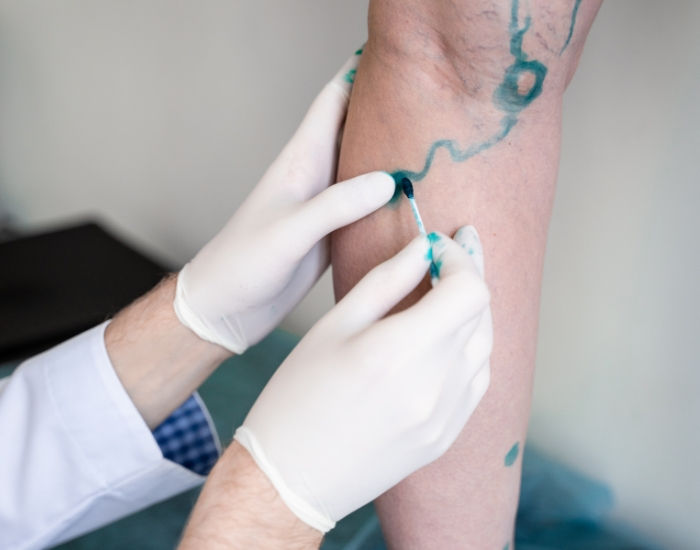
Ankles swelling every evening is a problem that many people notice after a long day, especially when they remove their shoes and find their ankles puffy, tight, or uncomfortable. While occasional swelling can happen due to fatigue or minor fluid retention, consistent ankle swelling at the end of the day often signals an underlying circulation issue. In many cases, the first step toward relief begins with an evaluation by an evening vein specialist who understands how vein dysfunction contributes to recurring lower leg swelling.
Quick Answer: Ankles that swell every evening and go down overnight most often point to chronic venous insufficiency, where weak vein valves let blood and fluid pool in the lower legs during the day. Other common causes include certain blood pressure medicines, heat, long hours of sitting or standing, and, less often, heart, kidney, liver or lymphatic problems. See a vein specialist if the swelling happens most days, leaves deep sock marks, comes with aching, varicose veins or skin darkening, or is still there in the morning. Sudden swelling in one leg needs same-day care.
This article explores why ankles swelling every evening occurs, how an evening vein specialist plays a critical role in diagnosis and treatment, and when a swelling specialist may also be necessary for comprehensive care.

Meet your vein specialist
Dr. Syed Raza, MD
Vascular & Interventional Radiology · Founder, Premier Vein & Vascular Center
Fellowship-trained interventional radiologist certified by the American Board of Radiology and the Royal College of Radiologists (UK). Former Chief of Interventional Radiology at UTMB Galveston and Memorial Hermann Memorial City, with 15+ years treating varicose veins, venous reflux and peripheral arterial disease.
1. What Causes Ankles Swelling Every Evening
Ankles swelling every evening usually results from fluid building up in the lower legs throughout the day. Gravity naturally pulls blood and fluid downward, and when veins cannot efficiently push blood back toward the heart, pressure increases in the lower extremities. This pressure forces fluid into surrounding tissues, causing visible ankle swelling by nighttime. Prolonged standing, extended sitting, warm temperatures, and lack of movement all contribute to worsening swelling throughout the day. However, when ankles swelling every evening becomes consistent, painful, or progressively worse, it often points to vein-related issues such as chronic venous insufficiency.
2. Why an Evening Vein Specialist Should Be Your First Stop
An evening vein specialist focuses on identifying circulation problems that worsen after daily activity. Since ankle swelling often intensifies by the end of the day, this specialist evaluates how your veins respond to prolonged gravity pressure and reduced circulation flow.
An evening vein specialist can detect early signs of vein valve dysfunction, blood pooling, and venous reflux. These issues frequently cause ankles swelling every evening long before severe varicose veins or visible skin changes develop. Seeking help early allows for more effective treatment and prevents future complications.
3. The Link Between Vein Dysfunction and Evening Swelling
Healthy veins rely on one-way valves to push blood upward. When these valves weaken, blood flows backward and collects in the lower legs. Over time, this buildup increases pressure and results in fluid leakage into surrounding tissues, which becomes most noticeable in the evening. Ankles swelling every evening often accompanies symptoms such as leg heaviness, tightness, aching, or fatigue. These indicators suggest the presence of venous insufficiency, a condition that a trained evening vein specialist can accurately diagnose and treat.
4. Symptoms That Accompany Nightly Ankle Swelling
While swelling is the most visible sign, ankles swelling every evening may appear with other symptoms, including:
- Heaviness or fatigue in the legs
- Aching, throbbing, or cramping sensations
- Tightness around the ankles and calves
- Visible varicose or spider veins
- Skin dryness or itchiness
- Discoloration or dark patches around the ankles
- Indentations left after pressing on the swollen area
These accompanying signs often help an evening vein specialist determine whether vein disease or another condition causes the swelling.
5. Risk Factors That Increase Evening Swelling
Several factors raise the likelihood of ankles swelling every evening. Age naturally weakens vein walls and valves, making circulation less efficient. Genetics also play a role, as vein issues tend to run in families. Hormonal changes, particularly in women, pregnancy, obesity, and sedentary lifestyles all place added pressure on the veins. Jobs that involve prolonged standing or sitting restrict healthy blood flow and increase the risk of evening swelling. Recognizing these factors helps individuals seek evaluation before symptoms worsen.
6. How Specialists Diagnose the Condition
An evening vein specialist begins with a detailed medical history and physical examination. They evaluate the pattern, severity, and frequency of ankles swelling every evening while also assessing lifestyle factors and potential risk contributors.
Imaging tests such as Doppler ultrasound or duplex ultrasound help visualize blood flow and check vein valve efficiency. These tools allow specialists to pinpoint the exact cause of swelling and determine whether circulation issues are responsible. A swelling specialist may also assist if fluid retention extends beyond vein-related conditions.
7. Treatment Options and Management Strategies
Managing ankles swelling every evening involves addressing the root cause while reducing daily discomfort. Lifestyle modifications often form the foundation of treatment. Regular movement, leg elevation, and avoiding long periods of sitting or standing help improve blood circulation and limit fluid buildup.
Compression therapy supports vein function and promotes efficient blood flow. Proper hydration, balanced nutrition, and maintaining a healthy weight also contribute to reducing swelling. In more advanced cases, minimally invasive procedures such as endovenous treatments may correct vein dysfunction and provide long-term relief.
An evening vein specialist creates a personalized plan based on the severity and underlying cause of swelling, ensuring safe and effective care.
8. When a Swelling Specialist May Be Needed
While an evening vein specialist focuses on circulation issues, a swelling specialist may be required when ankle swelling stems from systemic conditions such as heart, kidney, or lymphatic disorders. Collaboration between specialists ensures comprehensive diagnosis and treatment when swelling has multiple contributing factors. Seeking evaluation becomes essential if ankles swelling every evening worsens, becomes painful, or does not improve with basic lifestyle changes.
9. Final Thoughts
Ankles swelling every evening may seem like a minor inconvenience, but when it occurs regularly, it often indicates an underlying vein issue. Consulting an evening vein specialist first allows for early detection, effective treatment, and prevention of long-term complications. Understanding the difference between vein-related swelling and other medical causes helps individuals make informed decisions about their health and seek timely care for lasting comfort and improved circulation.
If you experience ankles swelling every evening, schedule a consultation with Premier Vein & Vascular Center. Their experienced evening vein specialist team can evaluate your symptoms, identify the root cause, and recommend effective treatment options to restore comfort and promote healthier legs.
Is Evening Ankle Swelling Normal?
A small amount of puffiness after a long, hot day on your feet happens to almost everyone and settles with rest. What is not normal is swelling that shows up most evenings, leaves a deep groove from your sock line, makes your shoes feel tight by late afternoon, or has been slowly getting worse over months. That pattern means fluid is leaving your blood vessels faster than your body can clear it, and it is worth finding out why.
A simple home check helps. Press your thumb firmly into the swollen area just above the ankle bone for about five seconds, then let go. If a dent remains, the swelling is pitting edema, meaning excess fluid in the tissues. Note how deep it is, whether one or both ankles are affected, and whether it is gone when you wake up. These details are very useful at your appointment.
Causes of Ankles Swelling Every Evening Beyond the Veins
Vein problems are the most common cause we see, but evening ankle swelling has a long list of possible causes, and more than one can be present at once. Comparing the patterns helps narrow it down.
| Cause | Typical pattern | Clues |
|---|---|---|
| Chronic venous insufficiency | Worse at night, better by morning, often one leg more than the other | Aching, heaviness, varicose or spider veins, brown skin near the ankle |
| Medication side effect | Both ankles, started after a new medicine | Common with some calcium channel blockers such as amlodipine, some diabetes and anti-inflammatory medicines, and hormones |
| Heart failure | Both legs, gradually rising up the legs | Shortness of breath with activity or lying flat, weight gain over days |
| Kidney or liver disease | Both legs, sometimes puffiness around the eyes or abdomen | Abnormal blood or urine tests, fatigue |
| Lymphedema | Firm swelling that does not fully go down overnight, often involving the foot and toes | History of surgery, radiation, infection or a family pattern |
| Lipedema | Symmetrical fullness of the legs that spares the feet | Tender, easy bruising, mostly in women |
| Deep vein thrombosis | Sudden swelling of one leg | Calf pain, warmth, redness; needs urgent care |
This is why a good evaluation looks at your whole health, including your medication list, rather than assuming every swollen ankle is a vein problem.
Why Vein-Related Swelling Peaks in the Evening
When you lie down at night, gravity is no longer pulling blood toward your feet, and fluid slowly drains back into the circulation. When you stand up in the morning, the clock starts again. Each hour upright with leaky vein valves adds a little more pressure at the ankle, and the calf muscle pump can only partly offset it, especially if you sit or stand still for long stretches.
In Houston, the heat adds to this. Warm temperatures widen veins, and many patients tell us their evening swelling is noticeably worse from late spring through early fall, after a long commute, or after a day at an outdoor event.
How We Evaluate Evening Ankle Swelling
At Premier Vein & Vascular Center, our goal is to confirm whether the veins are responsible and to make sure nothing else is being missed.
- Focused history. We ask when the swelling started, whether it affects one or both legs, whether it is gone in the morning, and about your job, travel, medications, heart, kidney and thyroid conditions, previous clots and family history.
- Examination. We check how deep the swelling pits, look for varicose veins, skin discoloration and hardening around the ankle, check foot pulses, and look for signs that point elsewhere, such as swelling of the feet and toes in lymphedema.
- Venous duplex ultrasound. In our IAC-accredited vascular lab, this scan measures backward flow in the superficial and deep veins and checks for current or old blood clots. It usually takes 30 to 60 minutes and is painless.
- A clear plan. If the veins explain the swelling, we discuss compression and treatment options. If the findings suggest a heart, kidney, medication or lymphatic cause, we tell you directly and coordinate with your primary care doctor.
Evening Routine to Reduce Ankle Swelling
While you are being evaluated, a few habits can make evenings more comfortable:
- Put on compression in the morning. Graduated stockings work best when applied before swelling builds. Knee-high 15 to 20 or 20 to 30 mmHg is common; ask first if you have diabetes, numb feet or weak pulses.
- Take short walking breaks. Five minutes of walking every hour does more than one long walk at the end of the day.
- Elevate as soon as you get home. Lie down with your feet above heart level for 20 minutes rather than sitting with them on a low stool.
- Do ankle pumps while watching TV. Twenty slow point-and-flex movements every half hour keep the calf pump working.
- Ease off salt at dinner. Salty restaurant and processed meals are a common trigger for next-day swelling.
- Review your medicines. If swelling began after a new prescription, ask your doctor whether it could be a side effect. Do not stop any medicine on your own.
Treatments That Address Vein-Related Swelling
When the ultrasound shows reflux in a main surface vein, closing that vein lowers pressure at the ankle, and swelling often improves. Options include endovenous thermal ablation and non-thermal ablation, both done in the office under local anesthesia with a quick return to normal activity. Remaining varicose branches can be treated with phlebectomy or sclerotherapy. When swelling comes with skin changes or slow-healing sores, treating the veins also protects the skin from venous ulcers. More on the underlying condition is on our venous insufficiency page.
Call 911 or seek emergency care if…
- One leg suddenly swells, especially with calf pain, warmth or redness, which may be a deep vein thrombosis
- You have chest pain, sudden shortness of breath or cough up blood
- You become short of breath when lying flat or wake up gasping, along with swelling in both legs
- The swollen leg is red, hot and painful with fever
- Swelling comes with a cold, pale or numb foot
When to See a Vein Specialist in Houston for Ankle Swelling
If your ankles swell most evenings, the swelling is getting worse, or it comes with aching, varicose veins or skin discoloration, an evaluation can usually find the cause in one visit. Dr. Syed Raza is a fellowship-trained interventional radiologist with more than 15 years of experience treating venous reflux, varicose veins and peripheral arterial disease.
Patients from Katy and across Greater Houston come to our Houston vein specialist practice for same-week appointments, and we accept most insurance plans, including Medicare. Bring a list of your medications, including over-the-counter products and supplements.
Talk With a Specialist at Premier Vein
Have questions about your symptoms or treatment options? Dr. Syed Raza and the team at Premier Vein & Vascular Center can evaluate your concerns and explain your options clearly. Same-week appointments are usually available, and most insurance plans are accepted.
Frequently Asked Questions
Why do my ankles swell at night but are fine in the morning?
Gravity pulls fluid toward your feet while you are upright, and lying down overnight lets it drain back into circulation. When swelling follows this daily pattern, weak vein valves are a common cause, especially if you also have aching legs or visible veins.
Can blood pressure medication cause ankle swelling?
Yes. Some blood pressure medicines, especially calcium channel blockers such as amlodipine, commonly cause ankle swelling. If swelling started after a new medication, talk with your prescribing doctor, but do not stop the medicine on your own.
Is swelling in one ankle more serious than both?
Swelling in one leg is more often due to a local problem such as vein reflux, an injury or a blood clot, and sudden one-sided swelling needs urgent evaluation for DVT. Swelling in both legs is more often linked to medications, heart, kidney or liver conditions, or vein disease affecting both legs.
Do compression socks help evening ankle swelling?
Yes, for most people with vein-related swelling. Graduated compression stockings put on in the morning help keep fluid from building up during the day. People with diabetes, numbness or poor circulation in the feet should check with a doctor before using them.
Does drinking more water reduce ankle swelling?
Staying well hydrated is helpful, and drinking less water does not reduce vein-related swelling. Cutting back on salty foods is usually more effective. People with heart or kidney conditions should follow their doctor’s fluid advice.
What kind of doctor should I see for swollen ankles?
Your primary care doctor can check for heart, kidney, liver and medication causes. If the swelling follows a daily pattern or comes with varicose veins, aching or skin changes, a vein specialist can perform a duplex ultrasound to look for venous insufficiency.
Trusted Health Resources
- Foot, Leg, and Ankle Swelling, MedlinePlus Medical Encyclopedia (NIH)
- Venous Insufficiency, MedlinePlus Medical Encyclopedia (NIH)