
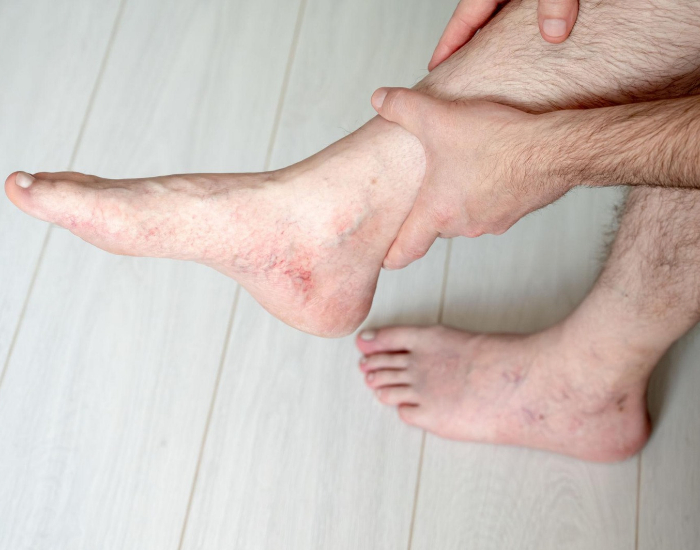
A burning sensation in the legs can feel like heat, tingling, stinging, pins and needles, or an uncomfortable feeling beneath the skin. For some people, the sensation is mild and temporary. For others, burning legs can become persistent, painful, or worse at night and may interfere with sleep or daily activities.
Burning legs can have many possible causes. Nerve problems, including peripheral neuropathy, are common causes of burning sensations, particularly in the feet and lower legs. Diabetes is one important cause of peripheral neuropathy. Circulation problems can also produce burning, aching, cramping, heaviness, or fatigue, particularly when symptoms develop with walking or exercise.
Because these conditions can feel similar, the location, timing, triggers, and symptoms occurring alongside the burning sensation are important when determining the likely cause.

Quick Answer: Burning in the legs can result from nerve irritation or damage, poor arterial circulation, chronic venous disease, muscle or skin problems, and certain medical conditions or medications. Burning that repeatedly occurs with walking and improves with rest may warrant evaluation for peripheral artery disease (PAD), while burning accompanied by numbness or tingling in the feet may point toward peripheral neuropathy. Persistent, worsening, or unexplained burning should be evaluated rather than assumed to be a circulation problem.
Table of Contents
- What Does a Burning Sensation in the Legs Feel Like?
- What Causes Burning Sensation in the Legs?
- 1. Peripheral Neuropathy
- 2. Diabetes and Diabetic Neuropathy
- 3. Peripheral Artery Disease
- 4. Chronic Venous Insufficiency and Venous Disease
- 5. Nerve Compression or Irritation
- 6. Skin Conditions and Infections
- 7. Other Medical Causes
- Why Do My Legs Burn More at Night?
- Is Burning in the Legs a Sign of Poor Circulation?
- Symptoms That May Occur With Burning Legs
- Burning From Nerve Problems vs. Circulation Problems
- How Is the Cause of Burning Legs Diagnosed?
- How Is Burning in the Legs Treated?
- What Can You Do at Home?
- When Should You Worry About Burning Legs?
- When to See a Vascular Specialist in Houston
- Frequently Asked Questions
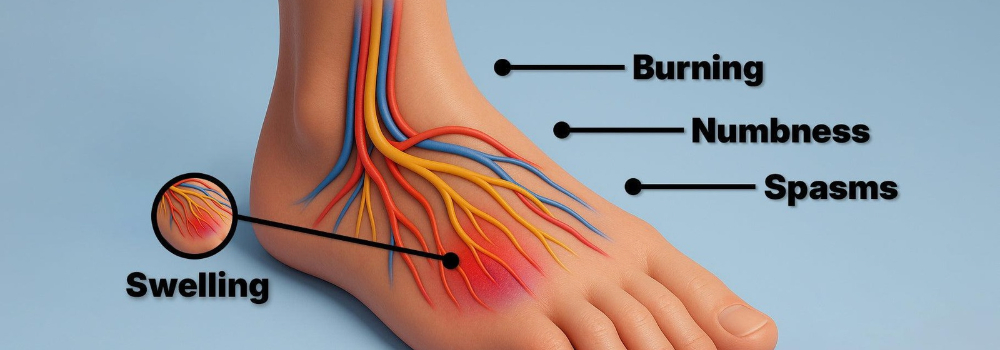
What Does a Burning Sensation in the Legs Feel Like?
People describe burning legs in different ways. You may feel:
- A hot or heated sensation
- Burning pain beneath the skin
- Stinging or prickling
- Pins and needles
- Tingling
- Numbness combined with burning
- Sharp or electric-like sensations
- A feeling that the skin is hot even when it is not warm to the touch
The sensation may affect both legs or only one. It may involve the feet, ankles, calves, thighs, or the entire leg.
Some people experience burning continuously, while others notice it primarily after walking, exercising, standing for long periods, or lying down at night.
These differences can provide useful clues about the underlying cause.
What Causes Burning Sensation in the Legs?
There is no single explanation for burning legs. The most likely causes depend on your age, health history, medications, activity level, and the exact pattern of your symptoms.
Common possibilities include:
- Peripheral neuropathy
- Diabetic neuropathy
- Peripheral artery disease
- Chronic venous insufficiency
- Venous reflux
- Nerve compression or irritation
- Muscle overuse or injury
- Skin irritation or infection
- Vitamin deficiencies
- Thyroid disorders
- Kidney disease
- Certain medications or toxins
Burning feet are particularly associated with peripheral nerve problems, but other conditions can cause similar sensations.
1. Peripheral Neuropathy
Peripheral neuropathy occurs when nerves outside the brain and spinal cord become damaged or do not function normally.
Because the longest nerves in the body are often affected first, symptoms commonly begin in the feet and may gradually move upward into the legs.
Burning is a classic neuropathic symptom. Other sensations may include:
- Tingling
- Numbness
- Sharp or stabbing pain
- Increased sensitivity to touch
- Electric-shock-like sensations
- Reduced ability to feel temperature
- Weakness
Peripheral neuropathy has numerous potential causes, including diabetes, certain vitamin deficiencies, alcohol-related nerve damage, some medications, toxins, kidney disease, and other medical conditions.
If burning is accompanied by numbness or tingling that begins in the feet and gradually moves upward, a nerve-related cause should be considered.
2. Diabetes and Diabetic Neuropathy
Diabetes is an important cause of peripheral neuropathy.
Diabetic peripheral neuropathy commonly affects the feet and legs first. Symptoms may include burning, tingling, sharp pain, numbness, cramps, weakness, and increased sensitivity to touch. Symptoms can be worse at night.
Diabetes can also affect circulation. People with diabetes have an increased risk of peripheral artery disease, and reduced blood flow can make foot wounds more difficult to heal.
This means a person with diabetes may experience both nerve-related and circulation-related leg symptoms.
For that reason, persistent burning in the feet or legs should not automatically be attributed to diabetic neuropathy without appropriate evaluation.
3. Peripheral Artery Disease
Peripheral artery disease (PAD) develops when arteries supplying the legs become narrowed or blocked, most commonly because of atherosclerosis.
PAD is better known for causing leg pain or cramping during activity, but the discomfort may also be described as burning, aching, fatigue, heaviness, or tightness.
A classic PAD pattern is discomfort that:
- Begins while walking or exercising
- Occurs in the calf, thigh, buttock, ankle, or foot
- Becomes predictable with activity
- Improves after stopping and resting
This pattern is known as intermittent claudication.
If you repeatedly experience burning or cramping in your legs after walking a certain distance and the sensation improves when you rest, circulation should be evaluated.
Other possible signs of PAD include:
- Cooler skin on one foot or leg
- Changes in skin color
- Slow-growing toenails
- Reduced hair growth on the legs
- Weakness or fatigue in the legs
- Foot or toe wounds that heal slowly
The American Heart Association notes that PAD symptoms may be mistaken for arthritis, muscle problems, or other common causes of leg discomfort.
Learn more about peripheral artery disease and intermittent claudication.
4. Chronic Venous Insufficiency and Venous Disease
Not every circulation problem involves the arteries.
Chronic venous insufficiency occurs when the veins of the legs have difficulty returning blood toward the heart. Weak or damaged vein valves can allow blood to move backward and pool in the lower legs.
Venous disease can cause discomfort that some people describe as burning or cramping, particularly after prolonged standing or sitting. It may also cause swelling and aching in the lower legs.
Other symptoms may include:
- Heavy or tired legs
- Ankle swelling
- Aching or throbbing
- Itching
- Varicose veins
- Skin discoloration
- Skin thickening
- Leg cramps
Symptoms caused by venous disease often become more noticeable toward the end of the day or after standing for extended periods.
Learn more about venous insufficiency and venous reflux.
Important distinction: Burning in the legs can occur with both nerve and circulation problems. The timing of symptoms matters. Burning that follows a predictable walking pattern and improves with rest can be associated with PAD, while burning accompanied by numbness, tingling, or altered sensation may point toward a nerve problem. Burning combined with swelling, heaviness, or symptoms that worsen after prolonged standing may be associated with venous disease.
5. Nerve Compression or Irritation
Burning legs can also result from a nerve being irritated or compressed.
For example, problems involving nerves in the lower back can cause symptoms that travel down one leg. Sciatic nerve irritation is one possible example.
Nerve-related burning may be accompanied by:
- Back pain
- Buttock pain
- Tingling
- Numbness
- Weakness
- Pain that follows a specific path down the leg
The pattern can help a healthcare professional distinguish nerve-related symptoms from problems originating in the muscles, veins, or arteries.
6. Skin Conditions and Infections
Sometimes the burning sensation originates in the skin rather than deeper tissues.
Skin irritation, inflammation, or infection can produce burning, warmth, itching, redness, or tenderness.
Examples include:
- Contact dermatitis
- Athlete’s foot
- Other fungal infections
- Cellulitis
- Skin irritation from products or clothing
- Sunburn or heat-related irritation
A skin-related cause becomes more likely when the burning is accompanied by visible redness, rash, peeling, swelling, blisters, or changes in the skin surface.
However, rapidly spreading redness, significant swelling, fever, or severe pain can indicate an infection that requires prompt medical attention.
7. Other Medical Causes
Several other conditions can contribute to burning sensations in the legs or feet.
Vitamin Deficiencies
Certain vitamin deficiencies can affect nerve function and contribute to burning or tingling sensations.
Thyroid Disorders
Some thyroid disorders can be associated with nerve symptoms, including abnormal sensations in the extremities.
Kidney Disease
Chronic kidney disease can be associated with peripheral neuropathy and other changes that affect sensation.
Medications and Toxins
Certain medications and toxic exposures can damage peripheral nerves. Chemotherapy is one recognized example.
Alcohol-Related Nerve Damage
Long-term heavy alcohol use can contribute to nerve damage and burning or tingling sensations in the feet and legs.
Because there are many possible causes, persistent burning without an obvious explanation should be discussed with a healthcare professional.

Why Do My Legs Burn More at Night?
Some people notice burning sensations become more obvious at night.
This can happen with nerve-related conditions, including diabetic peripheral neuropathy, which commonly produces burning and tingling symptoms that may be worse at night.
Nighttime burning can also become more noticeable simply because there are fewer distractions when you are lying still.
However, nighttime symptoms should not automatically be attributed to neuropathy. If the burning is accompanied by swelling, skin changes, cramping, cold feet, or other circulation symptoms, additional evaluation may be appropriate.
Is Burning in the Legs a Sign of Poor Circulation?
It can be, but burning does not automatically mean poor circulation.
Both arterial and venous conditions can cause leg discomfort, but they tend to produce different patterns.
Arterial circulation problems: Burning or cramping may develop during walking or exercise because narrowed arteries cannot supply enough blood to working muscles. The discomfort often improves after resting.
Venous circulation problems: Burning, aching, heaviness, swelling, or cramping may become more noticeable after prolonged standing or sitting as blood pools in the lower legs.
Nerve problems: Burning is often accompanied by tingling, numbness, altered sensation, or sensitivity to touch and may occur even when you are resting.
These patterns are useful clues, but they cannot replace an examination and appropriate testing.
Symptoms That May Occur With Burning Legs
Pay attention to what occurs alongside the burning sensation.
Numbness and Burning
Burning combined with numbness or reduced sensation often raises concern for a nerve-related problem.
Tingling and Burning
Tingling or pins and needles can occur with peripheral neuropathy or nerve irritation.
Swelling and Burning
Burning with leg or ankle swelling may occur with chronic venous disease, although sudden one-sided swelling requires prompt evaluation because DVT is another possibility.
Walking and Burning
If burning predictably begins when you walk or exercise and improves after you stop, PAD should be considered, particularly if you have cardiovascular risk factors.
Skin Changes and Burning
Redness, brown discoloration, sores, rash, or changes in skin temperature can provide additional clues about the cause.
Burning From Nerve Problems vs. Circulation Problems
| Pattern | More Suggestive of Nerve Problems | More Suggestive of Circulation Problems |
|---|---|---|
| Burning | Common | Can occur |
| Tingling or pins and needles | Common | May occur |
| Numbness | Common | Can occur with severe arterial disease |
| Starts with walking | Less typical | Can suggest PAD |
| Improves with rest | Not a defining pattern | Typical of intermittent claudication |
| Swelling | Not typical | Common with venous disease |
| Cool foot or skin color changes | Not typical | May occur with PAD |
These patterns are not diagnostic by themselves. A person can have more than one condition at the same time, particularly when conditions such as diabetes increase the risk of both neuropathy and vascular disease.
How Is the Cause of Burning Legs Diagnosed?
The evaluation begins with a detailed history and physical examination.
Your healthcare professional may ask:
- When the burning started
- Whether it affects one or both legs
- Whether the sensation is constant or intermittent
- Whether walking triggers it
- Whether rest relieves it
- Whether symptoms are worse at night
- Whether you have numbness or tingling
- Whether your legs swell
- Whether your feet feel unusually cold
- Whether you have diabetes or other medical conditions
- What medications and supplements you take
Testing for Arterial Circulation
If PAD is suspected, an ankle-brachial index (ABI) may be performed. ABI compares blood pressure in the ankle with blood pressure in the arm and is a common noninvasive test for PAD.
Additional vascular imaging may be considered depending on the findings and the severity of symptoms.
Testing for Venous Disease
If symptoms suggest venous insufficiency or reflux, a duplex ultrasound can evaluate blood flow through the leg veins and identify abnormal reflux or other venous problems.
Evaluation for Neuropathy
If the pattern suggests a nerve problem, your healthcare professional may evaluate sensation, reflexes, strength, and other neurological findings. Blood tests or additional testing may be recommended depending on your medical history.
How Is Burning in the Legs Treated?
Treatment depends entirely on the underlying cause.
If Nerve Damage Is Responsible
Treatment focuses on identifying and managing the underlying cause of neuropathy. For example, people with diabetes may need careful blood glucose management and evaluation for complications.
If PAD Is Responsible
PAD treatment may involve physical activity, smoking cessation, management of blood pressure, cholesterol and diabetes, medications, and—when appropriate—procedures to improve blood flow.
Learn more about minimally invasive treatments for PAD.
If Venous Disease Is Responsible
Venous treatment may include movement, leg elevation, compression therapy when appropriate, and treatment of abnormal veins when symptoms or disease severity warrant intervention.
Learn more about venous insufficiency treatment.
If a Skin Condition Is Responsible
Treatment depends on the specific skin condition and may involve antifungal, antibiotic, anti-inflammatory, or other appropriate therapy.
The important point is that treatment should target the cause rather than simply attempting to mask the burning sensation.
What Can You Do at Home?
If the burning sensation is mild, temporary, and not associated with warning signs, several general measures may help you stay comfortable while you monitor the symptoms.
- Avoid prolonged sitting or standing in one position.
- Take regular walking or movement breaks.
- Wear comfortable, breathable footwear.
- Avoid excessive heat if heat makes the sensation worse.
- Stay physically active within your abilities.
- Keep your feet clean and inspect them regularly if you have diabetes or reduced sensation.
- Follow your healthcare professional’s recommendations for managing diabetes, blood pressure, and cholesterol.
- Avoid smoking.
Do not use extreme heat or ice directly on areas with reduced sensation because nerve damage can make it difficult to recognize an injury.
If burning persists for several weeks, becomes more intense, spreads upward, or is accompanied by numbness or loss of sensation, schedule a medical evaluation.
When Should You Worry About Burning Legs?
Burning legs are not usually an emergency by themselves. However, certain accompanying symptoms require prompt attention.
Sudden Severe Leg Pain or Burning
Seek emergency medical attention if severe leg symptoms develop suddenly, particularly if the leg or foot becomes cold, pale or blue, numb, weak, or difficult to move. These can be signs of a serious reduction in arterial blood flow.
Sudden One-Sided Swelling
If one leg suddenly becomes swollen, painful, warm, or red, prompt medical assessment is important because these symptoms can occur with deep vein thrombosis (DVT).
Learn more about early symptoms of a blood clot in the leg.
Chest Pain or Shortness of Breath
If leg symptoms occur with sudden chest pain, shortness of breath, fainting, or coughing up blood, seek emergency medical attention.
Burning With a Non-Healing Wound
A wound on the foot or leg that does not heal normally deserves medical attention, particularly if you have diabetes or known circulation problems.
PAD can cause wounds on the feet or toes to heal slowly because inadequate arterial blood flow limits oxygen delivery to tissues.
Progressive Numbness or Weakness
Burning accompanied by worsening numbness, loss of sensation, or weakness should also be evaluated to determine whether a nerve disorder or another condition is involved.
When to See a Vascular Specialist in Houston
Because burning can have neurological, vascular, muscular, and skin-related causes, it is important to consider the complete symptom pattern.
A vascular evaluation may be especially appropriate when burning in the legs occurs with:
- Leg pain during walking
- Symptoms that improve with rest
- Cold feet or lower legs
- Changes in skin color
- Slow-healing foot or leg wounds
- Leg swelling
- Varicose veins
- Leg heaviness or fatigue
- Known peripheral artery disease
- Risk factors for vascular disease
At Premier Vein & Vascular Center, vascular specialists evaluate conditions affecting circulation in the legs, including peripheral artery disease, venous insufficiency, venous reflux, varicose veins, and other vascular conditions.
When burning may be related to circulation, appropriate vascular testing can help determine whether an arterial or venous problem is contributing to your symptoms.
You can also learn more about circulation problems and how the vascular system works.
Experiencing Persistent Burning in Your Legs?
Burning may have several possible causes. If your symptoms occur with walking, swelling, cold feet, skin changes, or other circulation concerns, a vascular evaluation may help identify the cause.
Call (832) 321-5355 to schedule a consultation with Premier Vein & Vascular Center.
Frequently Asked Questions
What causes a burning sensation in the legs?
Burning legs can result from peripheral neuropathy, diabetes, nerve irritation, peripheral artery disease, chronic venous insufficiency, skin conditions, vitamin deficiencies, thyroid disorders, kidney disease, certain medications, and other conditions. The cause depends on the pattern and accompanying symptoms.
Can poor circulation cause burning legs?
Yes. Both arterial and venous circulation problems can cause burning or uncomfortable sensations. PAD may cause burning, aching, or cramping during walking that improves with rest, while venous disease can cause burning, aching, heaviness, and swelling that may become worse after prolonged standing.
Does burning in the feet mean I have diabetes?
Not necessarily. Diabetes is an important cause of peripheral neuropathy, which can produce burning and tingling in the feet and legs, but many other conditions can cause similar symptoms.
Why do my legs burn at night?
Nighttime burning can occur with peripheral neuropathy, including diabetic neuropathy. Symptoms may also simply become more noticeable when you are resting. Persistent nighttime burning should be evaluated if it is painful, worsening, or accompanied by numbness, weakness, swelling, or other unusual symptoms.
Can varicose veins cause burning in the legs?
They can. Varicose veins may be associated with aching, heaviness, itching, swelling, cramps, or burning sensations, particularly when underlying venous reflux or chronic venous insufficiency is present.
Can PAD cause burning in the legs?
Yes. PAD-related leg discomfort may be described as burning, aching, cramping, heaviness, fatigue, or tightness. A particularly important pattern is discomfort that develops with walking or exercise and improves after resting.
When should I see a doctor for burning legs?
Make an appointment if burning persists, becomes more intense, spreads, interferes with sleep or daily activities, or occurs with numbness, tingling, weakness, swelling, skin changes, or wounds. Seek emergency care for sudden severe symptoms involving a cold, pale, blue, numb, or weak leg, or for chest pain or severe shortness of breath.
How can doctors determine whether burning is caused by circulation?
A healthcare professional can review your symptoms, examine your legs and feet, check pulses and circulation, and order appropriate tests. An ankle-brachial index can help evaluate for PAD, while duplex ultrasound can evaluate blood flow through the veins when venous disease is suspected.
Can burning legs be treated?
Yes, but treatment depends on the underlying cause. Nerve-related burning, PAD, venous disease, infections, and other conditions require different approaches. Identifying the cause is the first step toward appropriate treatment.
Final Thoughts
A burning sensation in the legs can be uncomfortable, persistent, and difficult to explain because many different conditions can produce similar sensations.
Peripheral neuropathy is an important cause, particularly when burning is accompanied by tingling or numbness in the feet. Diabetes is a common underlying cause of neuropathy. Circulation problems can also cause burning: PAD may produce burning or cramping with walking that improves with rest, while venous disease may cause burning alongside swelling, heaviness, aching, or symptoms that worsen after prolonged standing.
The most useful clues are not simply how the burning feels, but when it occurs, what triggers it, what makes it better or worse, and what other symptoms occur at the same time.
If burning in your legs is persistent or occurs with circulation-related warning signs, a professional evaluation can help determine whether a vascular condition is contributing to the problem.
Medical Disclaimer
This article is provided for educational and informational purposes only and does not replace professional medical advice, diagnosis, or treatment. Burning sensations in the legs can have many causes, including neurological, vascular, skin-related, metabolic, and other medical conditions. Only an appropriate clinical evaluation can determine the cause of an individual’s symptoms. Seek emergency medical attention for sudden severe leg symptoms involving a cold, pale, blue, numb, or weak limb, or for chest pain, severe shortness of breath, fainting, or other potentially serious symptoms.