
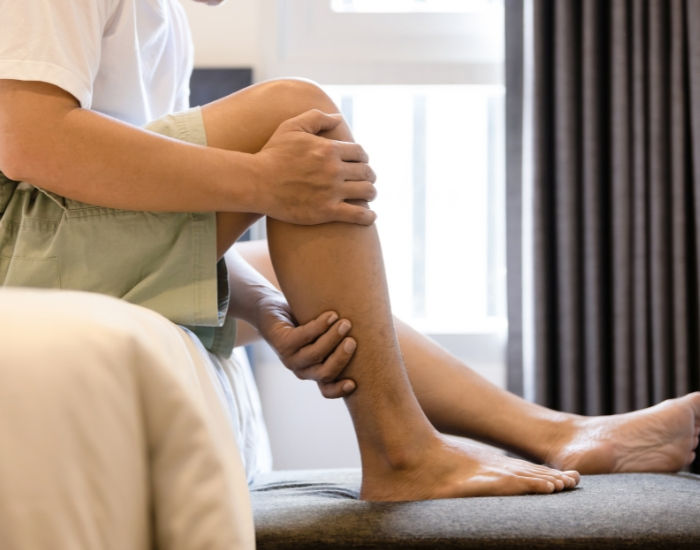
Leg aches and pains are common complaints that affect millions of people. Sometimes the discomfort is mild and temporary. Other times, it can be persistent and interfere with daily life. Whether it’s a dull ache, a sharp stab, or a heavy feeling in your legs, these sensations are your body’s way of signaling that something may be off.
Quick Answer: The most common causes of leg aches and pains are muscle fatigue or strain, vein problems such as venous insufficiency, narrowed leg arteries (peripheral arterial disease), nerve irritation such as sciatica, and joint conditions like arthritis. Less often, a blood clot is responsible. The pattern usually points to the cause: vein pain builds through the day and eases with elevation, artery pain comes with walking and stops with rest, and nerve pain shoots or burns along a path. Pain that persists, worsens or comes with swelling deserves an evaluation.
Understanding the causes of leg aches and pains is essential. Not all leg pain has the same origin, and identifying the right cause helps determine the best treatment. This article explains common causes, risk factors, warning signs, and when to seek professional care.

Meet your vein specialist
Dr. Syed Raza, MD
Vascular & Interventional Radiology · Founder, Premier Vein & Vascular Center
Fellowship-trained interventional radiologist certified by the American Board of Radiology and the Royal College of Radiologists (UK). Former Chief of Interventional Radiology at UTMB Galveston and Memorial Hermann Memorial City, with 15+ years treating varicose veins, venous reflux and peripheral arterial disease.
Different Types of Leg Pain You Might Experience
Leg aches and pains can feel very different depending on their source. Recognizing these differences can help you understand what your body is telling you.
Some common types of leg discomfort include:
-
Dull or throbbing aches
-
Sharp or stabbing pains
-
Burning or tingling sensations
-
Tightness or cramping
-
Heaviness or fatigue in the legs
Sometimes leg pain is temporary, caused by overuse or standing for long periods. Other times, it may signal an underlying problem such as circulation issues, nerve irritation, or joint disorders. Paying attention to the quality, timing, and location of your discomfort is the first step toward finding the cause.
Muscle Strain and Overuse
One of the most common causes of leg aches and pains is simple muscle fatigue.
Muscles can become sore or tight after:
-
Exercise or running
-
Walking long distances
-
Standing for extended periods
-
Repetitive movements at work or home
This type of pain usually improves with rest, stretching, hydration, and light activity. However, persistent soreness that does not improve may indicate a deeper issue. In such cases, professional evaluation can help rule out more serious causes.
Poor Circulation: Arteries and Veins
Sometimes leg pain is not caused by muscles at all. Instead, it may stem from circulation problems.
Arterial Issues
Peripheral artery disease (PAD) occurs when arteries in the legs narrow, reducing blood flow. This can cause:
-
Pain or cramping during walking
-
Fatigue in the legs
-
Cold or pale feet
-
Slow-healing cuts or wounds
Venous Issues
On the other hand, venous problems happen when blood struggles to return to the heart. Veins in the legs have one-way valves that prevent blood from pooling. When these valves fail, blood collects in the lower legs, causing:
-
Heaviness or swelling
-
Visible varicose veins
-
Aching that worsens after standing
-
Burning or itching sensations
By understanding whether the pain appears during activity or rest, it becomes easier to identify the underlying circulation problem.
Nerve-Related Causes
Not all leg aches and pains come from muscles or blood vessels. Sometimes the nerves are involved.
For example, compression of spinal nerves, often called sciatica, can cause:
-
Sharp, shooting pain from the lower back to the leg
-
Tingling or numbness
-
Weakness in the leg
-
Burning sensations
Nerve-related pain often follows a specific path and may worsen when sitting or bending. Recognizing this pattern helps differentiate it from other causes of leg pain.
Joint Problems and Arthritis
Another common reason for leg aches and pains is joint disorders. Osteoarthritis, rheumatoid arthritis, or other inflammatory conditions can lead to:
-
Stiffness in the knees, hips, or ankles
-
Swelling and tenderness
-
Pain that worsens with activity
-
Grinding or popping sensations
Joint pain is usually localized around the affected area and may improve with rest. Early management, including exercise and anti-inflammatory care, often improves mobility and reduces discomfort.
Nighttime Leg Cramps
Sudden, intense cramps at night are another frequent source of leg discomfort. These cramps often affect the calf muscles and can wake people from sleep.
Potential causes include:
-
Muscle fatigue from the day’s activity
-
Dehydration or electrolyte imbalance
-
Circulation problems
When cramps occur frequently, especially alongside swelling or visible veins, vein dysfunction may be a contributing factor.
Blood Clots: A Serious Cause to Watch
While rare, deep vein thrombosis (DVT) can be a dangerous cause of leg pain.
Warning signs include:
-
Swelling in one leg
-
Warmth or redness
-
Persistent pain that does not improve with rest
Immediate medical attention is critical, as blood clots can travel to the lungs and cause life-threatening complications.
Risk Factors That Increase Leg Pain
Several lifestyle and health factors increase the likelihood of developing leg aches and pains, particularly those related to circulation:
-
Age over 40
-
Obesity or weight gain
-
Diabetes
-
High blood pressure
-
High cholesterol
-
Smoking
-
Sedentary lifestyle
-
Family history of vein or artery problems
Addressing these risk factors early can help reduce pain, prevent progression, and improve overall leg health.
When to Seek Professional Help
Leg pain should not be ignored, especially if it:
-
Persists for weeks or months
-
Worsens over time
-
Interferes with walking or daily activities
-
Comes with swelling, skin changes, or redness
-
Is sudden and severe
Early evaluation by a qualified vein or vascular specialist can identify the cause and prevent long-term complications. Moreover, early intervention often leads to faster recovery and better outcomes.
Treatment Options
Treatment depends on the underlying cause of the leg pain:
Muscle or Overuse Pain
-
Rest and gentle stretching
-
Hydration and proper nutrition
-
Heat or ice therapy
-
Physical therapy
Circulation-Related Pain
-
Compression stockings
-
Elevating legs
-
Minimally invasive vein procedures
-
Lifestyle modifications, including exercise and weight management
Nerve or Joint Pain
-
Anti-inflammatory medications
-
Physical therapy or targeted exercises
-
Medical procedures for severe or persistent cases
By addressing the root cause rather than just symptoms, treatment often leads to lasting relief.
Preventing Leg Aches and Pains
Although not all causes are preventable, several habits reduce the risk of recurring leg pain:
-
Move regularly throughout the day
-
Avoid prolonged sitting or standing
-
Stretch muscles before and after activity
-
Stay hydrated
-
Maintain a healthy weight
-
Wear compression stockings if recommended
Consistent preventive measures improve circulation, strengthen muscles, and reduce discomfort.
Final Thoughts: Listen to Your Legs
Leg aches and pains can be caused by simple overuse, joint problems, nerve issues, or circulation disorders. The key is paying attention to patterns, timing, and additional symptoms.
When leg pain is persistent, worsening, or accompanied by swelling or skin changes, professional evaluation is essential. Early diagnosis often leads to faster relief, better mobility, and improved quality of life.
Listening to your body and acting promptly can prevent minor aches from turning into more serious problems.
Causes of Leg Aches and Pains by Location
Where your leg hurts is one of the most useful clues we have. The same ache can mean very different things in the calf, the shin or behind the knee. This table is a starting point for a conversation with your doctor, not a diagnosis.
| Where it hurts | Common causes | Clues that point to the cause |
|---|---|---|
| Calf | Cramps, muscle strain, vein reflux, DVT, arterial narrowing | Heaviness by evening suggests veins; pain with walking that stops with rest suggests arteries; new one-sided swelling suggests a clot |
| Behind the knee | Baker’s cyst, small saphenous vein reflux, clot | A soft lump that swells with activity, or sudden calf swelling if a cyst leaks |
| Shin | Shin splints, stress fracture, skin changes from vein disease | Pain along the bone after running, or brown, itchy skin above the ankle |
| Thigh and buttock | Sciatica, hip arthritis, iliac artery narrowing | Shooting pain from the back, groin pain with hip movement, or cramping with walking |
| Ankle and foot | Swelling from veins, arthritis, nerve damage, poor arterial flow | Burning or numbness suggests nerves; cold, pale feet suggest arteries |
| Inner thigh along a vein | Varicose veins, superficial thrombophlebitis | A tender, firm, red cord along a visible vein |
Less Obvious Causes of Leg Aches We Often See
Beyond the common causes, several others are easy to miss:
- Medication side effects. Some cholesterol-lowering statins can cause muscle aches, and some diuretics lower potassium and trigger cramps. Never stop a medication without talking to your prescriber.
- Low vitamin D or thyroid problems, which can cause diffuse muscle aches and weakness.
- Restless legs, an uncomfortable urge to move the legs in the evening that is often linked to low iron and sometimes to vein reflux. See our restless leg syndrome page.
- Pelvic vein reflux, which in women can feed varicose veins on the back of the thigh and cause aching that is worse around periods.
- Diabetic neuropathy, which causes burning, tingling or numbness, usually starting in both feet.
Why Vein-Related Leg Aches Are So Often Overlooked
Vein disease is one of the most common causes of daily leg aching, yet many patients tell us they spent years being told their legs were just tired. There are good reasons it gets missed. The veins responsible for the symptoms are often deep under the skin and not visible, particularly in people with fuller legs. Symptoms also tend to be worst in the late afternoon, while most medical appointments happen in the morning when the legs look and feel better.
The pattern to watch for is consistent: legs that feel fine on waking, then grow heavier, achier and more swollen as the day goes on, and improve when you sit with your feet up. Itching around the ankles, restless legs at night and sock marks that are deeper by evening complete the picture. If that sounds familiar, an ultrasound can confirm whether venous insufficiency is behind it. You can also review common warning signs on our vein disease symptoms page.
Keep a Simple Leg Pain Diary Before Your Visit
Because leg pain has so many causes, a few days of notes can save weeks of guesswork. Before your appointment, jot down:
- Where the pain is and whether it is in one leg or both
- What it feels like: aching, cramping, burning, shooting or throbbing
- What time of day it is worst and how long it lasts
- What brings it on, such as walking, standing, sitting or lying down
- What eases it, such as rest, elevation, walking or stretching
- Any swelling, skin color change, numbness or visible veins
- New medications or changes in activity around the time it started
Bringing this record to your visit helps us connect your symptoms to the right test and the right treatment much more quickly.
It also helps to bring a list of every medication and supplement you take, any previous ultrasound or X-ray reports, and the names of other doctors involved in your care. If you have had a blood clot, surgery on your legs or a vein procedure in the past, note roughly when. Wearing shorts or loose clothing that can be rolled up makes the examination quicker, and if your symptoms are worst late in the day, an afternoon appointment lets us see your legs when the problem is most obvious.
How We Evaluate Leg Aches and Pains at Premier Vein
- Focused history. We go through your pain pattern, your diary if you have one, medical conditions such as diabetes, smoking history, prior clots, pregnancies and medications.
- Physical exam. We compare both legs for swelling, skin changes, visible veins, temperature, pulses and joint movement, examining the veins while you stand.
- The right test. A venous duplex ultrasound in our IAC-accredited vascular lab maps reflux and rules out clots. When pulses are weak or pain comes with walking, an ankle-brachial index checks for peripheral arterial disease.
- A clear plan. We explain what the tests show. If the cause is venous or arterial, we discuss treatment options. If it lies in the spine, joints or nerves, we tell you so and help you reach the right specialist.
Call 911 or seek emergency care if you have:
- A leg or foot that suddenly becomes cold, pale, blue or numb
- Sudden swelling, warmth and pain in one leg
- Leg pain with chest pain, shortness of breath or coughing up blood
- Sudden leg weakness or loss of bladder or bowel control
- A red, hot, spreading area of skin with fever, or a wound with black or dying tissue
Getting Leg Pain Checked in Houston
If your leg aches have lasted more than a few weeks, keep returning at the end of each day, or come with swelling, skin changes or pain on walking, it is worth having the circulation checked. Dr. Syed Raza is a fellowship-trained interventional radiologist and former Chief of Interventional Radiology at UTMB Galveston and Memorial Hermann Memorial City, with more than 15 years of experience treating venous reflux and PAD. Our vein and vascular clinic in Houston performs vein and arterial testing on site, usually offers same-week appointments, and accepts most insurance plans, including Medicare.
Talk With a Specialist at Premier Vein
Have questions about your symptoms or treatment options? Dr. Syed Raza and the team at Premier Vein & Vascular Center can evaluate your concerns and explain your options clearly. Same-week appointments are usually available, and most insurance plans are accepted.
Frequently Asked Questions
Why do my legs ache at the end of the day?
Legs that feel fine in the morning but heavy and achy by evening often point to venous insufficiency, where leaky vein valves let blood pool while you stand. Long hours on your feet and warm weather make it worse. A venous ultrasound can confirm the cause.
Can vein problems cause leg pain without visible varicose veins?
Yes. The veins responsible for reflux can lie deep under the skin and may not be visible, especially in fuller legs. Aching, swelling, itching and night cramps can occur before any varicose veins appear.
What kind of doctor should I see for leg aches?
Start with your primary care doctor for general leg pain. If the pain is linked to swelling, visible veins, skin changes or walking, a vein or vascular specialist can test the veins and arteries directly. Joint or back-related pain may need an orthopedic or spine specialist.
Can statins cause leg aches?
Some people taking statins develop muscle aches, often in the thighs or calves. Do not stop the medication on your own, but tell your doctor, who can check for other causes and adjust treatment if needed.
Is aching in both legs less serious than in one leg?
Aching in both legs is more often due to vein disease, overuse, medications or a body-wide condition. New pain and swelling in only one leg needs faster evaluation because it can signal a blood clot or a local problem.
Trusted Health Resources
- Muscle Cramps, MedlinePlus (NIH)
- Chronic Venous Insufficiency, Society for Vascular Surgery
Medical Disclaimer: This content is for educational purposes only and does not replace professional medical advice, diagnosis, or treatment. Symptoms vary between individuals, and anyone experiencing persistent, severe, or sudden leg pain should seek evaluation from a licensed healthcare professional. Do not ignore professional advice or delay care based on this information.