
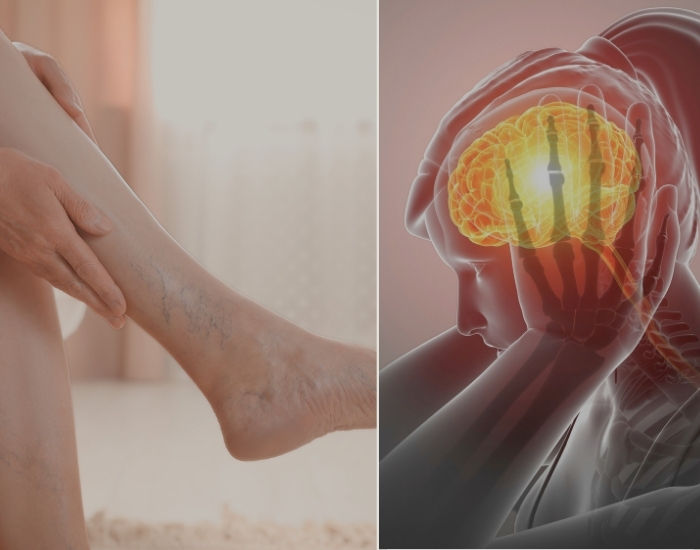
In today’s world, there are many stressors. A recent study showed that the majority of adults are experiencing higher-than-usual levels of stress. Most adults admit to feeling more stressed than ever over the last year. Stress can cause mental issues, but it can also cause physical problems. Stress over a long period can cause circulation issues. This means that if we aren’t careful, this stress can build up and cause varicose veins in the legs. There are several other ways that stress can lead to varicose veins. Here are some facts about stress and how it relates to varicose veins.

Meet your vein specialist
Dr. Syed Raza, MD
Vascular & Interventional Radiology · Founder, Premier Vein & Vascular Center
Fellowship-trained interventional radiologist certified by the American Board of Radiology and the Royal College of Radiologists (UK). Former Chief of Interventional Radiology at UTMB Galveston and Memorial Hermann Memorial City, with 15+ years treating varicose veins, venous reflux and peripheral arterial disease.
What are Varicose Veins?
Varicose veins are twisted, enlarged veins that usually occur in the legs. They can appear blue, red, or purple and are bumpy and swollen. Varicose veins are caused by faulty valves. The valves don’t work properly, so blood begins to pool within the veins. The valves can start to malfunction because the walls of the vein have become weak or damaged. Many factors can lead to this weakening of the vein walls. Varicose veins are not only unsightly; they can also be extremely painful. Some other symptoms of varicose veins are leg cramps, nighttime leg pain, heaviness in the legs, swelling in the legs, and dryness in the legs.
Quick Answer: Stress does not create varicose veins on its own; the main causes are inherited valve weakness, hormones, pregnancy, age and long hours standing or sitting. But chronic stress can make vein problems worse, mostly through the habits and body changes it brings: more sitting, poor sleep, weight gain, smoking, raised blood pressure and inflammation. Managing stress, moving your legs often and having a venous duplex ultrasound when symptoms appear are the most practical steps, and existing varicose veins can be treated in the office.

Understanding Stress
How can stress cause varicose veins? Stress has several features that can lead to varicose veins. Our bodies are equipped with immune functions that naturally kick in when the body is put under stress. Whether stress comes from illness and injury to the body or if it comes from situational circumstances, it can have damaging effects on the body.
Types of Stress
Stress can come in many forms. Some types of stress can include:
- Chronic Stress
This occurs when stress occurs for many years, such as financial issues, employment issues, or an unhappy marriage. These long-term stressors can cause stress on the body. - Acute Stress
Also known as episodic stress, acute stress occurs when a one-time event impacts the body. Examples include a deadline, an argument, or a traffic jam. - Situational Stress
Specific stressors are the indicators of situational stress. A move, a divorce, and other significant factors come into play when discussing situational stress.
How Stress Affects the Body
Some of the symptoms of stress include:
- Blood Pressure
Stress can lead to high blood pressure, which can cause the veins in the legs to constrict. Over time, this pressure can impact the veins, bending or twisting them. This bending and twisting is what causes varicose veins. - Lifestyle Factors
Stress can contribute to many various lifestyle factors. Some of these factors can include an unhealthy diet, unhealthy exercise habits, and lack of sleep. Extensive periods of time spent on one’s feet can put stress on the legs, leading to varicose veins. - Inflammation
This complicated topic can be a point of concern. What exactly does this mean? What is inflammation? Inflammation is an immune response and is the body’s natural reaction to injury, illness, or stress. When there’s inflammation in the body, the veins can become swollen and flip over or bend. - Hormonal Changes
When stressed, our bodies release hormones. Two of these hormones are adrenaline and cortisol. When adrenaline reaches high levels, blood pressure increases. When cortisol reaches high levels, the walls of the veins are weakened. This creates an issue in which the veins twist and crimp. Cortisol levels are the most significant way stress in the body leads to varicose veins. - Weight Gain
Weight gain puts undue stress on the legs and feet. This pressure can weaken the walls of the veins, leading to valve malfunction, blood pooling, and the appearance of varicose veins. - Pregnancy
With the joys of pregnancy comes the stress of rapid weight gain, swelling of the joints, and possible edema in the legs. With these stressors comes the possibility of fragility of the walls of the veins and eventual varicosity of the veins.
Managing Stress to Improve Vein Health
It’s essential to try to manage and control stress. Not all stressors can be readily avoided, but here are some tips for controlling what you can.
- Regular Exercise
- Meditation
- Planning Ahead
- Time Management
- Eating Healthfully
- Getting Enough Rest
Treatment Options for Varicose Veins
Varicose veins are not considered a severe health condition. However, over time, they can lead to other issues. It is highly recommended that veins be treated and carefully observed so that they don’t become a more significant issue. Veins can be treated conservatively or more intervention can be needed. Conservative treatments include compression socks, elevation, over-the-counter medications, and lifestyle changes. If these treatments don’t prove to be effective, intervention can be taken. There are several options for minimally invasive.
Why Choose Premier Vein and Vascular Center in Houston, Texas?
For more information about treating varicose veins, contact Premier Vein and Vascular Center in Houston, Texas. We are leaders in the Houston area in vein treatment. Schedule an appointment today for a consultation. We will help you fall in love with your legs again.
Stress and Varicose Veins: What the Link Really Looks Like
Patients often tell us their legs got worse during a hard stretch of life: a new job, caring for a parent, a move, a divorce. That observation is real, and it is worth taking seriously. The most useful way to understand it is to think of stress as an amplifier. Varicose veins start with valves inside the veins that no longer seal properly, a tendency that is largely inherited and shaped by hormones, pregnancy and age. Stress does not flip that switch by itself, but it can turn up the volume on everything that strains those valves.
That framing matters because it points to solutions. You cannot change your genes, but you can change many of the stress-driven habits that push vein pressure higher, and you can treat veins that have already failed.
Stress-Driven Habits That Raise Vein Pressure
When life is stressful, routines change in predictable ways. Each of the changes below has a direct effect on the leg veins.
| What happens under stress | Effect on leg veins | A practical counter-move |
|---|---|---|
| Longer hours at a desk or in the car | Calf muscle pump sits idle; blood pools in the lower legs | Stand and walk two minutes every 30 to 60 minutes; ankle pumps while seated |
| Skipped workouts | Weaker calf pump, gradual weight gain | Short daily walks count; even 15 minutes helps |
| Comfort eating and salty takeout | Weight gain and fluid retention increase leg swelling | Plan simple meals; drink water through the day |
| Poor sleep | Less recovery time with legs level; worse fatigue and cramps | Regular bedtime; elevate legs for 15 minutes before sleep |
| Smoking or more alcohol | Damages vessel walls and slows healing | Seek support to cut back; avoid using either as a stress outlet |
| Constipation from diet and inactivity | Straining raises abdominal pressure that transmits to leg veins | Fiber, fluids and movement |
None of these is dramatic on a single day. Over months and years, they add up, and in someone with a family tendency toward vein disease, they can bring symptoms on sooner or make them more intense.
Is It Stress or Vein Disease? Overlapping Symptoms
Some symptoms people blame on stress are actually signs of venous insufficiency, and some vein symptoms get worse when you are tense or tired. Sorting them out matters.
- Restless legs at night. Can be linked to stress and poor sleep, but it is also common with vein reflux. When vein disease is the driver, treating the veins often helps. See our page on restless leg syndrome.
- Night cramps. Dehydration and fatigue play a role, but cramps that cluster in the calf and come with swelling or heaviness are often venous. Learn more about leg cramping.
- Heavy, tired legs. General exhaustion feels whole-body. Vein heaviness is focused in the legs, builds through the day and eases with elevation.
- Ankle swelling. Stress does not usually cause swelling directly. Swelling that leaves sock marks by evening points toward the veins, and swelling in only one leg needs prompt evaluation.
If symptoms follow the vein pattern, worse after standing and better with legs up, an ultrasound is the best way to know whether reflux is present.
A Vein-Friendly Plan for High-Stress Weeks
Stress-management advice is easier to follow when it is specific. These are the steps we suggest to busy patients who want to protect their legs without overhauling their lives.
At your desk
- Set a recurring reminder to stand, stretch and walk to refill water
- Do 10 ankle pumps and 10 heel raises every hour
- Use a footrest so your knees are not bent sharply for hours
- Take phone calls standing or walking when possible
On your feet all day
- Shift weight from foot to foot and rise onto your toes often
- Wear supportive shoes with a modest heel
- Put on graduated compression socks before your shift, not after swelling starts
At the end of the day
- Lie down with legs raised above heart level for 15 to 20 minutes; pair it with slow breathing to unwind
- Take an evening walk instead of a second hour of scrolling
- Keep a regular bedtime to protect sleep
Several of these steps do double duty. A walk after dinner lowers stress and works the calf pump. Leg elevation with a few minutes of breathing exercises relaxes the mind and drains pooled blood at the same time.
How We Evaluate Varicose Veins at Premier Vein
If your legs ache, swell or show bulging veins, an evaluation tells you whether stress-related habits are aggravating an underlying vein problem that needs treatment. Our visit follows four steps:
- Focused history. We ask about symptoms and their pattern through the day, your work and activity, sleep, family history, pregnancies, prior clots and medications.
- Standing examination. We examine the veins, swelling and skin with you standing, and check foot pulses.
- Venous duplex ultrasound. In our IAC-accredited vascular lab, this painless scan shows which valves leak and checks the deep veins for clot.
- A clear plan. We explain whether the findings call for lifestyle measures and compression, a minimally invasive procedure, or both, and how to fit care around a demanding schedule.
Treating Varicose Veins Without Adding More Stress
One reason people put off care during stressful periods is the fear of taking time off. Modern vein treatment is designed around busy lives. Endovenous thermal ablation and non-thermal ablation close the leaking vein through a needle puncture under local anesthesia, usually in about an hour. Most patients walk out, take a short walk that evening and return to desk work the next day. Remaining branches can be handled later with phlebectomy or sclerotherapy.
Many patients find that once heavy, aching legs improve, they sleep better and feel more able to stay active, which helps with stress in turn.
Call 911 or seek emergency care if you have:
- Sudden swelling, pain and warmth in one leg, which may be a deep vein thrombosis
- Chest pain, sudden shortness of breath or a racing heartbeat with breathlessness
- A varicose vein that bleeds heavily and does not stop with firm pressure and elevation
- A painful, red, hard vein with spreading redness or fever
When to See a Vein Doctor in Houston About Stress and Leg Symptoms
If stressful months have left you with heavier legs, more swelling or veins that look worse than before, an evaluation can show whether there is an underlying vein problem and what will help most. Our Houston vein specialist team, led by fellowship-trained interventional radiologist Dr. Syed Raza, performs the ultrasound and any treatment in the office, usually offers same-week appointments and accepts most insurance plans, including Medicare. We see patients from across Houston and Katy. Call (832) 321-5355 to schedule.
Talk With a Specialist at Premier Vein
Have questions about your symptoms or treatment options? Dr. Syed Raza and the team at Premier Vein & Vascular Center can evaluate your concerns and explain your options clearly. Same-week appointments are usually available, and most insurance plans are accepted.
Frequently Asked Questions
Can anxiety cause leg pain or heaviness?
Anxiety can cause muscle tension, fatigue and restless feelings that are felt in the legs. Heaviness that builds through the day, eases when the legs are raised and comes with swelling or visible veins is more typical of vein disease and is worth checking with an ultrasound.
Can reducing stress make varicose veins go away?
No. Once vein valves have failed, managing stress will not repair them. Lower stress can, however, help you keep up habits such as walking, sleeping well and maintaining a healthy weight, which ease symptoms and slow progression.
Does high blood pressure cause varicose veins?
High blood pressure mainly affects the arteries, while varicose veins are caused by pressure problems in the veins from leaking valves. Keeping blood pressure controlled is important for overall vascular health, but it is not the main driver of varicose veins.
Is sitting at a desk bad for varicose veins?
Sitting for hours without moving lets blood pool in the lower legs because the calf muscle pump is inactive. Standing up, walking briefly and doing ankle pumps regularly help counter this.
What exercises help varicose veins during stressful times?
Walking, swimming, cycling and simple calf raises all strengthen the calf muscle pump. They also lower stress, so they are among the most useful habits for both your veins and your well-being.
When should stress-related leg symptoms be checked?
See a vein specialist if leg aching, swelling, cramps or visible veins persist for weeks, affect sleep or work, or come with skin changes. Sudden swelling and pain in one leg needs urgent care.
ABOUT PREMIER VEIN & VASCULAR CENTER: Premier Vein & Vascular Center, a leading vein clinic in Houston and among the top specialized vein treatment clinics in the USA, has provided expert vein care for over 20 years. The center offers minimally invasive treatments for varicose veins, spider veins, and deep vein thrombosis, led by Dr. Syed Raza, MD, a Board-Certified Vein Specialist and Interventional Radiologist. Dedicated to pain-free, healthier living, the clinic delivers cutting-edge, patient-centered care for optimal results.
Trusted Health Resources
- Chronic Venous Insufficiency, Society for Vascular Surgery
- Venous Insufficiency, MedlinePlus Medical Encyclopedia (NIH)
- Varicose Veins and Spider Veins, MedlinePlus (NIH)