
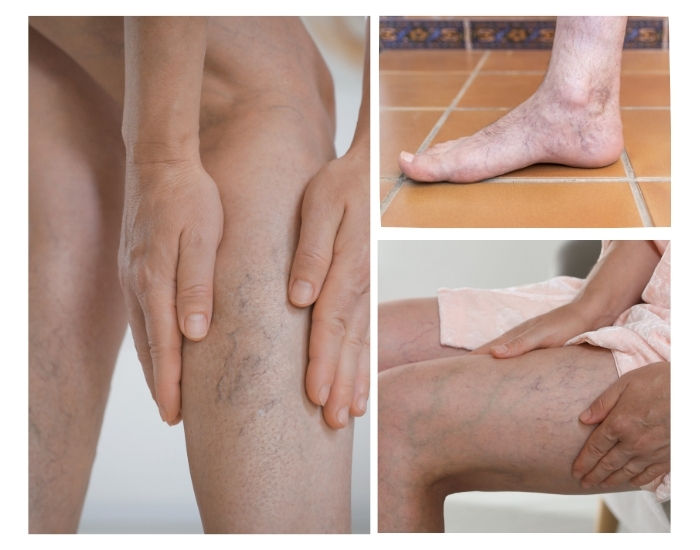
Deep vein thrombosis (DVT) is more common than many people realize, and yet it often goes unnoticed until serious complications arise. This condition develops when a blood clot forms in a deep vein—most often in the legs—disrupting normal circulation. At first, the symptoms may seem subtle, such as mild swelling or leg discomfort, which is why DVT is sometimes mistaken for a muscle strain or fatigue. However, ignoring these early warning signs can be dangerous. If left untreated, a clot can travel to the lungs and cause a pulmonary embolism, a potentially life-threatening emergency.
Quick Answer: The early signs of DVT are usually swelling in one leg, a cramping or tight ache in the calf that does not ease with stretching, warmth and a reddish or bluish tint to the skin. One-sided symptoms are the key warning sign, especially after surgery, a hospital stay, long travel, pregnancy or while taking estrogen. See a doctor or vein specialist the same day for an ultrasound. Chest pain, sudden breathlessness or coughing up blood mean a possible pulmonary embolism and need 911.
The good news is that DVT is both treatable and, in many cases, preventable when recognized early. By learning what symptoms to watch for and understanding when to seek medical attention, you can protect yourself and reduce the risk of complications. In this article, we’ll break down what DVT is, highlight the early signs you should never ignore, and explain when it’s time to consult a vascular specialist or head straight to the ER. Your awareness and quick action could make all the difference.

Meet your vein specialist
Dr. Syed Raza, MD
Vascular & Interventional Radiology · Founder, Premier Vein & Vascular Center
Fellowship-trained interventional radiologist certified by the American Board of Radiology and the Royal College of Radiologists (UK). Former Chief of Interventional Radiology at UTMB Galveston and Memorial Hermann Memorial City, with 15+ years treating varicose veins, venous reflux and peripheral arterial disease.
1. What is Deep Vein Thrombosis?
Deep vein thrombosis (DVT) is a condition that occurs when a blood clot forms in one of the deep veins of the body, most commonly in the legs. These clots obstruct normal blood flow, which can lead to swelling, pain, tenderness, and a feeling of warmth in the affected limb. In some cases, the skin may appear red or discolored. While the symptoms can sometimes be mild or mistaken for muscle strain, DVT is a serious medical condition because the clot can break loose and travel through the bloodstream to the lungs, causing a potentially life-threatening pulmonary embolism.
DVT can affect anyone, but certain factors—including prolonged immobility, surgery, or underlying health conditions—significantly increase the risk. Timely recognition and medical intervention are essential to prevent complications, minimize discomfort, and protect long-term vascular health. Understanding how DVT develops and recognizing its early warning signs can be the difference between a manageable condition and a life-threatening emergency.
2. Causes and Risk Factors
Blood clots form when circulation slows down or becomes disrupted. Common triggers include long periods of immobility, such as during long-distance travel, recovery after surgery, or extended hospital stays. Genetics also play a role, as some people inherit clotting disorders that make them more prone to DVT. Other contributing factors include obesity, smoking, dehydration, and the use of hormonal birth control or hormone replacement therapy.
Understanding these risk factors helps you stay alert to warning signs and take preventive measures when necessary.
3. Early DVT Symptoms You Should Never Ignore
Recognizing the symptoms of DVT early can prevent serious complications. Common warning signs include swelling in one leg, redness or discoloration, warmth around the affected area, and persistent calf pain. Importantly, one-sided leg swelling is more concerning than swelling in both legs, as it often signals a localized clot.
If you notice these symptoms, it’s important to seek prompt medical attention rather than waiting for them to resolve on their own.
4. Blood Clot vs Muscle Pain: How to Tell the Difference
Muscle pain is common and often results from overuse or injury, but DVT-related pain has distinct characteristics. Muscle soreness usually improves with rest, stretching, or massage, while clot-related pain often worsens with walking or standing. DVT pain is typically localized in the calf, accompanied by swelling or warmth, and does not improve with usual muscle care.
When in doubt, always err on the side of caution and get evaluated by a healthcare provider.
5. When DVT Becomes an Emergency: Pulmonary Embolism Symptoms
DVT becomes especially dangerous when a clot breaks off and travels to the lungs, leading to a pulmonary embolism (PE). This is a medical emergency that requires immediate attention. Symptoms of PE include:
-
Sudden chest pain
-
Shortness of breath
-
Rapid heartbeat
-
Lightheadedness or dizziness
If you experience any of these signs, call 911 or go to the nearest emergency room right away.
6. Treatment Options and Next Steps
The treatment approach depends on your symptoms, risk level, and whether complications have developed. Mild cases of DVT can often be managed with blood-thinning medications and compression therapy. In more severe cases, minimally invasive procedures such as catheter-directed thrombolysis may be necessary to dissolve or remove the clot.
If you suspect DVT but do not have severe symptoms, urgent care or a vascular specialist visit is usually appropriate. However, if you develop chest pain or difficulty breathing, go directly to the ER. Early evaluation is the key to preventing serious outcomes.
Why Early DVT Signs Are So Easy to Miss
Deep vein thrombosis rarely announces itself dramatically. Most clots start small in the calf veins, where the muscle around them can mask swelling, and the first sensation is often just a dull ache or tightness that feels like a sore muscle after a long day. Some clots, particularly in people who are bedbound or recovering from surgery, cause no symptoms until a piece reaches the lungs.
The clue we emphasize most to patients is asymmetry. Both legs tend to swell a little after a long flight or a hot day; one leg that is clearly fuller, tighter or more painful than the other is different. A simple check is to compare the two calves side by side, look at whether a sock leaves a deeper mark on one leg, and notice whether one ankle bone has become harder to see.
High-Risk Windows: When to Watch for DVT Symptoms Most Closely
Risk is not constant. It rises sharply during certain periods, and knowing them helps you recognize when a leg symptom deserves attention.
| Situation | Why risk rises | When to stay alert |
|---|---|---|
| After surgery, especially hip, knee or abdominal surgery | Immobility, vein injury and the body’s clotting response to surgery | For several weeks afterward, even once you are home |
| Hospital stay or illness confining you to bed | The calf muscle pump is switched off | During the stay and the weeks after discharge |
| Long flights or car trips | Hours of sitting with knees bent | During travel and for a couple of weeks after |
| Pregnancy and after childbirth | Hormonal changes and pressure on pelvic veins | Throughout pregnancy and especially the first six weeks after delivery |
| Estrogen-containing birth control or hormone therapy | Increased tendency of blood to clot | Particularly in the first months and when combined with other risks |
| Active cancer or chemotherapy | Cancer and some treatments promote clotting | Throughout treatment |
| Leg injury or a leg in a cast | Vein damage plus immobility | Until normal walking resumes |
A previous DVT, a family history of clots, smoking and obesity add to the risk in every one of these situations.
DVT in the Arm: Signs People Overlook
Clots can also form in the deep veins of the arm and neck. These are often linked to a PICC line, port or other catheter in the vein, but they can also follow intense repetitive overhead activity such as weightlifting or swimming. Warning signs include swelling of the hand, forearm or whole arm, an aching or heavy feeling, a bluish tinge to the skin and new visible veins across the shoulder or chest. If you have a port or line and notice these changes, contact your care team the same day. Our venous access page explains more about how these devices are placed and cared for.
Superficial Clot or DVT? Why the Difference Matters
A painful, red, hard cord along a visible vein, often a varicose vein, is usually superficial thrombophlebitis rather than a DVT. It is generally less dangerous, but not always harmless. A superficial clot near the groin or behind the knee can extend into the deep veins, and people with superficial clots have a higher chance of a hidden DVT. That is why an ultrasound is recommended for most superficial clots, particularly larger ones or those high in the leg.
Simple Steps That Lower Your DVT Risk
Many clots can be prevented with a few habits, especially during the high-risk windows above:
- Move your calves. On flights, drives and long workdays, stand and walk every hour or two, and do ankle pumps and heel raises while seated.
- Ask about prevention before surgery. Your surgical team may recommend blood thinner injections or tablets, compression devices or early walking, depending on the operation.
- Get up early after illness or surgery. Even short, frequent walks around the house help keep blood moving.
- Review hormones. If you have had a clot or have a family history, discuss estrogen-containing medicines with your doctor.
- Stay hydrated, avoid smoking and keep a healthy weight. Each lowers clot risk over time.
None of these replaces medical evaluation if symptoms appear, but together they make a real difference in everyday risk.
How We Evaluate Possible DVT Symptoms
- Focused history. We ask when the symptoms began and look for recent triggers such as surgery, travel, illness, injury, pregnancy or hormone use, along with past clots and family history.
- Examination. We compare both legs, measure calf size, check for tenderness along the deep veins and look at the skin and surface veins.
- Venous duplex ultrasound. Our IAC-accredited vascular lab scans the deep and superficial veins to confirm or rule out a clot and show exactly where it is.
- A clear plan. If there is a clot, treatment starts promptly and follow-up is arranged. If not, we explain what is causing your symptoms, whether that is a muscle problem, a Baker’s cyst or venous insufficiency.
When to See a Vein Specialist for DVT Concerns
Beyond the emergency situations described above, a vein specialist visit is worthwhile if you:
- Have one-sided leg swelling or calf pain without chest or breathing symptoms and want prompt ultrasound testing
- Have had a DVT and still notice swelling, heaviness or skin darkening months later, which may be post-thrombotic changes
- Have had more than one superficial clot in a varicose vein
- Have varicose veins and a personal or family history of clots and are planning surgery, pregnancy or long-haul travel
Call 911 or go to the nearest ER if you have:
- Sudden shortness of breath or chest pain, especially with leg swelling
- Coughing up blood
- Fainting, severe lightheadedness or a racing heartbeat
- A leg that suddenly becomes very swollen, blue or pale and extremely painful
DVT Evaluation With a Vein Specialist in Houston
If you have one-sided leg swelling, a calf that feels tight or tender, or new symptoms after surgery or travel, do not wait for it to pass. A Houston vein specialist with an accredited vascular lab can confirm or rule out a clot quickly. Dr. Syed Raza is a fellowship-trained interventional radiologist with more than 15 years of experience caring for patients with venous disease. Learn more on our deep vein thrombosis page or call (832) 321-5355. Same-week appointments are usually available, and most insurance plans, including Medicare, are accepted.
Talk With a Specialist at Premier Vein
Have questions about your symptoms or treatment options? Dr. Syed Raza and the team at Premier Vein & Vascular Center can evaluate your concerns and explain your options clearly. Same-week appointments are usually available, and most insurance plans are accepted.
7. FAQs
- Can DVT go away on its own?
No, blood clots rarely resolve without medical treatment. Ignoring symptoms can increase the risk of dangerous complications. - Can I check for a blood clot at home?
You cannot reliably diagnose a clot at home. While swelling, warmth, and pain are warning signs, only medical tests like ultrasound can confirm DVT. - How long does DVT treatment take?
Treatment duration varies, but most patients require anticoagulant therapy for several months. Follow-up care with a vascular specialist ensures the clot is managed safely.
8. Final Thoughts
DVT is a condition that demands attention from the very first symptoms. Early detection can prevent complications like pulmonary embolism and ensure better treatment outcomes. Pay close attention to swelling, redness, and calf pain that does not improve—and never ignore chest pain or shortness of breath.
If you’re concerned about possible signs of DVT, don’t delay care. Contact Premier Vein today to schedule a consultation with our vascular specialists and get the expert guidance you need.
Can DVT cause pain behind the knee?
Yes. A clot in the popliteal vein behind the knee can cause pain, tenderness and swelling there and in the calf. Pain behind the knee can also come from a Baker’s cyst, so an ultrasound is the best way to tell the two apart.
Can young, healthy people get DVT?
Yes. DVT is more common with age, but young, active people can develop clots after surgery, injury, long-haul travel, pregnancy or while taking estrogen-containing birth control, and some have an inherited clotting tendency. Symptoms should be taken seriously at any age.
Does DVT pain come and go?
DVT pain is often a constant ache or tightness that may feel worse when standing or walking and somewhat better with rest and elevation. Because it can fluctuate, pain that eases for a while does not rule out a clot.
Can dehydration cause a blood clot in the leg?
Dehydration on its own is rarely the sole cause, but it can make blood slightly thicker and adds to risk during long travel, illness or after surgery. Staying well hydrated is a simple part of clot prevention.
Do varicose veins increase the risk of DVT?
Varicose veins are linked to a modestly higher risk of DVT and to superficial clots, which can sometimes extend into the deep veins. Having varicose veins evaluated is sensible if you also have other clot risk factors.
Do compression socks prevent DVT on long flights?
Properly fitted graduated compression stockings can lower the risk of travel-related clots, particularly in people with additional risk factors. Walking every hour or two, doing ankle exercises and staying hydrated also help.
Trusted Health Resources
- Venous Thromboembolism, National Heart, Lung, and Blood Institute (NIH)
- About Venous Thromboembolism (Blood Clots), Centers for Disease Control and Prevention
Disclaimer
This article is for informational purposes only and should not be used as a substitute for professional medical advice. Always consult a qualified healthcare provider regarding any symptoms or concerns.