
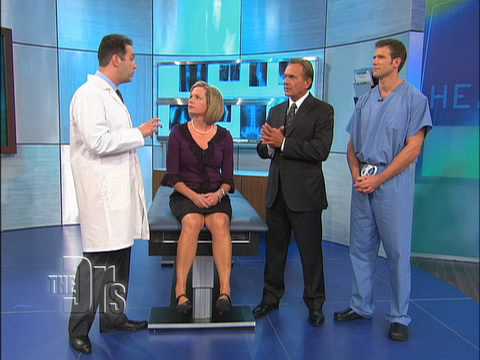
Varicose veins can cause a long list of problems, from feelings of heaviness in the legs to self-esteem issues. Fortunately, help is available with a varicose vein treatment in Houston called sclerotherapy. Watch this video to learn more about how it works.
Quick Answer: Sclerotherapy is an office treatment in which a vein specialist injects a medication called a sclerosant into spider veins or small varicose veins. The medicine irritates the vein lining so the vein seals shut, and the body gradually clears it away over the following weeks. A session usually takes 15 to 45 minutes, needs no anesthesia or downtime, and most people walk out and return to normal activities the same day. Several sessions are often needed, and larger veins with hidden reflux are best checked with an ultrasound first.
During sclerotherapy, a vein specialist injects a small amount of a chemical into spider veins and varicose veins, which causes the veins to collapse. They are absorbed back into the body, where they are no longer visible. Sclerotherapy uses a very small needle and only causes minor discomfort that ends when the procedure is over. Depending on the nature of the patient’s vascular disease, multiple treatments may be required, typically four to six weeks apart.

Meet your vein specialist
Dr. Syed Raza, MD
Vascular & Interventional Radiology · Founder, Premier Vein & Vascular Center
Fellowship-trained interventional radiologist certified by the American Board of Radiology and the Royal College of Radiologists (UK). Former Chief of Interventional Radiology at UTMB Galveston and Memorial Hermann Memorial City, with 15+ years treating varicose veins, venous reflux and peripheral arterial disease.
What Is Sclerotherapy Treatment and Which Veins Does It Treat?
Sclerotherapy is one of the oldest and most reliable treatments in vein medicine. The idea is simple: instead of removing a vein, we close it from the inside. Once a vein is sealed, blood naturally reroutes through the many healthy veins around it, and the treated vein fades as the body breaks it down.
In our practice, sclerotherapy is used mainly for three groups of veins:
- Spider veins (telangiectasias): the fine red, blue or purple threads that often appear on the thighs, knees and ankles
- Reticular veins: the slightly larger blue-green feeder veins just under the skin that often supply clusters of spider veins
- Small to medium varicose veins: bulging branches that are too small or too twisty for a catheter, often treated with foam under ultrasound guidance
It is not the right first step for large varicose veins caused by a leaking saphenous vein deep in the leg. In those cases, the main vein that is feeding the problem needs to be closed first, and sclerotherapy is used afterward to clean up the remaining branches.
How the Sclerosant Works Inside the Vein
The sclerosant medications used today, such as polidocanol and sodium tetradecyl sulfate, act on the thin inner lining of the vein, called the endothelium. When the lining is injured in a controlled way, the vein walls become sticky, swell and press together. Over the next few weeks the sealed vein turns into a thin strand of scar tissue that the body slowly absorbs.
The concentration of the medicine is matched to the size of the vein. Tiny spider veins need only a very weak solution, while reticular and varicose veins need a stronger one. Using the correct strength for each vein is one of the main ways a specialist limits side effects such as staining or matting.
Liquid versus foam
For spider veins we usually inject a liquid. For larger veins the same medicine can be mixed with air or a gas to form a fine foam. Foam pushes the blood out of the way and stays in contact with the vein wall longer, which makes it more effective in bigger veins. When foam is injected into veins below the skin surface, we watch it on ultrasound so it goes exactly where it is needed. That technique is called ultrasound-guided foam sclerotherapy.
Sclerotherapy vs. Other Vein Treatments
Patients often ask us whether sclerotherapy is the best option or whether they need something stronger. The honest answer depends on the size of the veins and on what an ultrasound shows underneath. This table summarizes how the common options compare.
| Treatment | Best for | How it is done | Typical recovery |
|---|---|---|---|
| Liquid sclerotherapy | Spider and reticular veins | Tiny needle injections at the skin surface | Walk out immediately; compression for a short period |
| Ultrasound-guided foam sclerotherapy | Small to medium varicose veins, feeder veins | Foam injected while watching on ultrasound | Same day return to most activities |
| Endovenous ablation (heat or non-thermal) | Leaking saphenous veins that cause bulging varicose veins | Thin catheter placed into the vein through a needle puncture | Usually back to light activity the same or next day |
| Ambulatory phlebectomy | Large, ropey surface varicose veins | Vein removed through tiny nicks under local anesthesia | A few days of bruising and tenderness |
| Surface laser | Very fine facial or leg veins too small to inject | Light energy delivered through the skin | Mild redness for a short time |
Many patients end up with a combination. A common plan is to close a leaking main vein with endovenous thermal ablation and then use sclerotherapy a few weeks later for the smaller visible veins that remain.
Who Is a Good Candidate for Sclerotherapy?
Most healthy adults with spider veins or small varicose veins are good candidates. It works well for people who are bothered by how their legs look, and also for those who have mild aching, burning or itching over clusters of small veins.
We usually postpone or avoid sclerotherapy in a few situations:
- Pregnancy and breastfeeding, because many vein changes improve after delivery and the medicines are not tested in pregnancy
- An active or recent deep vein thrombosis, or a known strong tendency to form clots
- Being unable to walk or bed bound, since walking after treatment helps protect the deep veins
- A known allergy to the sclerosing agent
- Significant arterial disease in the legs, which needs its own assessment first
If you have bulging veins, leg swelling, skin darkening around the ankles or a history of clots, we will almost always recommend a duplex ultrasound before any injections. Treating surface veins while a deeper vein is still leaking is a common reason spider veins return quickly.
How We Evaluate Your Veins Before Sclerotherapy
At Premier Vein and Vascular Center, the aim of the first visit is to make sure sclerotherapy is the right tool and that nothing deeper is driving your veins.
- Focused history. We ask about your symptoms, how long the veins have been present, pregnancies, previous vein treatments, clots, medications and family history.
- Standing examination. Veins fill and show their true pattern when you stand, so we examine your legs upright and look for feeder veins, swelling and skin changes.
- Venous duplex ultrasound when needed. If there are visible varicose veins or symptoms, a venous ultrasound in our accredited vascular lab checks for reflux in the deeper veins and rules out clots.
- A clear plan. We explain which veins will be treated, whether a main vein needs to be closed first, how many sessions are likely and what to expect in between.
What Happens During a Sclerotherapy Session
A typical session takes between 15 and 45 minutes depending on how many areas are treated. You lie on an exam table, the skin is cleaned with alcohol, and the veins are injected one by one using a very fine needle. Most people describe a brief pinch, sometimes followed by a mild cramp or stinging feeling that passes within a minute or two.
No sedation or numbing injection is needed, so you can drive yourself home. After the injections, cotton balls or small pads may be taped over the treated areas, and compression stockings are put on before you leave. We usually ask patients to take a 15 to 20 minute walk straight after the appointment to keep blood moving through the deep veins.
How to prepare
- Avoid applying lotion or oil to your legs on the day of treatment
- Wear loose, comfortable clothes and bring shorts if you prefer
- Bring your compression stockings if you already have a prescribed pair
- Tell us about any blood thinners, hormone therapy or recent illnesses
- Plan to avoid long flights or long car journeys for several days afterward
Recovery, Aftercare and Possible Side Effects
Recovery from sclerotherapy is usually easy. Most people go back to work and normal daily activity right away. What makes the biggest difference to your result is how well you follow the aftercare.
- Wear compression stockings for the period your vein specialist recommends, often a few days to two weeks
- Walk every day and avoid sitting or standing still for long stretches
- Skip hot baths, hot tubs and saunas for about a week, as heat dilates the veins
- Avoid heavy lifting and high impact exercise for a few days
- Protect treated skin from strong sun or tanning, which can make staining more noticeable
Common and expected
Bruising, mild tenderness and raised red bumps at the injection sites are common and settle within days to a couple of weeks. Larger treated veins may feel like firm cords for a few weeks while the body breaks them down. Occasionally a small amount of trapped blood collects in a treated vein; if it feels lumpy and tender, we can release it with a tiny needle at a follow-up visit, which often eases the discomfort.
Less common
Some people develop brown staining along the treated vein. It usually fades gradually over months. Others may get a blush of very fine new vessels, called matting, near the treated site, which often fades on its own or can be treated later. Small skin ulcers, allergic reactions and clots in the deep veins are rare.
Call 911 or seek emergency care if you notice:
- Sudden chest pain, shortness of breath or coughing up blood
- New swelling, warmth and pain in the calf or whole leg
- Sudden vision changes, weakness, numbness or difficulty speaking
- Hives, swelling of the lips or throat, or trouble breathing soon after treatment
When Will I See Results From Sclerotherapy?
Sclerotherapy works gradually. Spider veins often look worse for the first week or two because of bruising and inflammation. Most patients begin to notice clear fading after three to six weeks, while larger reticular and varicose veins can take two to four months to fully disappear.
Because each vein responds a little differently, it is normal for some areas to clear in one session and others to need a second or third. We usually wait at least four to six weeks between sessions so we can judge what has truly cleared.
It is also important to know that sclerotherapy treats the veins you have now. It does not stop new spider veins from forming in the future, especially if you have a strong family history, stand for long hours or go through pregnancy later. Many patients choose a short touch-up session every year or two.
Is Sclerotherapy Covered by Insurance?
Coverage depends on why the treatment is being done. Sclerotherapy for spider veins that are purely cosmetic is generally not covered. When varicose veins cause documented symptoms such as pain, swelling, heaviness or skin changes, and an ultrasound confirms vein disease, treatment of those veins is often considered medically necessary. Most insurance plans, including Medicare, follow this principle, though each plan has its own requirements. Our team can review your coverage before any treatment begins.
Getting Sclerotherapy From a Vein Specialist in Houston
Sclerotherapy looks simple, but good results depend on choosing the right veins, the right strength of medicine and the right order of treatment. If you are in Houston, Katy or the surrounding area and are bothered by spider veins or small varicose veins, a visit to a vein clinic in Houston with an accredited vascular lab lets us check for hidden reflux before we start. Dr. Syed Raza, a fellowship-trained interventional radiologist with more than 15 years of experience treating vein disease, performs the evaluation and plans each session. You can read more about the procedure on our sclerotherapy page, and same-week appointments are usually available.
Talk With a Specialist at Premier Vein
Have questions about your symptoms or treatment options? Dr. Syed Raza and the team at Premier Vein & Vascular Center can evaluate your concerns and explain your options clearly. Same-week appointments are usually available, and most insurance plans are accepted.
Frequently Asked Questions
Does sclerotherapy hurt?
Most patients feel a quick pinch from the needle and sometimes a brief cramp or stinging sensation as the medicine enters the vein. No anesthesia is needed and any discomfort usually fades within a minute or two of each injection.
How many sclerotherapy sessions will I need?
Many people need two to four sessions to clear an area, spaced at least four to six weeks apart. The exact number depends on how many veins you have, their size and how your body responds to the first treatment.
Can I exercise after sclerotherapy?
Walking is encouraged right after treatment and every day afterward. Most specialists recommend avoiding heavy lifting, running and high intensity workouts for a few days to a week, then gradually returning to your usual routine.
Are the results of sclerotherapy permanent?
Veins that are successfully closed do not come back, but new spider or varicose veins can form over time. Treating any underlying reflux, wearing compression when standing for long periods and staying active can help limit new veins.
Why do my legs look worse after sclerotherapy?
Bruising, redness and darker-looking veins are common in the first one to two weeks while the treated veins seal and break down. These changes usually fade over several weeks, and final results are best judged after one to three months.
Can sclerotherapy treat large varicose veins?
Foam sclerotherapy under ultrasound guidance can treat many small and medium varicose veins. Large bulging veins caused by a leaking saphenous vein usually need that main vein closed first with an ablation procedure, followed by sclerotherapy for remaining branches.
Trusted Health Resources
- Chronic Venous Insufficiency, Society for Vascular Surgery
- Venous Insufficiency, MedlinePlus Medical Encyclopedia (NIH)
- Varicose Veins and Spider Veins, MedlinePlus (NIH)