
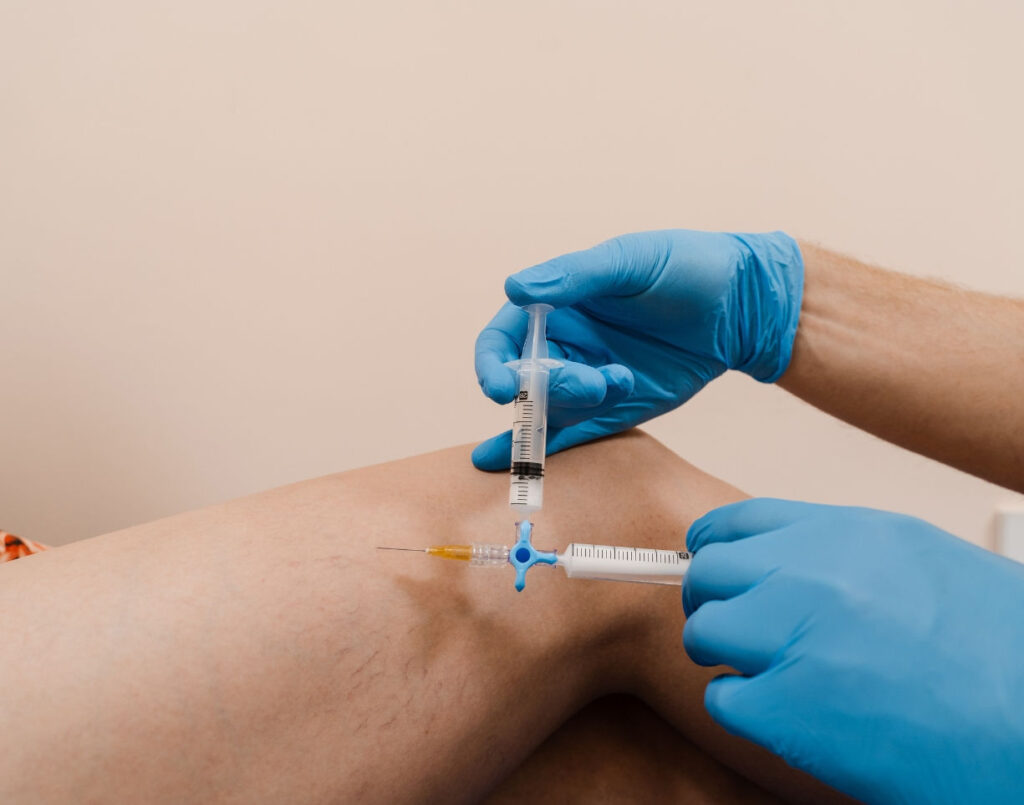
Sclerotherapy is a common, minimally invasive procedure used to treat spider veins and small varicose veins. Many patients wonder how long recovery takes and what to expect after the treatment. Understanding the recovery process, including timelines, activity restrictions, and care tips, can help you plan your schedule and achieve the best results.
Many patients wonder how long recovery takes and what to expect after the treatment. Understanding the recovery process, including timelines, activity restrictions, and care tips, can help you plan your schedule and achieve the best results.
Quick Answer: Most people return to normal daily activities the same day or the day after sclerotherapy. Bruising, tenderness and small welts usually settle within one to two weeks, and treated spider veins fade over about three to six weeks, while larger veins treated with foam can take a few months to be fully absorbed. Expect to wear compression stockings for one to two weeks, walk daily, and avoid heavy exercise, hot tubs and strong sun for a short period. Several sessions are often needed for the best result.

Meet your vein specialist
Dr. Syed Raza, MD
Vascular & Interventional Radiology · Founder, Premier Vein & Vascular Center
Fellowship-trained interventional radiologist certified by the American Board of Radiology and the Royal College of Radiologists (UK). Former Chief of Interventional Radiology at UTMB Galveston and Memorial Hermann Memorial City, with 15+ years treating varicose veins, venous reflux and peripheral arterial disease.
1. What Is Sclerotherapy?
Sclerotherapy involves injecting a special solution into affected veins. This solution irritates the vein walls, causing them to collapse and eventually fade. Unlike surgery, sclerotherapy requires no general anesthesia and is performed in-office. The procedure is quick, usually lasting 30–45 minutes, and patients can often go home the same day.
2. Typical Recovery Timeline
Recovery after sclerotherapy is usually straightforward, but the timeline can vary depending on the number of veins treated and individual healing. Typically:
- First 24–48 hours: Mild swelling, bruising, or redness may appear around treated veins. This is normal.
- First week: Patients can resume most daily activities, though some may still see slight discoloration or tenderness.
- 2–4 weeks: Treated veins start to fade gradually. Multiple veins may take several sessions for full results.
- 4–6 weeks: Most veins treated with sclerotherapy have significantly improved. Compression stockings or bandages may still be recommended.
Keep in mind that everyone heals differently, so timelines can vary slightly.
3. Activities After Sclerotherapy
Immediately after sclerotherapy, patients should follow some simple precautions to help their veins heal properly. For example, light walking is encouraged because it improves circulation. At the same time, patients should avoid heavy exercise, such as running, weightlifting, or intense workouts, for 1–2 weeks. Additionally, it’s important to avoid sitting or standing for long periods, and to take breaks to move around during the day. Finally, limiting sun exposure on treated areas for a few weeks can prevent discoloration. By following these steps, you can support faster healing and reduce the risk of complications.
4. Managing Discomfort and Side Effects
Mild side effects are common after sclerotherapy, and they usually improve on their own. You may notice bruising or redness at the injection site, mild swelling or tenderness, or tiny raised areas on the skin, which typically disappear within a few days. To ease discomfort, you can apply cold compresses, wear compression stockings as recommended, and elevate your legs when resting. Although serious complications are rare, contact your vein specialist immediately if you experience severe pain, excessive swelling, or unusual changes in your skin.
5. Tips to Speed Up Recovery
You can take steps to improve healing and enhance results. For example:
- Follow your vein specialist’s instructions carefully
- Wear compression stockings as advised
- Stay active with light walking to improve circulation
- Avoid smoking and maintain a healthy weight
- Schedule follow-up appointments to monitor progress
By combining these tips with professional care, you can achieve the best outcomes and reduce recovery time.
6. Follow-Up Care
Most patients need a follow-up visit within 4–6 weeks after sclerotherapy. During this visit, your vein specialist will check healing, assess results, and decide if additional treatments are needed. Remember, multiple sessions are often required for complete vein removal, especially for larger or more extensive areas.
Sclerotherapy Recovery Depends on the Veins Being Treated
Not all sclerotherapy is the same, and recovery varies with the size of the vein and the type of solution. Treating fine red spider veins on the thigh with a liquid solution is a very different experience from closing a ropey varicose vein with foam under ultrasound guidance. Knowing which one you are having helps set expectations.
| Type of treatment | Veins treated | What you may notice | Typical fading time |
|---|---|---|---|
| Liquid sclerotherapy | Spider veins, under 1 mm | Small welts that settle in hours, light bruising | Several weeks |
| Liquid or foam for reticular veins | Blue-green feeder veins, 1 to 3 mm | Bruising, mild tenderness, temporary darkening | One to three months |
| Ultrasound-guided foam sclerotherapy | Larger or deeper varicose veins | Firm, tender cord along the vein, more bruising | Two to six months |
For larger veins, we often recommend ultrasound-guided foam sclerotherapy, which reaches veins that cannot be seen on the surface. Recovery is still quick, but the treated vein takes longer to be absorbed.
Why Treated Veins Can Look Worse Before They Look Better
One of the most common calls we get in the first two weeks is from patients worried that their veins look darker than before treatment. This is usually a normal part of how sclerotherapy works. The solution irritates the inner lining of the vein so that its walls stick together. Blood trapped inside the closed vein turns dark, and the body then breaks the vein down and absorbs it, much like a bruise.
Trapped blood
In larger veins, a small amount of trapped blood can form a firm, tender lump a week or two after treatment. It is not dangerous, but it can be uncomfortable and may slow fading. At a follow-up visit we can often release it through a tiny needle puncture, which relieves the tenderness and helps the area clear faster.
Brown staining (hyperpigmentation)
Some patients develop light brown lines along the treated veins as iron from the broken-down blood is left in the skin. This usually fades over months, though in some people it takes longer. Avoiding sun on the treated areas, and having trapped blood drained when present, lowers the chance of lasting staining.
Matting
Occasionally a blush of very fine new red vessels appears near a treated area. This is called telangiectatic matting. It often fades on its own over several months, and if it persists it can be treated. Matting is more likely when there is untreated reflux in a larger vein nearby.
Compression Stockings After Sclerotherapy: How Long and Why
Compression keeps the walls of the treated vein pressed together, reduces the amount of blood that gets trapped inside and limits bruising. Your exact instructions will depend on the veins treated, but a common approach looks like this:
- Wear the stocking continuously, including overnight, for the first day or two if instructed
- Then wear it during waking hours for one to two weeks, or longer after foam treatment of larger veins
- Use a graduated, medical-grade stocking that fits properly, not loose fashion hosiery
- Put the stocking on in the morning before swelling builds
In the heat and humidity of a Houston summer, compression can feel warm. Many patients find thigh-high or knee-high styles in lighter fabrics more comfortable, and scheduling cosmetic treatment in the cooler months is a practical option if you have flexibility.
Everyday Questions During Recovery
Bathing, heat and sun
Short, lukewarm showers are fine once you can remove the stocking. For the first week or two, avoid hot tubs, saunas, hot baths and long soaks, because heat widens veins and can work against the treatment. Protect treated areas from strong sun and tanning beds for several weeks, since sun exposure can deepen any brown staining.
Travel
Short car trips are fine. For long flights or drives in the first couple of weeks, check with us first. When you do travel, wear your compression, walk every hour, flex your ankles while seated and stay hydrated.
Medications
Acetaminophen is usually fine for discomfort. Ask before taking anti-inflammatory pain relievers or starting any new supplement, and tell us about any hormone medications, as these can affect clot risk.
Preparing Well Makes Recovery Easier
A smooth recovery starts before the first injection. A little planning means you can walk out of the appointment and get on with your day without scrambling.
- Bring or buy your compression stockings in advance, so they are fitted and ready to put on immediately after treatment.
- Skip lotion and oil on your legs on the day of treatment, as it makes the skin slippery and can make stockings harder to apply.
- Wear loose, comfortable clothing such as wide-leg trousers or a long skirt that will fit easily over the stockings.
- Plan a walk for right after the appointment and for each of the next few days. Twenty to thirty minutes is usually plenty.
- Time it around events. If you want your legs to look their best for a wedding, a vacation or summer, schedule sessions several months ahead, because bruising and darkening need time to clear.
- Tell us about medications and health changes, including pregnancy, blood thinners, hormone therapy and any history of clots or migraine with aura.
Sclerotherapy is generally not performed during pregnancy or while breastfeeding, and we usually wait until after delivery and nursing to treat new spider veins, many of which improve on their own after pregnancy.
Why Some Spider Veins Come Back, and How to Prevent It
Sclerotherapy closes the veins it treats, but if a larger vein underneath is leaking, pressure from that vein can push blood into new small vessels nearby. This is one of the main reasons spider veins seem to return quickly after treatment elsewhere. It is also why clusters around the ankle or inner knee, or spider veins that come with aching and swelling, deserve an ultrasound first.
When hidden reflux is found, treating it first with ablation or foam, and then finishing with cosmetic sclerotherapy, usually gives a cleaner and longer-lasting result. You can read more about the condition on our spider veins and venous insufficiency pages. Over the long term, regular walking, a healthy weight, and compression on long work days or flights help slow the formation of new veins.
How We Plan Sclerotherapy at Premier Vein
- Focused history. We ask about your goals, symptoms, past vein treatments, pregnancies, clotting history, medications and any history of migraine.
- Standing exam. We look at the pattern of spider, reticular and varicose veins and check for swelling or skin changes.
- Venous duplex ultrasound when needed. If there are symptoms, larger veins or a pattern that suggests reflux, an ultrasound in our IAC-accredited vascular lab checks the source veins before any cosmetic work.
- A clear plan. We explain how many sessions are likely, the expected recovery for each, what is medical versus cosmetic, and how to prepare. Details about the procedure are on our sclerotherapy page.
Call 911 or seek urgent care after sclerotherapy if you have:
- Sudden swelling, pain and warmth in the calf or thigh
- Chest pain, sudden shortness of breath or coughing up blood
- Sudden weakness, numbness, trouble speaking or loss of vision
- Hives, lip or throat swelling or difficulty breathing soon after injection
- A painful, blistering or darkening patch of skin at an injection site
Sclerotherapy Recovery Support in Houston
Most people recover from sclerotherapy with little interruption to their routine, but having a team that answers questions quickly makes a difference. At our vein clinic in Houston, Dr. Syed Raza and our team plan every session around your goals, check for underlying reflux when it matters, and see you back to review healing and decide on any further sessions. Same-week appointments are usually available, and most insurance plans, including Medicare, are accepted for medically necessary vein care.
Talk With a Specialist at Premier Vein
Have questions about your symptoms or treatment options? Dr. Syed Raza and the team at Premier Vein & Vascular Center can evaluate your concerns and explain your options clearly. Same-week appointments are usually available, and most insurance plans are accepted.
7. FAQs About Sclerotherapy Recovery
1. How soon can I return to work?
Most patients return to work the same day or the next day, depending on the type of activity.
2. Will my veins be gone immediately?
No. Veins fade gradually over 2–6 weeks, and some areas may require multiple treatments.
3. Can I exercise after sclerotherapy?
Light walking is encouraged immediately. Strenuous exercise should be avoided for 1–2 weeks.
4. Do I need compression stockings?
Yes. Your doctor usually recommends wearing compression stockings to help blood flow and improve results.
5. Are there serious risks?
Serious risks are rare. Mild bruising, swelling, or redness is common. Contact your doctor if you notice unusual pain or skin changes.
8. Final Thoughts
Recovery after sclerotherapy is generally quick and manageable. Most patients can return to daily activities almost immediately, with full results visible within a few weeks. By following your vein specialist’s instructions and taking care of your legs, you can speed healing and improve outcomes.
If you have spider veins or small varicose veins and want a safe, minimally invasive treatment, Premier Vein can help. They provide professional guidance, perform sclerotherapy, and support you through recovery for long-lasting relief.
Can I shower after sclerotherapy?
Yes. Most patients can take a short, lukewarm shower once they are allowed to remove the compression stocking, usually after the first day. Avoid hot baths, hot tubs and saunas for about one to two weeks.
Can I fly after sclerotherapy?
Short trips are generally fine, but long flights in the first couple of weeks should be discussed with your vein specialist first. If you fly, wear compression, walk the aisle regularly, do ankle exercises and drink plenty of water.
Why do my veins look darker after sclerotherapy?
Treated veins often look darker for a few weeks because blood trapped inside the closed vein is breaking down, much like a bruise. This usually fades with time, and any firm, tender areas of trapped blood can often be drained at a follow-up visit.
How many sclerotherapy sessions will I need?
Many patients need two to four sessions spaced several weeks apart, depending on how many veins are present and their size. Larger veins and widespread spider veins usually need more sessions than a small cluster.
Can I shave my legs after sclerotherapy?
It is best to wait a day or two until any injection-site soreness settles, then shave gently around treated areas. Avoid waxing or harsh exfoliation over the treated veins for about two weeks.
When can I go back in the sun after sclerotherapy?
Protect treated areas from strong sun and tanning beds for several weeks, using clothing or sunscreen. Sun exposure while veins are fading can deepen brown staining along the treated vessels.
Trusted Health Resources
- Chronic Venous Insufficiency, Society for Vascular Surgery
- Venous Insufficiency, MedlinePlus Medical Encyclopedia (NIH)
- Varicose Veins and Spider Veins, MedlinePlus (NIH)
Disclaimer: This blog is for informational purposes only. It does not replace medical advice, diagnosis, or treatment. Always consult a qualified healthcare provider about vein treatments or recovery questions.