

Meet your vein specialist
Dr. Syed Raza, MD
Vascular & Interventional Radiology · Founder, Premier Vein & Vascular Center
Fellowship-trained interventional radiologist, board certified in diagnostic and interventional radiology with a Certificate of Added Qualification (CAQ) in interventional radiology, and a Fellow of the Royal College of Radiologists (UK). Member of SIR and RSNA. Former Chief of Interventional Radiology at UTMB Galveston and Memorial Hermann Memorial City, with 15+ years treating varicose veins, venous reflux and peripheral arterial disease.
What Are Varicose and Spider Veins?
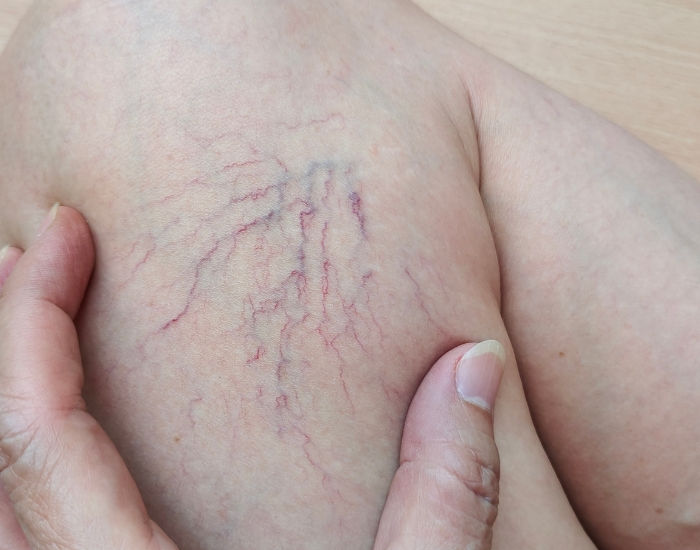
Varicose and spider veins are the result of malfunctioning veins. They appear because of venous insufficiency, which just means the valves in the blood vessels are not working properly. Normally, these valves keep blood flowing in one direction, but when they malfunction, they allow the blood to flow backwards and pool in the veins. This causes the veins to grow larger, resulting in varicose veins and spider veins. The primary difference between these two kinds of veins is their size. Varicose veins look like abnormally bulging veins, typically on the legs. Spider veins, on the other hand, are small broken veins that show up on the legs, face, and other areas. They don’t really pose a health risk, and spider veins on the legs are not much of a worry, but on the face, they are a cosmetic concern.
Prevalence of Varicose and Spider Veins in Young Adults
When you think about vein issues, you probably think about older people. After all, young people tend to think of themselves as invincible, and don’t often consider that they might develop things like varicose veins or spider veins. However, there has recently been an increase of people in their 20s, 30s, and even teens developing varicose and spider veins. What causes varicose veins in people who are so young?
Quick Answer: Young adults get varicose and spider veins mainly because of inherited weakness in the vein walls and valves, which is then brought out by pregnancy, hormones, long hours of sitting or standing, and extra body weight. Veins can appear in the teens and twenties, often starting as spider veins or aching legs. Symptoms or bulging veins at any age deserve a vein ultrasound, and modern office treatments let most young patients return to work or school the next day.

Causes of Varicose and Spider Veins in Young Adults
Some of the reasons behind this sudden increase in venous insufficiency among young people can be attributed to the rise in computer technology and sedentary jobs. Sitting at a computer all day, without exercise, can lead to varicose veins. Additionally, a sedentary lifestyle can lead to obesity, which is also among the top varicose veins causes. As more young adults gravitate towards desk jobs and teenagers interact with each other on devices, this problem is likely to increase. What causes spider veins in young people? Often, hormonal shifts can play a role in developing spider veins. Other factors are obesity, prolonged sitting or standing, and genetic predisposition.
Signs And Symptoms Of Vein Disease In Teenagers and Young Adults
While other people might notice the visible signs of vein disease, what younger patients typically notice first are the physical symptoms. Legs that ache, are painful, or just uncomfortable or restless, are some symptoms that might cause alarm in a younger person. Burning, itching, and tingling are also physical symptoms of venous insufficiency. These symptoms are often worse at night and are relieved by elevating the legs or wearing compression stockings.
Visible varicose veins symptoms include bulging veins and leg swelling. Even more concerning symptoms include things like slow or non-healing wounds (ulcers) and hardening of the bulging veins. Redness of the area can also be a sign of vein disease in young adults and teenagers.
Risk Factors For Varicose Veins And Spider Veins In Young Adults
You can reduce your risk of developing varicose and spider veins at a young age by making some lifestyle modifications. Avoid prolonged sitting and standing, making sure to take frequent breaks to move around. Manage your weight, by eating a nutritious, high-fiber, low-salt diet, and exercising regularly. It’s also wise to steer clear of high-heeled shoes, which can put undue pressure on the veins in your legs. Some risk factors, like genetics and hormonal changes, are unavoidable, but if you are concerned that you may be predisposed because of family history, avoid birth control pills or hormonal therapy, to reduce your risk.
Varicose And Spider Vein Treatment Options For Young Adults
Of course, the main thing people with venous insufficiency want to know is how to get rid of varicose veins and spider veins. If you are looking for a minimally invasive varicose veins medical procedure, there are a few available. Sclerotherapy involves injecting a solution into the vein to cause it to scar and reroute the blood. Radiofrequency ablation heats the veins with radiofrequency and causes them to become sealed off, and endovenous laser treatment accomplishes the same thing using lasers. There is also varicose vein surgery, in which affected veins are removed.
For young people, however, it is often best to start with more conservative measures. Making suggested lifestyle changes and wearing compression socks can be effective in managing varicose veins. However, if you are noticing signs of varicose or spider veins, it is important to seek medical treatment to determine the right course of action for you.
Spider Vein and Varicose Vein Treatment from Experienced Professionals
No matter what your age, if you need varicose vein or spider veins treatment, trust the doctors at Premier Vein & Vascular Center. Our experienced and skilled team specializes in treating vein disease, not just to improve your comfort level but also to help you find long-term positive results. At our clinic in the west Houston area, our board-certified doctors use the latest advances in vascular treatment to address the underlying cause of your symptoms. Contact us through our website or call 832-772-4899 to schedule a free vein screening and consultation.
Why Young Adults Get Varicose and Spider Veins
Vein disease is often thought of as a problem of older age, but the tendency is usually set much earlier. The single strongest factor is family history. Some people inherit vein walls and valves that are a little weaker or more stretchable, and those valves begin to leak when they are put under load, whether that load is a pregnancy, a job on your feet, or simply years of standing upright.
Once one valve fails, it passes extra pressure to the valve below it, so reflux tends to spread slowly down the leg. That is why a young adult may notice a few spider veins at 22, a small bulging vein after a first pregnancy at 29, and aching legs by 35. The process is gradual, which gives younger patients a real opportunity to slow it down.
Pregnancy and hormones
Pregnancy is one of the most common triggers in young women. Blood volume rises substantially, hormones relax the vein walls, and the growing uterus presses on the pelvic veins that drain the legs. Veins that appear during pregnancy often shrink afterward, but they may not disappear completely, and each pregnancy can add to the problem. Some women also develop veins in the vulvar area or upper inner thigh that come from the pelvis rather than the legs.
Work, sport and daily habits
Nurses, teachers, servers, hairstylists, retail staff and anyone who stands for long shifts place steady pressure on their leg veins. Long hours of sitting at a desk or gaming do the same in a different way, because the calf muscle pump is idle. Heavy weightlifting with straining can briefly raise pressure in the leg veins too, although regular exercise overall is protective.
Spider Veins vs Reticular Veins vs Varicose Veins
Young adults often use these terms interchangeably, but they are different, and the difference matters for treatment and for insurance.
| Type | Size and look | Common symptoms | Typical treatment |
|---|---|---|---|
| Spider veins (telangiectasias) | Fine red, purple or blue lines under 1 mm, often in clusters | Usually none; occasional itching or burning | Sclerotherapy |
| Reticular veins | Flat blue-green veins 1 to 3 mm, often feeding spider veins | Mild aching in some people | Sclerotherapy, sometimes foam |
| Varicose veins | Raised, twisted veins 3 mm or larger | Aching, heaviness, swelling, cramps, itching | Ultrasound-guided ablation, phlebectomy, foam sclerotherapy |
Spider veins on the thighs or knees with no symptoms are usually a cosmetic concern. But a cluster of spider veins around the ankle, or spider veins that keep returning after treatment, can be fed by a deeper leaking vein, and that is worth checking with ultrasound.
Should Young Adults Treat Veins Now or Wait?
This is one of the most common questions we hear from patients in their twenties and thirties. There is no single answer, but a few principles guide the decision:
- Symptoms come first. If your legs ache, swell, cramp or itch, or the skin is changing, treatment is usually reasonable at any adult age.
- Planning a pregnancy? Many women with mild veins choose to wait until after they have finished having children, since pregnancy can bring new veins. Women with painful varicose veins before pregnancy may benefit from treating the main leaking vein first. We discuss timing individually.
- Treatment is not done during pregnancy. Compression stockings are the mainstay while pregnant, and we usually reassess a few months after delivery and breastfeeding.
- Early treatment is simpler. Treating reflux before skin changes develop is generally quicker and more comfortable than treating advanced disease later.
How We Evaluate Vein Problems in Younger Patients
Younger patients sometimes worry that their concerns will be dismissed as cosmetic. At Premier Vein & Vascular Center we take the same careful approach at any age.
- Focused history. We ask about your symptoms, when they started, your family history, pregnancies and future plans, hormonal medicines, your work and exercise, and any previous clots.
- Examination. We examine the pattern of spider, reticular and varicose veins with you standing, and check for swelling, skin changes and pelvic-origin veins in the upper thigh.
- Venous duplex ultrasound when indicated. If you have symptoms, bulging veins or ankle clusters, our accredited vascular lab maps the veins to find any hidden reflux.
- A clear plan. We explain what is medical and what is cosmetic, which treatments fit, how many sessions to expect and how treatment fits around pregnancy plans, work and sport.
Treatment Options That Fit a Busy Life
Most young adults want effective treatment without losing time from work, school or training. Fortunately, current vein procedures suit that well.
- Sclerotherapy for spider and reticular veins takes 15 to 45 minutes, with no downtime beyond compression stockings for a short period.
- Radiofrequency ablation or laser ablation closes a leaking trunk vein in under an hour through a single needle entry, and most people are back at work the next day.
- Non-thermal ablation uses medical adhesive or microfoam instead of heat and may not require compression afterward in some cases.
- Ambulatory phlebectomy removes bulging branches through tiny nicks that usually heal with barely visible marks.
Insurance usually covers treatment of symptomatic varicose veins when ultrasound confirms reflux, while purely cosmetic spider vein treatment is typically self-pay. We explain which category your treatment falls into before you start.
Habits That Protect Young Legs
- Set a reminder to stand and walk for a few minutes every hour at a desk
- Do calf raises while brushing your teeth or waiting in line
- Choose cardio that works the calves, such as walking, cycling, swimming or running
- Wear graduated compression socks on long flights, long shifts and during pregnancy
- Keep high heels for occasions rather than daily wear
- Discuss hormonal medicines with your doctor if you have a strong family history of clots or vein disease
Call 911 or seek emergency care if you notice:
- Sudden swelling, pain, warmth or redness in one leg, especially after a long trip, surgery, during pregnancy or while taking hormonal medicines
- Chest pain, sudden shortness of breath or coughing up blood
- Bleeding from a varicose vein that does not stop with firm pressure and leg elevation
Vein Care for Young Adults in Houston
If you are in your teens, twenties or thirties and noticing spider veins, bulging veins or legs that ache by evening, there is no need to wait until symptoms get worse. Dr. Syed Raza, a fellowship-trained interventional radiologist with more than 15 years of experience treating varicose veins and venous reflux, sees patients of all adult ages from across Houston and Katy. Book with our vein doctor in Houston by calling (832) 321-5355, or read more about spider vein treatment. Same-week appointments are usually available.
Talk With a Specialist at Premier Vein
Have questions about your symptoms or treatment options? Dr. Syed Raza and the team at Premier Vein & Vascular Center can evaluate your concerns and explain your options clearly. Same-week appointments are usually available, and most insurance plans are accepted.
Frequently Asked Questions
Is it normal to have varicose veins in your 20s?
It is more common than many people think, especially with a strong family history, pregnancy or a job on your feet. Varicose veins at a young age are worth evaluating, particularly if they cause aching, swelling or cramps.
Can teenagers get spider veins?
Yes. Teenagers can develop spider veins, often because of genetics and hormonal changes. They are usually harmless, but a vein specialist can check for underlying reflux if they come with leg symptoms.
Should I treat varicose veins before having children?
It depends on your symptoms. Many women with mild veins wait until they have finished having children, while those with painful varicose veins may benefit from treating the main leaking vein beforehand. A vein specialist can help you decide on timing.
Will my varicose veins come back if I am treated young?
Treated veins that are fully closed do not reopen, but new veins can develop over the years because the tendency is lifelong. Healthy habits and occasional follow-up help keep legs comfortable.
Does exercise cause varicose veins?
Regular exercise such as walking, cycling and swimming helps prevent vein problems by strengthening the calf muscle pump. Very heavy lifting with straining can temporarily raise vein pressure, but exercise overall is protective.
Is spider vein treatment covered by insurance for young adults?
Spider vein treatment for cosmetic reasons is usually not covered at any age. Treatment of symptomatic varicose veins with reflux confirmed on ultrasound is often covered by insurance plans when it is medically necessary.
ABOUT PREMIER VEIN & VASCULAR CENTER: Premier Vein & Vascular Center, a leading vein clinic in Houston and among the top specialized vein treatment clinics in the USA, has provided expert vein care for over 20 years. The center offers minimally invasive treatments for varicose veins, spider veins, and deep vein thrombosis, led by Dr. Syed Raza, MD, a Board-Certified Vein Specialist and Interventional Radiologist. Dedicated to pain-free, healthier living, the clinic delivers cutting-edge, patient-centered care for optimal results.
Trusted Health Resources
- Chronic Venous Insufficiency, Society for Vascular Surgery
- Venous Insufficiency, MedlinePlus Medical Encyclopedia (NIH)
- Varicose Veins and Spider Veins, MedlinePlus (NIH)