
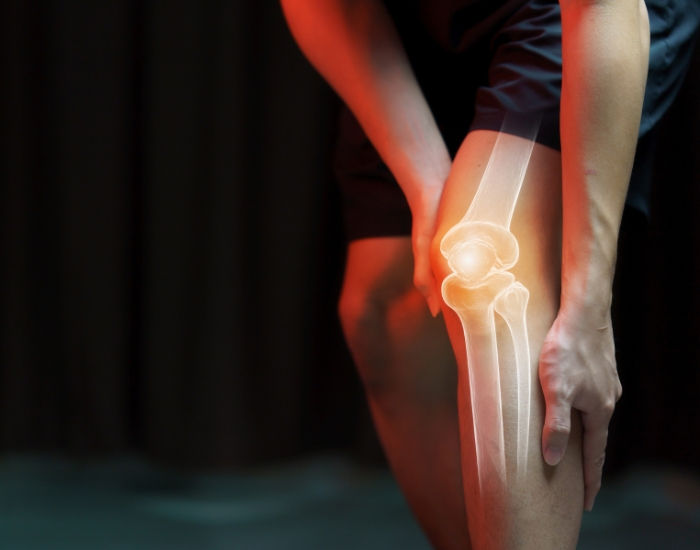
Osteoarthritis (OA) of the knee joint involves a complex interplay of inflammatory and degenerative processes. While traditionally considered primarily a degenerative condition, research has increasingly highlighted the significant role of inflammation in its pathogenesis. Several inflammatory mediators contribute to the progression of OA in the knee joint. Some of the key ones include:
- Cytokines: Various pro-inflammatory cytokines play pivotal roles in the inflammatory cascade of OA. These include interleukin-1 (IL-1), interleukin-6 (IL-6), interleukin-8 (IL-8), tumor necrosis factor-alpha (TNF-α), and interleukin-17 (IL-17). These cytokines are produced by chondrocytes, synovial cells, and infiltrating immune cells, leading to cartilage degradation, synovial inflammation, and pain.

- Chemokines: Chemokines are a group of small cytokines involved in immune cell recruitment and activation. In OA, chemokines such as monocyte chemoattractant protein-1 (MCP-1) and macrophage inflammatory protein-1 alpha (MIP-1α) promote the infiltration of macrophages and other immune cells into the synovium and articular cartilage, exacerbating inflammation and tissue damage.
- Matrix Metalloproteinases (MMPs): MMPs are enzymes responsible for degrading extracellular matrix components, including collagen and proteoglycans. In OA, elevated levels of MMPs, particularly MMP-1, MMP-3, and MMP-13, contribute to cartilage degradation and subchondral bone remodeling, leading to joint damage and dysfunction.
- Prostaglandins: Prostaglandins, particularly prostaglandin E2 (PGE2), are lipid mediators produced by the enzymatic action of cyclooxygenase (COX) enzymes. PGE2 promotes inflammation, pain, and cartilage breakdown in OA by stimulating the production of cytokines, MMPs, and other inflammatory mediators.
- Nitric Oxide (NO): NO is a reactive nitrogen species produced by various cells in the joint, including chondrocytes and synoviocytes. Elevated levels of NO in OA contribute to cartilage degradation by inhibiting matrix synthesis, promoting MMP activity, and inducing chondrocyte apoptosis.
- Advanced Glycation End Products (AGEs): AGEs are molecules formed by the non-enzymatic glycation of proteins and lipids. In OA, AGEs accumulate in joint tissues and contribute to inflammation and cartilage degradation by activating receptor-mediated signaling pathways and promoting oxidative stress.
- Adipokines: Adipokines are cytokines produced by adipose tissue. Leptin and adiponectin, two adipokines implicated in OA, modulate inflammation, matrix degradation, and cartilage metabolism in the knee joint, potentially contributing to disease progression.
Understanding the roles of these inflammatory mediators in the pathogenesis of OA provides insights into potential therapeutic targets for disease modification and symptom management. Targeting inflammation represents a promising approach to slowing down the progression of OA and alleviating symptoms, thereby improving the quality of life for affected individuals.

Meet your vein specialist
Dr. Syed Raza, MD
Vascular & Interventional Radiology · Founder, Premier Vein & Vascular Center
Fellowship-trained interventional radiologist, board certified in diagnostic and interventional radiology with a Certificate of Added Qualification (CAQ) in interventional radiology, and a Fellow of the Royal College of Radiologists (UK). Member of SIR and RSNA. Former Chief of Interventional Radiology at UTMB Galveston and Memorial Hermann Memorial City, with 15+ years treating varicose veins, venous reflux and peripheral arterial disease.
How does embolization of genicular arteries reduce inflammation in knee joints?
Embolization of genicular arteries is a minimally invasive procedure that involves the selective occlusion of specific arteries supplying blood to the knee joint. While embolization is typically used to treat conditions such as chronic knee pain or osteoarthritis (OA), its mechanism of action in reducing inflammation in the knee joint is not fully understood and may involve several potential mechanisms:
- Reduction of Synovial Blood Flow: By blocking or reducing blood flow to the synovium (the lining of the joint capsule), embolization may decrease the delivery of inflammatory mediators, immune cells, and nutrients to the synovial tissue. This reduction in blood flow can help dampen the inflammatory response within the joint.
- Decreased Inflammatory Mediator Release: Embolization may disrupt the microvasculature and alter the local environment within the knee joint, leading to decreased release of pro-inflammatory cytokines, chemokines, and other inflammatory mediators from synovial cells, chondrocytes, and infiltrating immune cells.
- Modulation of Nociceptive Pathways: Chronic knee pain associated with inflammation in conditions like OA can be mediated by sensory nerve fibers within the joint capsule. By reducing inflammation and altering the local environment, embolization may modulate nociceptive (pain) pathways, leading to a reduction in pain perception.
- Induction of Ischemic Hypoxia: The occlusion of genicular arteries through embolization induces ischemia (reduced blood flow) and hypoxia (reduced oxygen levels) in the targeted areas of the knee joint. While ischemia can initially exacerbate inflammation, it may also trigger adaptive responses that ultimately lead to the resolution of inflammation and tissue repair.
- Inhibition of Angiogenesis: In conditions like OA, abnormal angiogenesis (formation of new blood vessels) within the synovium can contribute to inflammation and disease progression. Embolization may disrupt angiogenic processes by blocking the supply of oxygen and nutrients necessary for neovascularization, thereby inhibiting the perpetuation of inflammation.
It’s essential to note that while embolization of genicular arteries shows promise in reducing inflammation and alleviating symptoms in certain individuals with knee joint conditions, including OA, its efficacy and safety may vary among patients. Embolization is typically considered after conservative treatments have failed, and it’s performed under the guidance of interventional radiologists or vascular specialists.
Quick Answer: In knee osteoarthritis, inflammatory mediators such as interleukin-1, TNF-alpha, prostaglandin E2 and cartilage-degrading enzymes are released by the joint lining, cartilage cells and immune cells. They drive swelling, stiffness, pain sensitivity and cartilage breakdown, which is why arthritis pain often flares and settles rather than simply worsening with wear. Many treatments act on this inflammation, including anti-inflammatory medicines, steroid injections, exercise and weight loss. Genicular artery embolization reduces blood flow to the inflamed synovium and may be considered when these measures no longer control pain.
Visit us today to learn more about genicular artery embolization and whether it may be a suitable option for you. Our team of experts can provide personalized treatment plans tailored to your specific needs, helping you find relief from knee joint pain and improve your overall quality of life. Don’t let inflammation hold you back any longer – take the first step towards a pain-free future with Premier Vein.
Inflammatory Mediators of Knee Osteoarthritis in Plain Language
For a long time, osteoarthritis was described as simple wear and tear, as if cartilage were tire tread wearing thin. The science above shows a more active picture. The joint lining, called the synovium, the cartilage cells and the bone beneath them all send chemical signals to one another. When the joint is stressed or injured, some of those signals switch into an inflammatory pattern and stay there.
For patients, this explains several things that never quite made sense under the wear-and-tear model. It explains why a knee can swell and feel warm after a busy weekend, then calm down again. It explains why X-ray damage and pain often do not match, so one person with severe changes on X-ray hurts very little while another with mild changes hurts a lot. And it explains why treatments that calm inflammation can help even though they do not regrow cartilage.
How Inflammation Shows Up in Your Knee
The chemical mediators described above are invisible, but their effects are not. Inflammatory activity in an arthritic knee commonly shows up as:
- Morning or post-rest stiffness that eases after you start moving, usually within 30 minutes
- Swelling or a feeling of fullness, from extra joint fluid produced by an irritated synovium
- Warmth over the joint during a flare
- Aching at rest or at night, not only with activity
- Tenderness along the joint line when pressed
- Flares after unusual activity, long walks, kneeling or stair climbing
Over time, persistent inflammation also makes the nerves in and around the joint more sensitive, so the same activity produces more pain than it used to. This is sometimes called sensitization, and it is part of why chronic arthritis pain can feel out of proportion to what the knee looks like on imaging.
Inflammatory vs Mechanical Knee Pain
Most arthritic knees have a mix of inflammatory and mechanical pain, and telling them apart helps choose the right treatment.
| Feature | Mainly inflammatory pain | Mainly mechanical pain |
|---|---|---|
| Typical feeling | Deep ache, warmth, fullness | Sharp, catching or locking pain |
| Timing | Stiff after rest, aching at night, flares after activity | Pain with specific movements such as twisting or pivoting |
| Swelling | Common, comes and goes | May follow an injury |
| Imaging clues | Synovitis, joint fluid, bone marrow lesions on MRI | Displaced meniscal tear, loose body, instability |
| Treatments that often help | Anti-inflammatory medicines, steroid injection, exercise, weight loss, genicular artery embolization | Bracing, physical therapy, orthopedic procedures |
How Common Treatments Target These Mediators
Many familiar arthritis treatments work, at least in part, by turning down the inflammatory signals described above.
- Anti-inflammatory medicines (NSAIDs) block the COX enzymes that produce prostaglandin E2, one of the key pain and inflammation signals. Topical forms on the knee can help with fewer whole-body side effects. They are not safe for everyone, especially people with kidney disease, stomach ulcers, heart disease or those on blood thinners.
- Corticosteroid injections suppress many inflammatory cytokines at once inside the joint. Relief is often good but temporary, and repeated injections are usually limited.
- Exercise and strengthening do more than build muscle. Regular movement is associated with lower levels of inflammatory signals in the joint and better cartilage nutrition, and it is recommended for nearly everyone with knee osteoarthritis.
- Weight loss reduces load on the knee and lowers the adipokines released from body fat, such as leptin, that feed joint inflammation. Even modest weight loss can ease pain.
- Blood sugar control in people with diabetes may reduce the formation of advanced glycation end products in joint tissues.
Who May Benefit From Genicular Artery Embolization?
Because genicular artery embolization works on the inflamed, overgrown blood vessels of the synovium, it tends to suit patients whose pain has a strong inflammatory component. In our practice, the patients we consider for GAE usually share several features:
- Moderate to severe knee pain from osteoarthritis lasting at least three to six months
- Pain that has not improved enough with physical therapy, medication or injections
- Tenderness or pain that can be localized to specific areas of the knee
- A wish to avoid or delay knee replacement, or medical conditions that make surgery higher risk
- No active joint infection, and no mechanical problem such as a locked knee that needs surgery first
GAE does not rebuild cartilage, and it is not a cure for arthritis. The goal is meaningful pain relief and better function, often allowing patients to walk farther and take part more fully in strengthening programs. You can read more on our genicular artery embolization page.
How We Evaluate Inflammatory Knee Arthritis
Dr. Raza evaluates knee pain as an interventional radiologist, using imaging to match the source of pain with the right treatment.
- Focused history. We ask where the pain is, when it is worst, how it affects walking, stairs and sleep, and which medications, injections and therapies you have already tried.
- Examination. We check for swelling, warmth, joint-line tenderness, range of motion and stability, and screen the hip and back as other sources of pain.
- The right imaging. Standing X-rays confirm and grade osteoarthritis. An MRI may be added when we need to look for synovitis, bone marrow lesions or problems such as a meniscal tear. If calf swelling is part of the picture, a venous ultrasound rules out a clot.
- A clear plan. We explain whether your pain pattern is likely to respond to GAE, what other options exist, and how GAE fits alongside exercise and weight management.
What Happens During Genicular Artery Embolization
GAE is performed as an outpatient procedure under local anesthesia and light sedation. A thin catheter is placed through a small puncture, usually in the groin, and guided into the arteries around the knee using X-ray. Contrast images show the abnormal blush of vessels around the inflamed synovium, and tiny particles are injected to reduce flow to those vessels while the main arteries remain open. Patients typically go home the same day, and most return to normal walking within a few days. Temporary skin discoloration over the knee or mild soreness can occur and usually settles on its own. Improvement in pain often develops gradually over several weeks.
For other options, including image-guided injections, see our knee pain treatment and ultrasound-guided procedures pages.
Seek urgent medical care if…
- Your knee becomes suddenly hot, red and very swollen, especially with fever or chills, which can signal a joint infection
- You cannot bear weight on the leg after a fall or twist
- Your calf is swollen, warm and tender, which can be a deep vein thrombosis
- You develop sudden chest pain or shortness of breath; call 911
Seeing an Interventional Radiologist for Knee Pain in Houston
If knee arthritis is keeping you from walking, sleeping or working the way you want, and the usual treatments are no longer enough, it is worth asking whether your pain has an inflammatory component that GAE could address. Dr. Syed Raza is a fellowship-trained interventional radiologist board certified in diagnostic and interventional radiology by the American Board of Radiology and a Fellow of the Royal College of Radiologists (UK), with more than 15 years of experience in image-guided procedures.
Our vein and vascular clinic in Houston sees patients from Katy and the wider Greater Houston area, usually within the same week, and accepts most insurance plans, including Medicare. Bring any recent knee X-rays or MRI reports to your first visit.
Talk With a Specialist at Premier Vein
Have questions about your symptoms or treatment options? Dr. Syed Raza and the team at Premier Vein & Vascular Center can evaluate your concerns and explain your options clearly. Same-week appointments are usually available, and most insurance plans are accepted.
Frequently Asked Questions
Is knee osteoarthritis an inflammatory disease?
Osteoarthritis is not classified as an inflammatory arthritis like rheumatoid arthritis, but inflammation plays an important role in it. The joint lining, cartilage cells and bone release inflammatory signals that contribute to pain, swelling and cartilage breakdown.
How is inflammatory knee arthritis different from rheumatoid arthritis?
Rheumatoid arthritis is an autoimmune disease that usually affects many joints on both sides of the body and causes prolonged morning stiffness. Osteoarthritis-related inflammation is local to the affected joint and usually causes shorter stiffness. Blood tests and the pattern of joint involvement help tell them apart.
Can diet reduce inflammation in knee arthritis?
No single food cures arthritis, but an overall healthy diet that supports weight loss and good blood sugar control can lower the inflammatory load on the knee. Losing excess weight is one of the most effective dietary steps for knee pain.
Does genicular artery embolization stop arthritis from getting worse?
GAE is designed to reduce pain by targeting inflamed synovial blood vessels. It does not rebuild cartilage, and it has not been shown to stop osteoarthritis from progressing, so exercise and weight management remain important afterward.
How long do the effects of genicular artery embolization last?
Relief varies from person to person. Many patients notice improvement over the first several weeks, and studies so far suggest benefit can last a year or longer in those who respond. Your specialist can discuss what to expect based on your knee.
Can I have GAE if steroid injections no longer work for me?
Yes. Patients whose pain has stopped responding well to injections are among those commonly evaluated for GAE. The decision depends on your imaging, the pattern of pain and your overall health.
ABOUT PREMIER VEIN & VASCULAR CENTER: Premier Vein & Vascular Center, a leading vein clinic in Houston and among the top specialized vein treatment clinics in the USA, has provided expert vein care for over 20 years. The center offers minimally invasive treatments for varicose veins, spider veins, and deep vein thrombosis, led by Dr. Syed Raza, MD, a Board-Certified Vein Specialist and Interventional Radiologist. Dedicated to pain-free, healthier living, the clinic delivers cutting-edge, patient-centered care for optimal results.
Trusted Health Resources
- Osteoarthritis, National Institute of Arthritis and Musculoskeletal and Skin Diseases (NIH)
- Osteoarthritis, Centers for Disease Control and Prevention