
Many people notice their legs feeling heavy or see veins bulging on their skin and wonder what’s causing it. These symptoms can range from mild discomfort to signs of underlying vein disease. Understanding the reasons behind leg heaviness and bulging veins helps you make informed decisions about care and treatment. Consulting the best vein specialist near me in Houston can provide accurate diagnosis and effective solutions, preventing complications and improving both comfort and appearance.
Quick Answer: Leg heaviness together with bulging veins is most often caused by chronic venous insufficiency: one-way valves in the leg veins stop closing properly, blood falls back toward the ankles, and the extra pressure stretches the veins and pushes fluid into the tissues. The heaviness typically builds through the day and eases with walking or leg elevation. Other causes, such as arterial disease, lymphedema or heart and kidney problems, can feel similar, so a venous duplex ultrasound is the best way to confirm the cause before choosing treatment.

Meet your vein specialist
Dr. Syed Raza, MD
Vascular & Interventional Radiology · Founder, Premier Vein & Vascular Center
Fellowship-trained interventional radiologist, board certified in diagnostic and interventional radiology with a Certificate of Added Qualification (CAQ) in interventional radiology, and a Fellow of the Royal College of Radiologists (UK). Member of SIR and RSNA. Former Chief of Interventional Radiology at UTMB Galveston and Memorial Hermann Memorial City, with 15+ years treating varicose veins, venous reflux and peripheral arterial disease.
1. How Veins Work in the Legs
Veins are responsible for carrying blood back to the heart from the rest of the body. In the legs, this requires working against gravity. Healthy veins have one-way valves that prevent blood from pooling. When these valves weaken or fail, blood can flow backward, causing increased pressure in the veins. This pressure can lead to leg heaviness, swelling, and visible bulging veins, which are often signs of chronic venous insufficiency or varicose veins.
2. Common Causes of Leg Heaviness
Leg heaviness is a common symptom that many people experience, and it can result from several factors. Often, the issue is related to poor circulation, vein valve dysfunction, or venous reflux, which can prevent blood from flowing efficiently back to the heart. Prolonged standing or sitting may worsen blood pooling, causing the legs to feel tired or heavy by the end of the day. Other contributing factors include muscle fatigue, inflammation, or fluid retention. Understanding these causes is important because persistent leg heaviness may signal underlying vein disease, which can benefit from professional evaluation. Common factors include:
- Poor circulation: Blood struggles to return to the heart efficiently.
- Vein valve dysfunction: Valves in the veins weaken or fail, causing blood pooling.
- Venous reflux: Blood flows backward in the veins, increasing pressure.
- Prolonged standing or sitting: Reduces circulation and adds pressure on leg veins.
- Muscle fatigue, inflammation, or fluid retention: Can contribute to heaviness and swelling.
Seeing the best vein specialist near me in Houston can help determine the exact cause and recommend appropriate treatment or preventive measures.
3. Why Veins Bulge
Veins may bulge when pressure inside them increases due to weakened or damaged valves. Varicose veins, which are enlarged, twisted, and raised veins, often appear in the legs as a result. Bulging veins are not only a cosmetic concern—they can cause aching, swelling, or cramps. In some cases, underlying conditions such as blood clots or chronic venous insufficiency may also contribute to vein bulging. Recognizing these signs early can help prevent complications and guide effective treatment.
4. Risk Factors That Contribute to Vein Problems
Several factors increase the likelihood of developing leg heaviness and bulging veins. Age naturally weakens vein valves over time, while a family history of vein disease raises your risk. Hormonal changes, pregnancy, obesity, and a sedentary lifestyle can all contribute to vein stress. Additionally, a history of blood clots or injury to the legs may lead to venous insufficiency. People with these risk factors should monitor symptoms and consider consulting the best vein specialist near me in Houston for a proper evaluation.
5. When to See a Vein Specialist
You should see a vein doctor if you experience persistent leg heaviness, visible bulging veins, swelling, pain, or skin changes around the lower legs. Even mild symptoms that worsen over time are worth evaluating. Early consultation allows the vein specialist to recommend minimally invasive treatments and lifestyle strategies that prevent the condition from progressing. Prompt evaluation improves outcomes, reduces discomfort, and helps maintain leg health.
6. Diagnosis and Evaluation
A vein specialist begins with a thorough assessment. This usually includes a discussion of your medical history, a review of symptoms, and a physical examination of the legs. To evaluate blood flow and check for valve dysfunction, the doctor may use duplex ultrasound, a safe and non-invasive imaging method. This evaluation helps determine the underlying cause of leg heaviness and bulging veins and guides the most effective treatment plan.
7. Treatment Options for Leg Heaviness and Bulging Veins
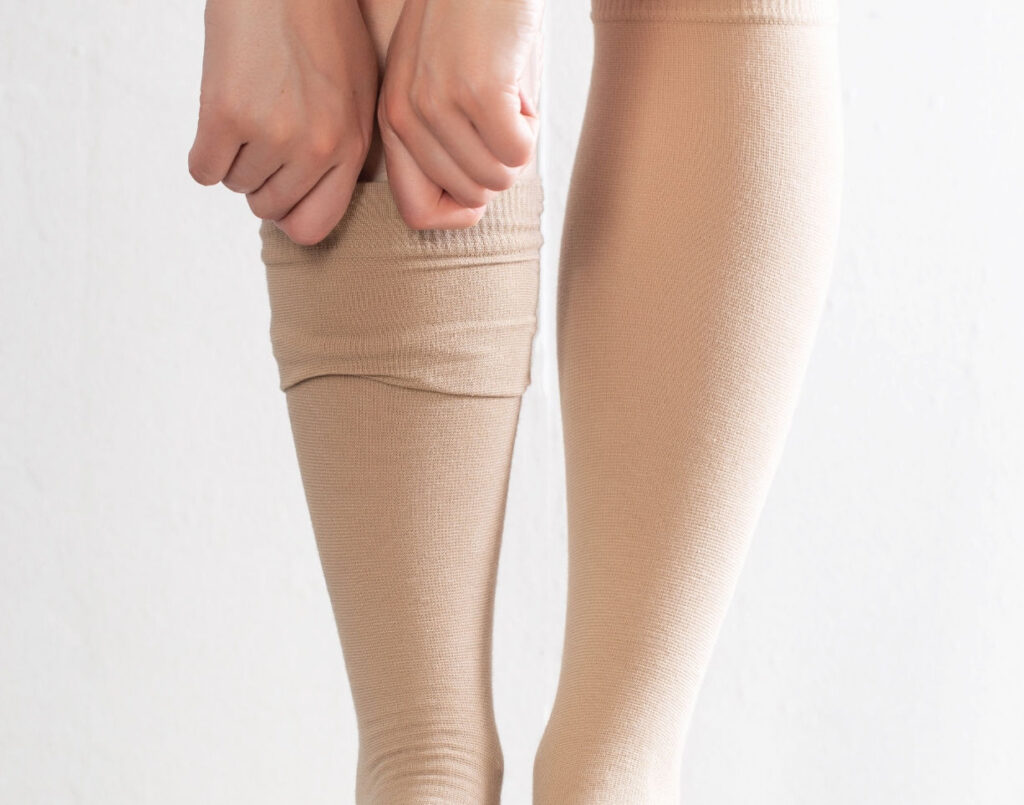
Treatment depends on the severity of the condition. Non-surgical, minimally invasive options include sclerotherapy, endovenous laser therapy (EVLT), radiofrequency ablation (RFA), and ultrasound-guided foam sclerotherapy. Compression stockings, leg elevation, exercise, and weight management can also help relieve symptoms and support vein health. In more advanced cases, surgical interventions may be considered. Most modern vein treatments are performed in-office with minimal downtime, allowing patients to resume normal activities quickly.
8. Lifestyle Measures to Reduce Symptoms
Alongside professional care, certain lifestyle changes can reduce leg heaviness and prevent vein problems from worsening. Regular exercise, such as walking or swimming, improves circulation. Avoid sitting or standing for long periods, and take breaks to move around when possible. Maintaining a healthy weight reduces pressure on the veins. Elevating the legs when resting and wearing compression stockings, as advised by your doctor, can also help relieve symptoms and support long-term vein health.
Is It Your Veins? Other Causes of Heavy Legs Compared
Heavy legs are a common complaint, and veins are only one possible reason. Several conditions can produce a similar feeling, and the clues that separate them are often in the timing and in what makes the heaviness better or worse.
| Cause | How the heaviness behaves | Other clues | Key test |
|---|---|---|---|
| Venous insufficiency | Builds through the day, worse with standing or sitting still, better with elevation and walking | Bulging or spider veins, ankle swelling, itching, night cramps | Venous duplex ultrasound |
| Peripheral arterial disease | Cramping or tiredness in the calf when walking that stops within minutes of resting | Weak foot pulses, cool feet, slow-healing toe wounds | Ankle-brachial index |
| Lymphedema | Constant fullness, little change overnight | Swelling of the foot and toes, thickened skin | Examination, imaging to exclude veins |
| Heart, kidney or liver disease | Both legs, often with general fatigue | Shortness of breath, weight gain from fluid | Blood tests, heart evaluation |
| Nerve or spine problems | Heaviness with numbness, tingling or weakness | Back pain, symptoms when standing upright | Neurological evaluation |
| Medication side effects | Swelling and heaviness after starting a new drug | Some blood pressure tablets, hormones, steroids | Medication review |
It is common to have more than one cause at once. For example, an older patient may have both vein reflux and narrowed arteries, which changes how compression should be used. That is why a full assessment checks both circulations.
Bulging Veins That Are Not Varicose Veins
Not every visible or raised vein is a problem. Some patients come to us worried about veins that are entirely healthy:
- Athletes and very lean people often have prominent veins on the arms, hands, calves and feet. With little fat under the skin and well-developed muscles, normal veins stand out, especially after exercise or in the heat.
- Veins on the top of the foot and back of the hand commonly become more visible with age as the skin thins.
- Veins that look bigger after exercise or a hot shower and return to normal afterward are usually responding normally to increased blood flow.
The features that point to a true varicose vein are twisting, persistence when you are cool and at rest, bulging that is worse when standing, and symptoms such as aching, heaviness, itching or swelling in the same leg.
Heavy Legs Without Visible Bulging Veins
Some patients have all the classic vein symptoms but no obvious varicose veins. In many of them, ultrasound shows reflux in a main vein that lies too deep to see, such as the great saphenous vein running inside its fascial layer along the inner thigh. Others have a cluster of tiny veins around the ankle, a subtle sign of high pressure above.
Less commonly, heaviness affecting a whole leg, particularly the left leg, can come from a narrowed vein in the pelvis that slows drainage from the leg. In women, pelvic vein reflux can also cause heaviness in the upper thighs together with pelvic aching; our page on pelvic congestion syndrome explains this condition.
Call 911 or seek emergency care if you notice:
- Sudden heaviness, swelling and pain in one leg, especially with warmth or redness
- Chest pain, sudden shortness of breath or coughing up blood
- A cold, pale or numb foot, or sudden severe leg pain
- Bleeding from a bulging vein that does not stop with firm pressure and leg elevation
- A hot, hard, red vein with redness spreading up the leg, or fever
How We Evaluate Leg Heaviness and Bulging Veins
At Premier Vein & Vascular Center, we look at the veins and the arteries together so that nothing is missed.
- Focused history. We ask when the heaviness occurs, what relieves it, whether walking causes calf pain, and about swelling, cramps, previous clots, pregnancies, medicines and other medical conditions.
- Examination. We examine both legs standing, look for varicose and spider veins, swelling and skin changes, and check the foot pulses.
- The right tests. A venous duplex ultrasound in our in-office vascular lab measures reflux in the superficial and deep veins. If pulses are weak or walking causes calf pain, an ankle-brachial index checks the arteries. When a pelvic cause is suspected, further imaging such as MRI may be recommended.
- A clear plan. We explain what is causing the heaviness, whether it is likely to respond to vein treatment, and which options fit your findings.
What Relief Looks Like After Vein Treatment
When ultrasound confirms reflux, the leaking vein is closed from the inside with endovenous thermal ablation or a non-thermal method, and remaining bulging branches are removed with ambulatory phlebectomy or closed with sclerotherapy. Blood immediately reroutes through healthy veins.
A realistic recovery timeline for most patients looks like this:
- Same day: you walk out of the office and are encouraged to walk regularly.
- First week: a pulling or tight feeling along the treated vein and some bruising are common; most people return to desk work within a day or two.
- Two to six weeks: the heaviness, aching and evening swelling usually improve noticeably as pressure in the leg falls.
- Two to three months: treated surface veins continue to fade and soften.
If heaviness does not improve after successful closure of the refluxing veins, we look again for a second cause, such as arterial disease, deep vein problems or a non-vascular condition.
Heavy Legs in the Houston Heat
Many of our patients say their legs feel heaviest in the summer months. Heat relaxes vein walls and draws more blood toward the skin, so leaking veins hold even more blood. Dehydration and long hours in a car or at a desk add to the effect. Staying well hydrated, wearing lighter-weight compression, walking in cooler parts of the day and raising your legs in the evening all help.
When to See a Vein Specialist in Houston
If your legs feel heavy most evenings, or you have bulging veins with aching, swelling or skin changes, an evaluation can tell you exactly what is causing it and whether treatment would help. Patients from Houston, Katy and the surrounding area can see Dr. Syed Raza, a fellowship-trained interventional radiologist with more than 15 years of experience treating varicose veins, venous reflux and PAD, at our Houston vein clinic. Same-week appointments are usually available, and most insurance plans, including Medicare, are accepted.
Talk With a Specialist at Premier Vein
Have questions about your symptoms or treatment options? Dr. Syed Raza and the team at Premier Vein & Vascular Center can evaluate your concerns and explain your options clearly. Same-week appointments are usually available, and most insurance plans are accepted.
9. FAQs: Leg Heaviness and Bulging Veins
1. What causes leg heaviness and bulging veins?
Leg heaviness is often caused by poor circulation, vein valve dysfunction, or venous reflux, while bulging veins result from increased pressure and weakened valves.
2. Are bulging veins dangerous?
While some bulging veins are cosmetic, they can also signal vein disease, which may lead to swelling, ulcers, or blood clots if untreated.
3. How are these conditions treated?
Treatment includes minimally invasive procedures, compression therapy, and lifestyle adjustments like exercise and leg elevation.
4. Can leg heaviness improve without medical treatment?
Lifestyle changes can relieve mild symptoms, but persistent or worsening heaviness should be evaluated by a vein specialist.
5. How do I find the best vein specialist in Houston?
Look for board-certified physicians experienced in minimally invasive vein treatments with positive patient reviews and clear communication.
10. Final Thoughts
Leg heaviness and bulging veins are often more than cosmetic issues. They can indicate underlying vein disease that benefits from early evaluation and treatment. Consulting the best vein specialist near me in Houston ensures proper diagnosis, personalized care, and long-term relief. Early attention often leads to simpler treatments, faster recovery, and improved leg health.
If you notice leg heaviness, bulging veins, or other vein-related symptoms, Premier Vein provides expert evaluation and minimally invasive treatments to help you achieve healthier, more comfortable legs.
Are bulging veins normal in athletes?
Yes. Lean, muscular people often have prominent but healthy veins, especially on the arms, hands and calves after exercise or in the heat. Veins that stay twisted and bulging at rest, or come with aching and swelling, are more likely to be varicose.
Can heavy legs be a sign of heart problems?
Heaviness and swelling in both legs, especially with shortness of breath or rapid weight gain, can be related to heart, kidney or liver conditions and should be checked by your doctor. Heaviness that is worse by evening and eases with elevation is more typical of vein disease.
Why do my legs feel heavier in hot weather?
Heat widens the veins and increases blood flow to the skin, so veins with weak valves hold more pooled blood. People with venous insufficiency often notice more heaviness and swelling during hot months.
Do bulging veins go away with weight loss?
Weight loss lowers pressure in the leg veins and often eases heaviness and swelling, but it does not repair damaged valves. Varicose veins that are already present usually remain unless they are treated.
How quickly does leg heaviness improve after vein treatment?
Many patients notice less heaviness and aching within two to six weeks after the refluxing vein is closed, as pressure in the leg falls. Bruising and tightness along the treated vein usually settle within a week or two.
Is leg heaviness without visible veins worth checking?
Yes. Reflux can occur in veins too deep to see, and a fan of tiny veins around the ankle may be the only visible clue. A venous duplex ultrasound shows whether hidden reflux is causing the heaviness.
Trusted Health Resources
- Chronic Venous Insufficiency, Society for Vascular Surgery
- Venous Insufficiency, MedlinePlus Medical Encyclopedia (NIH)
- Varicose Veins and Spider Veins, MedlinePlus (NIH)
Disclaimer: This blog is for informational purposes only and does not replace professional medical advice, diagnosis, or treatment. Always consult a qualified healthcare provider regarding any vein-related concerns or symptoms.