
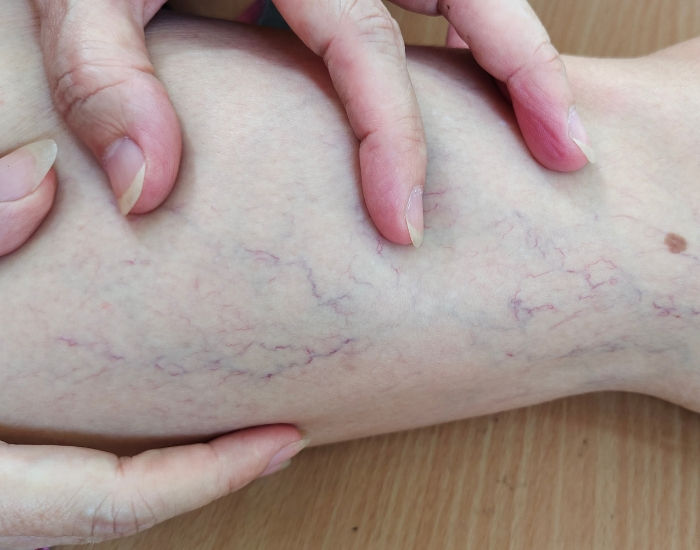
Leg heaviness & bulging veins Houston residents experience is more than just a cosmetic concern. Many people notice their legs feeling tired, weighed down, or uncomfortable, often accompanied by visible, twisted veins that become more pronounced as the day progresses. While these symptoms may seem minor at first, they frequently indicate an underlying vein condition that requires medical attention.
This article explores the causes of leg heaviness & bulging veins Houston patients commonly report, how these symptoms develop, what risk factors contribute to the condition, and when it becomes essential to seek professional evaluation to prevent further complications.

Meet your vein specialist
Dr. Syed Raza, MD
Vascular & Interventional Radiology · Founder, Premier Vein & Vascular Center
Fellowship-trained interventional radiologist, board certified in diagnostic and interventional radiology with a Certificate of Added Qualification (CAQ) in interventional radiology, and a Fellow of the Royal College of Radiologists (UK). Member of SIR and RSNA. Former Chief of Interventional Radiology at UTMB Galveston and Memorial Hermann Memorial City, with 15+ years treating varicose veins, venous reflux and peripheral arterial disease.
1. What Causes Leg Heaviness & Bulging Veins
Leg heaviness & bulging veins Houston individuals experience typically result from weakened or damaged vein valves. Healthy veins push blood upward toward the heart, but when these valves fail, blood flows backward and pools in the lower extremities. This increased pressure causes veins to enlarge, twist, and become visible beneath the skin.
As pressure builds, the legs begin to feel heavy, tight, and fatigued, especially after prolonged standing or sitting. Over time, this condition can progress and interfere with mobility, comfort, and overall quality of life.
2. How Vein Problems Lead to Leg Discomfort
When veins cannot circulate blood efficiently, poor circulation creates a sensation of fullness and strain in the legs. This explains why leg heaviness & bulging veins Houston patients often notice worsening symptoms by the evening.
The buildup of pressure also leads to fluid leakage into surrounding tissues, which can cause swelling, tightness, and aching sensations. These physical changes contribute significantly to discomfort and reduced leg performance during daily activities.
3. Common Symptoms Associated With Bulging Veins
Leg heaviness & bulging veins Houston cases often present with a variety of symptoms that signal underlying vein disease:
- Persistent heaviness or fatigue in the legs
- Aching, throbbing, or cramping sensations
- Visible, twisted, or enlarged veins
- Swelling in the lower legs or ankles
- Burning or tingling sensations
- Skin discoloration or dark patches
- Itching or dryness near affected veins
These symptoms tend to worsen at the end of the day and may temporarily improve with leg elevation or rest.
4. Risk Factors That Contribute to Vein Dysfunction
Several factors increase the likelihood of developing leg heaviness & bulging veins Houston residents should be aware of. Aging naturally weakens vein walls and valves, making circulation less efficient. Genetics also play a key role, as vein conditions often run in families.
Lifestyle factors such as prolonged standing, sedentary habits, obesity, and lack of physical activity increase pressure on the veins. Hormonal changes, pregnancy, and certain occupations that limit movement can further exacerbate the condition.
Understanding these risk factors helps individuals recognize early warning signs and take action before symptoms become severe.
5. How Leg Vein Conditions Are Diagnosed
When leg heaviness & bulging veins Houston symptoms become persistent, a vein specialist typically conducts a thorough evaluation. This process begins with a detailed medical history and physical examination to understand the pattern and severity of symptoms.
Diagnostic imaging such as Doppler ultrasound or duplex ultrasound is commonly used to assess blood flow and identify malfunctioning valves. These tests allow specialists to pinpoint the exact cause of discomfort and determine the most appropriate treatment plan.
6. Ways to Manage and Improve Symptoms
Managing leg heaviness & bulging veins Houston patients experience often involves a combination of lifestyle changes and medical care. Regular physical activity, including walking and leg exercises, encourages healthy circulation and reduces blood pooling.
Avoiding prolonged periods of standing or sitting and taking frequent breaks to move can relieve pressure on the veins. Elevating the legs during rest helps decrease swelling and discomfort. Compression stockings also support vein function and promote efficient blood flow.
In more advanced cases, minimally invasive treatments such as endovenous procedures may be recommended to restore proper circulation and relieve symptoms effectively.
7. When to Seek Professional Evaluation in Houston
It is important to seek medical attention if leg heaviness & bulging veins Houston symptoms worsen or interfere with daily life. Professional evaluation becomes essential when symptoms:
- Persist for several weeks
- Become increasingly painful
- Are accompanied by swelling or skin changes
- Affect mobility or sleep
- Do not improve with rest or lifestyle changes
Early diagnosis and treatment can help prevent complications such as skin ulcers, chronic swelling, or further progression of vein disease.
8. Final Thoughts
Leg heaviness & bulging veins Houston residents experience should never be ignored, as they often point to underlying circulation problems. While initially mild, these symptoms can steadily worsen and impact overall quality of life if left untreated. By recognizing the signs early and seeking appropriate evaluation, individuals can restore healthy circulation, reduce discomfort, and prevent long-term complications. Taking action today supports better leg health and improved daily comfort.
If you are experiencing leg heaviness & bulging veins Houston, schedule a professional evaluation with Premier Vein & Vascular Center. Their experienced specialists can identify the root cause of your symptoms and recommend effective treatment options tailored to your needs.
Heavy Legs Without Bulging Veins: Hidden Reflux
Many patients assume that if they cannot see varicose veins, their veins must be fine. In practice, we regularly find significant reflux in people whose legs look almost normal. The great saphenous vein, the longest vein in the leg, runs inside a sheath of tissue beneath the skin. When its valves fail, it can carry a large volume of backward-flowing blood without ever bulging visibly.
These patients usually describe the same evening heaviness, ankle swelling and night cramps as people with obvious varicose veins. Some notice only a few spider veins or a faint blue network around the ankle. Others have nothing visible at all. Because the symptoms are vague, they are often put down to age, weight or a long day at work. A duplex ultrasound is the only way to know whether hidden reflux is the cause.
Is It Your Veins? Other Causes of Heavy, Tired Legs
Leg heaviness is a symptom, not a diagnosis. Vein disease is a very common cause, but several other conditions can produce similar feelings, and some need a different kind of care.
| Possible cause | What it usually feels like | Helpful clues |
|---|---|---|
| Venous insufficiency | Heavy, achy legs that worsen through the day and ease with elevation | Ankle swelling, varicose or spider veins, night cramps, skin staining |
| Peripheral arterial disease | Cramping or tiredness in the calf or thigh while walking, relieved by stopping | Cool feet, weak pulses, smoking or diabetes |
| Deep vein thrombosis | Sudden heaviness and swelling in one leg, often with pain and warmth | Recent surgery, travel, illness or immobility |
| Lymphedema | Persistent heaviness and swelling that does not settle much overnight | Swelling of the foot and toes, thickened skin |
| Heart, kidney, liver or thyroid conditions | Swelling and heaviness in both legs | Shortness of breath, fatigue, other medical symptoms |
| Medication side effects | Ankle swelling and heaviness after starting a new drug | Certain blood pressure, diabetes and anti-inflammatory medicines |
| Lower back nerve problems | Heaviness, numbness or weakness with standing or walking | Back pain, symptoms that ease when sitting or bending forward |
It is common to have more than one cause at the same time. For example, a patient may have mild vein reflux and also take a medication that adds to swelling. A good evaluation looks at the whole picture rather than assuming the veins explain everything.
Why Houston Heat Makes Heavy Legs Feel Worse
Patients across Houston often tell us their legs feel noticeably worse from late spring through early fall. There is a physiological reason for this. Heat causes veins to widen so the body can release heat through the skin. In a vein that already has leaking valves, wider means more pooling and more pressure in the lower leg.
Humidity and dehydration add to the effect, and long car commutes or hours in air-conditioned offices with little movement keep the calf muscle pump idle. The result is more swelling by evening and a heavier, more tired feeling in the legs. Practical steps help: drink water regularly, take walking breaks, avoid long hot baths and hot tubs, and wear lighter-weight compression stockings that are more comfortable in warm weather.
Bulging Veins: What Different Types Mean
The size and pattern of visible veins give some clues about what is happening underneath, although appearance alone never tells the full story.
- Spider veins are fine red, blue or purple lines just in the skin. They are often cosmetic, but a dense cluster at the ankle or inner knee can point to deeper reflux.
- Reticular veins are blue-green veins slightly larger than spider veins, often visible behind the knee or on the outer thigh. They frequently feed spider veins.
- Varicose veins are raised, twisted, rope-like veins wider than a few millimeters. They are almost always connected to a leaking larger vein upstream.
- Sudden new bulges or a hard, tender, red cord along a vein can mean inflammation or a clot in the vein and should be checked promptly.
You can read more about the visible veins on our varicose veins and spider veins pages.
How We Evaluate Leg Heaviness and Bulging Veins
At Premier Vein & Vascular Center, the first visit is designed to answer two questions: are your veins the cause of your symptoms, and if so, which veins?
- Focused history. We ask when the heaviness started, what makes it better or worse, your work routine, pregnancies, prior clots, medications and family history.
- Examination standing and lying down. We look at visible veins, swelling, skin changes and pulses, and check both legs for differences.
- Venous duplex ultrasound. In our in-office vascular lab, the scan maps the deep and superficial veins with you standing or tilted, measures reflux at each valve and rules out clots. Details are on our venous ultrasound page.
- Arterial screening when appropriate. An ankle-brachial index is added if walking pain, weak pulses or other signs suggest the arteries are involved.
- A clear plan. We explain the findings in plain language and discuss whether conservative care, a procedure or referral for another cause makes the most sense.
Treatment That Relieves Heaviness at the Source
When the ultrasound shows reflux, closing the leaking vein is what lowers the pressure that causes heaviness. Blood then returns through the healthy deep veins. Options include endovenous thermal ablation, non-thermal ablation, foam sclerotherapy and ambulatory phlebectomy for the bulging branches.
These are office procedures done under local anesthesia, usually in under an hour. You walk out afterward and are encouraged to keep walking. Most people return to desk work within a day or two. Expect some tenderness or bruising along the treated vein for a week or two. Many patients say the first thing they notice is that their legs no longer feel heavy at the end of the day, often within a few weeks, while the visible veins continue to shrink over the following months.
Not everyone needs a procedure. If the ultrasound shows only mild reflux, or your symptoms are occasional, we may suggest a period of compression stockings, regular walking and leg elevation first, then reassess. Some insurance plans also ask for a trial of compression before they cover treatment, and our team can help you understand those requirements. If symptoms continue to interfere with work, sleep or exercise despite these measures, treating the leaking vein is a reasonable next step, and you can make that decision with the full ultrasound picture in front of you.
Call 911 or seek emergency care if you have:
- Sudden heaviness, swelling and pain in one leg, especially with warmth or redness
- Sudden shortness of breath, chest pain or coughing up blood
- Bleeding from a varicose vein that does not stop with firm pressure and raising the leg
- A leg or foot that becomes cold, pale, numb or very painful
- A hard, red, painful vein with fever or spreading redness
Getting Heavy Legs Checked by a Houston Vein Doctor
If your legs feel heavy most evenings, if bulging veins are getting larger or more painful, or if swelling and skin changes are appearing, an evaluation can tell you what is going on and what to do about it. Dr. Syed Raza is a fellowship-trained interventional radiologist, board certified in diagnostic and interventional radiology by the American Board of Radiology and a Fellow of the Royal College of Radiologists (UK), with more than 15 years of experience treating varicose veins, venous reflux and PAD. If you are looking for a vein doctor in Houston, same-week appointments are usually available, and most insurance plans, including Medicare, are accepted.
Talk With a Specialist at Premier Vein
Have questions about your symptoms or treatment options? Dr. Syed Raza and the team at Premier Vein & Vascular Center can evaluate your concerns and explain your options clearly. Same-week appointments are usually available, and most insurance plans are accepted.
Frequently Asked Questions
Why do my legs feel heavy at the end of the day?
Heaviness that builds through the day and eases when you lie down is a classic sign of venous insufficiency, where leaking vein valves let blood pool in the lower legs. Other causes, such as medications or heart and kidney conditions, should also be considered, and an ultrasound can confirm whether the veins are responsible.
Can you have vein problems without visible varicose veins?
Yes. The main saphenous vein can leak significantly without bulging because it sits beneath a layer of tissue. People with hidden reflux often have heaviness, swelling and cramps but few or no visible veins.
Do compression stockings help heavy legs?
Compression stockings often reduce heaviness and swelling by supporting the veins and helping the calf pump. They ease symptoms but do not repair leaking valves, so they work best alongside an evaluation of the underlying cause.
Are bulging veins in the legs dangerous?
Most bulging veins are not dangerous, but they signal a pressure problem that can progress to swelling, skin changes and ulcers. A sudden hard, red, painful vein or sudden swelling in one leg needs prompt medical attention.
What kind of doctor should I see for heavy legs and bulging veins?
A vein specialist, such as an interventional radiologist or vascular surgeon, can evaluate the veins with a duplex ultrasound and offer minimally invasive treatment. If the veins are not the cause, they can help direct you to the right specialist.
How long after vein treatment do heavy legs improve?
Many patients notice their legs feel lighter within a few weeks of treating the leaking vein. Visible bulging veins shrink more gradually over several months, and some may need a second, smaller treatment.
Trusted Health Resources
- Chronic Venous Insufficiency, Society for Vascular Surgery
- Venous Insufficiency, MedlinePlus Medical Encyclopedia (NIH)
- Varicose Veins and Spider Veins, MedlinePlus (NIH)