
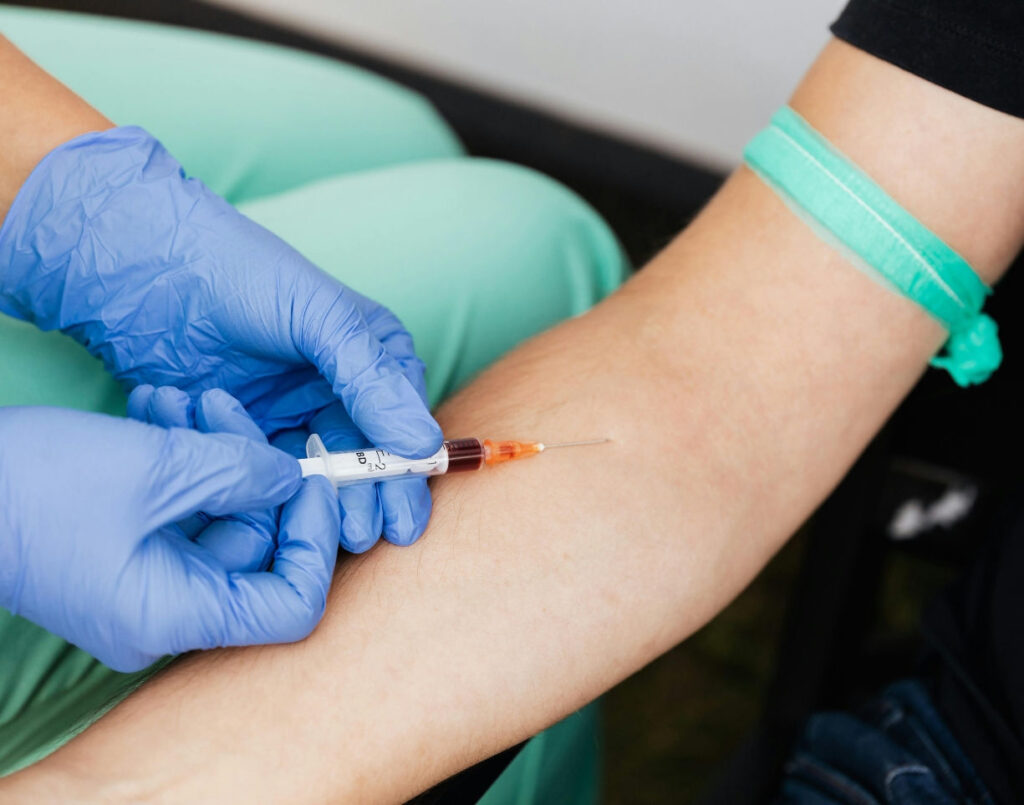
Vein problems such as varicose veins, spider veins, and chronic venous insufficiency affect millions of people and can cause discomfort, swelling, and leg heaviness. Fortunately, advances in medical technology have made it possible to treat these conditions without traditional surgery. Minimally invasive vein treatments offer safer, quicker, and more comfortable options for patients. Understanding these treatments helps you make informed decisions and find the best vein specialist near me in Houston for your care.
Quick Answer: Minimally invasive vein treatments close or remove faulty veins through a needle puncture or tiny nicks instead of surgical incisions. The main options are radiofrequency and laser ablation, non-thermal ablation with medical adhesive or microfoam, ultrasound-guided foam sclerotherapy, sclerotherapy and ambulatory phlebectomy. Most are done in the office under local anesthesia in under an hour, and patients usually walk out and resume normal routines within a day or two. A duplex ultrasound decides which option fits your veins.

Meet your vein specialist
Dr. Syed Raza, MD
Vascular & Interventional Radiology · Founder, Premier Vein & Vascular Center
Fellowship-trained interventional radiologist, board certified in diagnostic and interventional radiology with a Certificate of Added Qualification (CAQ) in interventional radiology, and a Fellow of the Royal College of Radiologists (UK). Member of SIR and RSNA. Former Chief of Interventional Radiology at UTMB Galveston and Memorial Hermann Memorial City, with 15+ years treating varicose veins, venous reflux and peripheral arterial disease.
1. What Are Minimally Invasive Vein Treatments?
Minimally invasive vein treatments are procedures that close or remove problem veins without requiring traditional surgery. Compared to older surgical methods, these treatments use small incisions or injections, involve little to no anesthesia, and allow for faster recovery. More importantly, they address the root causes of vein problems, such as valve dysfunction or venous reflux, rather than simply improving the appearance of surface veins. By targeting the underlying issues, patients often experience long-term relief and improved leg health.
2. Endovenous Laser Therapy (EVLT)
Endovenous laser therapy, commonly called EVLT, is one of the most widely used minimally invasive procedures for varicose veins. During the procedure, the doctor inserts a small laser fiber into the affected vein and delivers laser energy to gently close it. As a result, blood naturally reroutes through healthy veins, and the treated vein gradually shrinks and disappears. EVLT is usually performed in-office, takes less than an hour, and allows patients to resume normal activities the same day. Because it is quick and effective, EVLT has become a preferred option for many patients seeking relief from vein-related symptoms.
3. Radiofrequency Ablation (RFA)
Radiofrequency ablation, or RFA, works in a similar way to EVLT but uses radiofrequency energy instead of laser energy. A small catheter delivers heat directly to the vein wall, causing it to collapse and seal shut. This procedure effectively treats larger varicose veins and carries a low risk of complications. Most patients feel only mild discomfort, and recovery is fast. For those seeking an efficient and convenient solution for vein problems, RFA offers excellent results with minimal disruption to daily life.
4. Sclerotherapy for Spider and Small Varicose Veins
Sclerotherapy is a popular injection-based treatment, especially for spider veins and smaller varicose veins. During the procedure, the doctor injects a special solution directly into the affected vein, causing it to close and fade gradually over time. Sclerotherapy is safe, minimally invasive, and typically performed in-office. Depending on the number and size of veins, patients may require multiple sessions. This treatment improves both the appearance and comfort of the legs by reducing visible veins, swelling, and minor heaviness.
5. Ultrasound-Guided Foam Sclerotherapy
For larger or deeper veins that are not visible on the surface, doctors use ultrasound-guided foam sclerotherapy. The foam solution is carefully injected into the vein under ultrasound guidance, ensuring precise delivery and closure. Over time, the body naturally absorbs the treated vein. This method allows doctors to treat veins that traditional sclerotherapy cannot reach and is particularly effective for patients with more complex vein problems. Many patients appreciate the minimally invasive nature of this procedure, along with the quick recovery and noticeable improvement in symptoms.
6. Benefits of Minimally Invasive Treatments
Minimally invasive vein treatments offer numerous advantages over traditional surgery:
- Short recovery times: Most procedures allow patients to resume normal activities quickly.
- Reduced pain and discomfort: Small incisions or injections are far less painful than surgical options.
- Lower risk of complications: Minimally invasive techniques reduce the risk of infection and scarring.
- Effective results: Treatments address the underlying vein problem, not just surface appearance.
- Convenience: Procedures are typically performed in-office with local anesthesia.
These benefits make minimally invasive treatments the preferred choice for most patients seeking relief from varicose veins, spider veins, and chronic venous insufficiency.
7. Who Is a Candidate for These Procedures?
Most adults with symptomatic varicose veins, spider veins, or chronic venous insufficiency are candidates for minimally invasive vein treatments. Ideal candidates include individuals who experience:
- Leg heaviness, aching, or swelling
- Bulging veins or visible spider veins
- Skin changes, discoloration, or minor ulcers due to vein problems
- Discomfort that affects daily activities
A consultation with the best vein specialist near me in Houston can determine the most appropriate treatment based on the severity of your vein condition, overall health, and personal goals.
8. Lifestyle Measures to Support Vein Health
Even after treatment, adopting healthy habits can help maintain vein health and prevent new problems. Consider:
- Regular exercise, such as walking or swimming, to improve circulation
- Avoiding long periods of sitting or standing
- Maintaining a healthy weight to reduce pressure on the legs
- Wearing compression stockings if recommended by your doctor
- Elevating the legs while resting to promote blood flow
Combining these lifestyle measures with professional care enhances long-term results.
Minimally Invasive Vein Treatment Options Compared Side by Side
Each treatment above has a specific job, and many patients end up having two or three of them in sequence. The table below adds the non-thermal options and phlebectomy so you can see the full range in one place.
| Treatment | Main target | Anesthesia | Typical time | Usual recovery |
|---|---|---|---|---|
| Radiofrequency ablation | Straight trunk veins such as the great saphenous vein | Local numbing along the vein | Under an hour | Walk immediately; normal routine in a day or two |
| Endovenous laser ablation | Trunk veins of various sizes | Local numbing along the vein | Under an hour | Walk immediately; mild bruised feeling for a week or two |
| Non-thermal ablation (medical adhesive) | Trunk veins, especially near nerves | A single numbing injection | Under an hour | Walk immediately; compression often not needed |
| Varithena microfoam | Trunk veins and twisted tributaries | Minimal local | About 30 to 60 minutes | Walk immediately; compression for a short period |
| Ambulatory phlebectomy | Large bulging surface branches | Local | 30 to 60 minutes | Bruising for a week or two; walking encouraged |
| Sclerotherapy | Spider and small varicose veins | None needed | 15 to 45 minutes | Back to normal the same day |
Non-Thermal Ablation and Phlebectomy: Two More Tools
Closing veins without heat
Thermal ablation requires a series of numbing injections around the vein to protect surrounding tissue from heat. Non-thermal options avoid that step. With medical adhesive, a small amount of glue is placed inside the vein through a catheter while the vein is gently compressed, sealing it shut. With Varithena, a pharmaceutical microfoam fills and closes the vein under ultrasound. These options are especially useful for veins below the knee, where nerves run close to the vein, and for patients who prefer fewer needle sticks. Learn more about non-thermal vein ablation.
Removing bulging branches
Once the leaking trunk vein is closed, some large, rope-like branches may still be visible. In ambulatory phlebectomy, the skin is numbed and the vein is removed in small segments through 2 to 3 mm nicks that usually do not need stitches. The marks typically fade to be barely noticeable over a few months.
How We Choose the Right Treatment for Your Veins
Patients sometimes ask which procedure is best. The honest answer is that the best treatment is the one that fits your particular veins. Factors we weigh include:
- Which vein is leaking: a trunk vein, a perforator, or surface branches
- Vein size and depth: very large or very superficial veins may suit one method better than another
- How straight the vein is: catheters need a fairly straight path, while foam can follow twists
- Nearby nerves: below the knee, non-thermal methods can reduce the chance of nerve irritation
- Your health and preferences: blood thinners, allergies, tolerance of compression and recovery time all matter
- Insurance requirements: some plans cover certain methods only after specific criteria are met
Why the order of treatment matters
When a leaking trunk vein feeds visible varicose branches, we usually close the trunk vein first. Lowering the pressure at its source often makes the branches shrink on their own over the following weeks, and the ones that remain are easier to treat with phlebectomy or sclerotherapy. Treating only the visible branches while the source keeps leaking is one of the most common reasons veins seem to come back. For spider veins alone, without deeper reflux, sclerotherapy is usually the only step needed.
How We Evaluate Patients Before Vein Treatment
At Premier Vein & Vascular Center, every treatment plan starts with a full picture of how your veins are working.
- Focused history. We ask about aching, heaviness, swelling, cramps, itching and skin changes, previous clots, pregnancies, medicines and any vein treatment you have had before.
- Examination. We examine both legs standing and lying down and check the pulses in your feet to make sure arterial circulation is healthy.
- Venous duplex ultrasound. In our in-office vascular lab, we map each vein segment, measure reflux and vein diameters, and check the deep veins for old or new clot.
- A clear plan. Dr. Raza explains which veins are responsible, which procedures fit, in what order, and what recovery will look like, so there are no surprises.
What Treatment Day and Recovery Look Like
For most ablation procedures, you can eat normally and drive yourself unless you have chosen an oral relaxing medicine. You lie on the procedure table while the leg is cleaned and the vein is located with ultrasound. After numbing, a thin catheter is placed through a single needle entry, the vein is closed, and a small bandage covers the site. Many patients are surprised to be walking around the clinic within minutes.
- First day: walk for 10 to 20 minutes several times; avoid long periods of sitting
- First week: a pulling or tight feeling along the treated vein is common and usually eases with walking and simple pain relief
- Exercise: light activity right away; most people return to the gym after about a week
- Follow-up: a short ultrasound, often within a few days, confirms the vein is closed and the deep veins are clear
Serious complications are uncommon. The main risks include bruising, temporary numbness near the treated vein, superficial inflammation and, rarely, a clot extending into a deep vein, which is why the follow-up scan matters.
Call 911 or seek emergency care if you notice:
- Sudden swelling, pain and warmth in the calf or thigh after a procedure
- Chest pain, sudden shortness of breath or coughing up blood
- Bleeding that soaks through the bandage and does not stop with firm pressure and leg elevation
- Fever, spreading redness or pus at an access site
Minimally Invasive Vein Treatment in Houston
If you are weighing your options for varicose veins, spider veins or chronic venous insufficiency, an ultrasound-based evaluation is the best first step. Dr. Syed Raza, a fellowship-trained interventional radiologist with more than 15 years of experience and a former Chief of Interventional Radiology at UTMB Galveston and Memorial Hermann Memorial City, performs the full range of office-based procedures for patients across Houston and Katy. Contact our vein clinic in Houston at (832) 321-5355; same-week appointments are usually available and most insurance plans, including Medicare, are accepted. You can also review our varicose veins FAQs.
Talk With a Specialist at Premier Vein
Have questions about your symptoms or treatment options? Dr. Syed Raza and the team at Premier Vein & Vascular Center can evaluate your concerns and explain your options clearly. Same-week appointments are usually available, and most insurance plans are accepted.
9. FAQs: Minimally Invasive Vein Treatments
1. Are minimally invasive vein treatments painful?
Most procedures are well-tolerated with only minor discomfort, as they use local anesthesia or small injections.
2. How long is the recovery period?
Recovery is usually quick, often allowing patients to resume normal activities the same day or within a few days.
3. Are the results permanent?
Treated veins typically do not return, but new veins may develop over time, making follow-up care important.
4. How do I choose the best vein specialist in Houston?
Look for board-certified physicians experienced in minimally invasive vein procedures with positive patient reviews.
5. Is insurance coverage available?
Many procedures are covered if they are medically necessary, especially for symptomatic varicose veins.
10. Final Thoughts
Minimally invasive vein treatments provide safe, effective, and convenient solutions for varicose veins, spider veins, and related vein problems. They address the underlying causes rather than just the surface appearance, offering long-term relief with minimal downtime. Consulting the best vein specialist near me in Houston ensures personalized care and access to the most advanced treatment options.
If you are struggling with varicose veins, spider veins, or leg discomfort, Premier Vein offers expert evaluation and minimally invasive treatments to help you achieve healthier, more comfortable legs.
Which is better, thermal or non-thermal vein ablation?
Both close leaking veins effectively. Thermal ablation uses heat and requires numbing injections along the vein, while non-thermal methods use adhesive or foam and need fewer needle sticks. The choice depends on the vein’s location, size and shape and on your preferences.
Do I need to wear compression stockings after vein treatment?
Many patients wear compression for a short period after thermal ablation, foam sclerotherapy or phlebectomy to reduce bruising and soreness. After adhesive closure, compression is often not required. Your vein team will give specific instructions.
Can both legs be treated on the same day?
Sometimes, but many practices treat one leg at a time, a week or two apart, to keep each session comfortable and limit anesthetic and medication use. Your physician will recommend the safest schedule for you.
Is vein stripping still used?
Traditional vein stripping surgery is now rarely needed. Minimally invasive office procedures have largely replaced it because they offer faster recovery, less pain and smaller marks for most patients.
Can I fly after a vein procedure?
Short flights are often fine after a few days, but long flights are usually best postponed for about one to two weeks. If you must travel, walk regularly, stay hydrated and wear compression, and check with your vein specialist first.
How soon will my legs feel better after vein ablation?
Many patients notice less heaviness and aching within a few weeks, while bulging branches and swelling improve gradually over several months. Some may need additional treatment of remaining veins.
Will I need more than one vein procedure?
Many patients need more than one step, for example closing a leaking trunk vein first and then treating remaining branches with phlebectomy or sclerotherapy. Your ultrasound findings determine how many treatments are likely.
Trusted Health Resources
- Chronic Venous Insufficiency, Society for Vascular Surgery
- Venous Insufficiency, MedlinePlus Medical Encyclopedia (NIH)
- Varicose Veins and Spider Veins, MedlinePlus (NIH)
Disclaimer: This blog is for informational purposes only and does not replace professional medical advice, diagnosis, or treatment. Always consult a qualified healthcare provider for vein-related concerns.