
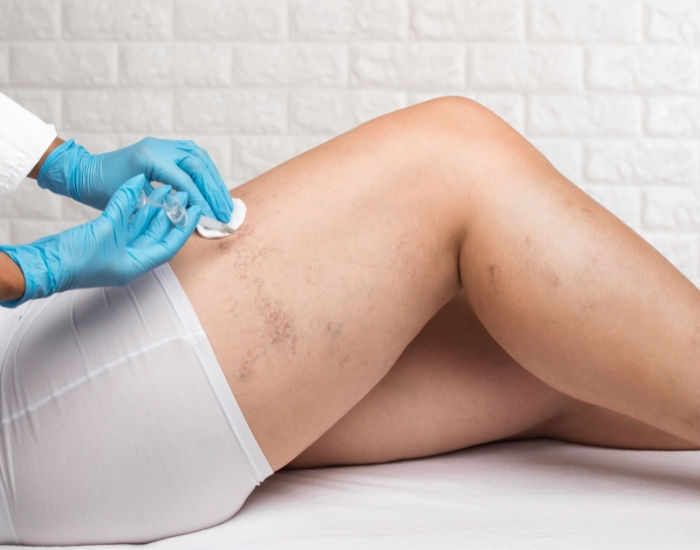
If you’re dealing with varicose veins, you might wonder why a single treatment session isn’t always enough to resolve the issue. While it’s natural to hope for a quick fix, vein conditions often require a series of treatments to achieve the best results. At Premier Vein and Vascular Center, we want our patients to fully understand why this is the case and how we can help you on your path to healthier veins.
Quick Answer: Many people do need more than one vein treatment, but not because the first one failed. Vein disease usually involves several veins: a main leaking trunk vein, the branches it feeds and sometimes spider veins or a second leg. A typical plan closes the main vein first, then treats remaining branches weeks later, then handles cosmetic spider veins. Each leg is usually treated on a separate day. A venous duplex ultrasound shows how many veins are involved, which tells you roughly how many sessions to expect.
Why Do Some Vein Conditions Require Multiple Treatments?
Varicose veins are complex and can vary greatly in severity and scope from person to person. Factors such as vein size, location, and the extent of the damage all play a role in determining how many treatments are needed.
For example:
- Severity: Larger varicose veins or networks of veins may need multiple interventions to ensure complete closure and optimal results.
- Underlying Conditions: Sometimes, varicose veins are a symptom of deeper venous issues, such as chronic venous insufficiency, requiring a comprehensive approach.
- Patient Response: Individual factors like your overall health and how your body responds to treatment can influence the number of sessions required.
Your vein health is unique, and treatment plans should reflect that individuality.
Common Varicose Vein Treatments
Premier Vein and Vascular Center offers several state-of-the-art treatments to address varicose veins. Each is minimally invasive, safe, and highly effective. Here’s what we provide:
- Sclerotherapy: A solution is injected into the affected veins, which causes them to close and eventually fade. This is especially effective for smaller varicose or spider veins but may require multiple sessions to achieve complete results.
- Endovenous Laser Ablation (EVLA): A laser is used to heat the vein from the inside, causing it to seal shut. This procedure is ideal for larger, more problematic veins and often provides significant relief after a single session, though additional treatments may be needed for more extensive cases.
- VenaSeal™: This innovative treatment uses a medical adhesive to close off varicose veins. VenaSeal is often a great option for patients looking for a quicker recovery, but like other methods, the number of treatments varies based on the condition.
The Benefits of Multiple Treatments
While multiple treatments might sound daunting, they are usually spaced out to ensure your body has time to heal and adapt. Here are some benefits to receiving more than one session:
- Maximized Results: Every treatment builds upon the previous one, working to fully address all veins impacted by your condition.
- Lower Risk of Complications: Spreading out treatments allows your healthcare provider to monitor your progress and adjust the plan as necessary.
- Comprehensive Care: Multiple treatments provide a thorough approach, targeting both the cosmetic appearance and underlying health issues tied to varicose veins.
Why a Personalized Treatment Plan Matters
Varicose vein treatment isn’t one-size-fits-all. A personalized treatment plan ensures that all aspects of your vein health are considered—from the visible symptoms to any underlying venous issues. At Premier Vein and Vascular Center, our specialists work closely with you to develop a strategy tailored to your specific condition and lifestyle.
This customized care approach means:
- Better long-term results.
- A higher likelihood of addressing all problem areas.
- Increased confidence in managing your vein health post-treatment.
Maintaining Vein Health Post-Treatment
Even after successful treatment, it’s crucial to maintain good vein health to reduce the risk of recurrence. Simple lifestyle adjustments can make a big difference, including:
- Staying Active: Regular exercise promotes healthy circulation.
- Elevating Your Legs: Resting with your feet raised can alleviate pressure on your veins.
- Wearing Compression Stockings: These can help improve blood flow and reduce swelling.
- Prioritizing a Healthy Diet: A balanced diet supports vein health by helping you maintain a healthy weight.
Following these tips can help you enjoy the long-term benefits of your treatment and bolster your overall vein health.
Take the Next Step Towards Healthier Veins
If you’re concerned about your varicose veins or wondering how many treatments you might need, scheduling a consultation with an experienced vein specialist is the best first step. Specializing in varicose vein treatment Houston, Premier Vein & Vascular Center offers advanced, minimally invasive care for Houston-area patients.
Contact us today to book your consultation and discover how our expert team can create a personalized treatment plan for you. From sclerotherapy to VenaSeal, we’re here to help you achieve lasting results—and healthier, happier legs.

Meet your vein specialist
Dr. Syed Raza, MD
Vascular & Interventional Radiology · Founder, Premier Vein & Vascular Center
Fellowship-trained interventional radiologist, board certified in diagnostic and interventional radiology with a Certificate of Added Qualification (CAQ) in interventional radiology, and a Fellow of the Royal College of Radiologists (UK). Member of SIR and RSNA. Former Chief of Interventional Radiology at UTMB Galveston and Memorial Hermann Memorial City, with 15+ years treating varicose veins, venous reflux and peripheral arterial disease.
Why Multiple Vein Treatments Are Common: The Vein Map
It helps to think of leg veins as a river system. The great and small saphenous veins are the main channels. Branch veins, called tributaries, feed into them, and tiny spider and reticular veins sit at the very edges. Connecting veins called perforators link the surface system to the deep veins inside the muscle.
When valves fail in a main channel, pressure backs up into everything downstream. The bulging veins you see are often the branches, not the source. A good plan treats the source first, then whatever is still visible or symptomatic afterward. That naturally takes more than one visit, and it is usually the reason a vein specialist talks about a series of treatments rather than one.
In our practice, we often describe it this way to patients: the first procedure turns off the pressure, and the follow-up procedures clean up what that pressure left behind.
A Typical Staged Vein Treatment Plan
Every plan is individual, but most follow a similar order. Here is what a staged approach often looks like for someone with symptomatic varicose veins in one leg.
- Close the main leaking vein. Endovenous ablation, adhesive closure or foam is used on the saphenous vein identified on ultrasound.
- Check and wait. A follow-up ultrasound confirms closure, and we give the branches several weeks to shrink. Many become smaller or less painful once the pressure is gone.
- Treat remaining branches. Bulging veins that persist are removed with ambulatory phlebectomy or closed with ultrasound-guided foam sclerotherapy.
- Address spider veins if desired. Cosmetic spider veins are treated last with sclerotherapy, once the deeper pressure problem is controlled.
- Repeat for the other leg if needed. The second leg is usually treated on a separate day, often a week or more later.
Doing things in this order usually means fewer total procedures than starting with the visible veins and working backward.
How Many Sessions Different Vein Problems Usually Need
We can never promise a fixed number, because veins and healing differ from person to person. The table below shows how treatment commonly unfolds for different situations.
| Situation | Usual first step | What often follows |
|---|---|---|
| Spider veins only | Sclerotherapy | Additional sessions several weeks apart until the area clears; occasional touch-ups |
| One leaking saphenous vein with a few branches | Ablation or adhesive closure | Phlebectomy or foam for remaining branches |
| Reflux in great and small saphenous veins | Ablation of each vein, often on separate visits | Branch treatment after both are closed |
| Both legs affected | Treat the more symptomatic leg first | Repeat the plan on the other leg |
| Leg ulcer or skin changes | Close refluxing veins near the wound and continue compression | Foam for small veins under the wound; ongoing wound care |
| Veins returning after old surgery | Ultrasound mapping, often foam sclerotherapy | Targeted treatment of new reflux pathways |
What Can Add Extra Steps to Your Plan
Some findings on ultrasound make it more likely that you will need additional treatments. Knowing them in advance helps set realistic expectations.
Accessory and duplicated veins
Some people have a second, parallel saphenous vein, called an accessory vein, that can leak on its own. It may need to be closed separately, either at the same time or later.
Perforator veins
Leaking perforators near the ankle can keep pressure high in the skin even after the main vein is closed, especially in patients with skin changes or ulcers. These can often be treated with targeted ablation or foam.
Pelvic vein reflux
Varicose veins on the upper inner thigh, back of the thigh or vulva can be fed by leaking pelvic veins. In that case, leg treatment alone tends to give short-lived results, and evaluation for pelvic congestion syndrome may be part of the plan.
Deep vein problems
Old clots or narrowing in the deep veins can contribute to swelling and ulcers. These do not always need treatment, but they change what results to expect and how long compression is needed.
How We Evaluate and Plan Treatment at Premier Vein
A clear plan at the start avoids surprises later. Our process is the same for every patient:
- Focused history. We review your symptoms, how they affect daily life, past vein procedures, pregnancies, clots, medications and your goals, whether symptom relief, appearance or both.
- Standing examination. We examine both legs standing, noting visible veins, swelling, skin changes and pulses.
- Venous duplex ultrasound. In our in-office vascular lab, we map every refluxing vein in each leg, including accessory veins and perforators, and check the deep system. You can read more on our venous ultrasound page.
- A written, staged plan. We explain which veins will be treated, in what order, which technique fits each, the spacing between visits and which steps are medical and which are cosmetic.
Spacing Between Treatments and What Each Visit Involves
Spacing is deliberate. After ablation, we usually wait a few weeks before treating branches, both to let the leg settle and because some branches shrink enough that they no longer need treatment. Sclerotherapy sessions for spider veins are typically spaced several weeks apart so treated veins can fade and we can see what remains.
Each session is short. Ablation usually takes about an hour in the office under local anesthesia. Ambulatory phlebectomy often takes 30 to 60 minutes, and sclerotherapy 15 to 45 minutes. Most patients walk out, return to light activity the same or next day, and fit the plan around work and family commitments.
Follow-Up Ultrasounds and Long-Term Monitoring
Follow-up imaging is part of good vein care, not an extra. A scan shortly after ablation confirms that the treated vein has closed and that the deep veins are free of clot. Later scans, when symptoms or new veins appear, show whether a new pathway of reflux has developed.
It is worth separating two ideas that patients sometimes confuse. A treated vein that has closed and been absorbed rarely comes back. New varicose veins, however, can develop over years in other veins, because the underlying tendency remains. Catching these early usually means a smaller, simpler treatment. Our varicose vein FAQs cover more common questions about long-term results.
Call 911 or seek emergency care between treatments if you have:
- Sudden swelling, pain and warmth in your calf or thigh
- Chest pain, sudden shortness of breath or coughing up blood
- Spreading redness, fever or drainage at a treatment site
- A vein that bleeds heavily and does not stop with firm pressure and elevation
Planning Your Vein Treatment With a Houston Specialist
If you have been told you need several treatments, or are unsure why your veins came back after earlier care, a full ultrasound map and a clear plan can make the path much more predictable. As a vein clinic in Houston, we perform the ultrasound, treatment and follow-up scans in one place. Dr. Syed Raza is a fellowship-trained interventional radiologist with more than 15 years of experience treating varicose veins and venous reflux. We usually offer same-week appointments, accept most insurance plans, including Medicare, and see patients from Houston, Katy and nearby areas. Call (832) 321-5355 to schedule.
Talk With a Specialist at Premier Vein
Have questions about your symptoms or treatment options? Dr. Syed Raza and the team at Premier Vein & Vascular Center can evaluate your concerns and explain your options clearly. Same-week appointments are usually available, and most insurance plans are accepted.
Frequently Asked Questions
Why can't both legs be treated on the same day?
Treating one leg at a time keeps local anesthetic doses within safe limits, lets you walk comfortably afterward and makes it easier to monitor healing. The second leg is usually treated a week or more later.
Does needing more treatments mean the first one failed?
Usually not. Most vein problems involve several veins, and treatment is staged on purpose. The first procedure typically closes the main leaking vein, and later sessions treat branches and spider veins.
How long does a full vein treatment plan take?
Many plans are completed over several weeks to a few months, depending on how many veins and legs are involved and how quickly each area heals. Your specialist can give you a likely timeline after the ultrasound.
Will insurance cover each stage of treatment?
Medically necessary steps, such as closing refluxing veins that cause symptoms, are often covered by most insurance plans, including Medicare, and may need separate authorization for each procedure. Cosmetic spider vein treatment is usually not covered.
Can new varicose veins appear after treatment?
Yes. Treated veins rarely return, but new veins can develop over time because the tendency toward vein disease remains. Staying active, wearing compression when advised and having new symptoms checked early help keep legs healthy.
Do I need an ultrasound before every treatment?
An ultrasound is needed before the first procedure to map the veins, and follow-up scans are done after ablation and when new symptoms appear. Not every sclerotherapy session needs a new scan.
ABOUT PREMIER VEIN & VASCULAR CENTER: Premier Vein & Vascular Center, a leading vein clinic in Houston and among the top specialized vein treatment clinics in the USA, has provided expert vein care for over 20 years. The center offers minimally invasive treatments for varicose veins, spider veins, and deep vein thrombosis, led by Dr. Syed Raza, MD, a Board-Certified Vein Specialist and Interventional Radiologist. Dedicated to pain-free, healthier living, the clinic delivers cutting-edge, patient-centered care for optimal results.
Trusted Health Resources
- Chronic Venous Insufficiency, Society for Vascular Surgery
- Venous Insufficiency, MedlinePlus Medical Encyclopedia (NIH)
- Varicose Veins and Spider Veins, MedlinePlus (NIH)