

Meet your vein specialist
Dr. Syed Raza, MD
Vascular & Interventional Radiology · Founder, Premier Vein & Vascular Center
Fellowship-trained interventional radiologist, board certified in diagnostic and interventional radiology with a Certificate of Added Qualification (CAQ) in interventional radiology, and a Fellow of the Royal College of Radiologists (UK). Member of SIR and RSNA. Former Chief of Interventional Radiology at UTMB Galveston and Memorial Hermann Memorial City, with 15+ years treating varicose veins, venous reflux and peripheral arterial disease.
Myths About Varicose Veins You Thought Were True-Houston, TX
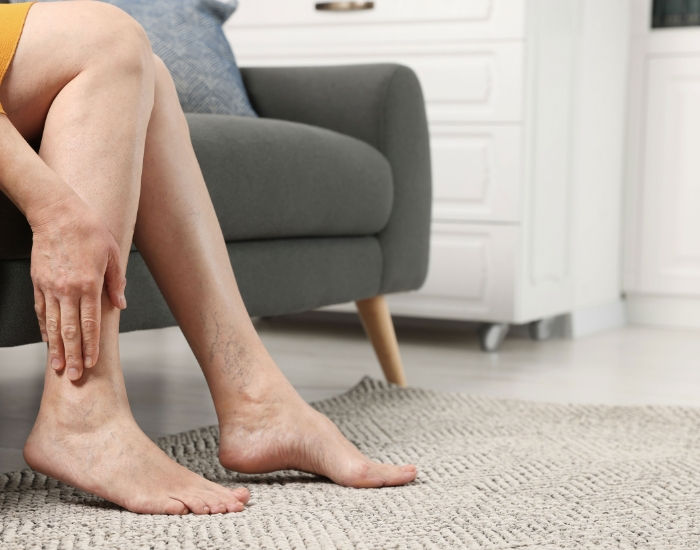
If you know anything about varicose veins, it’s possible that some of what you know isn’t fact. Do you think that you can separate fact from fiction when it comes to varicose veins? Here are some popular myths that you probably think are true.

Myth #1- Varicose Veins Only Affect Appearance
While varicose veins may be unsightly, many people are unaware of additional characteristics that define them. Some symptoms of varicose veins include, but are not limited to:
- Burning
- Itching
- Leg Cramps
- Restless Leg
- Heaviness in the Leg
Myth #2- Varicose Veins Only Affect Women
Varicose veins are more common in women. However, varicose veins can occur in men, as well. Why are they more common in women? Women typically experience more hormonal fluctuation than men do, and this happens especially during pregnancy. Veins that appear during pregnancy may fade once the pregnancy has ended.
Myth #3- I’ll Get Varicose Veins When I Get Old
Varicose veins are indeed more prevalent in older individuals, but they can occur in patients as young as their early 20s. While varicose veins are common, not everyone will experience them. Left untreated, varicose veins may worsen with age.
Myth #4- Varicose Veins and Spider Veins are the Same Thing
Spider veins are very different from varicose veins and are usually no more than a cosmetic issue. While both varicose and spider veins are symptoms of injured or diseased blood vessels, they are very different. Spider veins are typified by their spider web appearance and appear close to the surface of the skin. They occur when capillaries dilate and are usually harmless. They typically don’t alter the skin’s surface and are not raised or bulging.
Myth #5- Varicose Veins are Always Visible
In some instances, varicose veins are visible and may even bulge and create a bumpy or raised surface. However, in other cases, varicose veins will not be visible depending on the amount of fatty tissues under the skin. If you experience the symptoms of varicose veins, such as swelling, tingling, leg cramps, or burning, you may want to have your legs assessed for varicose veins by a doctor.
Myth #6- Exercising Will Make Me Get Varicose Veins
On the contrary, exercise may alleviate varicose veins. Non-weight-bearing exercises may be the most effective in preventing them. In fact, yoga is used as a treatment for varicose veins. Yoga can be 100% curative in some cases.
Myth #7- Changing My Lifestyle Won’t Help
Factors such as dietary choices, exercise levels, and others can be very effective in alleviating varicose veins. Some lifestyle changes that can help alleviate varicose veins are:
- Dietary Changes
Consuming more fiber and limiting salt are ways to avoid pressure on the legs. Consuming food rich in antioxidants is another way to help. - Vein Friendly Exercise
Swimming, cycling, and yoga are all exercises that can help patients who have varicose veins. - Weight Loss
Dropping that extra 15 pounds will help take pressure off the legs, thereby relieving the stress on the veins and reducing the risks and symptoms of varicose veins.
Myth #8- Surgery Is My Only Choice for Treating Varicose Veins
Although surgery is a viable option for varicose veins, there are innovative treatments that are effective in the alleviation and elimination of varicose veins. Some of these treatments include:
- Endovenous Thermal Ablation
- Ambulatory Phlebectomy
- Sclerotherapy
- Non-Thermal Ablation
- Yoga Therapy for Varicose Veins
Myth #9- It’s Challenging to Recover from Vein Surgery
In most cases, the recovery from vein surgery is a simple process.
Myth #10- It Is Possible to Prevent and Cure Varicose Veins
Although there are many ways to prevent and treat varicose veins, the results are not always guaranteed. There is no cure for varicose veins, but they are always treatable.
Talk to a Professional
In the Houston, Texas, area, Premier Vein and Vascular Center is the clear choice for vein support. Our medical professionals are the ultimate experts in vein treatment. From vein treatment to fibroid treatment to other vascular procedures, we are known for our expertise in vein therapy. For more information, visit our website or schedule a consultation with our team.
Quick Answer: Many common beliefs about varicose veins are wrong. They are not only a cosmetic problem, they affect men as well as women, crossing your legs does not cause them, closing a faulty vein does not harm your circulation, and compression stockings ease symptoms but do not make the veins go away. The real cause is weakened valves that let blood flow backward, which a venous duplex ultrasound can confirm. Modern treatment is done in the office under local anesthesia, and most patients walk out and return to normal activity within a day or two.
More Varicose Vein Myths Patients Ask Us About
The ten myths above are the ones we hear most often, but they are far from the only ones. In clinic, patients regularly bring up other ideas picked up from family, friends or the internet. Here are the ones that come up again and again, and what the evidence actually shows.
Myth: Crossing your legs causes varicose veins
Crossing your legs may feel uncomfortable if you already have varicose veins, but it does not cause them. Varicose veins develop because the one-way valves inside the veins weaken and let blood fall back down the leg. That process is driven mainly by genetics, hormones, pregnancy, body weight and long periods of standing, not by how you sit. Changing position regularly is still sensible, because movement helps the calf muscle pump blood upward.
Myth: Tight clothing or high heels are the main cause
Very tight waistbands can make legs feel heavier, and high heels reduce how much the calf muscle works with each step. Neither is a primary cause of varicose veins. If you have a strong family history, you can develop varicose veins regardless of what you wear.
Myth: If a vein is closed, my circulation will suffer
This is one of the biggest worries patients have before treatment. A varicose vein is a vein that is no longer doing its job: instead of carrying blood toward the heart, it lets blood flow backward and pool. When we close it, blood immediately reroutes through the many healthy veins nearby, and circulation usually improves. The deep veins, which carry most of the blood out of the leg, are not affected.
Myth: Compression stockings will make varicose veins go away
Compression stockings are very useful. They reduce swelling, aching and heaviness, and they help protect the skin. But they work only while you wear them, and they do not repair damaged valves. When the stockings come off, the reflux is still there. Think of compression as symptom control, not a cure.
Myth: Creams, supplements or massage can dissolve varicose veins
Some creams and supplements are marketed for vein health. None of them can close a refluxing vein or restore a damaged valve. Massaging bulging veins does not remove them and should be avoided entirely if a vein is hard, red or painful, since that can be a sign of a clot.
Myth: Varicose veins cannot cause blood clots
Varicose veins can develop superficial thrombophlebitis, a painful clot in a surface vein. In some patients this can extend toward the deep veins. Large studies have also linked varicose veins to a higher risk of deep vein thrombosis. That does not mean every person with varicose veins will develop a clot, but it is one more reason not to dismiss them.
Myth: Insurance never pays for vein treatment
Treatment of spider veins is usually considered cosmetic. Varicose veins are different. Most insurance plans, including Medicare, cover treatment when you have symptoms and a duplex ultrasound documents reflux. Some plans also ask for a period of compression first. Our team can check the requirements of your plan.
Myth: Treated veins always come back
A vein that has been properly closed stays closed. What can happen over the years is that new veins develop, because the underlying tendency to vein disease remains. Accurate ultrasound mapping before treatment, treating the true source of reflux and follow-up visits greatly reduce the chance of recurrence.
Varicose Vein Myths vs Facts: Quick Reference
| Myth | Fact |
|---|---|
| Crossing your legs causes varicose veins | Weak valves cause them; genetics, pregnancy, weight and standing are the main drivers |
| Closing a vein hurts circulation | Blood reroutes through healthy veins, and circulation usually improves |
| Compression stockings cure varicose veins | They relieve symptoms but do not fix faulty valves |
| Creams or supplements dissolve varicose veins | No cream or pill can close a refluxing vein |
| Varicose veins cannot cause clots | They can lead to phlebitis and are linked to a higher DVT risk |
| Insurance never covers treatment | Medically necessary treatment is often covered, including by Medicare |
| Treatment needs a hospital stay | Most procedures are done in the office under local anesthesia |
| You should wait until veins look bad | Symptoms and skin changes are reasons to get checked early |
Symptoms That Are Not Just Cosmetic
Perhaps the most harmful myth is that leg symptoms are a normal part of getting older or working long shifts. These signs usually point to venous insufficiency and are worth an evaluation:
- Legs that ache, throb or feel heavy by the end of the day
- Ankle swelling that leaves sock marks
- Night cramps or restless legs
- Itching, burning or eczema over the lower legs
- Brown discoloration or hardened skin above the ankle
- A small wound near the ankle that is slow to heal
Untreated, the pressure that causes these symptoms can gradually damage the skin. Addressing it early is simpler and more comfortable than treating a venous ulcer later.
Call 911 or seek emergency care if you notice:
- Sudden swelling, pain and warmth in one calf or thigh
- Chest pain, sudden shortness of breath or coughing up blood
- A varicose vein that bleeds and does not stop with firm pressure and leg elevation
- A hot, hard, red vein with redness spreading up the leg, or fever
How We Separate Fact From Fiction for Your Legs
Every patient’s veins are different, and the best way to replace guesswork with facts is a proper evaluation. At Premier Vein & Vascular Center, that usually looks like this:
- Focused history. We ask about your symptoms, family history, pregnancies, work, prior clots and any previous vein treatment, and we listen to what you have heard or are worried about.
- Standing examination. We examine your legs upright, where veins are fullest, looking at visible veins, swelling and skin changes.
- Venous duplex ultrasound. A painless venous ultrasound in our in-office vascular lab shows exactly which valves are leaking and checks the deep veins.
- A clear plan. We explain what is medical and what is cosmetic, what treatment would and would not achieve, and what recovery realistically involves.
What Modern Vein Treatment Really Involves
Many people still picture the hospital vein stripping operations of decades past. Today, most varicose vein treatment looks very different:
- Vein ablation closes the leaking vein from inside through a single needle puncture, using heat or a non-thermal method, guided by ultrasound.
- Ambulatory phlebectomy removes bulging surface veins through tiny nicks that usually heal without stitches.
- Sclerotherapy uses an injected medication, as liquid or foam, to close smaller veins and spider veins.
These procedures are done in the office under local anesthesia and typically take under an hour. Patients walk out afterward, are encouraged to walk daily, and most return to work within a day or two. Mild tightness and bruising along the treated vein are common for a week or so.
Get Accurate Answers From a Houston Vein Specialist
If you have been putting off a visit because of something you heard about varicose veins, it is worth getting the facts for your own legs. Patients from Houston, Katy and the surrounding area can see Dr. Syed Raza, a fellowship-trained interventional radiologist with more than 15 years of experience treating varicose veins and venous reflux, at our vein clinic in Houston. Same-week appointments are usually available, and most insurance plans are accepted.
Talk With a Specialist at Premier Vein
Have questions about your symptoms or treatment options? Dr. Syed Raza and the team at Premier Vein & Vascular Center can evaluate your concerns and explain your options clearly. Same-week appointments are usually available, and most insurance plans are accepted.
Frequently Asked Questions
Does crossing your legs cause varicose veins?
No. Varicose veins are caused by weakened valves inside the veins, mainly due to genetics, hormones, pregnancy, excess weight and long periods of standing. Crossing your legs may feel uncomfortable but does not create varicose veins.
Is it safe to close a varicose vein?
Yes. A varicose vein is no longer carrying blood efficiently toward the heart. When it is closed, blood reroutes through healthy veins nearby and circulation usually improves, while the deep veins remain unaffected.
Can compression stockings get rid of varicose veins?
No. Compression stockings reduce swelling, aching and heaviness, but they do not repair damaged valves. The veins remain once the stockings are removed, so they are best viewed as symptom control rather than a cure.
Are varicose veins a sign of a serious problem?
They are usually not an emergency, but they reflect venous insufficiency, which can progress to swelling, skin damage and ulcers over time. Varicose veins are also associated with a higher risk of blood clots.
Do varicose veins come back after treatment?
A properly treated vein stays closed, but new varicose veins can develop over the years because the tendency to vein disease remains. Thorough ultrasound mapping and follow-up help keep recurrence to a minimum.
Is varicose vein treatment painful?
Most patients feel only brief stinging from the local anesthetic and mild pressure during the procedure. Afterward, some tightness and bruising along the treated vein is common and usually improves within a week or two.
ABOUT PREMIER VEIN & VASCULAR CENTER: Premier Vein & Vascular Center, a leading vein clinic in Houston and among the top specialized vein treatment clinics in the USA, has provided expert vein care for over 20 years. The center offers minimally invasive treatments for varicose veins, spider veins, and deep vein thrombosis, led by Dr. Syed Raza, MD, a Board-Certified Vein Specialist and Interventional Radiologist. Dedicated to pain-free, healthier living, the clinic delivers cutting-edge, patient-centered care for optimal results.
Trusted Health Resources
- Chronic Venous Insufficiency, Society for Vascular Surgery
- Venous Insufficiency, MedlinePlus Medical Encyclopedia (NIH)
- Varicose Veins and Spider Veins, MedlinePlus (NIH)