
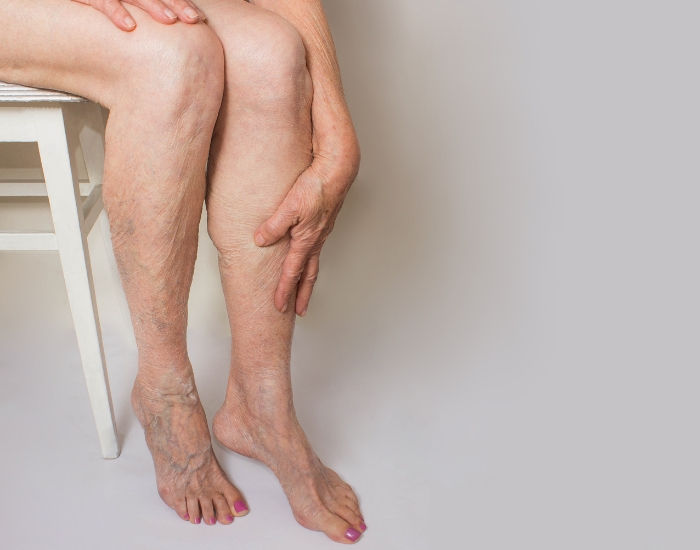
Noticing a hard, tender vein in the leg can be alarming. Many people feel confused when a vein suddenly becomes painful or firm under the skin. Questions arise: Is it just irritation from standing too long, or is it a sign of a more serious problem? When a painful hard vein in leg develops, it’s often difficult to decide whether to monitor it at home, see a primary care doctor, or consult a vein specialist. Understanding what might be happening can help reduce anxiety and guide the next steps for effective care.
Quick Answer: A painful hard vein in the leg is most often superficial thrombophlebitis, a small clot with inflammation in a vein just under the skin, usually inside a varicose vein. It feels like a tender, firm cord with redness and warmth along it. Most cases settle with warm compresses, compression and walking, but an ultrasound is important because some superficial clots extend toward, or occur alongside, a deep vein thrombosis that needs a blood thinner.

Meet your vein specialist
Dr. Syed Raza, MD
Vascular & Interventional Radiology · Founder, Premier Vein & Vascular Center
Fellowship-trained interventional radiologist, board certified in diagnostic and interventional radiology with a Certificate of Added Qualification (CAQ) in interventional radiology, and a Fellow of the Royal College of Radiologists (UK). Member of SIR and RSNA. Former Chief of Interventional Radiology at UTMB Galveston and Memorial Hermann Memorial City, with 15+ years treating varicose veins, venous reflux and peripheral arterial disease.
What Is a Painful Hard Vein in the Leg?
A painful hard vein in leg refers to a vein that feels firm, cord-like, or rope-like and may be tender to the touch. This is usually due to inflammation in the vein wall or a blood clot in superficial veins. Unlike deep vein thrombosis (DVT), which occurs in deeper veins and can be life-threatening, a superficial hard vein is typically less risky but still warrants medical attention.
Common Symptoms of a Hard Vein Under Skin
-
Firm or cord-like vein visible or palpable under the skin
-
Localized pain or tenderness along the vein
-
Redness or warmth over the affected area
-
Swelling in the surrounding tissue
-
Mild itching or irritation
Recognizing these symptoms early can help prevent complications and guide timely treatment.
Common Causes of a Painful Hard Vein in Leg
Several conditions can lead to a vein becoming hard and painful. Understanding the underlying cause is crucial, as it guides the right approach to care and helps prevent complications. The causes range from relatively minor issues to more serious vascular conditions, so paying attention to the specific signs and symptoms can make all the difference.
1. Superficial Thrombophlebitis
One of the most common reasons for a painful hard vein in leg is superficial thrombophlebitis. This condition occurs when a blood clot forms in a vein just beneath the skin, leading to inflammation. While it is generally less dangerous than a deep vein clot, it can still cause noticeable discomfort and warrants professional evaluation.
Superficial thrombophlebitis symptoms often include:
-
Pain or tenderness along the course of the affected vein
-
Redness or warmth over the vein
-
A firm, rope-like structure palpable under the skin
-
Mild swelling around the area
Although this condition is usually not life-threatening, it should be assessed by a healthcare professional. Early evaluation helps rule out more serious clotting disorders or the rare possibility of clot extension toward deeper veins. Additionally, timely care can alleviate discomfort and prevent the condition from worsening.
2. Varicose Veins
Another frequent cause of a hard and painful vein is varicose veins. Over time, weakened vein walls and valves can cause veins to enlarge and twist. In some cases, these veins become inflamed, resulting in tenderness or a firm, sore vein in the leg.
Key signs of inflamed varicose veins include:
-
Enlarged, twisted veins visible under the skin
-
Localized tenderness or aching, often worsening after prolonged standing
-
Mild swelling or a sensation of heaviness in the leg
Because inflamed varicose veins can mimic superficial thrombophlebitis, consulting a vein specialist is important. A proper assessment ensures the correct treatment and reduces the risk of further complications.
3. Injury or Trauma
A direct injury to the leg, such as a bump, bruise, or minor trauma, can also cause a vein to become hard and painful. While this is usually temporary, it can sometimes be confusing, especially if the vein appears unusually firm or swollen.
Symptoms of vein-related injury often include:
-
Localized bruising around the affected area
-
Tenderness along the course of the vein
-
Swelling or mild redness near the site of injury
Although minor trauma often resolves with rest, ice, and gentle elevation, persistent pain or unusual swelling should always be evaluated. Seeking professional guidance ensures that no underlying vein injury or clotting issue is missed.
4. Infection or Skin Inflammation
In certain cases, infection or skin inflammation can cause a vein to feel hard and tender. Conditions such as cellulitis, which is a bacterial infection of the skin and surrounding tissues, can affect areas near veins and lead to redness, warmth, and discomfort.
Signs to watch for include:
-
Red, warm, and tender skin over or near the vein
-
Fever, chills, or general feelings of illness
-
Rapidly spreading swelling or irritation
Prompt medical evaluation is essential for infections to prevent them from worsening. Early treatment with antibiotics and supportive care can reduce complications and improve recovery time.
When to Seek Medical Attention
Although some cases of a painful hard vein in leg may improve with rest, compression, or home care, it is important to recognize warning signs that require prompt evaluation. Ignoring these symptoms can allow underlying conditions to worsen, making early assessment by a healthcare professional crucial.
Seek medical attention if you notice any of the following:
-
Sudden, severe pain or swelling: A rapid onset of discomfort or enlargement in the leg could indicate a clot or acute inflammation that needs immediate evaluation.
-
Redness, warmth, or tenderness that spreads quickly: Expanding inflammation may signal infection or progression of thrombophlebitis, requiring professional care.
-
Fever or other signs of infection: When a hard vein is accompanied by fever, chills, or general malaise, it could point to a bacterial infection that must be treated promptly.
-
Swelling in both legs: While a single hard vein usually points to a localized problem, swelling in both legs can indicate deeper or systemic vascular issues that need attention.
-
Persistent hard vein: If the vein remains firm, painful, or tender for several days without improvement, it is important to have it evaluated by a vein specialist.
Consulting a vein specialist not only ensures an accurate diagnosis but also provides targeted treatment. Through careful assessment and advanced imaging, specialists can identify the underlying cause, manage symptoms effectively, and prevent potential complications. Early evaluation can also lead to faster relief, reduced discomfort, and better long-term vein health.
How Vein Specialists Evaluate a Painful Hard Vein
A vein specialist can determine the cause of a hard vein under skin and provide the most appropriate care. Evaluation typically involves:
1. Medical History Review
-
Past vein issues or blood clots
-
Recent injuries or trauma
-
Medications and lifestyle factors
-
Family history of vascular problems
2. Physical Examination
-
Examining the vein for firmness, redness, or swelling
-
Checking circulation and skin changes
-
Comparing both legs for asymmetry
3. Diagnostic Tests
-
Ultrasound (Doppler): Detects clots in superficial or deep veins
-
Blood tests: Assess clotting risk or infection markers
-
Imaging: Occasionally used for complex cases
Treatment Options for Hard Veins
Treatment varies depending on the underlying cause but generally focuses on reducing pain, inflammation, and preventing complications.
1. Conservative Measures
-
Compression therapy: Improves circulation and reduces discomfort
-
Elevation: Raising the leg above heart level several times a day
-
Pain relief: Over-the-counter anti-inflammatory medications
-
Activity modification: Avoid prolonged standing or heavy lifting
2. Medical Interventions
-
Minimally invasive procedures: For varicose veins or recurring thrombophlebitis
-
Anticoagulants: Rarely used if clot risk is higher
-
Antibiotics: Prescribed if infection is suspected
3. Lifestyle Steps
-
Maintain healthy weight to reduce vein pressure
-
Stay active with walking or low-impact exercise
-
Avoid smoking, which can worsen vein health
-
Monitor veins regularly for changes in appearance or tenderness
Preventing Hard Veins and Thrombophlebitis
Preventive measures can reduce the risk of painful veins and inflammation:
-
Wear compression stockings during long periods of sitting or standing
-
Elevate legs during rest
-
Maintain hydration to support healthy circulation
-
Regularly move and stretch to prevent blood pooling
-
Treat minor varicose veins before they become inflamed
Painful Hard Vein in the Leg vs DVT and Other Look-Alikes
Several conditions can produce a sore, firm area along a leg vein. They overlap enough that an ultrasound is often the only way to be sure, but the pattern of symptoms gives useful clues.
| Condition | What you feel and see | Typical location | Main concern |
|---|---|---|---|
| Superficial thrombophlebitis | Tender, firm cord with redness along a visible vein | Often in a varicose vein on the calf or inner thigh | Clot extending toward the deep veins |
| Deep vein thrombosis | Calf or thigh swelling, aching, warmth; often no visible cord | Deep veins inside the muscles | Clot traveling to the lungs |
| Cellulitis | Spreading red, hot, tender skin, sometimes fever | Usually one lower leg | Skin infection that needs antibiotics |
| Trapped blood after vein treatment | Dark, firm, tender lump along a treated vein | Site of recent sclerotherapy or ablation | Usually harmless; can be drained for comfort |
| Bruise or muscle strain | Tenderness after an injury, purple discoloration | Anywhere on the leg | Usually settles with time |
Superficial thrombophlebitis and DVT can occur together. A hidden deep vein clot is sometimes found in people who come in with a superficial one, which is why we recommend an ultrasound rather than assuming a hard vein is only skin-deep.
Why the Location and Length of a Hard Vein Matter
Not every superficial clot is managed the same way. When we scan a painful hard vein, we measure two things carefully: how long the clotted segment is, and how close it comes to the junction where the superficial vein joins a deep vein, at the groin or behind the knee.
- Short segments well away from a junction are usually treated with warm compresses, anti-inflammatory medicine if safe for you, compression and walking.
- Longer segments, often 5 cm or more, may be treated with a blood thinner for several weeks, in line with current clinical guidelines, to lower the chance of the clot extending.
- Clots close to the groin or knee junction are treated more like a deep vein clot, because they can easily spread into the deep system.
A repeat ultrasound may be scheduled within a week or two to make sure the clot is not extending.
What Happens to a Hard Vein Over Time
With appropriate care, the pain and redness of superficial thrombophlebitis usually ease within one to two weeks. The firmness takes longer. The clot inside the vein gradually organizes and is absorbed, and the cord can remain palpable for several weeks to a few months before it softens. Some people are left with a brown line along the vein that fades slowly.
A hard vein that keeps coming back, or appears in several places without an obvious cause, deserves more investigation. Recurrent superficial clots in normal-looking veins can occasionally be linked to an inherited clotting tendency or another medical condition, and your doctor may recommend blood tests.
Treating the Varicose Veins Behind Recurring Hard Veins
In our experience, most painful hard veins in the leg form inside varicose veins. Blood moves slowly through these stretched, leaking veins, which makes clotting and inflammation more likely. Once an episode has settled, it is worth asking why it happened, because the same vein can flare again.
If ultrasound shows reflux in a trunk vein such as the great or small saphenous vein, closing it with endovenous thermal ablation or non-thermal ablation removes the slow-flowing channel that keeps causing trouble. Remaining branches can be treated with ambulatory phlebectomy or foam sclerotherapy. We usually wait until the acute inflammation has calmed before treating, and the timing is individualized.
How We Evaluate a Painful Hard Vein at Premier Vein
- Focused history. We ask when the hardness appeared, whether there was an injury, a recent trip, surgery, pregnancy, hormonal medicine or IV line, and about previous clots in you or your family.
- Examination. We trace the firm segment, look for redness, swelling and varicose veins, and compare both legs.
- Venous duplex ultrasound. Performed in our in-office vascular lab, it measures the length of the clot, its distance from the deep vein junctions and whether the deep veins are clear.
- A clear plan. We explain whether you need only supportive care, a blood thinner or a follow-up scan, and whether treating underlying varicose veins would reduce the chance of it happening again.
Call 911 or seek emergency care if you notice:
- Sudden chest pain, shortness of breath, a racing heartbeat or coughing up blood
- Swelling of the whole calf or thigh with pain and warmth, which may be a deep vein thrombosis
- Redness that is spreading quickly, red streaks, or fever and chills
- A hard vein high on the inner thigh near the groin that is getting more painful
Painful Hard Vein Care in Houston
If you have a tender, rope-like vein in your leg, an ultrasound the same week can tell you whether it is limited to the surface or involves the deep veins. Dr. Syed Raza, a fellowship-trained interventional radiologist with more than 15 years of experience treating varicose veins and venous reflux, evaluates hard, painful veins for patients across Houston and Katy. Contact our Houston vein clinic at (832) 321-5355; most insurance plans, including Medicare, are accepted.
Talk With a Specialist at Premier Vein
Have questions about your symptoms or treatment options? Dr. Syed Raza and the team at Premier Vein & Vascular Center can evaluate your concerns and explain your options clearly. Same-week appointments are usually available, and most insurance plans are accepted.
FAQs About Painful Hard Veins
1. Can a hard vein under skin go away on its own?
Mild cases may improve with rest and compression, but persistent pain should be evaluated.
2. How can I tell if a tender vein in leg is serious?
Seek care if swelling, redness, warmth, or sudden pain occurs, especially if it spreads.
3. Is superficial thrombophlebitis dangerous?
It is usually not life-threatening but can rarely extend to deeper veins, requiring specialist care.
4. Can varicose veins cause painful hard veins?
Yes, inflamed varicose veins can become tender and firm, mimicking thrombophlebitis.
5. What treatments are most effective for a painful hard vein in leg?
Compression, elevation, anti-inflammatory medications, and evaluation by a vein specialist offer the best results.
Final Thoughts
A painful hard vein in leg can be uncomfortable and concerning. Understanding the potential causes, from superficial thrombophlebitis to varicose veins or injury, helps guide proper care. Early evaluation by a vein specialist ensures accurate diagnosis, effective treatment, and relief from discomfort. With targeted care, patients can prevent complications, protect vein health, and maintain active, healthy legs.
Vein specialists in Houston can provide expert care for hard veins, including advanced imaging, minimally invasive treatments, and personalized management plans. Consulting a local vein expert offers peace of mind and ensures the safest, most effective treatment for leg vein health.
How long does it take for a hard vein to soften?
Pain and redness usually ease within one to two weeks, but the firm cord can take several weeks to a few months to soften as the clot is absorbed. A brown line along the vein may fade even more slowly.
Should I massage a hard, painful vein?
It is best not to massage or rub a hard, painful vein until it has been checked, since it may contain a clot. Warm compresses, leg elevation and gentle walking are safer ways to ease discomfort.
Can I exercise with superficial thrombophlebitis?
Walking is usually encouraged because it keeps blood moving in the deep veins. Avoid strenuous workouts until the pain settles and your doctor confirms on ultrasound that the deep veins are clear.
Do I need a blood thinner for a hard vein in my leg?
Not always. Short superficial clots away from the deep veins usually need only supportive care, while longer clots or those near the groin or knee junction are often treated with a blood thinner for several weeks.
Can I fly with superficial thrombophlebitis?
It is wise to have an ultrasound and speak with your doctor before flying. If travel is approved, wear compression stockings, stay hydrated, and walk and flex your ankles regularly during the flight.
Trusted Health Resources
- Chronic Venous Insufficiency, Society for Vascular Surgery
- Venous Insufficiency, MedlinePlus Medical Encyclopedia (NIH)
- Varicose Veins and Spider Veins, MedlinePlus (NIH)
Medical Disclaimer: This content is for educational purposes only and does not replace professional medical advice. Always consult a qualified healthcare provider for personalized diagnosis and treatment.