
Pelvic congestion syndrome is quite common among women, particularly those between 20 and 45 years of age. This health issue is similar to venous insufficiency or varicose veins that develop in the legs. With pelvic congestion syndrome, however, the blood fails to circulate properly in the pelvic region. If you suspect you may have pelvic congestion syndrome and you live near Houston, consider consulting a vein specialist to find out about your treatment options.
Quick Answer: Pelvic congestion syndrome (PCS) is chronic pelvic pain caused by enlarged, refluxing veins around the uterus and ovaries. When the valves in the ovarian or pelvic veins fail, blood pools in the pelvis instead of returning to the heart, stretching the veins and causing a dull, heavy ache that builds with standing and eases when lying down. It is diagnosed with imaging such as pelvic duplex ultrasound or venography, and it is most often treated with ovarian vein embolization, a minimally invasive outpatient procedure performed by an interventional radiologist.
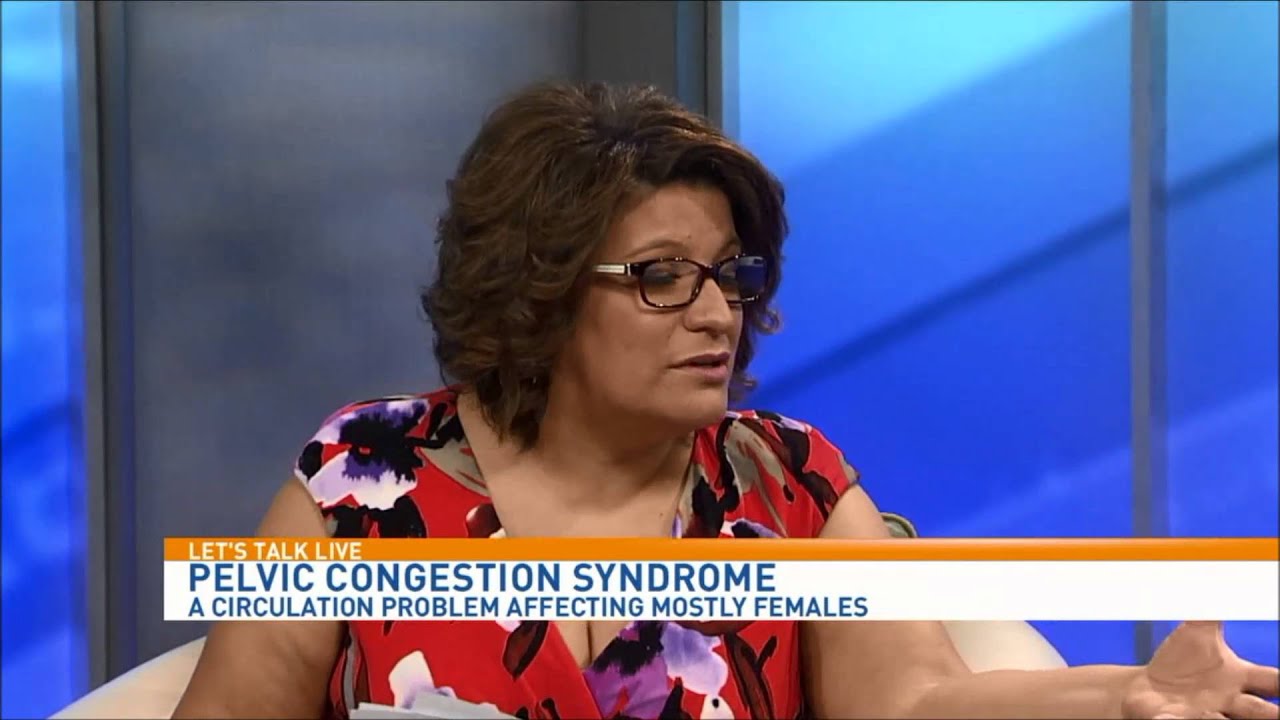
When you watch this video, you’ll discover whether your symptoms match the typical symptoms of pelvic congestion syndrome. This video features an interview with a vascular surgeon, who explains that women with this health issue often report pain or pressure in the pelvic region, lower abdominal area, and lower back. They may also report frequent urination or pain with intercourse. These symptoms can sometimes be severe enough to affect quality of life and daily activities.

Meet your vein specialist
Dr. Syed Raza, MD
Vascular & Interventional Radiology · Founder, Premier Vein & Vascular Center
Fellowship-trained interventional radiologist, board certified in diagnostic and interventional radiology with a Certificate of Added Qualification (CAQ) in interventional radiology, and a Fellow of the Royal College of Radiologists (UK). Member of SIR and RSNA. Former Chief of Interventional Radiology at UTMB Galveston and Memorial Hermann Memorial City, with 15+ years treating varicose veins, venous reflux and peripheral arterial disease.
What Is Pelvic Congestion Syndrome?
Pelvic congestion syndrome is, at its core, a vein problem in an unusual place. The ovarian veins and the internal iliac veins drain blood from the uterus, ovaries and surrounding tissues back toward the heart. Like the veins in the legs, they contain one-way valves. When those valves are weak, missing or overwhelmed, blood flows backward and collects in a web of dilated veins deep in the pelvis.
Those stretched, congested veins are what cause the pain. The ache is a pressure ache, much like the heaviness people with leg varicose veins describe, except that it sits low in the abdomen and pelvis where you cannot see it. Because the veins are hidden, PCS is often missed for years, and many women we see have already had several normal tests before anyone looked at the pelvic veins.
Why the pelvic veins fail
- Pregnancy. Blood volume rises sharply, and the growing uterus presses on pelvic veins. The ovarian veins can widen dramatically and may not fully recover afterward, especially after more than one pregnancy.
- Hormones. Estrogen relaxes vein walls, which helps explain why PCS mainly affects women before menopause and why symptoms often settle after it.
- Valve anatomy. Some women are born with absent or poorly working ovarian vein valves, particularly on the left side.
- Vein compression. Less commonly, a vein is squeezed by an artery further up, as in nutcracker syndrome (left renal vein) or May-Thurner syndrome (left iliac vein), which forces blood to detour through pelvic veins.
How Pelvic Congestion Pain Typically Behaves
The pattern of the pain is often the most useful clue. Patients often tell us the pain is mild in the morning and grows through the day, especially after standing, walking, lifting or long shifts on their feet. Lying down with the hips raised usually brings relief within minutes to an hour, because gravity helps the pooled blood drain.
Other features we commonly hear about include:
- A dull, dragging or heavy ache that may shift from one side to the other
- Pain that worsens in the days before a period or around ovulation
- An ache that lingers for hours after intercourse rather than only during it
- Pain that flares after pregnancy or seems to get worse with each pregnancy
- Symptoms that last six months or longer without a clear cause on routine tests
Visible clues outside the pelvis
Sometimes the pelvic veins leave signs you can see. Varicose veins on the vulva, upper inner thighs or back of the thigh and buttock, especially in a pattern that does not follow the usual leg veins, can be fed by refluxing pelvic veins. Leg varicose veins that keep coming back after treatment can have the same hidden source. When we see these patterns, we ask about pelvic symptoms even if the patient came in only for her legs.
Pelvic Congestion Syndrome vs Other Causes of Chronic Pelvic Pain
Chronic pelvic pain has many possible causes, and more than one can be present at the same time. PCS should be considered alongside gynecologic, bowel and bladder conditions, not instead of them. This comparison shows how they tend to differ, although only an evaluation can sort them out for an individual patient.
| Condition | Typical pain pattern | Helpful clues | Key test |
|---|---|---|---|
| Pelvic congestion syndrome | Dull, heavy ache, worse after standing and late in the day, better lying down | Vulvar or thigh varicose veins, prior pregnancies, ache after intercourse | Pelvic duplex ultrasound, CT or MR venography, venography |
| Endometriosis | Cramping pain tied closely to periods, deep pain during intercourse | Painful periods since young adulthood, sometimes fertility issues | Gynecologic evaluation, ultrasound or MRI, laparoscopy |
| Uterine fibroids | Pressure or bloating, often with heavy periods | Heavy or prolonged bleeding, urinary frequency | Pelvic ultrasound or MRI |
| Irritable bowel syndrome | Cramping linked to meals and bowel movements | Bloating, alternating constipation and diarrhea | Clinical diagnosis after excluding other causes |
| Interstitial cystitis | Bladder pressure that eases after urinating | Urgency and frequency with normal urine tests | Urology evaluation |
Because heavy periods and pelvic pressure can also come from fibroids, we evaluate the uterus carefully as part of the same workup. Dr. Raza also treats symptomatic fibroids with an image-guided approach, which you can read about on our fibroid treatment page.
Who Is Most Likely to Develop Pelvic Congestion Syndrome?
PCS is most often diagnosed in women in their childbearing years. The women we evaluate most commonly share several of these features:
- Two or more pregnancies
- Premenopausal age
- A family history of varicose veins
- Varicose veins in the legs, vulva or upper thighs
- Long hours standing at work
- Pelvic pain that has not been explained by gynecologic or bowel testing
Having risk factors does not mean you have PCS, and women who have never been pregnant can develop it as well. The diagnosis depends on finding refluxing pelvic veins that match the symptoms.
How We Evaluate Suspected Pelvic Congestion Syndrome
Our goal at the first visit is to confirm whether the pelvic veins are the source of the pain and to make sure nothing else is being missed.
- Detailed history. We map when the pain started, what makes it better or worse, how it relates to your cycle, standing and intercourse, your pregnancy history, and what tests and treatments you have already had.
- Focused examination. We look for varicose veins on the legs, thighs, buttocks and vulva and check the leg veins for reflux, since pelvic and leg vein disease often travel together.
- Targeted imaging. A pelvic or transvaginal duplex ultrasound can show dilated veins and reversed flow. When more detail is needed, CT or MR venography shows the full course of the ovarian, iliac and renal veins and can reveal compression. Catheter venography confirms the diagnosis and is usually performed at the time of treatment.
- A clear plan. We explain what the imaging shows, whether embolization is likely to help, and how pelvic treatment fits with any leg vein care. If findings point to a gynecologic cause, we coordinate with your gynecologist.
Treatment Options for Pelvic Congestion Syndrome
Ovarian and pelvic vein embolization
Embolization is the most widely used procedure for PCS and is performed by interventional radiologists. Through a small puncture in a vein at the neck, arm or groin, a thin catheter is guided under X-ray to the refluxing ovarian vein and, when needed, branches of the internal iliac veins. The faulty veins are then closed from the inside with small metal coils, a sclerosant or both. Blood redirects through healthy veins, the congested network shrinks, and the pressure that drives the pain falls.
The procedure is done as an outpatient under local anesthesia and light sedation and typically takes about one to two hours. Most women return to light activity within a day or two. Some pelvic aching for a few days afterward is common as the treated veins settle, and improvement in pain often builds over the following weeks rather than overnight.
Medication and supportive care
Hormonal medications that suppress ovarian function and anti-inflammatory pain relievers can ease symptoms for some women, but they do not repair the veins and symptoms often return when they are stopped. Rest with the hips elevated, avoiding long periods of standing, and staying active can help day to day.
Treating the leg veins as well
When pelvic reflux feeds varicose veins in the thighs or legs, we usually treat the pelvic source first and then address any remaining leg veins with sclerotherapy or another office-based option. Treating in that order lowers the chance of the leg veins returning. More detail on our approach is on the pelvic congestion syndrome treatment page.
Call 911 or seek emergency care if…
- You have sudden, severe pelvic or abdominal pain, especially with fainting or a racing heart
- Pelvic pain comes with fever, chills or unusual discharge
- You could be pregnant and have pain or bleeding
- You have heavy bleeding that soaks a pad every hour
- One leg becomes suddenly swollen and painful, or you have chest pain or shortness of breath
These symptoms are not typical of pelvic congestion syndrome and need prompt assessment for other conditions.
Living With Pelvic Congestion Before Treatment
While you are being evaluated, a few practical steps may take the edge off symptoms. Breaking up long periods of standing with short walks or sitting breaks keeps blood from pooling. Lying down for 15 to 20 minutes with a pillow under the hips at the end of the day often helps. Some women find that compression shorts or pelvic support garments make standing more comfortable. Keeping a simple pain diary that notes your cycle, activity and intercourse also helps us see the pattern clearly at your visit.
Questions to bring to your appointment
- Which veins are refluxing, and on which side?
- Is there any sign of vein compression higher up, such as nutcracker or May-Thurner anatomy?
- Could another condition, such as fibroids or endometriosis, be contributing to my pain?
- If I have embolization, should my leg or vulvar veins be treated afterward?
- What should I expect in the first few weeks after the procedure, and when should I call?
Writing your questions down before the visit makes it easier to leave with a plan you understand and feel comfortable with.
When to See a Pelvic Vein Specialist in Houston
Consider an evaluation if you have had pelvic pain for six months or more that worsens through the day, eases when you lie down, and has not been explained by previous testing, or if you have varicose veins on the vulva, upper thighs or buttocks. You do not need to wait until the pain is severe.
Dr. Syed Raza is a fellowship-trained interventional radiologist with more than 15 years of experience treating vein disease with image-guided procedures, including pelvic vein embolization. As a Houston vein specialist practice with an in-office vascular lab, we can perform the duplex ultrasound and review your results in the same practice. We see patients from Houston, Katy and the surrounding area, usually within the same week, and accept most insurance plans, including Medicare.
Talk With a Specialist at Premier Vein
Have questions about your symptoms or treatment options? Dr. Syed Raza and the team at Premier Vein & Vascular Center can evaluate your concerns and explain your options clearly. Same-week appointments are usually available, and most insurance plans are accepted.
Frequently Asked Questions
Can pelvic congestion syndrome be seen on a regular ultrasound?
Sometimes, but a routine pelvic ultrasound often looks normal because it is done lying down and is not focused on the veins. A dedicated duplex ultrasound that measures flow direction in the pelvic veins is more useful. CT or MR venography and catheter venography give the most complete picture when the diagnosis is uncertain.
Is ovarian vein embolization painful?
The procedure is done under local anesthesia with light sedation, so most women feel pressure rather than pain. A dull pelvic ache for a few days afterward is common and is usually managed with over-the-counter pain relievers. Most patients return to light activity within a day or two.
Does pelvic congestion syndrome affect fertility?
PCS is not considered a common cause of infertility. Embolization of the ovarian veins is generally not expected to affect ovarian function, but women who plan future pregnancies should discuss this with their specialist and gynecologist before treatment.
Can pelvic congestion syndrome go away on its own?
Symptoms often ease after menopause as estrogen levels fall, but the refluxing veins themselves do not repair. In women of childbearing age, symptoms tend to persist or worsen, especially after further pregnancies.
Can men get pelvic congestion syndrome?
The term usually refers to women, but men can develop related vein problems such as varicoceles, which are enlarged veins around the testicle caused by similar valve failure in the testicular vein. These are evaluated and treated differently.
Are vulvar varicose veins a sign of pelvic congestion syndrome?
They can be. Vulvar varicose veins often appear during pregnancy and may fade afterward, but when they persist or come with pelvic aching, they are frequently fed by refluxing ovarian or internal iliac veins and deserve a pelvic vein evaluation.
How long does it take to feel better after pelvic vein embolization?
Recovery from the procedure itself is quick, and most women are back to normal daily activity within a few days. Relief from the chronic pelvic ache usually builds gradually over several weeks as the congested veins shrink. We schedule a follow-up visit to review your symptoms and decide whether any further treatment is needed.
Trusted Health Resources
- Varicose Veins and Spider Veins, MedlinePlus (NIH)
- Chronic Venous Insufficiency, Society for Vascular Surgery