
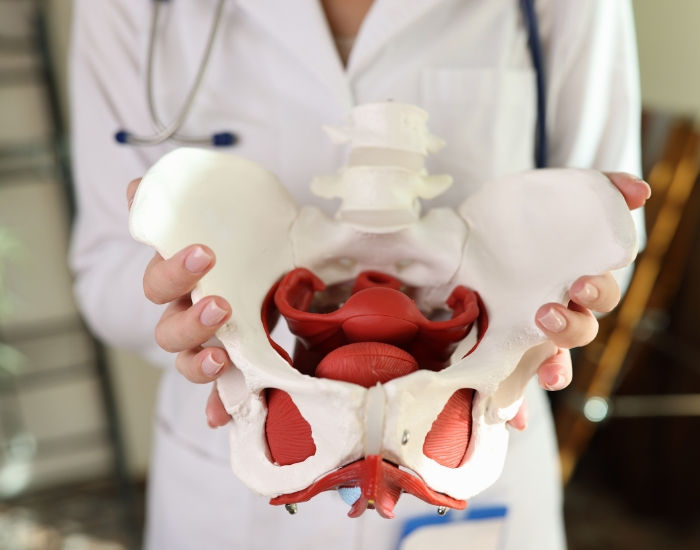
In the realm of women’s health, there exist conditions that often lurk in the shadows, undiagnosed and misunderstood. Pelvic Congestion Syndrome (PCS) is one such condition, characterized by chronic pelvic pain often exacerbated by prolonged standing or sitting. Despite its prevalence and significant impact on women’s quality of life, PCS remains underrecognized and frequently misdiagnosed. However, with advancements in medical understanding and technology, the veil of obscurity surrounding this condition is slowly lifting. At Premier vein and vascular center, you will get the best diagnostic and therapeutic procedures, provided by our experts in pelvic venous congestion syndrome.

Meet your vein specialist
Dr. Syed Raza, MD
Vascular & Interventional Radiology · Founder, Premier Vein & Vascular Center
Fellowship-trained interventional radiologist, board certified in diagnostic and interventional radiology with a Certificate of Added Qualification (CAQ) in interventional radiology, and a Fellow of the Royal College of Radiologists (UK). Member of SIR and RSNA. Former Chief of Interventional Radiology at UTMB Galveston and Memorial Hermann Memorial City, with 15+ years treating varicose veins, venous reflux and peripheral arterial disease.
Understanding Pelvic Congestion Syndrome
PCS is a complex and multifaceted condition, typically arising from the dilation of veins within the pelvis, leading to a buildup of blood. This chronic venous insufficiency can result in a range of symptoms, including pelvic pain, heaviness, discomfort during intercourse, and even varicose veins in the vulva or buttocks. Importantly, these symptoms often worsen with prolonged standing or sitting, making them particularly challenging for individuals leading active lifestyles. At Premier Vein and Vascular Center, you will be seen by our experts in pelvic venous congestion syndrome who will go over with you over the findings to correctly diagnose pelvic venous congestion syndrome.
Quick Answer: Pelvic congestion syndrome diagnosis today rests on matching a typical symptom pattern with imaging that shows the veins. The pattern is chronic pelvic aching that worsens with standing, sitting and intercourse and eases lying down. Imaging usually starts with ultrasound and MRI to show enlarged pelvic veins and any compression of the major veins draining the pelvis, after other causes of pelvic pain have been considered. Catheter venography confirms which veins are leaking and allows treatment by embolization in the same session.

Diagnostic Challenges and Advances
One of the primary obstacles in diagnosing PCS lies in its similarity to other gynecological and gastrointestinal disorders. As a result, many individuals suffering from PCS endure a long and frustrating journey to obtain an accurate diagnosis. However, recent advancements in diagnostic imaging techniques have provided healthcare providers with valuable tools for identifying pelvic vein abnormalities more effectively.
Transvaginal ultrasound and pelvic MRI have emerged as key modalities for visualizing pelvic venous anatomy and identifying signs of congestion. These non-invasive imaging techniques offer a clearer picture of the underlying vascular pathology, facilitating more accurate diagnosis and targeted treatment strategies. The gold standard in correct diagnosis of pelvic venous congestion is pelvic venography, offered by state-of-the-art equipment at Premier vein and Vascular Center.
Treatment Modalities and Emerging Therapies
Traditionally, PCS management has focused on symptom relief through conservative measures such as pain medication, pelvic floor physical therapy, and compression garments. While these approaches may offer temporary relief, they often fall short of addressing the underlying venous insufficiency driving the condition.
In recent years, minimally invasive interventions have gained traction as promising therapeutic options for PCS. Transcatheter embolization, a procedure involving the insertion of a catheter into the affected veins to deliver embolic agents, has emerged as a primary treatment modality. Our experts at Premier vein and vascular center, achieve this goal by occluding the dysfunctional veins. Embolization aims to redirect blood flow and alleviate symptoms, offering many individuals a long-awaited respite from pelvic pain and discomfort. Treatment of pelvic venous congestion is an outpatient procedure that mostly takes less than one hour, and you can go back home the same day. You can typically return to work after one week.
In conclusion, while pelvic congestion syndrome may have once lingered in the shadows of medical discourse, the tides are turning as our understanding deepens and our arsenal of therapeutic options expands. Through collaborative efforts among healthcare professionals, researchers, and advocacy organizations, we can illuminate the path forward, offering hope and relief to those navigating the complexities of pelvic congestion syndrome.
From Pelvic Congestion Syndrome to Pelvic Venous Disorders
One of the most useful changes in recent years is how specialists describe this condition. Pelvic congestion syndrome used to be treated as a single diagnosis. Today, vein specialists increasingly speak of pelvic venous disorders, a family of related problems that share one feature: veins in or around the pelvis that do not drain properly.
Newer classification systems describe each patient using three questions. What are the symptoms, such as pelvic pain, vulvar varicose veins or leg varicose veins? Which veins are involved, from the kidney vein and ovarian veins down to the pelvic and leg veins? And what is the mechanism: leaking valves, compression of a major vein, or a previous blockage from a clot? Answering all three gives a far more precise picture than the old label, and it is the picture that guides treatment.
In practice, this means two women with similar pain might need quite different plans. One may simply have leaking ovarian veins after pregnancy. Another may have a compressed vein higher up that is forcing blood into the pelvis as a detour. Treating the second woman’s ovarian veins without addressing the compression would miss the root of the problem.
The Three Main Patterns Behind Pelvic Vein Congestion
| Pattern | What happens | Who it typically affects | Usual treatment approach |
|---|---|---|---|
| Ovarian and pelvic vein reflux | Valves in the ovarian or internal iliac veins leak, and blood flows backward into pelvic veins | Women who have had one or more pregnancies | Embolization of the refluxing veins |
| Left renal vein compression (nutcracker) | The left kidney vein is pinched between two arteries, so blood detours down the left ovarian vein | Often slim women; may cause left flank pain or blood in urine | Careful assessment; treatment is individualized |
| Left iliac vein compression (May-Thurner) | The left iliac vein is pressed by the artery crossing over it, raising pressure in pelvic and left leg veins | Women more often than men; may cause left leg swelling or a left leg clot | Sometimes treated with a stent to hold the vein open |
These patterns can also overlap. Imaging that looks at the whole pathway, from the kidney veins down to the legs, is what allows us to tell them apart.
Pelvic Congestion Syndrome Diagnosis: What Each Test Shows
The imaging methods mentioned above each answer a different part of the question. Knowing what each one does, and what it cannot do, helps explain why more than one test is sometimes needed.
- Transvaginal and pelvic ultrasound. Shows dilated veins around the uterus and ovaries and can show reversed flow. It also checks the uterus and ovaries for other causes of pain. Results depend on position and technique, which is why a normal routine ultrasound does not rule out PCS.
- Duplex ultrasound of the groin and legs. Shows whether pelvic veins are feeding varicose veins in the vulva, buttocks or legs through escape points in the groin and upper thigh.
- Pelvic MRI with venous imaging. Gives a wide view of the pelvic and abdominal veins without radiation, and can show compression of the kidney or iliac veins.
- Catheter venography. Contrast dye injected directly into the veins under X-ray shows flow in real time. It is the most precise test and is usually performed at the same session as treatment, once noninvasive imaging supports the diagnosis.
Imaging findings are always interpreted alongside your symptoms. Enlarged pelvic veins can be seen in women with no pain at all, so the diagnosis depends on the whole picture, not a single measurement.
How Pelvic Congestion Affects Daily Life
Women often feel relieved simply to have their symptoms taken seriously. Chronic pelvic pain is exhausting. A heavy ache that builds through each workday can make standing jobs difficult, and pain after intercourse can strain relationships. Many women adjust their lives around the pain for years, planning days so they can lie down when it peaks.
Long-standing pain also affects sleep, mood and energy, and it is common to feel frustrated after a series of normal tests. Recognizing a venous cause does not explain every symptom for every woman, but for those whose imaging confirms it, it opens the door to a treatment that addresses the source rather than masking it.
If pain is affecting your mood, sleep or relationships, it is worth saying so at your visit. Pelvic floor physical therapy, pain specialists and counseling can all be helpful alongside vein treatment, and addressing these areas together often makes a real difference to how quickly women feel like themselves again. Bringing a short diary of your symptoms over a few weeks also helps us see the pattern clearly and judge later whether treatment has helped.
How We Evaluate Pelvic Venous Disorders at Premier Vein
Our evaluation is designed to answer the three questions above: symptoms, veins involved and mechanism.
- Focused history. We map out your pain pattern, pregnancies, menstrual history, bladder and bowel symptoms, any left flank pain or blood in the urine, previous clots, and earlier tests and treatments.
- Examination. We look for varicose veins in the vulva, buttocks, thighs and legs, and compare the legs for swelling.
- Noninvasive imaging. Duplex ultrasound of the legs and groin in our in-office vascular lab, and pelvic imaging such as MRI to look at the pelvic veins and for compression higher up.
- Coordination with your gynecologist. We make sure other causes of pelvic pain have been considered and share findings with your other doctors.
- A clear plan. We explain which pattern the findings suggest, whether venography and embolization are likely to help, and what the next steps would be.
What Treatment Looks Like Once the Diagnosis Is Clear
When the diagnosis points to leaking ovarian or pelvic veins, transcatheter embolization is the main treatment, as described above. Venography confirms the leaking veins at the start of the procedure, and the same catheter is then used to close them. As mentioned above, the procedure usually takes under an hour, patients go home the same day, and most return to work after about a week.
When a compressed vein is part of the problem, the plan is individualized. Some women benefit from treating the compression, others from embolization, and some from a combination. Varicose veins in the legs or vulva that are fed by the pelvis are usually treated afterward with office procedures such as ultrasound-guided foam sclerotherapy. Conservative care, including pain relief, rest periods lying down and hormonal treatment through your gynecologist, remains a reasonable option for women who prefer to wait.
Seek emergency care if you have:
- Sudden, severe pelvic, abdominal or flank pain, especially with fever, vomiting or fainting
- Visible blood in the urine together with severe pain
- Sudden swelling and pain in one leg, particularly the left
- Sudden shortness of breath or chest pain
- Heavy vaginal bleeding, or pain or bleeding during pregnancy
Long-Term Outlook and Follow-Up
For many women whose symptoms are driven by pelvic vein reflux, treatment brings meaningful relief, and improvement often continues over the weeks and months after the procedure as the treated veins shrink. Follow-up visits let us check your progress, address remaining leg or vulvar veins and look again if symptoms return. Because the tendency to vein enlargement can run in families and future pregnancies can stress the veins again, we encourage women to come back if the familiar ache reappears rather than waiting for it to become severe.
Pelvic Congestion Syndrome Diagnosis in Houston
If you have been through several evaluations for pelvic pain without clear answers, a vascular assessment of the pelvic veins may help. Dr. Syed Raza is a fellowship-trained interventional radiologist and former Chief of Interventional Radiology at UTMB Galveston and Memorial Hermann Memorial City, with more than 15 years of experience in image-guided vein care. Women from across Houston and Katy see us for testing and treatment. If you are looking for a vein specialist in Houston with experience in pelvic venous disorders, same-week appointments are usually available, and most insurance plans, including Medicare, are accepted. More details are on our pelvic congestion syndrome page, and if you also have leg symptoms, see our page on varicose veins.
Talk With a Specialist at Premier Vein
Have questions about your symptoms or treatment options? Dr. Syed Raza and the team at Premier Vein & Vascular Center can evaluate your concerns and explain your options clearly. Same-week appointments are usually available, and most insurance plans are accepted.
Frequently Asked Questions
What is the best test for pelvic congestion syndrome?
Catheter venography is the most precise test because it shows flow in the pelvic veins in real time, and it is usually done at the same session as treatment. Ultrasound and MRI are used first to show enlarged veins, look for compression and rule out other causes.
What are pelvic venous disorders?
Pelvic venous disorders is a newer umbrella term for conditions in which veins in or around the pelvis do not drain properly. It includes pelvic congestion syndrome, vulvar and leg varicose veins fed by pelvic veins, and compression of major veins such as the left renal or left iliac vein.
Can a CT scan show pelvic congestion syndrome?
A CT scan can sometimes show enlarged pelvic veins, but it is done lying down when the veins are less full and involves radiation. MRI and targeted ultrasound are more commonly used, and venography gives the definitive answer.
What is nutcracker syndrome?
Nutcracker syndrome is compression of the left kidney vein between two arteries. Blood can then detour through the left ovarian vein into the pelvis, contributing to pelvic congestion, and some people also have left flank pain or blood in the urine.
How long does it take to diagnose pelvic congestion syndrome?
Once pelvic veins are suspected, the vascular evaluation and imaging can usually be completed over a few visits. Many women have had pain for years before this point, often because routine tests were done lying down or focused on other causes.
Can pelvic congestion syndrome cause leg swelling?
Pelvic vein reflux more often causes leg and vulvar varicose veins than swelling. Leg swelling, particularly in the left leg, can point to compression of the left iliac vein, which should be checked with imaging.
ABOUT PREMIER VEIN & VASCULAR CENTER: Premier Vein & Vascular Center, a leading vein clinic in Houston and among the top specialized vein treatment clinics in the USA, has provided expert vein care for over 20 years. The center offers minimally invasive treatments for varicose veins, spider veins, and deep vein thrombosis, led by Dr. Syed Raza, MD, a Board-Certified Vein Specialist and Interventional Radiologist. Dedicated to pain-free, healthier living, the clinic delivers cutting-edge, patient-centered care for optimal results.
Trusted Health Resources
- Varicose Veins and Spider Veins, MedlinePlus (NIH)
- Chronic Venous Insufficiency, Society for Vascular Surgery