
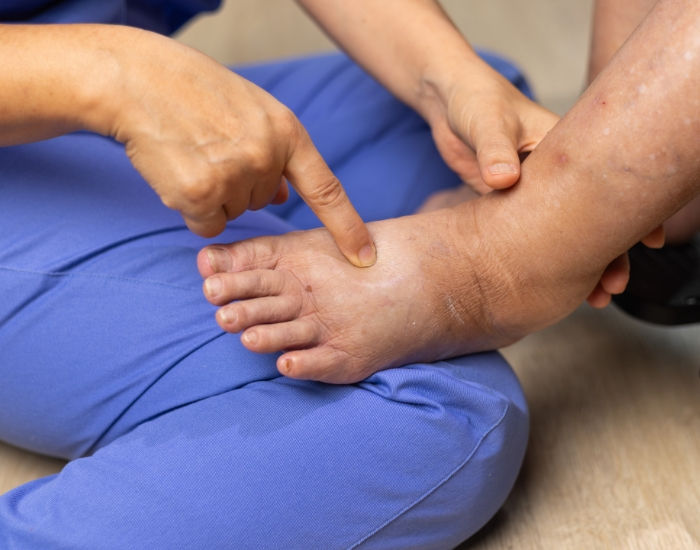
Retaining water in the legs is a common issue that affects many adults in the U.S., especially those who sit or stand for long periods, have circulation problems, or underlying medical conditions. This condition, often referred to as leg swelling or edema, can range from mild puffiness to uncomfortable tightness that interferes with daily life. While occasional swelling may be harmless, persistent or worsening water retention in the legs can signal vein or vascular problems that need medical attention. Understanding the causes, symptoms, and treatment options can help you take the right steps toward healthier legs.
Quick Answer: Retaining water in the legs (edema) happens when fluid leaks out of small blood vessels faster than the veins and lymph channels can carry it away. The most common cause in otherwise healthy adults is chronic venous insufficiency, where leaking vein valves raise pressure at the ankle; it typically causes swelling that builds by evening and improves overnight. Heart, kidney and liver disease, certain medications, lymphedema and blood clots can also cause it. A venous duplex ultrasound and a review of your medications and health history usually identify the cause.

Meet your vein specialist
Dr. Syed Raza, MD
Vascular & Interventional Radiology · Founder, Premier Vein & Vascular Center
Fellowship-trained interventional radiologist, board certified in diagnostic and interventional radiology with a Certificate of Added Qualification (CAQ) in interventional radiology, and a Fellow of the Royal College of Radiologists (UK). Member of SIR and RSNA. Former Chief of Interventional Radiology at UTMB Galveston and Memorial Hermann Memorial City, with 15+ years treating varicose veins, venous reflux and peripheral arterial disease.
1. What Does Retaining Water in Legs Mean?
Retaining water in legs occurs when excess fluid builds up in the tissues of the lower extremities, including the feet, ankles, and calves. This happens when blood flow, lymphatic drainage, or vein function is disrupted, allowing fluid to leak from blood vessels into surrounding tissue. In healthy circulation, veins push blood back toward the heart with the help of valves and muscle movement. When this system weakens, fluid can pool in the legs, leading to swelling. Although leg water retention can affect anyone, it is more common in older adults and individuals with vein-related conditions.
2. Common Causes of Retaining Water in Legs
There are several reasons why someone may experience ongoing water retention in the legs. Some causes are temporary, while others are related to chronic health conditions.
Common causes include:
- Chronic venous insufficiency (CVI), where leg veins struggle to return blood to the heart
- Varicose veins, which weaken vein valves and increase pressure in the legs
- Prolonged sitting or standing, such as desk jobs or long flights
- Pregnancy, due to increased blood volume and pressure on pelvic veins
- Heart, kidney, or liver conditions, which affect fluid balance
- Certain medications, including blood pressure drugs and hormones
Identifying the underlying cause is essential, as treatment depends on what is triggering the fluid buildup.
3. Symptoms You Should Not Ignore
Not all leg swelling is the same. Some symptoms may indicate a more serious vein or vascular condition that requires evaluation. Symptoms associated with retaining water in legs include:
- Swelling in the feet, ankles, or lower legs
- Tight or shiny skin
- Heaviness or aching in the legs
- Skin discoloration or darkening around the ankles
- Indentations left behind after pressing the skin (pitting edema)
If swelling is accompanied by pain, redness, warmth, or sudden onset in one leg, it may signal a blood clot and should be evaluated promptly.
4. How Retaining Water in Legs Is Diagnosed
Diagnosing the cause of water retention in the legs typically begins with a physical exam and review of your medical history. A healthcare provider may ask about lifestyle habits, medications, and how long the swelling has been present.
Diagnostic tools may include:
- Ultrasound imaging to assess blood flow and vein valve function
- Physical examination of swelling patterns and skin changes
- Medical history review to identify contributing conditions
These steps help determine whether the swelling is related to vein disease, circulation issues, or another medical concern.
5. Treatment Options for Leg Water Retention
Treatment for retaining water in legs depends on the underlying cause and how severe the symptoms are. Many people experience meaningful relief through a combination of lifestyle adjustments and medical care. One of the most common approaches is compression therapy, which involves wearing medical-grade compression stockings to help support proper blood flow and reduce fluid buildup in the lower legs. Elevating the legs, particularly after long periods of sitting or standing, can also encourage fluid to move back toward the heart and ease swelling.
Regular movement and low-impact exercise, such as walking, play an important role in activating the calf muscles that assist circulation. Dietary changes, including reducing sodium intake, may further help limit fluid retention. In cases where retaining water in the legs is caused by venous insufficiency or varicose veins, specialized vein treatments may be recommended to address the root problem. A personalized treatment plan tailored to the individual’s condition often leads to reduced swelling, improved comfort, and better long-term leg health.
6. When to See a Vein and Vascular Specialist
Persistent retaining water in legs should not be overlooked, especially when symptoms continue to worsen or fail to improve with basic measures. A vein and vascular specialist can evaluate circulation health and determine whether vein disease or another vascular issue is contributing to the swelling. Ongoing leg swelling that lasts longer than a few weeks, interferes with daily activities, or is accompanied by skin changes or increasing discomfort may indicate an underlying condition that requires professional care.
If compression therapy and lifestyle changes provide little or no relief, it may be time to seek a specialist’s evaluation. Early assessment can help identify vein-related problems before complications develop and often leads to more effective treatment outcomes and improved quality of life.
7. Prevention Tips for Reducing Leg Swelling
Although not all cases of leg water retention can be prevented, certain daily habits may lower the risk and support healthier circulation. Taking short walking breaks throughout the day, especially during long periods of sitting, helps keep blood moving through the legs. Elevating the legs above heart level while resting allows excess fluid to drain more easily, reducing swelling and discomfort. Maintaining a healthy weight can reduce pressure on the veins, while staying well hydrated supports the body’s natural fluid balance. Wearing supportive footwear may also help promote proper circulation in the lower extremities. When practiced consistently, these habits can play an important role in managing and preventing fluid buildup in the legs.
Retaining Water in Legs: Vein Swelling vs Other Types of Edema
The causes listed above produce swelling that can look similar, but each has its own pattern. Recognizing that pattern helps point toward the right test and the right treatment.
| Type of swelling | Typical pattern | Helpful clues |
|---|---|---|
| Venous (vein-related) edema | Ankles and lower legs, worse by evening, better after a night’s sleep | Varicose or spider veins, aching, brown discoloration or itching near the ankle |
| Heart-related edema | Both legs, may extend up the thighs | Shortness of breath on exertion or lying flat, rapid weight gain |
| Kidney or liver-related edema | Both legs, sometimes puffiness around the eyes or abdomen | Abnormal blood or urine tests, fatigue |
| Medication-related edema | Both ankles, starts weeks after a new medicine | Recent change in prescriptions |
| Lymphedema | Often one leg, includes the foot and toes, changes little overnight | Firm, thickened skin; history of surgery or radiation |
| Lipedema | Symmetrical enlargement of both legs, feet usually spared | Tender, easily bruised tissue; mostly women |
| Deep vein thrombosis | Usually one leg, comes on over hours to days | Calf or thigh pain, warmth, tightness |
The Pitting Test and What It Tells You
Pressing a thumb firmly into the swollen area for about five seconds is a simple way to describe edema. If a dent remains after you let go, the swelling is called pitting edema. Doctors often grade it by how deep the dent is and how long it takes to fill back in.
Pitting is typical of fluid that moves easily through the tissues, as in venous, heart, kidney and medication-related swelling. Swelling that does not pit, or pits only slightly, is more suggestive of long-standing lymphedema or lipedema, where the tissue itself has changed. In long-standing vein disease, the skin above the ankle can also become firm and woody, so pitting may lessen over time even though the problem is getting worse.
Medications That Commonly Cause Leg Swelling
Medication-related swelling is easy to overlook because it often starts weeks after a new prescription. Common examples include:
- Certain blood pressure medicines, particularly calcium channel blockers such as amlodipine
- Anti-inflammatory pain relievers (NSAIDs) such as ibuprofen and naproxen
- Steroids such as prednisone
- Estrogen-containing medicines and some hormone therapies
- Some diabetes medicines and some nerve pain medicines
Never stop a prescribed medicine on your own. If swelling started after a medication change, bring a full list of your medicines to your appointment so your doctors can decide together whether an adjustment makes sense.
Why Water Pills Often Do Not Fix Vein Swelling
Many patients with swollen legs are prescribed a diuretic, or water pill. For swelling caused by heart or kidney disease, diuretics can be very important. For swelling caused by leaking leg veins, they often help only a little and only temporarily.
The reason is mechanical. Venous edema comes from high pressure in the leg veins, not from too much fluid in the body overall. A diuretic removes fluid from the whole circulation, but as soon as you stand up, gravity and the faulty valves push fluid back into the ankles. Long-term diuretic use for vein swelling can also cause dehydration and mineral imbalances. Treating the pressure itself, with compression and, when appropriate, closure of the refluxing veins, is usually far more effective.
Call 911 or seek emergency care if leg swelling comes with:
- Sudden swelling, pain and warmth in one leg
- Chest pain, sudden shortness of breath, or difficulty breathing when lying flat
- Coughing up blood or a racing heartbeat
- Spreading redness, red streaks, fever or chills
- A cold, pale or numb foot
How We Evaluate Water Retention in the Legs
At Premier Vein & Vascular Center, the evaluation is designed to find out whether the veins are the main cause, a contributing cause or not involved at all.
- Focused history. We ask when the swelling started, whether it affects one or both legs, how it changes over the day, and about heart, kidney and liver health, previous clots, pregnancies and all current medicines.
- Examination. We check pitting, skin texture and color, varicose veins, foot pulses and whether the feet and toes are involved.
- Venous duplex ultrasound. Performed in our in-office vascular lab, it looks for clots and measures reflux in the superficial and deep veins. An ankle-brachial index is added when the arteries need checking, especially before strong compression.
- A clear plan. If veins are responsible, we discuss treatment. If the pattern points elsewhere, we explain why and coordinate with your primary care doctor or other specialists.
When Veins Are the Cause: Treatment Options
For swelling caused by venous insufficiency, treatment aims to lower the pressure in the leg veins. Properly fitted compression is the first step. When ultrasound shows reflux in a main surface vein, closing it with radiofrequency ablation or non-thermal vein ablation often reduces evening swelling and heaviness within a few weeks. These procedures are done in the office under local anesthesia, and most patients walk out and resume normal activities within a day or two.
Swelling that has been present for many years may not disappear completely, especially if the skin has already thickened, but it usually becomes much easier to control.
Getting Leg Swelling Checked in Houston
Hot, humid weather makes swollen legs worse for many people, and long commutes and desk days add to it. If you live in Houston, Katy or nearby and your ankles swell most evenings, or swelling has come with skin changes or aching veins, our Houston vein specialist team can help find the cause. Dr. Syed Raza, a fellowship-trained interventional radiologist with more than 15 years of experience treating venous reflux, reviews each scan personally. Same-week appointments are usually available, and most insurance plans, including Medicare, are accepted.
Talk With a Specialist at Premier Vein
Have questions about your symptoms or treatment options? Dr. Syed Raza and the team at Premier Vein & Vascular Center can evaluate your concerns and explain your options clearly. Same-week appointments are usually available, and most insurance plans are accepted.
8. Frequently Asked Questions
Can retaining water in legs be a sign of vein disease?
Yes, chronic leg swelling is often linked to venous insufficiency or varicose veins and should be evaluated by a specialist.
What causes retaining water in legs and ankles overnight?
Fluid may shift downward during the day due to gravity, especially in people with circulation problems or prolonged standing.
Is retaining water in legs dangerous if left untreated?
If caused by vein disease or underlying medical conditions, untreated swelling can lead to skin damage or ulcers over time.
How long does it take for leg water retention to go down?
Mild swelling may improve within days, while chronic cases may require medical treatment for lasting relief.
Does compression help retaining water in legs?
Yes, compression stockings are commonly recommended to support veins and reduce fluid buildup.
9. Final Thoughts
Retaining water in legs is more than a cosmetic concern—it can be a sign of circulation or vein issues that deserve attention. Understanding the causes, recognizing warning signs, and seeking appropriate care can help prevent discomfort and long-term complications. With proper evaluation and treatment, many people experience significant relief and improved quality of life.
If you are experiencing ongoing swelling or discomfort from retaining water in your legs, the experienced team at Premier Vein & Vascular Center can help evaluate your symptoms and guide you toward effective treatment options. Early care can make a meaningful difference in your leg health.
Do water pills help leg swelling caused by veins?
Diuretics usually help vein-related swelling only a little and only for a short time, because the swelling comes from high pressure in the leg veins rather than excess fluid in the body. Compression and treating the leaking veins are generally more effective.
Which medications can cause swollen legs?
Common examples include some blood pressure medicines such as amlodipine, anti-inflammatory pain relievers, steroids, estrogen-containing medicines and certain diabetes and nerve pain medicines. Talk to your doctor before stopping or changing any prescription.
Why are my legs swollen at night but normal in the morning?
Swelling that builds through the day and resolves overnight is typical of venous insufficiency. Gravity pulls blood and fluid into the lower legs while you are upright, and lying flat at night lets it drain back.
Can lipedema be mistaken for water retention?
Yes. Lipedema is a buildup of fat tissue in both legs that usually spares the feet and does not pit much when pressed. It is often mistaken for fluid retention, and it does not respond to diuretics.
Does drinking more water reduce leg swelling?
Staying well hydrated supports healthy circulation and does not cause vein-related swelling. Very high fluid intake is not a treatment, and people with heart or kidney conditions should follow their doctor’s fluid advice.
Trusted Health Resources
- Foot, Leg, and Ankle Swelling, MedlinePlus Medical Encyclopedia (NIH)
- Venous Insufficiency, MedlinePlus Medical Encyclopedia (NIH)
Medical Disclaimer: This blog is for informational purposes only and does not replace professional medical advice, diagnosis, or treatment. Always consult a qualified healthcare provider regarding any medical concerns or symptoms.