
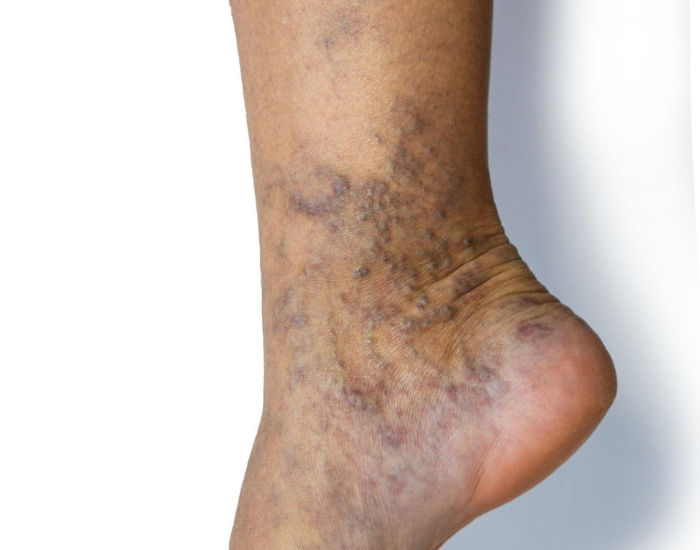
Varicose veins are a common condition that affects both men and women of all ages. However, men are often less likely to seek treatment for varicose veins, despite the potential impact it can have on their health and well-being. That’s why it’s important to recognize the warning signs and seek professional treatment early on. In this blog post, we’ll discuss actionable tips for men suffering from varicose veins. We’ll also discuss your resources for vein health in Houston, TX, at Premier Vein & Vascular Center.
Quick Answer: Varicose veins in men are common, and men often wait longer than women to have them checked, sometimes until swelling, skin darkening or a leg sore appears. The most useful steps are to take symptoms such as aching, heaviness, night cramps and ankle swelling seriously, keep the calf muscles active during long workdays, wear compression during long shifts or travel, and get a venous duplex ultrasound if symptoms persist. Office-based treatments such as vein ablation usually let men return to work within a day or two.


Meet your vein specialist
Dr. Syed Raza, MD
Vascular & Interventional Radiology · Founder, Premier Vein & Vascular Center
Fellowship-trained interventional radiologist certified by the American Board of Radiology and the Royal College of Radiologists (UK). Former Chief of Interventional Radiology at UTMB Galveston and Memorial Hermann Memorial City, with 15+ years treating varicose veins, venous reflux and peripheral arterial disease.
Be Able To Recognize The Warning Signs And Symptoms Of Varicose Veins In Men
Varicose veins in men are marked by bulging, twisted, and enlarged veins, mostly in the legs and feet. They can cause discomfort and aching, along with swelling and heaviness in the affected areas. You may also develop skin changes or discolorations, such as redness, itching, or ulcers. If you notice any of these symptoms, it’s important to seek medical advice. At Premier Vein & Vascular Center, our team of skilled professionals can perform an evaluation using state-of-the-art technology to diagnose varicose veins accurately.
Understand The Risk Factors For Varicose Veins In Men
Varicose veins are often caused by underlying vein dysfunction, which can be influenced by several factors. Age, genetics, and lifestyle can contribute to your risk of developing varicose veins. Older men often have weakened vein valves, while those with a family history of vein diseases may be more prone to the condition. Certain occupations that involve standing or sitting for long periods can also put a strain on your veins and cause varicose veins. Finally, lifestyle habits such as smoking, lack of exercise, and poor diet can further increase your risk. To minimize your risk of varicose veins, adopt healthy habits like regular exercise, a balanced diet, and quitting smoking.
The Importance of Professional Treatment
If left untreated, varicose veins can cause more severe symptoms, such as chronic pain, blood clots, and skin ulcers. Fortunately, several treatment options are available at Premier Vein & Vascular Center. We offer treatments such as endovenous thermal ablation, ambulatory phlebectomy, and sclerotherapy. These minimally invasive procedures can remove or close off damaged veins, allowing for healthy blood flow and reducing your symptoms. Our team of vein specialists will develop a personalized plan tailored to your unique needs and goals.
More Actionable Tips for Men Suffering from Varicose Veins
With a little effort and patience, men can reduce the appearance and discomfort associated with varicose veins and feel more confident in their own skin. Here are some more tips:
- Exercise Regularly – Regular exercise such as walking, cycling, or swimming can help increase leg circulation, reducing the chance of developing varicose veins.
- Avoid Standing for Extended Periods – Prolonged standing puts pressure on the legs and feet and can lead to venous insufficiency. Keep the blood circulating by taking short breaks and shifting your weight from one leg to another.
- Elevate Your Legs – Elevate your legs above your heart level for 30 minutes a few times each day to alleviate pressure on the veins and reduce swelling.
- Maintain a Healthy Diet – A diet low in salt and high in fiber can improve blood circulation, reducing the risk of developing varicose veins.
- Wear Compression Stockings – Compression stockings provide support and help keep blood from pooling in the legs, reducing pain and swelling.
Know that Varicose Veins in Men is Common
It is a common misconception that only women develop varicose veins, but studies show that men are also at risk, especially as they age. Genetics, obesity, and a sedentary lifestyle are all contributors to varicose veins in men. Seeking treatment at Premier Vein & Vascular Center in Houston can alleviate the symptoms and allow you to continue your daily routine without pain and discomfort.
Schedule Vein Consultation in Houston for Personalized Varicose Vein Treatment!
If you’re experiencing varicose veins, know that you are not alone. Men are at risk for developing this common issue, and it is important to manage your symptoms to prevent further complications. At Premier Vein & Vascular Center, we provide personalized care and treatment for men suffering from varicose veins. Follow our actionable tips and contact us for a consultation to learn how we can improve your experience with vein treatment. Remember, taking care of your veins now means you can continue enjoying your active lifestyle without pain and discomfort in the future.
Why Men With Varicose Veins Often Wait Too Long
In our practice, men tend to arrive later in the course of vein disease than women. Many tell us they ignored their veins for years because they thought varicose veins were a cosmetic or women’s issue, because leg hair hid the veins, or because they assumed tired legs were just part of hard work. By the time they come in, some already have brown skin staining, hardened skin above the ankle or a wound that will not heal.
Varicose veins are not about looks for most men. They are a sign of venous reflux, a pressure problem in the leg veins that tends to progress. The earlier it is evaluated, the simpler the treatment and the less chance of skin damage.
Some men also find that a partner or family member was the first to notice the problem, pointing out a bulging vein behind the knee or ankles that look swollen at night. If someone close to you has mentioned your legs, it is worth listening.
Signs Men Commonly Overlook
Bulging veins are the obvious sign, but men frequently brush off the subtler ones:
- Legs that feel heavy or tired at the end of a shift and better after sitting with the feet up
- Sock lines that leave deep marks around the ankles in the evening
- Calf cramps that wake you up at night
- Restless, jumpy legs when trying to fall asleep
- Itching or a dry, scaly patch on the lower leg that does not clear with lotion
- Darker, brownish skin around the inner ankle
- A small cut or scrape on the shin that takes weeks to heal
Any of these, especially in combination, deserve a vein check even if the veins themselves are not very visible. Our vein disease symptoms page describes them in more detail.
Work, Sports and Lifestyle Factors That Affect Men’s Veins
Many traditionally male-dominated jobs put steady strain on the leg veins. Construction, manufacturing, warehouse and refinery work, law enforcement and security, chefs and line cooks, and surgeons all involve long hours standing with little walking. Truck drivers, pilots and office workers face the opposite problem: hours of sitting with the knees bent and the calf muscle idle. Either way, blood pools in the lower legs.
Some other factors are worth knowing about:
- Heavy lifting with breath-holding. Straining raises pressure in the abdomen, which is transmitted down into the leg veins. Breathing out during the lift reduces that spike.
- Previous leg injuries or surgery. Fractures, knee surgery and long periods in a cast can damage veins or lead to blood clots that later affect the valves.
- Weight carried around the waist. Abdominal weight increases pressure in the pelvic and leg veins.
- Heat. Working outdoors in Texas summers widens veins and often makes swelling worse.
Varicose Veins in Men vs Women: What Is Different?
| Feature | Men | Women |
|---|---|---|
| Common triggers | Occupation, age, weight, prior leg injury or clot | Pregnancy, hormones, family history, occupation |
| When they seek care | Often later, when swelling or skin changes appear | Often earlier, sometimes for appearance as well as symptoms |
| How veins are noticed | Leg hair can hide early veins; symptoms may be the first clue | Spider and varicose veins are often noticed earlier |
| Related checks | Arterial circulation in smokers and men with diabetes | Pelvic vein reflux that may feed thigh and vulvar veins |
| Treatment options | Ablation, phlebectomy, sclerotherapy, compression | Ablation, phlebectomy, sclerotherapy, compression |
The underlying problem and the treatments are the same for both sexes. What differs is mainly when people come in and what has happened to the skin by then.
Practical Tips for Men on the Job
- Move every 30 to 60 minutes. Walk, climb a flight of stairs or do 20 heel raises. On long drives, stop every couple of hours to walk.
- Use the calf pump while seated. Point and flex your feet under the desk or steering wheel when it is safe to do so.
- Wear compression on long shifts. Modern compression socks come in athletic and dress styles that look like ordinary socks. Knee-high, 15 to 20 or 20 to 30 mmHg is typical, depending on symptoms and your doctor’s advice.
- Choose supportive work boots. Footwear that lets the ankle flex helps the calf pump work.
- Elevate after work. Fifteen to twenty minutes with the feet above heart level helps drain swelling.
- Stay hydrated and limit salty meals. Both help with fluid retention, especially in the heat.
Treatment Without Missing Much Work
A common reason men delay is worry about time off. Most modern vein treatments are done in the office under local anesthesia and take about an hour or less. Patients walk out afterward.
- Radiofrequency ablation closes a leaking trunk vein from inside through a single needle entry. Many men are back at desk work the next day and on their feet at work within a few days.
- Non-thermal ablation uses an adhesive or foam instead of heat and often needs fewer needle sticks.
- Phlebectomy removes bulging surface veins through tiny nicks.
- Sclerotherapy closes smaller veins with injections.
Heavy lifting is usually avoided for about a week after ablation, so men with physically demanding jobs may need light duty for a short time. We can provide paperwork for your employer if needed.
How We Evaluate Varicose Veins in Men
- Focused history. We ask about your job, hours on your feet or seated, sports, past leg injuries or surgery, previous clots, smoking, diabetes and family history.
- Standing examination. We look for varicose veins, swelling and skin changes, including veins hidden by leg hair, and check foot pulses.
- Venous duplex ultrasound. In our IAC-accredited vascular lab, we map which veins are refluxing and confirm the deep veins are free of clot. If pulses are weak or you smoke or have diabetes, we may add an ankle-brachial index to check the arteries.
- A clear plan. We explain your results, what treatment would involve, how much time off work to expect and what insurance typically requires.
Call 911 or seek emergency care if…
- One leg suddenly swells and becomes painful, warm or red, especially after a long drive, flight, injury or surgery
- You have sudden shortness of breath, chest pain or cough up blood
- A varicose vein bleeds heavily; lie down, raise the leg and press firmly until help arrives
- A leg wound becomes red, hot, swollen or smells bad, or you develop fever
When to See a Vein Doctor in Houston
If your legs ache by the end of the day, your ankles swell, or you have noticed skin changes or slow-healing scrapes on your shins, it is worth having your veins checked now rather than waiting for a bigger problem. A single visit with an ultrasound usually gives a clear answer.
Dr. Syed Raza is a fellowship-trained interventional radiologist with more than 15 years of experience treating varicose veins, venous reflux and peripheral arterial disease. Our vein doctor in Houston practice serves men from Katy and across Greater Houston, usually with same-week appointments, and accepts most insurance plans, including Medicare. You can also review our varicose vein treatment page before your visit.
Talk With a Specialist at Premier Vein
Have questions about your symptoms or treatment options? Dr. Syed Raza and the team at Premier Vein & Vascular Center can evaluate your concerns and explain your options clearly. Same-week appointments are usually available, and most insurance plans are accepted.
Frequently Asked Questions
Are varicose veins dangerous for men?
Varicose veins are usually not an emergency, but they are a sign of venous reflux that tends to progress. Over time, they can lead to swelling, skin changes, bleeding, superficial vein clots and, in advanced cases, leg ulcers. An evaluation helps catch these changes early.
Can lifting weights cause varicose veins?
Weightlifting does not usually cause varicose veins on its own, but heavy lifting with breath-holding briefly raises pressure in the leg veins and can worsen existing reflux. Breathing out during the lift, avoiding maximal straining and wearing compression if your legs ache can help.
Do men need to shave their legs for vein treatment?
Usually only a small area may be trimmed at the needle or incision sites, and the staff will do this if needed. You do not need to shave your legs before the appointment.
Can varicose veins cause problems with erections or fertility?
Leg varicose veins do not affect erections or fertility. A different condition called a varicocele, which involves enlarged veins in the scrotum, can be associated with fertility issues and is evaluated separately.
What compression socks are best for men who work on their feet?
Knee-high graduated compression socks are the most practical choice for most men, in 15 to 20 mmHg for mild symptoms or 20 to 30 mmHg for more significant swelling and aching. Athletic and dress styles are available, and a proper fit matters more than the brand.
Is varicose vein treatment covered by insurance for men?
Coverage rules are the same for men and women. When symptoms are documented and an ultrasound confirms reflux, most insurance plans, including Medicare, may cover treatment, often after a trial of compression stockings and pre-authorization.
Can men get spider veins too?
Yes. Spider veins are common in men, especially around the ankles, knees and thighs, although leg hair can make them less noticeable. Clusters of tiny veins around the inner ankle can be an early sign of underlying reflux, so they are worth mentioning at a vein evaluation.
ABOUT PREMIER VEIN & VASCULAR CENTER: Premier Vein & Vascular Center, a leading vein clinic in Houston and among the top specialized vein treatment clinics in the USA, has provided expert vein care for over 20 years. The center offers minimally invasive treatments for varicose veins, spider veins, and deep vein thrombosis, led by Dr. Syed Raza, MD, a Board-Certified Vein Specialist and Interventional Radiologist. Dedicated to pain-free, healthier living, the clinic delivers cutting-edge, patient-centered care for optimal results.
Trusted Health Resources
- Chronic Venous Insufficiency, Society for Vascular Surgery
- Venous Insufficiency, MedlinePlus Medical Encyclopedia (NIH)
- Varicose Veins and Spider Veins, MedlinePlus (NIH)