
If you have recently visited a vein specialist serving Houston and discovered that you have venous insufficiency or varicose veins, it can be helpful to learn about the basic structure of the cardiovascular system. Watch this introductory animation or consult your vein specialist if you’re curious about the movement of blood through your body.
Quick Answer: The vascular system is the network of arteries, veins and capillaries that carries blood around the body. Arteries take oxygen-rich blood from the heart to every tissue, capillaries exchange oxygen and nutrients with the cells, and veins return the used blood to the heart and lungs. In the legs, veins rely on one-way valves and the calf muscle pump to push blood uphill. When those valves fail, or when arteries narrow, problems such as varicose veins, venous insufficiency, blood clots and peripheral arterial disease can develop.
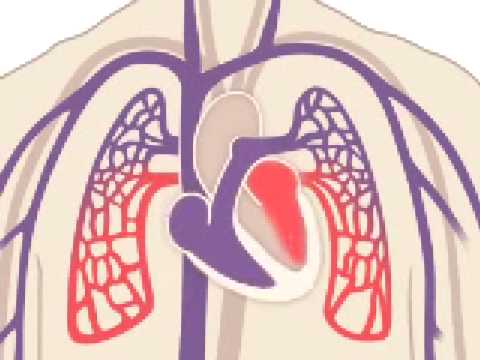
This animation clearly explains how the heart pumps about five quarts of blood every minute. The oxygen-rich blood is pumped throughout the body to nourish the tissues. When it is depleted of oxygen, it returns to the right side of the heart. From there, it is pumped through the pulmonary arteries to become oxygenated again. Then, it enters the left side of the heart and is pumped back into the rest of the body.

Meet your vein specialist
Dr. Syed Raza, MD
Vascular & Interventional Radiology · Founder, Premier Vein & Vascular Center
Fellowship-trained interventional radiologist, board certified in diagnostic and interventional radiology with a Certificate of Added Qualification (CAQ) in interventional radiology, and a Fellow of the Royal College of Radiologists (UK). Member of SIR and RSNA. Former Chief of Interventional Radiology at UTMB Galveston and Memorial Hermann Memorial City, with 15+ years treating varicose veins, venous reflux and peripheral arterial disease.
The Three Parts of the Vascular System
The animation above shows the big loop: the heart pumps blood to the body and lungs and receives it back. Between the heart and the tissues, three kinds of blood vessels do the work, and each is built for a different job.
Arteries
Arteries carry blood away from the heart under high pressure. Their walls are thick and muscular, with an elastic layer that stretches with each heartbeat and recoils between beats. That recoil is the pulse you can feel at your wrist, neck or the top of your foot. The largest artery, the aorta, branches again and again until the vessels become tiny arterioles that feed individual tissues.
Capillaries
Capillaries are the smallest vessels, so narrow that red blood cells pass through them almost single file. Their walls are only one cell thick, which lets oxygen, glucose and other nutrients move out into the tissues while carbon dioxide and waste move in. Every working cell in the body sits close to a capillary.
Veins
Veins collect blood from the capillaries and return it to the heart. Pressure inside veins is low, so their walls are thinner and more flexible than artery walls. Most of the body’s blood volume sits in the veins at any moment, which is why veins are sometimes described as the body’s reservoir. Many veins, especially in the legs, contain one-way valves that keep blood moving toward the heart.
Arteries vs Veins: How They Compare
Patients often ask us whether a problem is in their arteries or their veins. The distinction matters, because the symptoms, tests and treatments are quite different.
| Feature | Arteries | Veins |
|---|---|---|
| Direction of flow | Away from the heart | Back toward the heart |
| Pressure | High, pulsing with each heartbeat | Low and steady |
| Wall structure | Thick, muscular, elastic | Thinner, more stretchy |
| Valves | None (except at the heart) | One-way valves, especially in the legs |
| Common leg problem | Narrowing from plaque (peripheral arterial disease) | Leaking valves (venous insufficiency) or clots (DVT) |
| Typical symptom | Calf pain when walking that eases with rest | Heaviness, swelling and aching after standing |
| Main screening test | Ankle-brachial index | Venous duplex ultrasound |
How Blood Gets Back Up From Your Legs
Returning blood from the feet to the heart is one of the hardest jobs in the vascular system. When you stand, the column of blood in the leg veins is pulled down by gravity, and the heart’s push has mostly faded by the time blood reaches the capillaries. The body solves this with three mechanisms working together.
- The calf muscle pump. The deep veins run through the calf muscles. Every step squeezes these veins and pushes blood upward. Doctors often call the calf the second heart for this reason.
- One-way valves. Thin leaflets inside the veins close between muscle contractions so blood cannot fall back down.
- Breathing. Pressure changes in the chest and abdomen during breathing help draw blood up from the legs toward the heart.
The leg has deep veins inside the muscles, superficial veins just under the skin (such as the great and small saphenous veins) and short perforator veins connecting the two. In a healthy leg, blood flows from the superficial veins into the deep veins and then up toward the heart.
Common Problems in the Vascular System
Most vascular conditions come down to one of three things: a vessel that leaks backward, a vessel that is narrowed, or a vessel that is blocked by a clot.
Venous insufficiency and varicose veins
When vein valves stop closing properly, blood flows backward and pools in the lower leg. This is called reflux. The extra pressure stretches the veins, producing varicose veins, swelling, aching and, over time, skin changes around the ankles. This condition is known as chronic venous insufficiency.
Deep vein thrombosis
A deep vein thrombosis is a blood clot in one of the deep veins, usually in the leg. Slow blood flow, injury to the vein wall and conditions that make blood clot more easily all raise the risk. The main danger is that part of the clot can break off and travel to the lungs, causing a pulmonary embolism.
Peripheral arterial disease
In peripheral arterial disease, plaque builds up inside the leg arteries and reduces blood flow to the muscles. The classic symptom is cramping in the calf or thigh with walking that eases after a few minutes of rest. Smoking, diabetes, high blood pressure and high cholesterol are the major risk factors.
Call 911 or seek emergency care if you have:
- Sudden swelling, pain, warmth or redness in one leg
- Sudden shortness of breath, chest pain or coughing up blood
- A leg or foot that suddenly becomes cold, pale, numb or very painful
- Bleeding from a vein that does not stop with firm pressure and raising the leg
Signs Your Leg Circulation May Need Attention
Small changes in how your legs look and feel can be early clues that part of the vascular system is under strain. It is worth having your circulation checked if you notice:
- Legs that feel heavy, tired or achy by the end of the day
- Ankle swelling that leaves sock marks
- Bulging, twisted veins or clusters of spider veins
- Night cramps or restless legs
- Brown or reddish skin discoloration around the ankles
- Calf pain when walking that stops when you rest
- Cool feet, slow-healing sores or shiny, hairless skin on the shins
The first group of symptoms usually points to the veins, while walking pain and cool feet point to the arteries. Some people have both, which is one reason a proper vascular evaluation is useful. Our page on vein disease symptoms describes the venous signs in more detail.
How the Vascular System Changes With Age and Lifestyle
Blood vessels are living tissue, and they change over a lifetime. Understanding those changes helps explain why vein and artery problems become more common as people get older, and why some of them can be slowed down.
Veins
With time, the walls of the leg veins lose some of their elastic fibers and become easier to stretch. As a vein widens, the two leaflets of each valve no longer meet in the middle, and blood starts to leak backward. One leaking valve puts more weight on the valve below it, so the problem tends to spread slowly down the vein. Family history, pregnancy and long hours on your feet speed this process up, which is why many people notice their first varicose veins in their 30s or 40s.
Arteries
Arteries gradually stiffen with age, and cholesterol-rich plaque can build up in their walls. Smoking, diabetes, high blood pressure and high cholesterol make this happen faster and earlier. In the legs, narrowing usually develops over years before it causes symptoms, and many people with early arterial disease have no complaints at all until they walk farther or faster than usual.
The calf pump
Less activity, stiff ankles from arthritis and loss of muscle strength all weaken the calf pump. When the calf squeezes less often or less firmly, blood lingers in the lower legs, swelling increases and clot risk rises. This is why a simple daily walk is one of the most effective things you can do for both your veins and your arteries, at any age.
The encouraging part is that many of these changes are gradual and respond to early attention. Treating leaking veins before skin damage sets in, and controlling artery risk factors before narrowing becomes severe, usually leads to simpler treatment and better long-term leg health.
How We Evaluate Your Vascular Health
At Premier Vein & Vascular Center, the goal of the first visit is to find out which part of the vascular system is responsible for your symptoms and how significant the problem is.
- Focused history. We ask about your symptoms, when they occur, prior clots, pregnancies, family history, smoking and conditions such as diabetes or high blood pressure.
- Physical examination. We check your legs standing and lying down, look for visible veins, swelling and skin changes, and feel the pulses in your feet.
- The right test. A venous duplex ultrasound maps the leg veins and measures reflux or clots. An ankle-brachial index compares blood pressure at the ankle and arm to screen for arterial narrowing. Both are painless and are done in our in-office vascular lab.
- A clear plan. We explain what the tests show, in plain language, and talk through whether you need lifestyle measures, compression, a minimally invasive procedure or simply monitoring.
Treating Problems in the Vascular System
Treatment depends on which vessels are affected. For leaking leg veins, the aim is to close the faulty veins so blood reroutes through healthy ones. Options include endovenous thermal ablation, non-thermal ablation and sclerotherapy, which are done in the office under local anesthesia and allow most patients to walk out the same day.
For narrowed leg arteries, treatment starts with risk factor control and a walking program, and some patients benefit from minimally invasive procedures to open the blocked segment. Clots in the deep veins are usually treated with blood thinners and close follow-up.
Patients are sometimes worried that closing a vein will reduce circulation. In practice, a refluxing vein is already working against the circulation. The deep veins carry most of the blood out of the leg, and once the faulty superficial vein is closed, blood takes the healthier route.
Keeping your vascular system healthy
Many of the habits that protect your heart also protect your arteries and veins:
- Walk most days to keep the calf muscle pump strong
- Avoid sitting or standing still for hours; flex your ankles and take short breaks
- Do not smoke, which damages artery walls and raises clot risk
- Keep blood pressure, cholesterol and blood sugar under control
- Maintain a healthy weight to reduce pressure on the leg veins
- Stay well hydrated, especially in hot weather and on long trips
- Wear compression stockings on long flights or shifts if your doctor recommends them
When to See a Vascular Specialist in Houston
If your legs ache, swell or cramp regularly, if you can see new bulging veins, or if walking brings on calf pain, an evaluation can tell you whether the problem is in your veins, your arteries or neither. The long, hot Houston summers often make vein symptoms more noticeable, and many patients first come to us after a season of swollen ankles. Our team is led by Dr. Syed Raza, a fellowship-trained interventional radiologist and former Chief of Interventional Radiology at UTMB Galveston and Memorial Hermann Memorial City. If you are looking for a vein clinic in Houston, same-week appointments are usually available, and most insurance plans, including Medicare, are accepted.
Talk With a Specialist at Premier Vein
Have questions about your symptoms or treatment options? Dr. Syed Raza and the team at Premier Vein & Vascular Center can evaluate your concerns and explain your options clearly. Same-week appointments are usually available, and most insurance plans are accepted.
Frequently Asked Questions
What are the main parts of the vascular system?
The vascular system is made up of arteries, capillaries and veins. Arteries carry oxygen-rich blood away from the heart, capillaries exchange oxygen and nutrients with the tissues, and veins return blood to the heart and lungs.
What is the difference between the vascular system and the circulatory system?
The circulatory system usually refers to the heart and blood vessels together. The vascular system refers specifically to the blood vessels: the arteries, veins and capillaries that carry blood throughout the body.
Why do leg veins have valves?
Leg veins have to return blood uphill against gravity. One-way valves close between each calf muscle contraction so blood cannot fall back toward the feet, which keeps pressure in the lower leg veins low.
What is the calf muscle pump?
The calf muscle pump is the squeezing action of the calf muscles on the deep leg veins when you walk or flex your ankle. Each contraction pushes blood upward, which is why regular walking is so important for healthy leg circulation.
What kind of doctor treats vascular problems in the legs?
Leg vein and artery problems are treated by vascular specialists, including vascular surgeons and interventional radiologists. Interventional radiologists use imaging such as ultrasound to diagnose problems and perform minimally invasive procedures through small needle punctures.
How can I tell if leg pain is from my veins or my arteries?
Vein-related pain usually feels like heaviness or aching that builds after standing and improves when you raise your legs. Artery-related pain typically comes on with walking and eases with a few minutes of rest. A duplex ultrasound and an ankle-brachial index can confirm which is involved.
Trusted Health Resources
- Chronic Venous Insufficiency, Society for Vascular Surgery
- Venous Insufficiency, MedlinePlus Medical Encyclopedia (NIH)
- Varicose Veins and Spider Veins, MedlinePlus (NIH)