
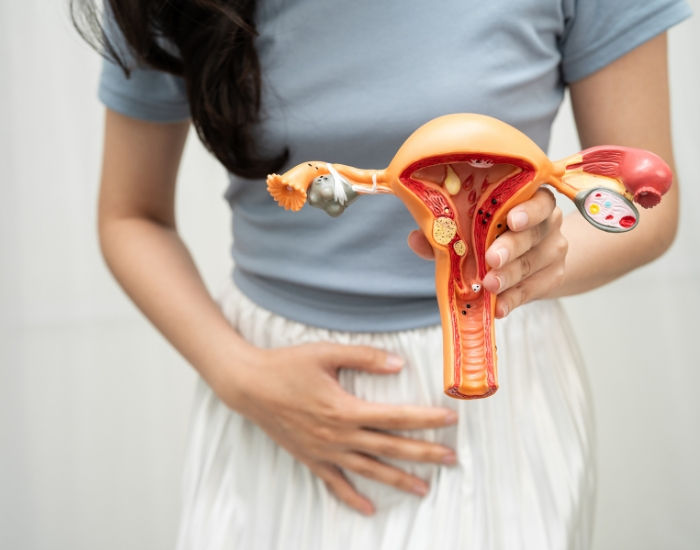
Uterine fibroids are benign tumors that develop within the muscular wall of the uterus. They are prevalent among women of reproductive age and can cause a range of symptoms, including heavy menstrual bleeding, pelvic pain, and pressure on the bladder or bowel. Traditional treatment options for uterine fibroids have included surgery, such as hysterectomy or myomectomy, but advancements in medical technology have introduced a minimally invasive alternative known as uterine fibroid embolization (UFE).
Quick Answer: Uterine fibroid embolization (UFE) is a minimally invasive procedure in which an interventional radiologist places a thin catheter through a small puncture in the wrist or groin and injects tiny particles into the uterine arteries. This cuts off the fibroids’ blood supply so they shrink, while the uterus stays in place. Most women go home the same day or after one night and return to normal activity in about one to two weeks. UFE can relieve heavy bleeding, pelvic pressure and pain for many women who want to avoid hysterectomy.

Uterine fibroid embolization is a procedure that involves blocking the blood supply to the fibroids, causing them to shrink and alleviate symptoms. The procedure is performed by an interventional radiologist, typically in a hospital or outpatient setting, under local anesthesia and sedation. During the procedure, a small incision is made in the groin area, and a catheter is inserted into the uterine artery. Using real-time imaging, the interventional radiologist guides the catheter to the arteries that supply blood to the fibroids. Once in position, tiny particles are injected through the catheter to block the blood flow to the fibroids, leading to their eventual shrinkage and resolution of symptoms.
One of the primary benefits of uterine fibroid embolization is its minimally invasive nature. Unlike traditional surgical options, which require large incisions and longer recovery times, UFE involves only a small puncture in the skin and typically allows for a quicker return to normal activities. Additionally, because the procedure targets the blood supply to the fibroids rather than removing them surgically, it preserves the uterus and may be an attractive option for women who wish to retain their fertility.
Research has shown that uterine fibroid embolization is highly effective in reducing symptoms associated with fibroids. Studies have reported significant improvements in menstrual bleeding, pelvic pain, and quality of life following the procedure. Many women experience relief from symptoms within a few weeks to months after undergoing UFE, with the majority experiencing long-term symptom control.
As with any medical procedure, it is essential for women considering uterine fibroid embolization to discuss their options with a healthcare provider to determine the most appropriate treatment approach for their individual circumstances. While UFE offers a less invasive alternative to traditional surgical options for the management of uterine fibroids, it is important to weigh the potential benefits and risks before making a decision.
In conclusion, uterine fibroid embolization is a revolutionary treatment option for women suffering from symptomatic fibroids. By targeting the blood supply to the fibroids, UFE offers effective symptom relief with less invasiveness and a quicker recovery time compared to traditional surgical approaches. With careful consideration and guidance from healthcare providers, women can make informed decisions about whether uterine fibroid embolization is the right choice for them. Contact us today.

Meet your vein specialist
Dr. Syed Raza, MD
Vascular & Interventional Radiology · Founder, Premier Vein & Vascular Center
Fellowship-trained interventional radiologist, board certified in diagnostic and interventional radiology with a Certificate of Added Qualification (CAQ) in interventional radiology, and a Fellow of the Royal College of Radiologists (UK). Member of SIR and RSNA. Former Chief of Interventional Radiology at UTMB Galveston and Memorial Hermann Memorial City, with 15+ years treating varicose veins, venous reflux and peripheral arterial disease.
Uterine Fibroid Embolization Explained: Why Shrinking the Blood Supply Works
Fibroids are made of muscle and fibrous tissue, and they depend on a rich blood supply from the two uterine arteries to keep growing. The normal muscle of the uterus is supplied by the same arteries, but it also has backup blood flow from other vessels. Fibroids do not.
That difference is the key to embolization. When the particles reach the uterine arteries, they flow preferentially into the many small vessels feeding the fibroids and block them. Deprived of oxygen, the fibroid tissue softens and shrinks over the following months. The healthy uterine muscle recovers because its backup circulation keeps it alive. The result is a smaller, softer uterus with fewer symptoms, without removing any organ.
Types of fibroids and why location matters
- Intramural fibroids grow within the wall of the uterus and are the most common type. They often cause heavy periods and bulk symptoms.
- Submucosal fibroids bulge into the uterine cavity and are strongly linked to heavy bleeding.
- Subserosal fibroids grow on the outer surface and tend to press on the bladder, bowel or back.
- Pedunculated fibroids hang from a stalk. Fibroids on a very narrow stalk need careful assessment before embolization.
A pelvic MRI before UFE shows the size, number, location and blood supply of each fibroid, which helps us predict how well embolization will work.
Symptoms That Lead Women to Consider UFE
Not every fibroid needs treatment. Many are small and cause no symptoms. Treatment is considered when fibroids affect daily life, such as:
- Periods so heavy that you plan your day around bathroom access or need double protection
- Bleeding that lasts longer than a week, or bleeding between periods
- Tiredness, breathlessness or low iron levels caused by blood loss
- Pelvic pressure, bloating or a visibly enlarged lower abdomen
- Frequent urination or waking at night to urinate
- Constipation or lower back pain from pressure on nearby structures
- Pain during intercourse
Pelvic pain can have more than one cause. Some women have fibroids together with other conditions such as enlarged pelvic veins, which we discuss on our pelvic congestion syndrome page.
UFE vs Myomectomy vs Hysterectomy: Comparing Fibroid Treatments
Each option has a place. The best choice depends on your symptoms, the size and position of your fibroids, your plans for pregnancy and your preferences.
| Feature | Uterine fibroid embolization | Myomectomy | Hysterectomy | Hormonal medication |
|---|---|---|---|---|
| What it does | Blocks the fibroids’ blood supply so they shrink | Surgically removes fibroids, keeps the uterus | Removes the uterus | Reduces bleeding or temporarily shrinks fibroids |
| Incision | Small puncture at wrist or groin | Abdominal, laparoscopic or through the cervix | Abdominal, laparoscopic or vaginal | None |
| Hospital stay | Same day or one night | Same day to several days | Usually one to several days | None |
| Typical recovery | About one to two weeks | Two to six weeks | Four to six weeks or more | Not applicable |
| Uterus preserved | Yes | Yes | No | Yes |
| Chance fibroids return | Possible, new fibroids can grow | Possible, new fibroids can grow | No | Symptoms often return when stopped |
You can find more detail about our approach on the fibroid treatments page and answers to common questions on our fibroid treatment FAQs.
Who Is a Good Candidate for Uterine Fibroid Embolization?
UFE is often a good fit for women who:
- Have symptoms clearly caused by fibroids that have been confirmed on imaging
- Want to keep their uterus or prefer to avoid surgery and general anesthesia
- Have medical conditions that make surgery riskier
- Have several fibroids, which can make myomectomy more complex
- Have had fibroids return after a previous myomectomy
When UFE may not be the right choice
Embolization is not recommended during pregnancy or with an active pelvic infection. It is also not appropriate when cancer of the uterus is suspected, which is why abnormal bleeding needs a gynecologic workup first. Women who are actively planning a pregnancy should discuss options carefully with both their gynecologist and the interventional radiologist. Pregnancies after UFE do occur, but for many women who want to conceive soon, myomectomy is still often discussed first. We want every patient to make that decision with full information.
What to Expect Before, During and After UFE
Before the procedure
You will have blood tests, a pregnancy test and a review of your MRI. You will be asked not to eat for several hours beforehand, and some medications may be adjusted.
During the procedure
UFE usually takes about an hour. You are awake but sedated, and the puncture site is numbed. Most women feel only pressure at the wrist or groin. Using X-ray guidance, the catheter is steered into each uterine artery in turn and the embolic particles are injected until blood flow to the fibroids slows.
The first days afterward
The first 12 to 24 hours are usually the most uncomfortable. Cramping similar to strong period pain is expected as the fibroids lose their blood supply, and it is managed with anti-inflammatory and pain medication. Over the next several days, many women have a group of symptoms called post-embolization syndrome: tiredness, low-grade fever, nausea and a general feeling of being unwell. This is a normal response and usually settles within a week.
The following weeks and months
Most women return to desk work and light activities within one to two weeks. Bleeding often improves within the first few cycles. Bulk symptoms such as pressure and frequent urination improve more gradually as the fibroids shrink over several months. Some women pass small pieces of fibroid tissue vaginally, particularly with submucosal fibroids, which should be discussed with your care team.
A follow-up visit a few weeks after the procedure lets us check how you are recovering and how your bleeding and pain have changed. A repeat MRI is often arranged several months later to confirm that the fibroids have lost their blood supply and to measure how much they have shrunk. If symptoms are not improving as expected, that imaging helps explain why and guides the next step. Throughout this period, you are encouraged to stay active with walking, eat normally and gradually return to exercise as your energy comes back.
Managing Fibroid Symptoms While You Decide
Choosing a fibroid treatment is a big decision, and it is reasonable to take time to gather information. In the meantime, a few steps can make life easier and help your doctors.
- Track your periods. Note how many days you bleed, how often you change pads or tampons and whether you pass clots. This gives a clear picture of how heavy the bleeding really is.
- Ask about your iron level. Heavy bleeding can cause iron deficiency anemia, which leads to tiredness, headaches and shortness of breath. Iron supplements or other treatment may be needed.
- Discuss short-term options. Anti-inflammatory medication taken around your period, tranexamic acid or hormonal treatment can reduce bleeding for some women while they decide on longer-term care.
- Keep copies of your imaging. Bringing your ultrasound or MRI reports and images to the consultation saves time and avoids repeat scans.
Questions to bring to your consultation
- Are my symptoms fully explained by my fibroids, or could something else be contributing?
- How large are my fibroids and where are they located?
- What results can I realistically expect from UFE compared with surgery?
- How might each option affect future pregnancy?
- How much time off work should I plan for?
How We Evaluate Women With Fibroids at Premier Vein
- Focused history. We ask about your bleeding pattern, pain, pressure symptoms, pregnancies, future plans and previous treatments, and we review records from your gynecologist.
- Gynecologic coordination. We confirm that routine screening is up to date and that other causes of abnormal bleeding have been considered.
- Imaging. A pelvic MRI, or ultrasound when appropriate, maps each fibroid and its blood supply and helps rule out conditions that change the plan.
- Consultation. Dr. Raza explains whether UFE is likely to help, what results are realistic for your fibroids, the risks, and how UFE compares with your other options.
- A clear plan. If you choose UFE, we arrange scheduling, pain control and follow-up imaging, and keep your other doctors informed.
Seek urgent medical care if you have:
- Bleeding that soaks through a pad every hour for several hours
- Dizziness, fainting, a racing heart or severe shortness of breath
- Fever above 101 F, chills or foul-smelling discharge after UFE, especially more than a few days afterward
- Pain that is severe and getting worse despite prescribed medication
- Swelling, bleeding or a growing lump at the wrist or groin puncture site
Uterine Fibroid Embolization in Houston
If heavy periods, pressure or pain from fibroids are affecting your life and you would like to explore an option that keeps your uterus, an interventional radiology consultation is a good next step. Dr. Syed Raza is a fellowship-trained interventional radiologist board certified in diagnostic and interventional radiology by the American Board of Radiology and a Fellow of the Royal College of Radiologists (UK), and a former Chief of Interventional Radiology at UTMB Galveston and Memorial Hermann Memorial City. You can read more about Dr. Raza or contact our interventional radiology clinic in Houston. Same-week consultations are usually available, and most insurance plans, including Medicare, are accepted.
Talk With a Specialist at Premier Vein
Have questions about your symptoms or treatment options? Dr. Syed Raza and the team at Premier Vein & Vascular Center can evaluate your concerns and explain your options clearly. Same-week appointments are usually available, and most insurance plans are accepted.
Frequently Asked Questions
Is uterine fibroid embolization painful?
The procedure itself is done under sedation with local anesthetic, so most women feel only pressure. Cramping is common for the first day or so afterward and is controlled with prescribed pain and anti-inflammatory medication.
How long does it take for fibroids to shrink after UFE?
Bleeding often improves within the first few menstrual cycles. Fibroids shrink gradually over several months, so pressure and bulk symptoms usually improve more slowly than bleeding.
Can fibroids come back after embolization?
Treated fibroids rarely regrow, but new fibroids can develop in women who are still years away from menopause. Some women eventually need another treatment, which is also true after myomectomy.
Does UFE cause early menopause?
Most women continue to have normal periods after UFE. A small number, more often women in their mid-to-late forties, may enter menopause earlier than they otherwise would. Your doctor can discuss this risk based on your age.
Do I need a referral from my gynecologist for UFE?
Many women are referred by their gynecologist, but you can also request an interventional radiology consultation directly. Either way, we coordinate with your gynecologist so that other causes of bleeding have been checked.
Is uterine fibroid embolization covered by insurance?
UFE is an established treatment for symptomatic fibroids and is covered by most insurance plans, including Medicare, when it is medically necessary. Our team can verify your coverage before the procedure.
ABOUT PREMIER VEIN & VASCULAR CENTER: Premier Vein & Vascular Center, a leading vein clinic in Houston and among the top specialized vein treatment clinics in the USA, has provided expert vein care for over 20 years. The center offers minimally invasive treatments for varicose veins, spider veins, and deep vein thrombosis, led by Dr. Syed Raza, MD, a Board-Certified Vein Specialist and Interventional Radiologist. Dedicated to pain-free, healthier living, the clinic delivers cutting-edge, patient-centered care for optimal results.
Trusted Health Resources
- Uterine Fibroids, Office on Women’s Health (HHS)
- Uterine Fibroids, MedlinePlus (NIH)