
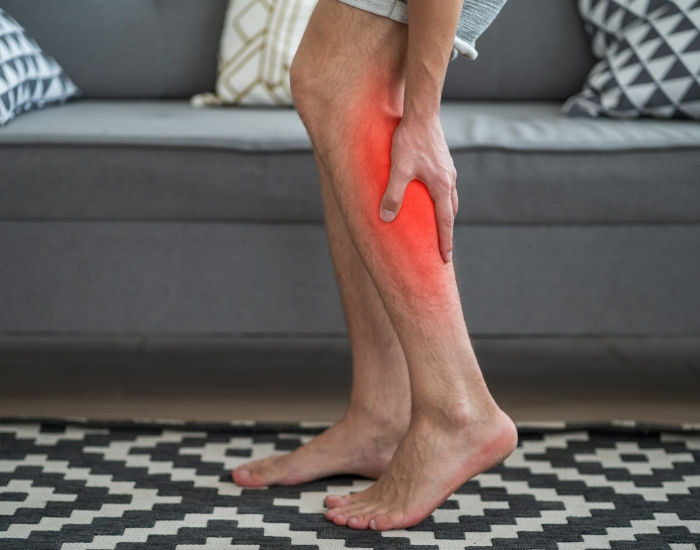
Varicose veins are not just a cosmetic issue—they can lead to uncomfortable symptoms, including painful leg cramps. These cramps, often occurring at night, can disrupt your sleep and affect your quality of life. If you’ve been wondering whether varicose veins could be the cause of your leg cramps, you’re in the right place. Here’s everything you need to know about the connection between varicose veins and leg cramps, helpful tips for relief, and effective long-term solutions.
Quick Answer: Yes, varicose veins can cause leg cramps. When the valves in leg veins fail, blood pools and pressure rises in the lower leg, which causes swelling, irritation of the tissues and tired, oxygen-poor calf muscles that are more prone to painful cramps, often at night after a long day on your feet. Cramps are more likely to be vein-related if you also have heaviness, ankle swelling or visible varicose veins. A venous duplex ultrasound confirms the cause, and treating the faulty veins often reduces how often cramps occur.


Meet your vein specialist
Dr. Syed Raza, MD
Vascular & Interventional Radiology · Founder, Premier Vein & Vascular Center
Fellowship-trained interventional radiologist, board certified in diagnostic and interventional radiology with a Certificate of Added Qualification (CAQ) in interventional radiology, and a Fellow of the Royal College of Radiologists (UK). Member of SIR and RSNA. Former Chief of Interventional Radiology at UTMB Galveston and Memorial Hermann Memorial City, with 15+ years treating varicose veins, venous reflux and peripheral arterial disease.
What Are Varicose Veins and Leg Cramps?
Varicose veins are enlarged, twisted veins caused by weakened vein walls and malfunctioning valves. They often appear on the legs as bulging, discolored veins and indicate poor blood flow.
Leg cramps, on the other hand, happen when a muscle—most commonly in your calf—suddenly tightens and causes intense pain. While there are many reasons for leg cramps, such as dehydration or overexertion, varicose veins are another common and often overlooked cause.
How Do Varicose Veins Lead to Leg Cramps?
Varicose veins develop when the valves in leg veins become damaged or weakened, making it hard for blood to flow back to the heart. This causes blood to pool in the veins, leading to swelling, inflammation, and a buildup of toxins. When these toxins leak into surrounding muscles and tissues, they can trigger cramping and discomfort.
This cramping is often most noticeable at night because lying flat can increase pressure in the veins, exacerbating symptoms. Pregnant women and individuals who spend long hours standing or sitting may also experience intensified symptoms.
Symptoms to Watch For
Varicose veins can present with several symptoms, including:
- Aching or heavy legs, especially after standing
- Swelling in the lower legs or feet
- Itching or burning sensations around the veins
- Muscle cramping, often localized in the calves
- Visible bulging or discolored veins
If these symptoms sound familiar, it might be time to seek medical advice.
Preventing and Relieving Leg Cramps Associated with Varicose Veins
While varicose veins may not always be avoidable, you can make several lifestyle changes to help reduce the severity of leg cramps caused by them.
Elevate Your Legs
Prop your legs on a pillow or ottoman to reduce the pooling of blood in the veins and relieve pressure.
Stay Active
Walking, swimming, or cycling can improve circulation and prevent blood stagnation. Simple stretches, like calf stretches and ankle rotations, are also helpful for keeping blood flowing.
Stay Hydrated
Drinking plenty of water can reduce muscle cramping caused by dehydration.
Eat a Balanced Diet
Focus on nutrient-rich foods high in magnesium and potassium, such as spinach, bananas, and avocados, to support muscle health.
Wear Compression Socks
These apply gentle pressure to your legs to promote blood flow and reduce swelling. Your doctor can recommend the appropriate level of compression for your condition.
Apply Heat or Cold
Use a warm heating pad to relax tight muscles or a cold compress to reduce inflammation.
Massage the Affected Area
Gentle massaging of the calves or legs can alleviate cramping and improve blood circulation.
Quit Smoking
Smoking restricts blood vessels and worsens circulation issues. Quitting can have a massive impact on your vein health.
Avoid Prolonged Sitting or Standing
If your job requires long hours of inactivity, make an effort to stretch or walk around frequently to improve blood flow.
Treatment Options for Long-Term Relief
While lifestyle adjustments can help ease symptoms, they don’t address the root cause of varicose veins. Fortunately, minimally invasive treatments are available for long-term relief from varicose veins and related leg cramps.
Treatments for Varicose Veins
Sclerotherapy
A solution is injected into the veins, causing them to collapse and fade over time.
Laser Therapy
High-intensity light is used to seal off small varicose veins.
Radiofrequency Ablation (RFA)
A catheter delivers heat to close off larger varicose veins.
Endovenous Laser Therapy (EVLT)
This technique uses laser energy to seal off problematic veins.
Ambulatory Phlebectomy
Small incisions are made to remove varicose veins near the skin’s surface.
These procedures are usually quick, performed in an outpatient setting, and involve minimal recovery time. Most patients report significant relief from leg cramps and other symptoms after treatment.
Why Seek Treatment?
Beyond relieving leg cramps, treatments for varicose veins can improve your overall vein health and reduce the risk of complications like skin ulcers or deep vein thrombosis (DVT).
Experience Relief at Premier Vein and Vascular Center
Do you experience painful leg cramps caused by varicose veins? Don’t wait any longer to find relief. Schedule a consultation with Premier Vein and Vascular Center today to learn how we can help alleviate your symptoms, including leg cramps. Take the first step towards healthier, happier legs now! Among the best vein clinics in Houston, Premier Vein & Vascular Center offers advanced, minimally invasive care for Houston-area patients. Our experienced team offers personalized treatment plans tailored to your unique needs, helping you regain comfort and confidence in your legs.
Varicose Vein Leg Cramps vs Other Types of Leg Cramps
Leg cramps are extremely common, and varicose veins are only one possible cause. Telling them apart is the most useful thing you can do before choosing a treatment. In clinic, we look at timing, triggers and the company the cramps keep.
| Likely cause | Typical pattern | Other clues | Usual test |
|---|---|---|---|
| Varicose veins and venous insufficiency | Night cramps after long days standing or sitting | Heaviness, ankle swelling, visible veins, relief with elevation | Venous duplex ultrasound |
| Peripheral arterial disease | Cramping calf pain while walking that stops within minutes of rest | Cool feet, weak pulses, slow-healing toe sores, smoking or diabetes | Ankle-brachial index |
| Dehydration or electrolyte imbalance | Cramps after heat, heavy sweating or exercise | Thirst, dark urine, recent illness | Blood tests if recurrent |
| Medication side effect | Cramps that started after a new medicine | Diuretics, some cholesterol and blood pressure drugs | Medication review |
| Nerve or spine problems | Cramping with numbness, tingling or burning | Back pain, pain down the leg, diabetes | Neurologic exam, nerve studies |
| Muscle overuse | Cramps during or soon after unusual exertion | New exercise, poor conditioning | History and exam |
Many people have more than one of these. A patient with varicose veins who also takes a diuretic and works long shifts in the Houston heat may have three separate reasons to cramp, and addressing all of them gives the best result.
Why Vein-Related Cramps Often Strike at Night
The pressure from failing vein valves builds throughout the day as you stand and sit. By evening, fluid has collected in the calf tissues and the muscles have spent hours working in a congested, less well-drained environment. Muscle fibers that are tired and irritated are more likely to fire on their own once you finally relax. In addition, the toes naturally point downward when you lie in bed, which shortens the calf muscle, a position that makes cramps more likely to start.
This explains a pattern we hear all the time: on days spent on your feet, the cramps come; on quiet weekends with your legs up, they often do not.
What to Do in the Middle of a Leg Cramp
When a calf cramp wakes you up, these steps usually shorten it:
- Stretch the muscle. Straighten the leg and pull your toes and the top of your foot back toward your knee, or press the ball of your foot against the bed frame.
- Stand and put weight on the leg. Standing with the heel on the floor stretches the calf. Walking a few steps often releases it.
- Massage the knot. Firm strokes along the calf help the muscle relax.
- Apply warmth afterward. A warm towel or heating pad can ease lingering soreness.
If you regularly wake with cramps, gentle calf stretches for a minute or two before bed and keeping sheets loose over your feet, so your toes are not pushed downward, can reduce how often they start.
Medicines and Conditions That Make Cramps Worse
Before blaming the veins alone, it is worth reviewing other contributors with your doctor. Common ones include:
- Diuretics (water pills), which can lower potassium and magnesium
- Some cholesterol-lowering statins and certain blood pressure and asthma medicines
- Pregnancy, especially in the later months
- Kidney disease and dialysis
- Diabetes and thyroid conditions
- Low magnesium, potassium or calcium levels
Never stop a prescribed medication on your own. If cramps began after starting a new medicine, ask the prescribing doctor whether an alternative is possible.
Seek urgent medical care if a cramp-like pain comes with:
- Swelling, warmth or redness in one calf that does not go away, which may be a deep vein thrombosis
- Sudden shortness of breath, chest pain or coughing up blood
- A cold, pale or numb foot, or pain in the foot even at rest
- Calf pain after recent surgery, a long trip, a cast or a period of bed rest
A true cramp tightens and then releases within minutes. Calf pain that persists for hours, especially with swelling in one leg, is not a cramp and should be checked the same day.
How We Evaluate Leg Cramps at Premier Vein
Our goal is to find out whether your veins are part of the cause and to make sure arterial disease and other conditions are not being missed.
- Focused history. We ask when cramps happen, how often, how long they last, what you were doing beforehand, your medications, and whether you also have heaviness, swelling or restless legs.
- Examination. We examine your legs standing and lying, looking for varicose veins, swelling and skin changes, and we check the pulses in your feet.
- Venous duplex ultrasound. A painless venous ultrasound in our in-office vascular lab shows whether valves are leaking and which veins are responsible, and checks the deep veins for clots.
- Arterial testing when indicated. If cramping comes on with walking or the pulses are weak, an ankle-brachial index screens for peripheral arterial disease, which needs different treatment.
- A clear plan. We explain what the tests show, whether vein treatment is likely to help your cramps, and which other steps, such as a medication review or blood tests with your primary doctor, are worthwhile.
Does Treating Varicose Veins Stop Leg Cramps?
For patients whose cramps are driven by venous reflux, closing the faulty veins lowers the pressure in the lower leg and often reduces how frequent and how severe the cramps are. Many patients tell us at their follow-up visit that they are sleeping through the night again. Results vary, though, and cramps caused mainly by medicines, electrolytes, nerves or arteries will not improve with vein treatment alone. That is exactly why the evaluation comes first.
The procedures themselves are done in the office under local anesthesia. Options include radiofrequency ablation for refluxing saphenous veins, non-thermal ablation, and foam sclerotherapy or phlebectomy for branches. Most patients walk out after treatment and resume normal light activity within a day or two.
When to See a Vein Specialist in Houston
If leg cramps wake you up several nights a week, especially with heavy legs, swelling or visible veins, an ultrasound is a sensible next step. Our Houston vein clinic is led by Dr. Syed Raza, a fellowship-trained interventional radiologist with more than 15 years of experience treating varicose veins, venous reflux and peripheral arterial disease. We serve patients across Houston and Katy, usually offer same-week appointments and accept most insurance plans, including Medicare. You can read more on our leg cramping treatment page.
Talk With a Specialist at Premier Vein
Have questions about your symptoms or treatment options? Dr. Syed Raza and the team at Premier Vein & Vascular Center can evaluate your concerns and explain your options clearly. Same-week appointments are usually available, and most insurance plans are accepted.
Frequently Asked Questions
How do I know if my leg cramps are from my veins?
Vein-related cramps usually come at night after long days of standing or sitting and are often accompanied by heaviness, ankle swelling or visible varicose veins. A venous duplex ultrasound is the only way to confirm that leaking valves are part of the cause.
Can varicose veins cause cramps in the feet?
Yes, though calf cramps are more common. Swelling and congestion around the ankle and foot can make foot muscles prone to cramping as well. Foot cramps with numbness or burning may also point to nerve problems, so an evaluation helps sort out the cause.
Does magnesium help leg cramps from varicose veins?
Magnesium may help people who are low in it, but research on magnesium for typical night cramps shows limited benefit. It does not treat the underlying vein problem, so check with your doctor before starting supplements, especially if you have kidney disease.
Are night leg cramps a sign of a blood clot?
Usually not. A cramp tightens and releases within minutes. Pain that lasts for hours, especially with swelling, warmth or redness in one leg, can be a sign of a deep vein thrombosis and should be checked urgently.
Do compression stockings help with leg cramps?
For people whose cramps are related to vein disease, wearing compression stockings during the day can reduce swelling and congestion and may lower how often cramps occur at night. They are usually taken off at bedtime.
What doctor should I see for frequent leg cramps?
Start with your primary care doctor for a medication review and blood tests. If you also have varicose veins, swelling or leg heaviness, a vein specialist can check for venous insufficiency, and cramping with walking should prompt an arterial check.
ABOUT PREMIER VEIN & VASCULAR CENTER: Premier Vein & Vascular Center, a leading vein clinic in Houston and among the top specialized vein treatment clinics in the USA, has provided expert vein care for over 20 years. The center offers minimally invasive treatments for varicose veins, spider veins, and deep vein thrombosis, led by Dr. Syed Raza, MD, a Board-Certified Vein Specialist and Interventional Radiologist. Dedicated to pain-free, healthier living, the clinic delivers cutting-edge, patient-centered care for optimal results.
Trusted Health Resources
- Muscle Cramps, MedlinePlus (NIH)
- Chronic Venous Insufficiency, Society for Vascular Surgery