
Varicose veins are a common condition that affects millions of people worldwide. While they are often seen as a cosmetic concern, they can also lead to discomfort and even serious health complications if left untreated. Fortunately, there are various treatment options available at “Premier vein and vascular center” Houston, to alleviate symptoms and improve the appearance of varicose veins. In this article, we will explore the causes, symptoms, and treatment modalities for varicose veins, providing valuable insights for those affected by this condition.
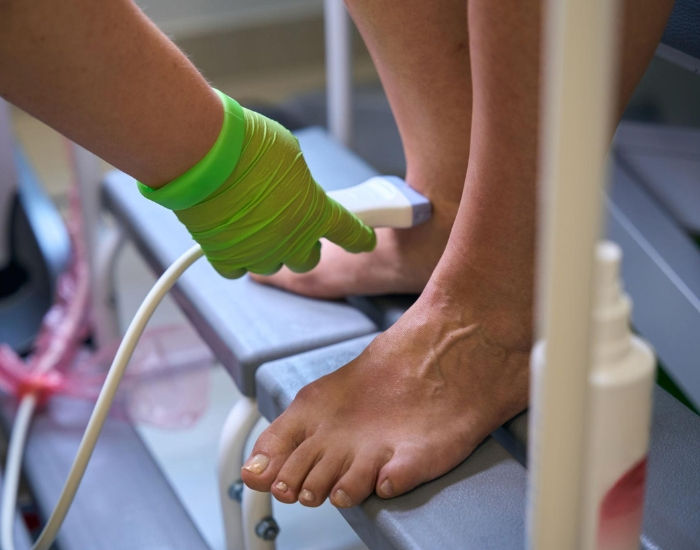
Quick Answer: Varicose veins are enlarged, twisted veins caused by leaking valves that let blood pool in the legs. Varicose vein treatment today is done almost entirely in the office: a duplex ultrasound finds the leaking vein, which is then sealed from the inside with radiofrequency or laser ablation or a non-thermal method, and the remaining surface veins are treated with sclerotherapy or removed through tiny nicks. Procedures usually take under an hour with local anesthesia, and most people walk out and return to normal activity within a day or two.
Understanding Varicose Veins: Varicose veins are enlarged, swollen, and twisted veins that usually appear dark purple or blue. They often develop in the legs and feet, where blood has to travel against gravity to return to the heart. This condition occurs when the valves within the veins weaken or become damaged, causing blood to pool in the veins and leading to their enlargement.

Meet your vein specialist
Dr. Syed Raza, MD
Vascular & Interventional Radiology · Founder, Premier Vein & Vascular Center
Fellowship-trained interventional radiologist certified by the American Board of Radiology and the Royal College of Radiologists (UK). Former Chief of Interventional Radiology at UTMB Galveston and Memorial Hermann Memorial City, with 15+ years treating varicose veins, venous reflux and peripheral arterial disease.
Causes and Risk Factors: Several factors contribute to the development of varicose veins, including:
- Genetics: A family history of varicose veins increases the likelihood of developing the condition.
- Age: The risk of varicose veins increases with age as the veins lose elasticity and become weaker.
- Gender: Women are more likely to develop varicose veins, especially during pregnancy due to hormonal changes and increased pressure on the veins.
- Prolonged Standing or Sitting: Occupations that involve long periods of standing or sitting can contribute to the development of varicose veins.
- Obesity: Excess weight puts additional pressure on the veins, increasing the risk of varicose veins.

Symptoms: Varicose veins may present with the following symptoms:
- Visible, bulging veins that are dark purple or blue in color.
- Swelling in the legs, ankles, or feet.
- Aching or heaviness in the legs, especially after prolonged standing or sitting.
- Itching or burning sensation around the affected veins.
- Cramping or throbbing in the legs.
Treatment Options: Treatment for varicose veins aims to relieve symptoms, prevent complications, and improve the appearance of the affected veins. At Premier veind vascular center, our experts offer the best and latest treatment options. The choice of treatment depends on the severity of the condition and the patient’s preferences. Common treatment options include:
- Lifestyle Changes:
- Regular exercise to improve blood circulation and strengthen leg muscles.
- Avoiding prolonged periods of standing or sitting.
- Elevating the legs when resting to reduce swelling.
- Maintaining a healthy weight to reduce pressure on the veins.
- Compression Stockings:
- Compression stockings apply pressure to the legs, helping to improve blood flow and reduce swelling. They are particularly beneficial for individuals with mild to moderate varicose veins.
- Sclerotherapy:
- Sclerotherapy involves injecting a chemical solution into the affected veins, causing them to collapse and fade over time. It is suitable for smaller varicose veins and spider veins.
- Endovenous Laser Ablation (EVLA):
- EVLA is a minimally invasive procedure that uses radiofrequency or laser energy to heat and seal off the affected veins. It is highly effective for larger varicose veins and has a shorter recovery time compared to traditional surgery.
- Microphlebectomy:
- This outpatient minor surgical procedure is performed in our office and involves removing the affected veins through small incisions. While it is effective, it is usually reserved for severe cases of varicose veins.
Conclusion: Varicose veins can be a source of discomfort and self-consciousness for many individuals, but they don’t have to be a permanent problem. With the right treatment approach, symptoms can be alleviated, and the appearance of varicose veins can be improved. It’s essential for individuals experiencing symptoms of varicose veins to consult with our healthcare professionals at Premier vein and vascular center, Houston, for a proper diagnosis and personalized treatment plan. By addressing varicose veins early on, individuals can enjoy improved leg health and overall well-being.
Do My Varicose Veins Need Treatment?
Not every varicose vein has to be treated. Some people have a few small veins that never cause symptoms and never change. Others have veins that ache, swell and slowly damage the skin. The decision depends less on how the veins look and more on what they are doing to your leg.
In our practice, treatment is usually worth discussing when any of the following are present:
- Aching, heaviness, throbbing or night cramps that affect daily life
- Ankle or lower leg swelling, especially by the end of the day
- Brown or reddish discoloration, itchy eczema-like patches or hard skin around the ankles
- A painful, hot, firm cord along a vein (superficial thrombophlebitis)
- Bleeding from a vein, even once
- A leg wound that is slow to heal
- Veins that are clearly enlarging over time
If your veins bother you only because of how they look, treatment is still an option, but it is usually considered cosmetic. Either way, the first step is the same: finding out what is happening underneath with an ultrasound.
Complications of Untreated Varicose Veins
Varicose veins are part of a broader condition called chronic venous insufficiency. When the pressure in the veins stays high for years, it affects more than the vein itself. Fluid and blood cells leak into the surrounding tissue, the skin darkens and thickens, and its ability to heal falls. Possible complications include:
- Skin changes: staining, venous eczema and a tight, woody feeling above the ankle
- Venous ulcers: open wounds near the inner ankle that heal slowly
- Superficial thrombophlebitis: a clot and inflammation in a surface vein
- Deep vein thrombosis: varicose veins are linked with a higher risk of clots in the deep veins
- Bleeding: thin-walled veins near the skin can bleed heavily after a minor knock
Most people with varicose veins never develop these problems, but knowing the warning signs means you can act early, when treatment is simpler.
Modern Varicose Vein Treatment Options Compared
The way varicose veins are treated has changed a great deal. Traditional vein stripping in a hospital has largely been replaced by minimally invasive procedures performed in the office. The table below compares the main options.
| Treatment | Best for | Anesthesia | Typical return to activity |
|---|---|---|---|
| Radiofrequency or laser ablation | Leaking great or small saphenous veins | Local numbing along the vein | Walk immediately; most normal activity within a day or two |
| Non-thermal ablation | Saphenous veins, including where heat is less suitable | Often just numbing at the entry point | Walk immediately; usually back to routine the same or next day |
| Foam sclerotherapy | Branch varicose veins, recurrent veins, veins near ulcers | None or minimal | Same day |
| Ambulatory phlebectomy | Large, ropey surface veins | Local anesthesia | Usually within one to two days |
| Compression stockings | Symptom control, pregnancy, before or after treatment | None | Not applicable |
Thermal ablation
With radiofrequency ablation or endovenous laser, a thin catheter is placed into the leaking vein through a needle puncture, usually near the knee. Numbing fluid is injected around the vein under ultrasound, and then heat is delivered as the catheter is withdrawn, sealing the vein shut. Blood immediately reroutes through healthy deep veins.
Non-thermal ablation
Non-thermal vein ablation closes the vein with a medical adhesive or a medicated foam rather than heat. Because heat is not used, fewer numbing injections are needed, which many patients find more comfortable. It can be particularly useful for veins close to nerves or the skin.
Foam sclerotherapy and phlebectomy
Once the main leaking vein is closed, the visible branches often shrink. Any that remain can be closed with foam sclerotherapy under ultrasound guidance, or removed through tiny nicks with phlebectomy. Many treatment plans combine an ablation with one of these to achieve both relief of symptoms and a good cosmetic result.
How We Evaluate Varicose Veins
At Premier Vein and Vascular Center, the plan is built on what the ultrasound shows, not on how the veins look from the outside.
- Focused history. We review your symptoms, how they affect your day, pregnancies, prior clots, previous vein treatments, medications and family history.
- Standing examination. We examine your legs upright to see the full pattern of veins and check for swelling and skin changes.
- Venous duplex ultrasound. A venous ultrasound in our IAC-accredited vascular lab maps the veins, measures reflux and rules out clots in the deep veins.
- A clear plan. We explain which vein is the source, the treatment options that fit, how many visits are likely, what recovery involves and what insurance usually requires.
What Treatment Day and Recovery Look Like
For an ablation, you arrive, change into shorts, and the leg is cleaned and mapped with ultrasound. After numbing, the procedure itself usually takes 30 to 60 minutes. Most patients describe pressure and some stinging from the numbing injections rather than pain. You put on a compression stocking, take a short walk and go home.
Over the next few days, a pulling or tight feeling along the inner thigh or calf and some bruising are common and usually respond to walking and over-the-counter pain relief. We typically recommend:
- Walking several times a day starting the same day
- Wearing compression for the period your specialist advises, often one to two weeks
- Avoiding heavy lifting and strenuous exercise for about a week
- Avoiding hot tubs and long baths for a few days
- A follow-up ultrasound within a few days to confirm the vein is closed and the deep veins are clear
Symptoms such as heaviness and aching often improve within the first few weeks. Bulging branches gradually soften and shrink over the following months, and any remaining ones can be treated afterward.
Call 911 or seek emergency care if you notice:
- Sudden swelling, pain and warmth in one leg
- Chest pain, shortness of breath or coughing up blood
- Bleeding from a varicose vein that does not stop with firm pressure and leg elevation
- A spreading red, hot area on the leg with fever
Does Insurance Cover Varicose Vein Treatment?
When varicose veins cause symptoms such as pain, swelling, heaviness or skin changes, and an ultrasound shows reflux, treatment is often considered medically necessary. Most insurance plans, including Medicare, cover medically necessary vein treatment, though many plans require documentation of symptoms and a trial of compression stockings first. Treatment of spider veins or small veins for appearance alone is generally considered cosmetic. Our team reviews your coverage and explains any requirements before treatment begins.
Questions to Ask Before Choosing a Vein Treatment
A good vein consultation should leave you understanding exactly why a particular treatment is being recommended. These questions help you get the most out of your visit:
- Which vein is leaking, and how did the ultrasound show it?
- Are my deep veins healthy, and is there any sign of an old or new clot?
- Why is this treatment the best fit for my veins rather than another option?
- Will the bulging branches need a second treatment after the main vein is closed?
- How many visits should I expect, and how far apart?
- What will I feel during the first week, and what activities should I avoid?
- What does my insurance require before treatment, such as a trial of compression?
Patients who ask these questions tend to feel more comfortable with their plan and know what to expect at each stage, which makes recovery smoother.
Varicose Vein Treatment in Houston
If you live in Houston, Katy or the surrounding area and your legs ache, swell or show bulging veins, you do not have to simply live with it. At our Houston vein clinic, Dr. Syed Raza, a fellowship-trained interventional radiologist with more than 15 years of experience treating varicose veins and venous reflux, performs each evaluation and procedure. Our practice has provided vein care for more than 20 years, and same-week appointments are usually available. Call (832) 321-5355 to schedule a visit.
Talk With a Specialist at Premier Vein
Have questions about your symptoms or treatment options? Dr. Syed Raza and the team at Premier Vein & Vascular Center can evaluate your concerns and explain your options clearly. Same-week appointments are usually available, and most insurance plans are accepted.
Frequently Asked Questions
What is the most effective treatment for varicose veins?
For varicose veins caused by a leaking saphenous vein, endovenous ablation, either thermal or non-thermal, is generally the first-line treatment recommended by vein specialty guidelines. Remaining branches are then treated with sclerotherapy or phlebectomy.
Is varicose vein treatment painful?
Most patients feel only the numbing injections and some pressure during the procedure. Afterward, mild tightness, tenderness and bruising for several days are common and usually controlled with walking and over-the-counter pain relief.
How long does it take to recover from varicose vein treatment?
Most people walk out of the office and return to work and normal daily activities within a day or two. Strenuous exercise and heavy lifting are usually avoided for about a week.
Can varicose veins come back after treatment?
A properly closed vein rarely reopens, but new varicose veins can develop over time because the tendency remains. Regular activity, compression during long periods of standing and follow-up when symptoms return help keep legs healthy.
Is it safe to close a vein in my leg?
Yes. The leg has many veins, and the superficial veins that are treated carry only a small share of the blood. Once a leaking vein is closed, blood reroutes through healthy veins, which usually improves circulation.
Do I need to stop blood thinners before vein treatment?
Many vein procedures can be done safely while you continue blood thinners. Never stop a prescribed medication on your own; your vein specialist will coordinate with the prescribing doctor if any change is needed.
Will my legs look better right after varicose vein treatment?
Not immediately. Bruising and tenderness are common for the first week or two, and bulging veins shrink gradually over several weeks to a few months. Many patients notice relief of aching and heaviness before the cosmetic change is complete.
ABOUT PREMIER VEIN & VASCULAR CENTER: Premier Vein & Vascular Center, a leading vein clinic in Houston and among the top specialized vein treatment clinics in the USA, has provided expert vein care for over 20 years. The center offers minimally invasive treatments for varicose veins, spider veins, and deep vein thrombosis, led by Dr. Syed Raza, MD, a Board-Certified Vein Specialist and Interventional Radiologist. Dedicated to pain-free, healthier living, the clinic delivers cutting-edge, patient-centered care for optimal results.
Trusted Health Resources
- Chronic Venous Insufficiency, Society for Vascular Surgery
- Venous Insufficiency, MedlinePlus Medical Encyclopedia (NIH)
- Varicose Veins and Spider Veins, MedlinePlus (NIH)