
If you have been diagnosed with venous insufficiency and you live near Houston, it’s time to consult a vein specialist to discuss how you can prevent venous ulcers from forming. Venous ulcers are wounds that can develop because of poor blood circulation, as with the case of venous insufficiency. You can learn more about venous insufficiency and ulceration by watching this video.
Quick Answer: A venous ulcer is an open wound, usually on the inner ankle or lower leg, caused by long-standing high pressure in the leg veins (chronic venous insufficiency). It typically starts after months or years of swelling, skin darkening and itching, and it heals slowly because the pressure that caused it is still there. Lasting healing depends on two things together: good wound care with compression, and finding and treating the faulty veins underneath with a duplex ultrasound and a minimally invasive vein procedure.
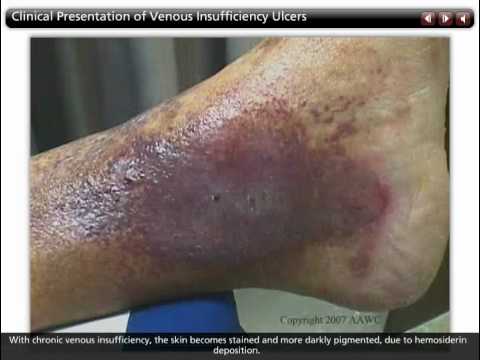
You’ll learn where venous ulcers are usually located and what they typically look like. This video also explains some of the medical issues commonly associated with venous ulcers, including cellulitis, dermatitis, dry skin, and edema. Because venous ulcers are slow to heal, patients can expect that they will need specialized wound care services.

Meet your vein specialist
Dr. Syed Raza, MD
Vascular & Interventional Radiology · Founder, Premier Vein & Vascular Center
Fellowship-trained interventional radiologist certified by the American Board of Radiology and the Royal College of Radiologists (UK). Former Chief of Interventional Radiology at UTMB Galveston and Memorial Hermann Memorial City, with 15+ years treating varicose veins, venous reflux and peripheral arterial disease.
What a Venous Ulcer Actually Is
A venous ulcer is not an infection and it is not a skin disease in the usual sense. It is the end stage of a pressure problem. Healthy leg veins have one-way valves that keep blood moving up toward the heart. When those valves stop closing properly, blood falls back down the leg every time you stand. Doctors call this backward flow reflux, and the condition it creates is chronic venous insufficiency.
Over months and years, that constant high pressure at the ankle pushes fluid, proteins and red blood cells out of the small vessels and into the surrounding tissue. The skin gradually becomes swollen, discolored, thickened and fragile. Eventually a minor bump, a scratch or even dry, cracked skin is enough to open a wound that the damaged tissue cannot close on its own. That wound is the venous ulcer.
Venous ulcers are the most common type of leg ulcer. They are seen far more often in people over 60, but we also treat working adults in their 40s and 50s who have lived with untreated varicose veins for many years.
Where Venous Ulcers Form and What They Look Like
Most venous ulcers appear in what is called the gaiter area, the band of skin between the ankle bone and the lower calf, and especially just above the inner ankle. This is where vein pressure is highest when you are upright.
Typical features include:
- A shallow wound with irregular, sloping edges rather than a punched-out crater
- A red or yellowish base, often with moderate drainage that can soak through a dressing
- Brown or reddish-purple staining of the surrounding skin (hemosiderin deposits)
- Swelling of the ankle and lower leg that is worse at the end of the day
- Hard, tight or shiny skin around the wound (lipodermatosclerosis)
- Itching, eczema-like rash or scaling of the nearby skin
- Visible varicose veins or small dilated veins around the ankle
Pain varies a great deal. Some patients describe only an ache and heaviness that improves when they raise their legs. Others have a sore, stinging wound that makes it hard to sleep. Pain that is severe and gets worse when the leg is raised is a warning sign that the arteries may also be involved, which is discussed below.
The Warning Signs Before an Ulcer Opens
One of the most important things we tell patients is that venous ulcers rarely come out of nowhere. The skin usually gives a warning for a long time first. If you notice these changes, this is the right moment to have your veins checked, before the skin breaks down:
- Ankle swelling that leaves a sock mark and returns every evening
- New brown or purple discoloration around the ankles
- Persistent itching or a scaly, eczema-like patch on the lower leg
- Skin that feels firm, tight or woody above the ankle
- A small white, scar-like patch of skin (atrophie blanche)
- Varicose veins that have been getting larger or more painful
Treating the underlying vein problem at this stage is far easier, faster and more comfortable than healing an open wound later.
Who Is Most at Risk?
Anything that damages the vein valves or keeps pressure high in the leg veins raises the risk of ulceration. The most common risk factors we see are:
- Long-standing varicose veins or diagnosed venous insufficiency that has never been treated
- A previous deep vein thrombosis (DVT), which can scar the deep veins and their valves (post-thrombotic syndrome)
- Jobs that involve standing for long hours, such as nursing, teaching, retail, hospitality and manufacturing
- Excess body weight, which increases pressure in the abdominal and leg veins
- Multiple pregnancies and a family history of vein disease
- Reduced mobility or stiff ankles, because the calf muscle pump that pushes blood up the leg works poorly
- Older age, along with diabetes or heart failure, which can slow healing further
Venous, Arterial or Diabetic? Why the Type of Ulcer Matters
Not every leg wound is venous, and the treatment for one type can be harmful for another. Strong compression is the backbone of venous ulcer care, but it can be dangerous if the arteries are significantly narrowed. That is why every leg ulcer deserves a proper vascular assessment before treatment begins.
| Feature | Venous ulcer | Arterial ulcer | Diabetic (neuropathic) ulcer |
|---|---|---|---|
| Usual location | Inner ankle and lower calf | Toes, heel, top of the foot, shin | Pressure points on the sole of the foot |
| Appearance | Shallow, irregular edges, moist | Punched-out, pale or dry base | Surrounded by thick callus |
| Pain | Aching, better with leg raised | Severe, worse with leg raised or at night | Often little pain due to nerve damage |
| Surrounding skin | Swollen, brown, itchy, hardened | Cool, shiny, hairless, weak pulses | Dry, cracked, reduced sensation |
| Key test | Venous duplex ultrasound | Ankle-brachial index (ABI) | Foot exam, sensation and pulse testing |
Some patients have more than one problem at the same time, for example vein reflux together with peripheral arterial disease. Identifying this mixed picture early changes how much compression is safe and which treatment comes first.
Why Venous Ulcers Are So Slow to Heal
Patients are often frustrated that a wound has been dressed for months without closing. The reason is simple: dressings treat the surface, but the pressure that caused the wound is still pushing on it from below every time the patient stands up. The tissue around a venous ulcer is also starved of healthy circulation, swollen and inflamed, which slows every stage of repair.
Healing becomes much more predictable once two things happen together. First, the swelling is controlled with consistent compression. Second, the refluxing veins that keep the pressure high are found and closed. Large clinical trials of early vein ablation in patients with venous ulcers have shown faster healing and fewer recurrences when the faulty veins are treated rather than left alone.
How We Evaluate a Leg Ulcer
At Premier Vein & Vascular Center, the first visit is about understanding exactly why the wound has formed.
- History and examination. We look at the wound, the surrounding skin, swelling and pulses, and review your medical conditions, medications, previous clots and how long the wound has been present.
- Arterial check. An ankle-brachial index compares blood pressure at the ankle and the arm. It tells us whether compression is safe and whether poor arterial flow is part of the problem.
- Venous duplex ultrasound. This painless scan maps the superficial and deep leg veins and measures reflux. It shows which veins are failing and whether there is old clot or blockage in the deep veins.
- A clear plan. We explain what the testing found, which veins are responsible and how wound care and vein treatment will fit together, and we coordinate with your wound care provider or primary care doctor.
Treatment Options for Venous Ulcers
Compression therapy
Compression is the foundation of healing. Multilayer bandages or properly fitted medical-grade stockings squeeze the leg from the ankle upward, reduce swelling and help the calf muscle push blood back toward the heart. Compression should be prescribed only after the arteries have been checked.
Wound care
Good wound care keeps the ulcer clean, manages drainage, protects the fragile surrounding skin and watches for infection. Signs such as spreading redness, increasing pain, warmth, a bad odor or fever need prompt medical attention.
Treating the faulty veins
Closing the veins that are causing reflux lowers the pressure at the ankle and is one of the most effective ways to speed healing and prevent the ulcer from coming back. Depending on the ultrasound findings, options include endovenous thermal ablation, non-thermal vein ablation and ultrasound-guided foam sclerotherapy for the smaller veins that feed the wound. These are done in the office under local anesthesia, take about an hour, and most patients walk out and return to light activity the same day.
Everyday habits that support healing
- Raise your legs above heart level for 20 to 30 minutes several times a day
- Walk regularly and do ankle pumps to keep the calf muscle working
- Avoid standing or sitting still for long periods without moving
- Moisturize the skin around the ulcer, but not the wound itself, to prevent cracking
- Stop smoking, which reduces blood flow and slows wound repair
- Keep blood sugar well controlled if you have diabetes
Preventing a Venous Ulcer From Coming Back
Once an ulcer heals, the skin underneath remains vulnerable, and recurrence is common when the vein problem is left untreated. Continuing compression, staying active, managing weight and having the refluxing veins treated all lower the chance of the ulcer reopening. We also recommend a follow-up ultrasound if swelling or skin changes return.
Seek urgent medical care if you notice:
- Sudden swelling, pain and warmth in one leg, which may be a deep vein thrombosis
- Chest pain or sudden shortness of breath
- Spreading redness, red streaks, fever or chills around a wound
- A foot or leg that becomes cold, pale or numb
- Heavy bleeding from a varicose vein or ulcer that does not stop with firm pressure and leg elevation
Venous Ulcer Care in Houston
If you live in Houston, Katy or the surrounding area and have a leg wound that has not healed within a few weeks, or skin changes around your ankles that are getting worse, it is worth having a Houston vein specialist look at the veins underneath. Dr. Syed Raza and our team perform the arterial and venous testing in our accredited vascular lab, explain the findings clearly and, when vein reflux is driving the problem, treat it with minimally invasive procedures in the office. You can learn more about our approach on our venous ulcer treatment page.
Talk With a Specialist at Premier Vein
Have questions about your symptoms or treatment options? Dr. Syed Raza and the team at Premier Vein & Vascular Center can evaluate your concerns and explain your options clearly. Same-week appointments are usually available, and most insurance plans are accepted.
Frequently Asked Questions
Can a venous ulcer heal on its own?
Small ulcers sometimes close with rest, elevation and compression, but they tend to reopen because the vein pressure that caused them has not changed. Lasting healing is far more likely when the underlying reflux is diagnosed with an ultrasound and treated.
How long does a venous ulcer take to heal?
It depends on the size of the wound, how long it has been present and whether the faulty veins are treated. Many ulcers improve within a few weeks to a few months with consistent compression and vein treatment, while large or long-standing ulcers can take longer.
Is a venous ulcer dangerous?
A venous ulcer is not usually life-threatening, but it can become infected, cause significant pain and limit mobility. Spreading redness, fever, red streaks or rapidly worsening pain need prompt medical care.
Should I wear compression stockings if I have a leg ulcer?
Compression is a key part of healing venous ulcers, but it should only be used after your arterial circulation has been checked. If the arteries are narrowed, strong compression can reduce blood flow and cause harm.
What doctor treats venous ulcers?
Venous ulcers are best managed by a team that includes a vein specialist, such as a vascular or interventional radiologist, together with a wound care provider. The vein specialist finds and treats the faulty veins while the wound is cared for.
Does insurance cover treatment for venous ulcers?
Most insurance plans, including Medicare, cover the evaluation and medically necessary treatment of venous ulcers and chronic venous insufficiency. Our team can check your specific coverage before treatment.
Trusted Health Resources
- Chronic Venous Insufficiency, Society for Vascular Surgery
- Venous Insufficiency, MedlinePlus Medical Encyclopedia (NIH)
- Varicose Veins and Spider Veins, MedlinePlus (NIH)