

Meet your vein specialist
Dr. Syed Raza, MD
Vascular & Interventional Radiology · Founder, Premier Vein & Vascular Center
Fellowship-trained interventional radiologist certified by the American Board of Radiology and the Royal College of Radiologists (UK). Former Chief of Interventional Radiology at UTMB Galveston and Memorial Hermann Memorial City, with 15+ years treating varicose veins, venous reflux and peripheral arterial disease.
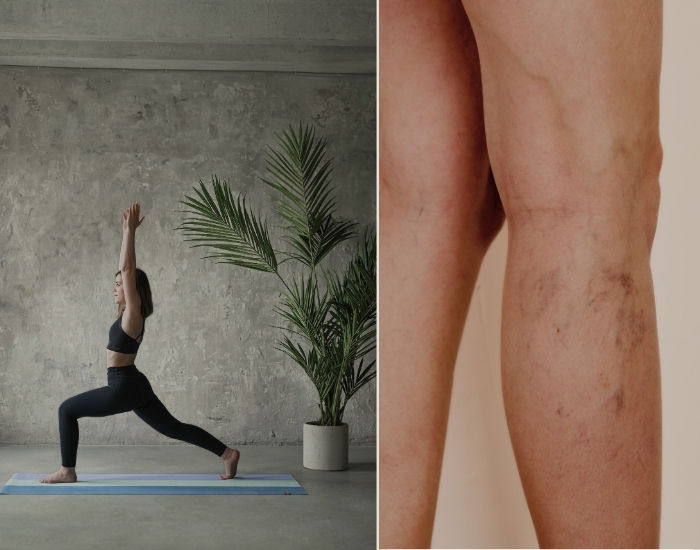
Yoga for Varicose Veins: Before and After Treatment-Houston, TX
What are varicose veins, and why do they develop? Varicose veins occur when veins begin to bulge or collapse. This collapse causes the vein to start to press outward and become visible. Many times, these veins can appear gnarled or twisted. Varicose veins can occur anywhere on the body but are most commonly found in the legs and feet. This is because there is more pressure put on the legs and feet than any other area of the body. Varicose veins are unsightly, but they also can be a threat to good health. Because varicose veins cause fluctuations in blood flow, they can cause damage to the heart. There are several treatments for varicose veins. One area that is proving to be very effective is the use of exercise to alleviate varicose veins. Specifically, yoga has recently been used as an effective form of exercise to prevent and manage varicose veins.

How Does Premier Vein and Vascular Center support patients in managing varicose veins?
At Premier Vein and Vascular, we utilize many types of treatments to manage varicose veins.
- Endovenous Thermal Ablation
This procedure entails inserting a catheter into a vein and using a radio frequency to seal the vein shut. - Ambulatory Phlebectomy
This procedure uses a small incision in the skin to break through and remove the damaged portion of the vein. - Sclerotherapy
Injecting a chemical into the vein can cause the vein to close and eventually be absorbed into the body. A scar will initially appear, but it will go away over time. - Non-thermal Vein Ablation
Another form of treatment, non-thermal vein ablation, uses another substance, such as a sealant or a medication, to close the vein. - Yoga for Varicose Veins
Recent studies have shown that yoga is a very effective method of treatment for varicose veins. This treatment is becoming more widely used to alleviate the symptoms of varicose veins.
Benefits of Yoga for Varicose Veins
Interestingly, yoga has been proven to be a source of relief from varicose veins. In fact, yoga has been proven to alleviate the symptoms of varicose veins and even cure them.
Pre-Treatment: How Yoga Can Help Manage Varicose Vein Symptoms
Yoga can be effective in the fight against varicose veins in the following ways:
- Improving Circulation
Some yoga poses can help the flow of blood in the veins, reducing the pooling of blood in the veins. - Strengthening the Legs
Strong muscles in the legs help the veins in the leg to move blood through the body efficiently. - Reducing Swelling
Certain yoga poses, and other stretches can help blood flow away from the legs, reducing swelling. - Promoting Blood Flow
Yoga promotes blood flow throughout the entire body.
Yoga-Friendly Lifestyle Adjustments to Complement Treatment
Certain lifestyle adjustments can complement yoga for varicose vein treatment and promote good vein health. These practices can enhance the management and prevention of varicose veins.
- Adopt a Low-Impact Exercise Lifestyle
It’s important to stay active, and when you are being treated for varicose veins, that activity should remain low-impact. Swimming and cycling are two practical ways to keep active, heart-healthy, and fit through low-impact exercise. - Consume Vein-Friendly Foods
Here are some ways to eat foods that won’t put your veins at risk:- Increase Fiber Intake
Fiber can reduce the risk of constipation, a condition that can put pressure on the veins. It also helps lower cholesterol, which can build up in the veins. - Stay Hydrated
Increasing your water intake will increase circulation and improve heart health, decreasing the risk of varicose veins. - Limit Salt Intake
Salt consumption can cause swelling of the limbs and fluid retention. This kind of pressure is a risk factor for varicose veins, so reducing salt in the diet reduces that risk. - Eat Foods Rich in Antioxidants
Vitamins C and E are found in citrus fruits, nuts, leafy greens, and multiple other foods. Consumption of these nutrients can help strengthen the walls of the vein.
- Increase Fiber Intake
- Avoid High Heels
High heels can shorten the calf muscle, cutting off circulation in the leg, which can cause varicose veins. Therefore, low-heeled or flat shoes are best. - Avoid Standing or Sitting for Long Periods of Time
If your lifestyle requires standing and sitting for a long time, try walking around or taking stretch breaks.
Yoga After Varicose Vein Treatment: What to Expect
Yoga can also be effective after varicose vein treatment. However, it is essential to use caution when beginning or practicing any exercise. Before starting yoga, please consult with your doctor and make sure that it’s approved. Here’s what to expect when practicing yoga after varicose vein treatment.
- Start Slowly
- Only Use Vein-Friendly Poses
- Use Deep Breathing to Assist in Recovery
- Avoid Overly Strenuous Poses
- Stay Hydrated
Consultation with Premier Vein and Vascular Center in Houston, TX
In Houston, Texas, Premier Vein and Vascular Center is the clear choice for vein support. Our medical professionals are consummate experts in vein treatment, from vein treatment to fibroid treatment to other vascular procedures. We are known for our expertise in vein therapy. For more information, visit our website or schedule a consultation with our team.
Quick Answer: Yoga for varicose veins works best as a support for medical care. Gentle poses that raise the legs, activate the calf muscles and encourage deep breathing help move blood out of the legs, easing heaviness, aching and swelling. Before treatment, a short daily routine can relieve symptoms; after a procedure such as ablation or sclerotherapy, most people can return to gentle yoga within a few days, avoiding hot yoga, long inversions and strenuous poses for about two weeks. When vein valves have failed, closing the faulty vein is what removes the source of the problem.
How Yoga Helps Varicose Veins: The Mechanism
The leg veins return blood to the heart with help from three natural pumps, and gentle yoga engages all of them.
- The calf muscle pump. Each time the calf contracts, it squeezes the deep veins and pushes blood upward. Poses that flex and point the feet or rise onto the toes put this pump to work.
- Gravity. When the legs are raised above the heart, blood and fluid drain toward the body without the valves needing to hold them up. Legs-up poses take advantage of this directly.
- The breathing pump. Slow, deep breathing from the diaphragm changes the pressure inside the chest and abdomen with every breath, gently drawing blood from the legs toward the heart.
Yoga also supports a healthy weight, flexible ankles and stronger legs, all of which make it easier for the veins to do their job. It is best thought of as a way to relieve symptoms and support circulation alongside medical care. When valves have failed, the reflux itself usually needs treatment to remove the source of the problem.
Best Yoga Poses for Varicose Veins
These poses are gentle, accessible for most adults and focus on drainage and calf activation. Move slowly, breathe steadily and stop if anything hurts.
| Pose | How to do it | Why it helps | Caution |
|---|---|---|---|
| Legs up the wall | Lie on your back with your hips near a wall and rest your legs up the wall for 5 to 10 minutes | Uses gravity to drain blood and fluid from the legs | Avoid lying flat on your back in later pregnancy; use pillows under the hips if needed |
| Supine ankle pumps | Lying down with legs raised on a cushion, flex and point the feet slowly 20 times | Activates the calf pump while the legs are elevated | None for most people |
| Mountain pose with heel raises | Stand tall, rise slowly onto your toes, hold for two breaths, lower; repeat 10 to 15 times | Strengthens the calf muscles that pump blood upward | Hold a chair or wall for balance |
| Supported bridge | Lie on your back, knees bent, lift the hips and rest a block under the sacrum | Raises the pelvis gently and opens the hips | Skip if it causes back or neck discomfort |
| Reclined leg stretch | Lying down, raise one leg with a strap around the foot and hold for several breaths | Combines elevation with a hamstring and calf stretch | Keep the stretch gentle, especially after treatment |
| Cat-cow with deep breathing | On hands and knees, alternate arching and rounding the back in time with slow breaths | Encourages diaphragmatic breathing that assists venous return | Pad the knees if kneeling is uncomfortable |
A simple 15-minute evening routine
- Two minutes of slow belly breathing, seated or lying down
- Fifteen heel raises in mountain pose
- Cat-cow for one minute
- Reclined leg stretch, one minute each leg
- Supine ankle pumps, 20 repetitions
- Legs up the wall for five to eight minutes to finish
Many patients find this routine particularly helpful at the end of a long day on their feet, when heaviness and ankle swelling are at their worst.
Poses and Practices to Approach With Care
Not every style of yoga suits veins equally. A few practices are worth modifying, especially if your veins are symptomatic or you have recently had treatment:
- Hot yoga. Heat widens the veins and increases pooling and swelling. Many people with vein disease find heated classes make their legs feel worse, and they should be avoided for about two weeks after a vein procedure.
- Long static standing poses. Holding warrior or tree pose for minutes at a time keeps blood in the legs without much calf pumping. Shorter holds with movement between them are kinder to the veins.
- Deep kneeling or sitting on the heels for long periods, such as extended hero pose, can compress the veins behind the knee.
- Strenuous inversions such as headstands put strain on the body and are best avoided after treatment until your doctor clears you.
- Breath holding while straining raises abdominal pressure and pushes against the leg veins. Keep breathing smoothly through every pose.
Yoga After Vein Treatment: A Practical Timeline
The original article lists the principles. Here is how they usually translate into a week-by-week plan after a minimally invasive procedure such as endovenous thermal ablation, non-thermal ablation or sclerotherapy. Always follow the specific instructions you are given.
- Day of treatment and the next two days: walking is the priority, usually several short walks a day. Gentle ankle pumps and leg elevation are encouraged. Skip formal yoga sessions.
- Days three to seven: most people can start gentle, slow yoga focused on breathing, ankle movements and supported legs-up positions. Avoid deep stretches of the treated leg and anything that presses on tender areas.
- Weeks two to three: gradually return to your usual non-heated classes, still avoiding hot yoga, strenuous inversions and intense power sequences until your follow-up visit.
- After your follow-up ultrasound: once the treated vein is confirmed closed and there are no concerns, most people return to their full practice.
If you have been asked to wear compression stockings after treatment, you can wear them during gentle yoga. Mild tightness, a pulling sensation along the treated vein and some bruising are common in the first week or two and should ease steadily.
Stop and seek urgent medical care if, before or after treatment, you notice:
- New swelling, pain and warmth in one calf or thigh
- Sudden shortness of breath, chest pain or coughing up blood
- A hard, red, painful vein that is spreading, or fever
- Bleeding from a varicose vein that does not stop with firm pressure and leg elevation
How We Evaluate Varicose Veins Before Recommending Treatment
Yoga can make legs feel better, but it cannot show whether the valves are failing or how far the problem extends. That is what a vein evaluation is for.
- Focused history. We ask about your symptoms, how they change through the day and with exercise, your work, family history, pregnancies, previous clots and what you already do for your legs, including yoga or other exercise.
- Standing examination. We examine both legs upright, where veins show their true pattern, and look for swelling and skin changes around the ankles.
- Venous duplex ultrasound. Performed in our IAC-accredited vascular lab, this painless scan shows which valves leak and whether there are any old or new clots.
- A clear plan. We explain whether conservative care such as exercise and compression is enough, or whether a procedure would help, and how to keep up your activity before and after treatment.
When to See a Vein Specialist in Houston
If yoga and other exercise ease your symptoms but the aching, swelling or visible veins keep returning, or if you are noticing skin changes around your ankles, it is worth having your veins checked by a vein doctor in Houston. Dr. Syed Raza, a fellowship-trained interventional radiologist with more than 15 years of experience, and our team can explain what the ultrasound shows and help you plan both treatment and a return to the activities you enjoy. Same-week appointments are usually available, and most insurance plans, including Medicare, are accepted.
Talk With a Specialist at Premier Vein
Have questions about your symptoms or treatment options? Dr. Syed Raza and the team at Premier Vein & Vascular Center can evaluate your concerns and explain your options clearly. Same-week appointments are usually available, and most insurance plans are accepted.
Frequently Asked Questions
Is yoga good for varicose veins?
Yes, gentle yoga can help relieve symptoms such as heaviness, aching and ankle swelling by encouraging blood flow out of the legs. It supports, but does not replace, medical evaluation and treatment when the vein valves have failed.
Which yoga pose is best for varicose veins?
Legs up the wall is one of the most helpful, because it uses gravity to drain blood and fluid from the legs. Combining it with ankle pumps and heel raises adds calf muscle activation for a more complete effect.
Can I do hot yoga if I have varicose veins?
Heat widens the veins and can increase swelling and discomfort, so many people with varicose veins feel worse after heated classes. It is best avoided for about two weeks after a vein procedure and approached cautiously otherwise.
When can I do yoga after vein ablation?
Most people can start gentle, slow yoga within a few days of ablation, focusing on breathing and supported leg positions. Return to more strenuous or heated classes usually waits about two weeks or until your follow-up visit.
Should I wear compression stockings during yoga?
You can, and many patients find them helpful during standing poses, especially after treatment. For poses with the legs raised, compression is less important because gravity is already helping drainage.
Are inversions bad for varicose veins?
Gentle supported inversions, such as legs up the wall, are helpful for drainage. Strenuous inversions like headstands are not necessary for vein health and should be avoided in the first weeks after treatment.
ABOUT PREMIER VEIN & VASCULAR CENTER: Premier Vein & Vascular Center, a leading vein clinic in Houston and among the top specialized vein treatment clinics in the USA, has provided expert vein care for over 20 years. The center offers minimally invasive treatments for varicose veins, spider veins, and deep vein thrombosis, led by Dr. Syed Raza, MD, a Board-Certified Vein Specialist and Interventional Radiologist. Dedicated to pain-free, healthier living, the clinic delivers cutting-edge, patient-centered care for optimal results.
Trusted Health Resources
- Chronic Venous Insufficiency, Society for Vascular Surgery
- Venous Insufficiency, MedlinePlus Medical Encyclopedia (NIH)
- Varicose Veins and Spider Veins, MedlinePlus (NIH)