
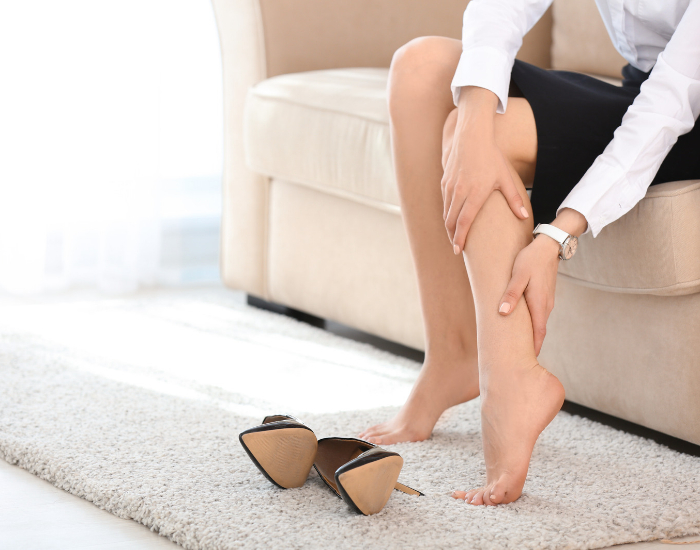
If your legs feel heavy and tired even after a normal day, it can become difficult to ignore. You may describe the feeling as heaviness, fatigue, weakness, pressure, aching, or as though your legs are harder to move than usual. Sometimes the sensation develops after standing or walking for hours. In other cases, your legs may feel heavy even when you have not been particularly active.
Heavy legs can have several causes. Long periods of standing or sitting, physical overuse, dehydration, muscle problems, certain medications, nerve conditions, and joint problems can all contribute. Vein and circulation disorders are also important possibilities, especially when leg heaviness occurs with swelling, aching, visible varicose veins, skin changes, or symptoms that worsen later in the day.
The key is to look at the pattern of the heaviness and the symptoms that occur with it. Persistent or worsening leg fatigue should not simply be dismissed as getting older or being tired.
Quick Answer: Legs can feel heavy and tired because of prolonged standing or sitting, muscle fatigue, venous insufficiency, varicose veins, peripheral artery disease, nerve problems, joint conditions, medications, and other medical issues. Heavy legs that worsen throughout the day, especially with ankle swelling, aching, or varicose veins, may be related to a vein problem. If heaviness occurs with walking and improves with rest, arterial circulation may need to be evaluated.
Table of Contents
- What Does It Mean When Your Legs Feel Heavy?
- What Causes Heavy, Tired Legs?
- 1. Chronic Venous Insufficiency
- 2. Varicose Veins
- 3. Standing or Sitting for Long Periods
- 4. Muscle Fatigue and Overuse
- 5. Peripheral Artery Disease
- 6. Nerve Problems
- 7. Joint and Musculoskeletal Problems
- 8. Leg Swelling and Fluid Retention
- 9. Other Possible Causes
- How Does Venous Disease Cause Heavy Legs?
- Could Heavy Legs Mean Poor Circulation?
- Symptoms That Can Occur With Heavy Legs
- How Are Heavy Legs Diagnosed?
- How Are Heavy, Tired Legs Treated?
- What Can You Do for Heavy Legs at Home?
- When Should You Worry About Heavy Legs?
- When to See a Vein Specialist in Houston
- Frequently Asked Questions
What Does It Mean When Your Legs Feel Heavy?
“Heavy legs” is not a specific medical diagnosis. It is a description people use for an uncomfortable feeling that their legs are tired, weighed down, fatigued, stiff, or difficult to move normally.
You might notice that:
- Your legs feel tired even after relatively little activity.
- Your calves feel full or pressured.
- Your legs ache after standing.
- Your feet or ankles become swollen.
- Your legs feel heavier toward the end of the day.
- You need to sit down or rest your legs more often.
- Your legs feel fatigued after walking.
- The sensation occurs together with cramps, itching, or aching.
The sensation can affect one leg or both legs. When both legs are affected and symptoms follow a predictable pattern throughout the day, a chronic condition such as venous disease may be worth investigating.
When heaviness develops suddenly in one leg, especially with swelling or pain, the situation is different and requires prompt medical assessment.

What Causes Heavy, Tired Legs?
There are many potential causes of leg heaviness. Some are temporary and relatively harmless, while others may require medical treatment.
Common causes include:
- Chronic venous insufficiency
- Varicose veins
- Prolonged standing or sitting
- Muscle fatigue or overuse
- Peripheral artery disease
- Nerve disorders
- Arthritis and other joint problems
- Leg swelling or edema
- Some medications
- Dehydration
- Being physically inactive
- Other medical conditions that affect circulation, muscles, nerves, or overall energy levels
The symptoms that accompany the heaviness often provide more information than the heaviness itself.
1. Chronic Venous Insufficiency
Chronic venous insufficiency (CVI) is one of the important vascular causes of heavy legs.
The veins in your legs have valves that help direct blood upward toward your heart. When those valves become weak or damaged, blood can flow backward and pool in the lower legs. This increases pressure within the veins and can contribute to swelling and other symptoms.
People with venous insufficiency may experience:
- Heavy or tired legs
- Aching or throbbing
- Lower-leg or ankle swelling
- Itching
- Leg cramps
- Varicose veins
- Skin discoloration
- Symptoms that become worse later in the day
Standing for long periods can make symptoms more noticeable because gravity makes it harder for blood to return from the legs.
Learn more about chronic venous insufficiency and managing chronic venous insufficiency.
2. Varicose Veins
Varicose veins are enlarged, twisted veins that commonly develop in the legs. They can occur when the valves inside veins do not work properly, allowing blood to pool.
Not everyone with varicose veins has symptoms. However, symptomatic varicose veins may cause:
- Heaviness
- Aching
- Throbbing
- Leg fatigue
- Swelling
- Itching
- Cramping
- Burning or discomfort
If your legs feel progressively heavier as the day goes on and you also have visible bulging veins, venous disease may be contributing to the problem.
Read more about what varicose veins are and how they are treated.
3. Standing or Sitting for Long Periods
Sometimes the explanation is closely connected to your daily routine.
Standing in one position for hours can cause blood to pool in the lower extremities and can place additional stress on the muscles and veins of the legs. Sitting for long periods also reduces the normal muscle activity that helps move blood through the legs.
This can lead to temporary:
- Leg fatigue
- Heaviness
- Swelling
- Aching
- Stiffness
If your symptoms consistently improve after walking, changing position, or resting with your legs elevated, prolonged inactivity may be contributing.
However, frequent or significant symptoms should not automatically be blamed on your routine. Persistent heaviness can sometimes be an early sign of an underlying vein disorder.
4. Muscle Fatigue and Overuse
Your leg muscles work throughout the day to support your body and keep you moving.
Unusually strenuous exercise, a new workout routine, long-distance walking, climbing stairs, or physically demanding work can cause muscle fatigue.
Muscle-related heaviness is often accompanied by:
- Soreness
- Tenderness
- Stiffness
- Temporary weakness
- Discomfort in a specific muscle group
Muscle fatigue generally improves with adequate recovery, sleep, hydration, and a gradual return to normal activity.
If your legs remain heavy for weeks despite adequate recovery, another cause should be considered.
5. Peripheral Artery Disease
Peripheral artery disease (PAD) is another circulation-related cause of leg discomfort.
PAD occurs when arteries supplying the legs become narrowed, reducing blood flow. Some people have no symptoms, while others develop pain, cramping, aching, fatigue, or weakness during physical activity.
A classic symptom pattern is intermittent claudication. Leg discomfort develops while walking or exercising and improves after stopping and resting.
Some people may describe the sensation less as “pain” and more as tired or heavy legs.
Other possible signs include:
- Cold feet
- Changes in skin color
- Slow-healing wounds on the feet or legs
- Reduced hair growth on the legs
- Leg weakness or fatigue
- Weaker pulses in the feet
If your legs repeatedly become heavy or uncomfortable after walking a predictable distance, particularly if the symptoms improve with rest, a vascular evaluation may be appropriate.
Learn more about peripheral artery disease.
6. Nerve Problems
Nerve problems can sometimes make the legs feel weak, fatigued, heavy, numb, or difficult to control.
Peripheral neuropathy is one example. Depending on the cause, neuropathy may produce:
- Numbness
- Tingling
- Burning
- Electric or shooting sensations
- Reduced sensation
- Muscle weakness
- Balance problems
Nerve compression in the lower back can also cause symptoms that travel down one or both legs.
When heaviness is accompanied by significant numbness, tingling, burning, or weakness, a neurological cause may need to be considered in addition to vascular causes.
7. Joint and Musculoskeletal Problems
Problems involving the hips, knees, ankles, or feet can make the legs feel tired or heavy because your muscles may have to work differently to compensate for pain or restricted movement.
Arthritis, tendon problems, previous injuries, and other musculoskeletal conditions can contribute to:
- Leg fatigue
- Stiffness
- Aching
- Reduced mobility
- Difficulty walking
If your leg heaviness is closely associated with joint pain, stiffness, or difficulty bearing weight, a musculoskeletal evaluation may be appropriate.
8. Leg Swelling and Fluid Retention
Swelling can make the legs feel physically heavy or full.
Swelling in the lower legs can occur for many reasons, including prolonged standing, venous insufficiency, certain medications, and some heart, kidney, or liver conditions.
When swelling is present, look at whether it:
- Affects both legs or only one
- Gets worse throughout the day
- Improves overnight
- Leaves sock marks around the ankles
- Occurs with varicose veins
- Appears suddenly
Gradual swelling in both legs can have a different cause from sudden swelling in one leg. Sudden one-sided swelling, especially with pain, warmth, or redness, requires prompt medical evaluation because a blood clot can cause these symptoms.
9. Other Possible Causes
Leg heaviness is sometimes associated with factors that are not directly related to veins or arteries.
Physical Inactivity
Low levels of physical activity can contribute to muscle deconditioning. Everyday activities may then make the legs feel more fatigued.
Dehydration
Inadequate fluid intake can contribute to fatigue and muscle discomfort, particularly during hot weather or periods of increased physical activity.
Medications
Some medications can contribute to swelling, muscle symptoms, fatigue, or other sensations in the legs. If symptoms begin after starting or changing a medication, discuss the timing with your healthcare professional rather than stopping the medication on your own.
Systemic Conditions
Conditions that affect the heart, kidneys, liver, thyroid, blood, or overall metabolism can sometimes contribute to fatigue or leg swelling.
When leg heaviness occurs alongside widespread fatigue, significant swelling, shortness of breath, or other systemic symptoms, a broader medical evaluation may be necessary.
How Does Venous Disease Cause Heavy Legs?
One of the most useful clues for venous disease is when your legs feel heavy.
Venous symptoms often become more noticeable after prolonged standing or sitting and may worsen as the day progresses. Elevating the legs or changing position may provide temporary relief.
You may also notice:
- Swollen ankles by evening
- Visible varicose veins
- Aching or throbbing
- Itchy skin
- Nighttime leg cramps
- Brownish skin discoloration around the ankles
- A feeling of pressure or fullness in the calves
This does not mean that every case of heavy legs is caused by venous disease. Instead, the combination of symptoms can help determine whether your veins should be evaluated.
Learn more about venous reflux symptoms and venous causes of leg swelling.
Could Heavy Legs Mean Poor Circulation?
Sometimes, but “poor circulation” is not one specific condition.
Problems involving veins and problems involving arteries affect circulation differently.
Venous Circulation Problems
Venous disease can cause heaviness, aching, swelling, itching, cramps, and fatigue. Symptoms may worsen after standing or sitting for long periods.
Arterial Circulation Problems
PAD can cause fatigue, cramping, aching, or heaviness during walking because the muscles require more blood during activity. Symptoms often improve after resting.
This distinction matters because the appropriate evaluation and treatment are different.
If you want to learn more about circulation, see our guide to possible circulation problems.
Helpful clue: Heavy legs that gradually become more uncomfortable during the day, particularly with swelling or visible varicose veins, may point toward venous disease. Heavy or tired legs that consistently develop during walking and improve after resting may warrant evaluation for PAD. Neither pattern is enough to establish a diagnosis without an appropriate examination.
Symptoms That Can Occur With Heavy Legs
Pay attention to the symptoms that accompany the heaviness.
Heavy Legs With Swelling
Heaviness with ankle or lower-leg swelling is commonly seen with venous disease, particularly when swelling worsens after standing.
Heavy Legs With Varicose Veins
Visible, enlarged veins combined with aching, heaviness, itching, or swelling can be consistent with symptomatic varicose veins.
Heavy Legs With Cramping
Leg cramps can occur for many reasons. They may accompany venous disease, muscle fatigue, dehydration, medication effects, or other conditions.
Read more about leg cramps and vein disease.
Heavy Legs With Burning or Tingling
Burning, tingling, or numbness can suggest nerve involvement. These symptoms may occur with peripheral neuropathy or nerve compression.
Heavy Legs With Walking
If your legs consistently become heavy, painful, or tired while walking and the symptoms improve when you stop, PAD should be considered.
Heavy Legs With Skin Changes
Brown discoloration, redness, skin thickening, or sores can occur with advanced venous disease and should be medically evaluated.
How Are Heavy Legs Diagnosed?
There is no single test for “heavy legs.” The evaluation depends on your symptoms and medical history.
A healthcare professional may ask:
- When the heaviness started
- Whether it affects one or both legs
- Whether symptoms worsen throughout the day
- Whether standing makes them worse
- Whether walking triggers symptoms
- Whether rest improves them
- Whether your legs swell
- Whether you have varicose veins
- Whether you experience numbness or tingling
- Whether you have diabetes, high blood pressure, high cholesterol, or other vascular risk factors
- What medications you take
Physical Examination
The legs and feet may be examined for swelling, skin changes, varicose veins, temperature differences, wounds, pulses, and other signs that may indicate a vascular or nonvascular condition.
Venous Duplex Ultrasound
If venous insufficiency, reflux, or another vein problem is suspected, a duplex ultrasound can evaluate blood flow through the leg veins and help identify abnormal reflux or other venous abnormalities.
Ankle-Brachial Index
If PAD is suspected, an ankle-brachial index (ABI) may be used to compare blood pressure in the ankle with blood pressure in the arm. This is a common noninvasive test used to evaluate arterial circulation.
Additional Testing
Depending on your symptoms, your healthcare professional may recommend additional blood tests, imaging, neurological evaluation, or musculoskeletal assessment.
How Are Heavy, Tired Legs Treated?
There is no universal treatment for heavy legs because treatment depends on the underlying cause.
For Venous Disease
Depending on the severity and cause, treatment may include regular movement, leg elevation, compression therapy when appropriate, and treatment of abnormal veins.
For patients with symptomatic venous reflux or varicose veins, minimally invasive procedures may be considered after appropriate evaluation.
Learn more about minimally invasive varicose vein treatments.
For PAD
PAD treatment focuses on improving cardiovascular health and reducing the risk of disease progression. Depending on the individual situation, treatment can include exercise, smoking cessation, management of blood pressure, cholesterol and diabetes, medications, and vascular procedures when appropriate.
For Muscle Fatigue
Rest, gradual conditioning, appropriate hydration, and recovery may help when muscle overuse is responsible.
For Nerve Problems
Treatment depends on the cause of the nerve problem. Managing an underlying condition and addressing nerve irritation may help reduce symptoms.
For Joint Problems
Treatment may involve physical therapy, activity modification, medications, or other interventions depending on the specific joint or musculoskeletal condition.
What Can You Do for Heavy Legs at Home?
If your symptoms are mild and you have not been diagnosed with a condition requiring specific treatment, several general habits may help support healthy leg function.
- Take regular movement breaks if you sit for long periods.
- Avoid standing completely still for prolonged periods when possible.
- Walk regularly according to your abilities.
- Maintain a healthy body weight.
- Stay adequately hydrated.
- Elevate your legs when resting if swelling is an issue.
- Avoid smoking.
- Wear comfortable, supportive footwear.
- Follow your healthcare professional’s recommendations for managing diabetes, blood pressure, and cholesterol.
Compression stockings may help some people with venous symptoms, but they are not appropriate for everyone. People with significant arterial circulation problems should receive medical advice before using compression therapy.
Learn more about compression socks and varicose veins.
When Should You Worry About Heavy Legs?
Occasional leg fatigue after an unusually active day is usually different from persistent or progressive heaviness.
Schedule a medical evaluation if:
- Your legs feel heavy most days.
- The symptoms are gradually getting worse.
- Heaviness interferes with walking or normal activities.
- You develop persistent swelling.
- You have painful or increasingly prominent varicose veins.
- You develop skin discoloration or changes in the lower legs.
- You have wounds that heal slowly.
- Heavy legs occur predictably with walking.
- You have numbness, tingling, or weakness.
Sudden One-Sided Heaviness or Swelling
Sudden swelling or discomfort in one leg should not be assumed to be ordinary fatigue. A blood clot such as DVT can cause sudden swelling, pain, warmth, or redness in one leg and requires prompt medical evaluation.
Read about recognizing DVT symptoms.
Sudden Severe Leg Symptoms
Seek emergency medical attention if a leg suddenly becomes severely painful, cold, pale, blue, numb, weak, or difficult to move. These symptoms can indicate a serious reduction in arterial blood flow.
Chest Pain or Shortness of Breath
If leg symptoms occur with sudden chest pain, severe shortness of breath, fainting, or coughing up blood, seek emergency medical attention.
When to See a Vein Specialist in Houston
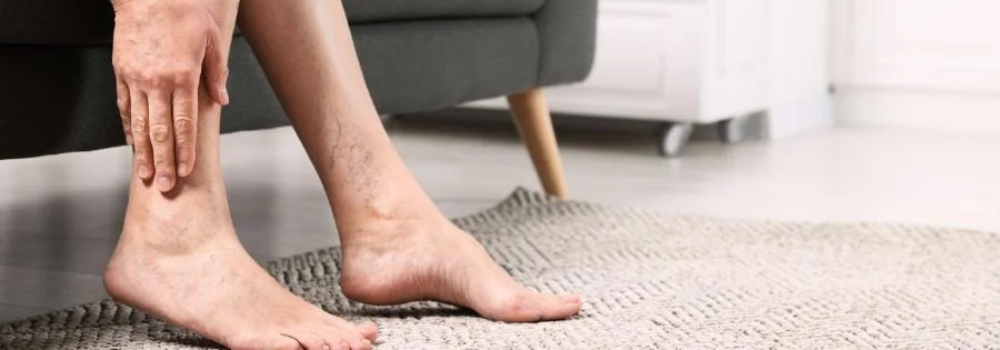
If your legs feel heavy on a regular basis, especially when the sensation is accompanied by swelling, aching, varicose veins, itching, cramps, or symptoms that become worse later in the day, a vein evaluation may help determine whether venous disease is contributing.
Premier Vein & Vascular Center provides evaluation and treatment for venous and vascular conditions affecting the legs, including varicose veins, venous insufficiency, venous reflux, peripheral artery disease, and other circulation problems.
A vascular specialist can review your symptoms and determine whether additional testing, such as venous duplex ultrasound or arterial circulation testing, is appropriate.
Learn more about when you should see a vein doctor in Houston.
Are Your Legs Constantly Heavy or Tired?
Persistent leg heaviness can sometimes be related to an underlying vein or vascular condition. If your symptoms are affecting your comfort, mobility, or daily routine, a professional evaluation can help identify the cause.
Call (832) 321-5355 to schedule a consultation with Premier Vein & Vascular Center.
Frequently Asked Questions
Why do my legs feel heavy and tired all the time?
Persistent heavy legs can have several causes, including chronic venous insufficiency, varicose veins, prolonged standing, muscle fatigue, peripheral artery disease, nerve problems, joint conditions, swelling, medications, and other medical conditions. The accompanying symptoms and timing help determine the most likely cause.
Are heavy legs a sign of poor circulation?
They can be. Venous disease can cause heaviness, aching, swelling, and fatigue, while peripheral artery disease can cause leg fatigue, aching, cramping, or heaviness during walking that improves with rest. Heavy legs can also occur for reasons unrelated to circulation.
Can varicose veins make your legs feel heavy?
Yes. Symptomatic varicose veins may cause heaviness, aching, swelling, itching, cramps, or fatigue, particularly when underlying venous reflux is present.
Why do my legs feel heavier at the end of the day?
Leg heaviness that increases later in the day can occur with venous disease because prolonged standing or sitting can contribute to blood pooling in the lower extremities. It can also result from ordinary muscle fatigue after a physically demanding day.
Can sitting all day cause heavy legs?
Yes. Long periods of sitting reduce regular leg movement and can contribute to stiffness, fatigue, and temporary swelling. If heaviness occurs regularly despite changing position and moving throughout the day, an underlying condition should be considered.
Can standing all day cause heavy legs?
Yes. Prolonged standing can contribute to leg fatigue and may make venous symptoms more noticeable. People with venous insufficiency may experience increased heaviness, aching, or swelling after spending much of the day on their feet.
Can peripheral artery disease cause heavy legs?
Yes. PAD can cause leg fatigue, aching, cramping, or heaviness during physical activity. A classic pattern is symptoms that develop during walking and improve after stopping and resting.
What can I do to relieve heavy legs?
Regular movement, avoiding prolonged sitting or standing, maintaining a healthy weight, staying hydrated, and elevating the legs when resting may help some people. If symptoms persist, the most effective treatment depends on identifying the underlying cause.
When should I see a doctor about heavy legs?
See a healthcare professional if your legs feel heavy most days, symptoms are worsening, or heaviness occurs with swelling, varicose veins, skin changes, wounds, numbness, weakness, or predictable walking-related symptoms. Sudden one-sided swelling or severe changes in a leg require prompt medical attention.
Can a vein specialist diagnose the cause of heavy legs?
A vein or vascular specialist can evaluate whether venous or arterial disease may be contributing to your symptoms. Depending on the findings, testing such as a venous duplex ultrasound or ABI may be recommended. If the symptoms suggest a nerve, joint, muscle, or systemic condition, additional evaluation may also be appropriate.
Final Thoughts
Having heavy, tired legs occasionally after a long day is common. However, when leg heaviness becomes persistent, predictable, or increasingly uncomfortable, it is worth considering why it is happening.
Venous insufficiency and varicose veins can cause heaviness, aching, swelling, and fatigue, particularly after prolonged standing or later in the day. PAD can cause leg fatigue or heaviness during walking that improves with rest. Muscle, nerve, joint, medication-related, and systemic causes can create similar sensations.
Rather than assuming that all heavy legs are caused by poor circulation, pay attention to the timing, triggers, location, and accompanying symptoms. That information can help your healthcare professional determine what should be evaluated.
If your legs feel heavy most days or the sensation is affecting your mobility and quality of life, consider discussing your symptoms with a qualified healthcare professional or vascular specialist.
Medical Disclaimer
This article is intended for educational and informational purposes only and does not constitute medical advice, diagnosis, or treatment. Leg heaviness can have many causes, and the appropriate evaluation depends on an individual’s symptoms, medical history, and physical examination. Do not use this article to self-diagnose or delay professional medical care. Seek prompt or emergency medical attention for sudden severe leg symptoms, sudden one-sided swelling, a cold or discolored limb, significant weakness or numbness, chest pain, or severe shortness of breath.