Leg Ulcer FAQs
How long does a normal wound take to heal?
Most minor wounds heal within two to four weeks. If a wound on the leg is still open after four to six weeks, it is considered an ulcer and should be evaluated.
What causes a leg ulcer?
Leg ulcers form when tissue is not receiving enough oxygen and nutrients to heal, most often due to poor circulation. Varicose veins, chronic venous insufficiency, blood clots, diabetes, obesity, and prolonged sitting or standing are common contributing factors.
Are leg ulcers the same as venous ulcers?
Not always. A venous ulcer is a leg ulcer specifically caused by vein problems such as chronic venous insufficiency. Leg ulcers can also result from arterial disease, diabetes, pressure, or other causes, so an evaluation is needed to identify the specific cause.
Can I treat a leg ulcer at home?
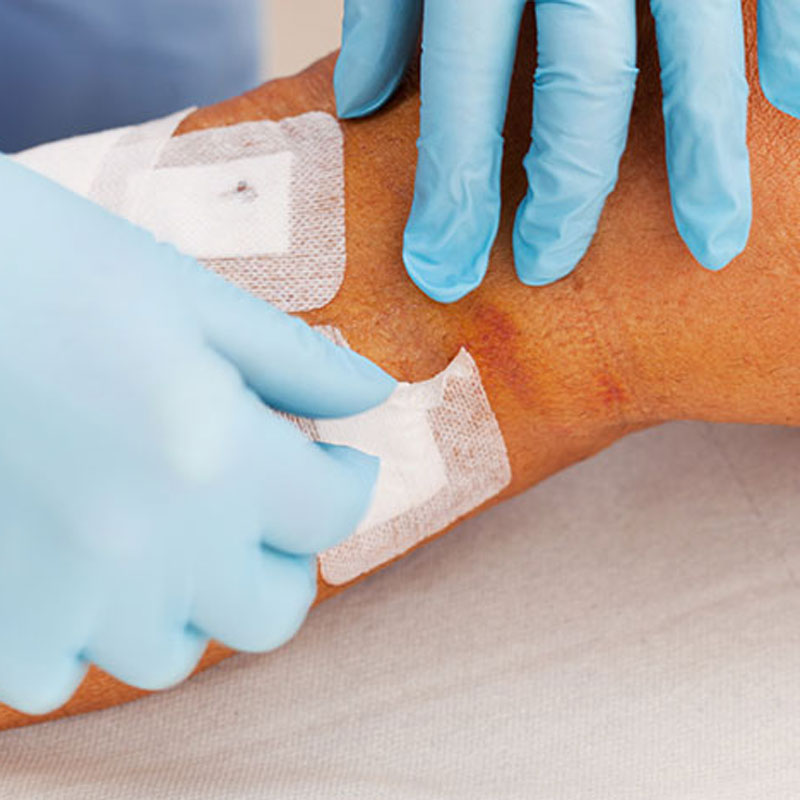
Compression bandages or socks, leg elevation, and proper wound bandaging can support healing, but a wound that is not closing needs a medical evaluation to identify and treat the underlying cause.
How do I know if my leg ulcer is infected?
Watch for increasing redness, swelling, fever, pus or foul-smelling discharge, and worsening pain around the wound. These signs call for prompt medical attention.
Is a leg ulcer dangerous if left untreated?
Yes. An untreated leg ulcer can grow larger, become more painful, and risks infection that can spread and cause more serious, systemic illness.
Will I need surgery for a leg ulcer?
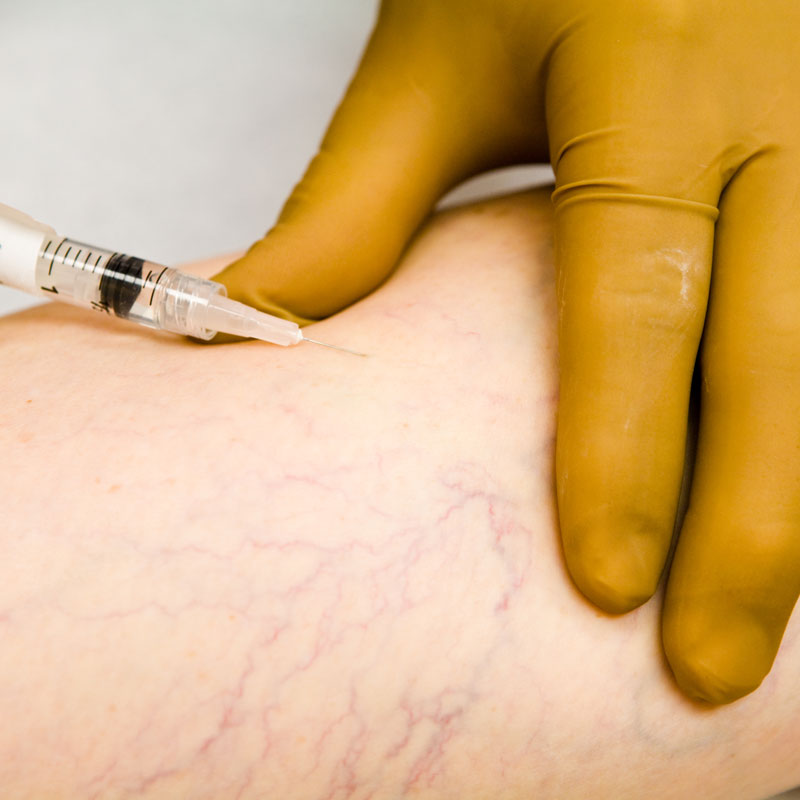
Not always. Many ulcers improve with compression therapy, elevation, and proper wound care. When varicose veins are the underlying cause, minimally invasive procedures such as sclerotherapy, endovenous ablation, or ambulatory phlebectomy may be recommended.
Does insurance cover leg ulcer treatment?
Yes, in most cases. Because leg ulcers are a medical condition, evaluation and treatment are typically covered by major insurance plans, including Medicare.
Who is most at risk for leg ulcers?
Risk increases with age, a history of varicose veins or blood clots, obesity, smoking, pregnancy, and jobs that involve long periods of standing or sitting.