Is sclerotherapy the same as foam sclerotherapy?
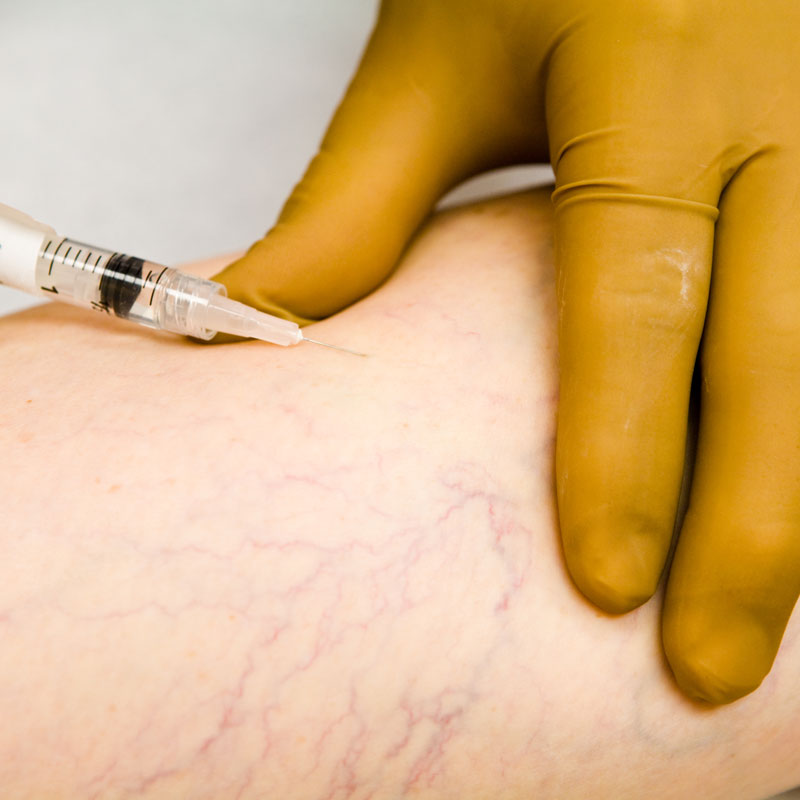
No. Standard sclerotherapy uses a liquid solution and is typically performed on smaller surface veins without ultrasound guidance.
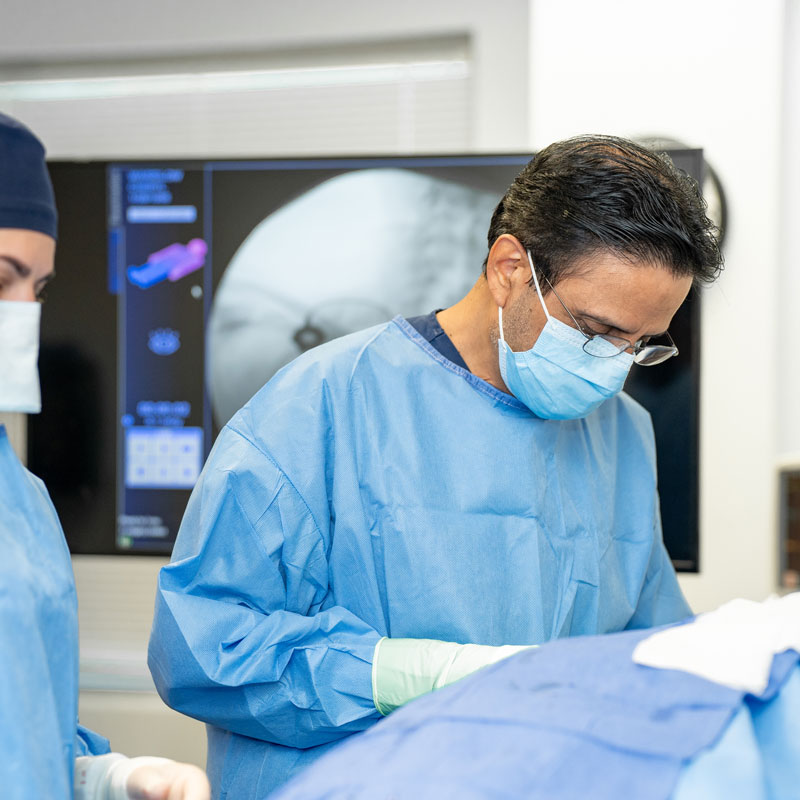
Foam sclerotherapy uses a foamed solution and ultrasound imaging, and is generally reserved for larger or deeper veins.
How long does a sclerotherapy session take?
Most sessions last 30–45 minutes, depending on the number and size of veins being treated.
Does sclerotherapy hurt?
Most patients feel mild discomfort from the needle punctures, but the procedure is generally well tolerated without the need for anesthesia.
How many treatments will I need?
This varies by patient. Some see their desired results after one session, while others with more extensive veins need a series of treatments.
When will I see results?
Results develop gradually over several weeks to months as the treated vein is reabsorbed by the body. It is not an immediate result.
Can I exercise after sclerotherapy?
Yes. Most patients can resume normal activity, including aerobic exercise, immediately after their appointment.
What should I avoid after treatment?
For a short period, avoid hot baths, whirlpools and saunas, heavy lifting over 50 pounds, and direct sun exposure on the treated area.
Are there side effects?
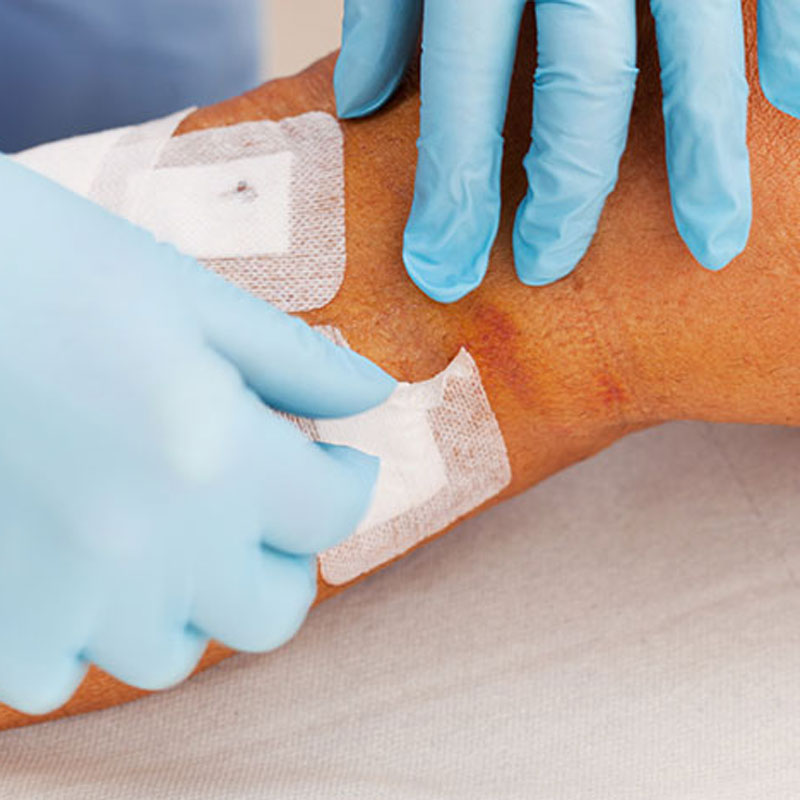
Mild itchiness (usually resolving within two days), redness at the injection site, and temporary brownish discoloration over the treated vein are common and expected.
Can pregnant women get sclerotherapy?
No, pregnant women are not candidates for sclerotherapy. Women on birth control, however, are able to receive treatment.
Is sclerotherapy covered by insurance?
Coverage depends on your plan and whether treatment is medically necessary versus purely cosmetic. Our team verifies benefits before treatment begins.