Varithena Treatment FAQs
What is Varithena?
Varithena is an FDA-approved, minimally invasive prescription microfoam injection used to treat varicose veins of the great saphenous vein system and other varicose veins in the leg.
How does Varithena work?
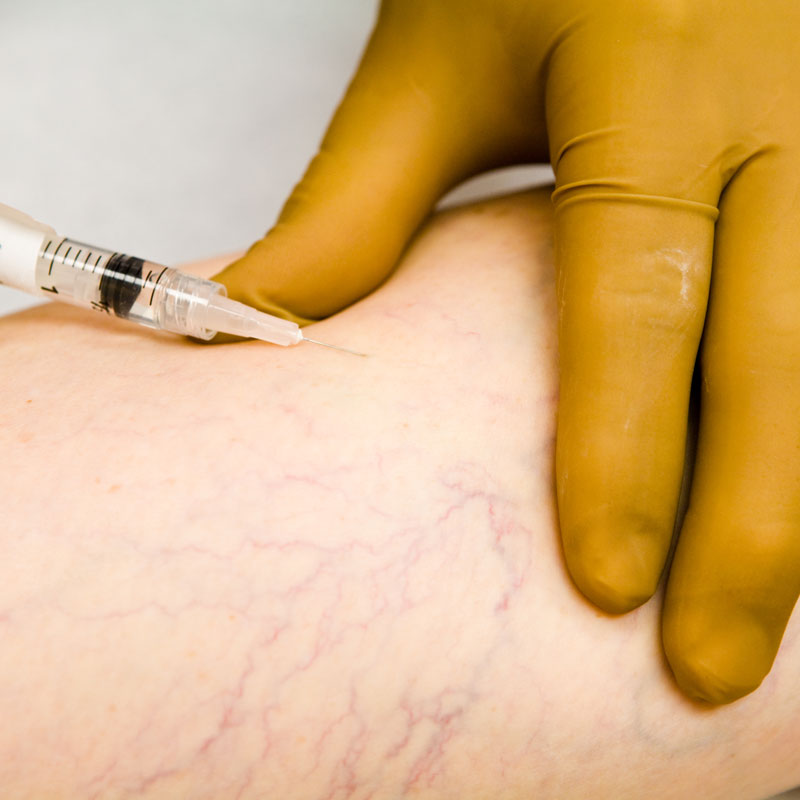
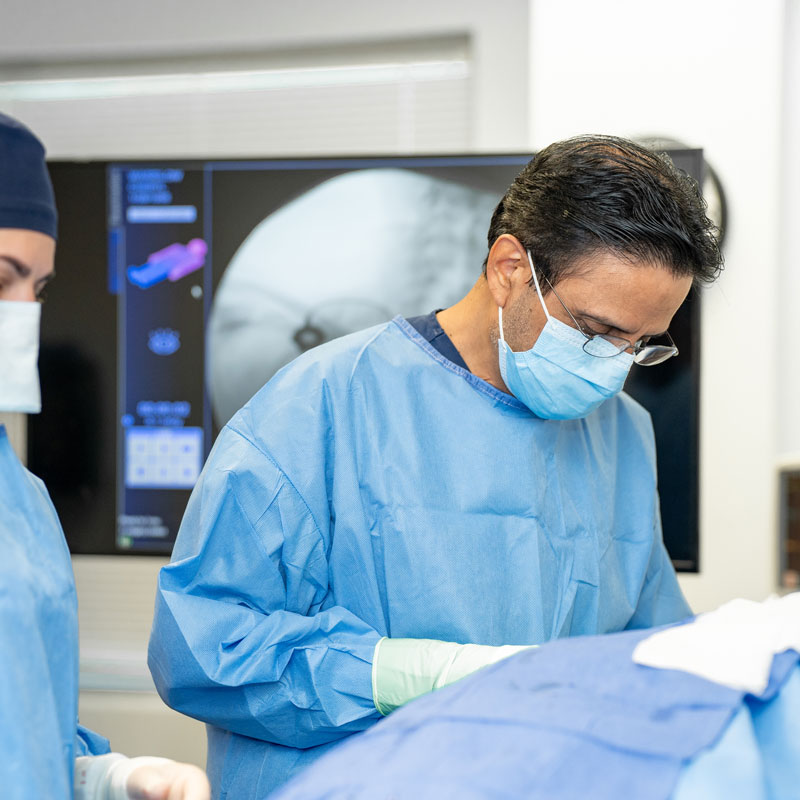
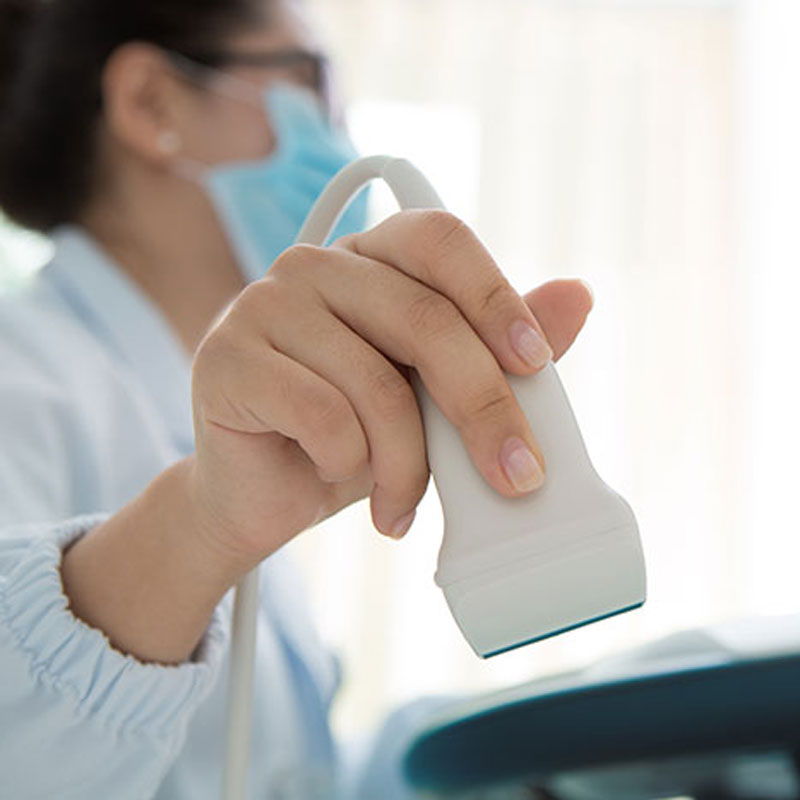
A controlled microfoam is delivered into the diseased vein through a small catheter or direct injection under ultrasound guidance. The foam causes the vein to collapse and deactivate, and blood naturally reroutes to nearby healthy veins.
Is Varithena surgery?
No. Varithena is a non-surgical treatment. It does not require an incision or general anesthesia, and it is performed in the office.
Is the Varithena procedure painful?
Most patients tolerate the procedure well. The injection site is numbed beforehand, and any discomfort is typically brief.
How long does treatment take?
The procedure is usually completed in under an hour, followed by a short observation period before you go home the same day.
Will I need more than one treatment?
Many patients see substantial improvement after a single treatment. Larger or more numerous varicose veins may require a series of treatments, generally spaced at least 5 days apart.
What are the side effects of Varithena?
Most side effects are mild and resolve within a week, including bruising, minor pain, skin discoloration, and localized swelling at the treatment site.
What is the most serious risk of Varithena?
As with other vein treatments, there is a risk of deep vein thrombosis (a blood clot in a deep vein). Symptoms include leg blueness, severe swelling, or pain. Contact your doctor immediately if these occur.
Is Varithena covered by insurance?
Varithena is often covered by insurance, including Medicare, when treatment is medically necessary for symptomatic varicose veins. Our team can help verify your benefits.
How is Varithena different from sclerotherapy?
Varithena uses an FDA-approved microfoam designed for the great saphenous vein and larger, hard-to-reach or twisted varicose veins, while traditional sclerotherapy with liquid solution is often used for smaller surface and spider veins.