Your Questions, Answered
What is venous disease?
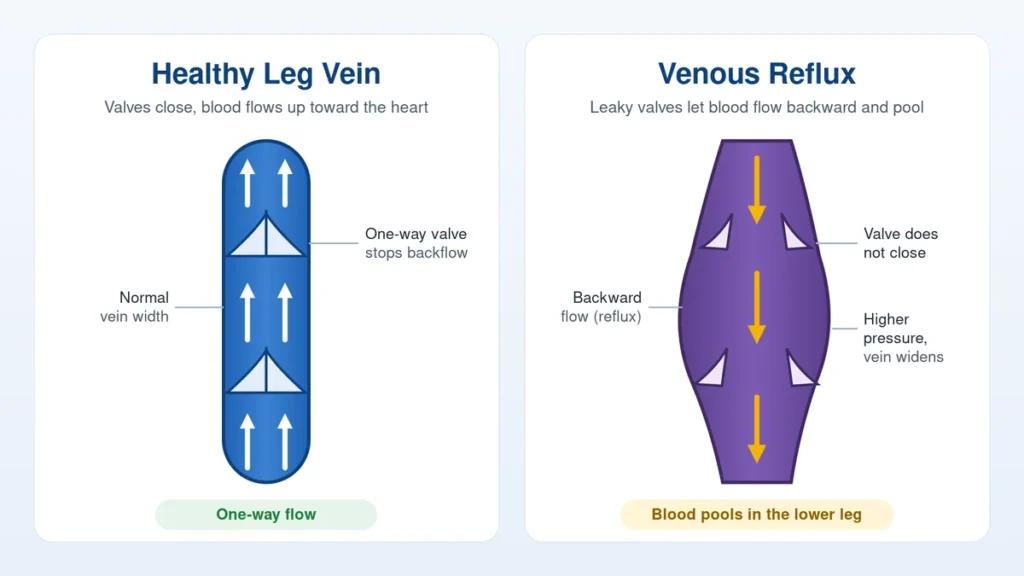
Venous disease is an umbrella term for conditions caused by damaged or poorly functioning vein valves, including varicose veins, chronic venous insufficiency, venous ulcers, superficial thrombophlebitis, and deep vein thrombosis.
What causes venous disease?
Common causes include high blood pressure in the veins, naturally weak vessel walls, congenital vein formation issues, and traumatic injury. Risk factors include pregnancy, family history, obesity, a sedentary lifestyle, prolonged standing or sitting, hormonal birth control, hormone replacement therapy, and smoking.
What are the early symptoms of venous disease?
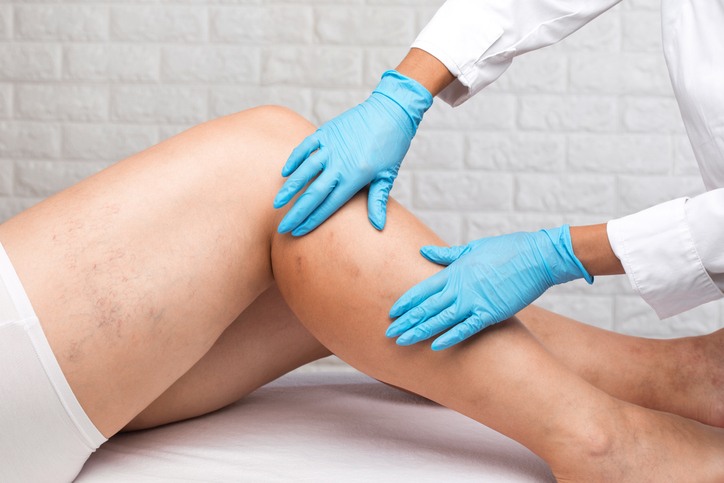
Early signs often include leg pain, cramping, a heavy or achy feeling, mild swelling, and visible veins. Symptoms may worsen throughout the day and improve with rest or leg elevation.
Is venous disease the same as varicose veins?
No. Varicose veins are one type of venous disease. The term venous disease also covers chronic venous insufficiency, venous ulcers, blood clots, and other vein-related conditions.
How serious can venous disease become?
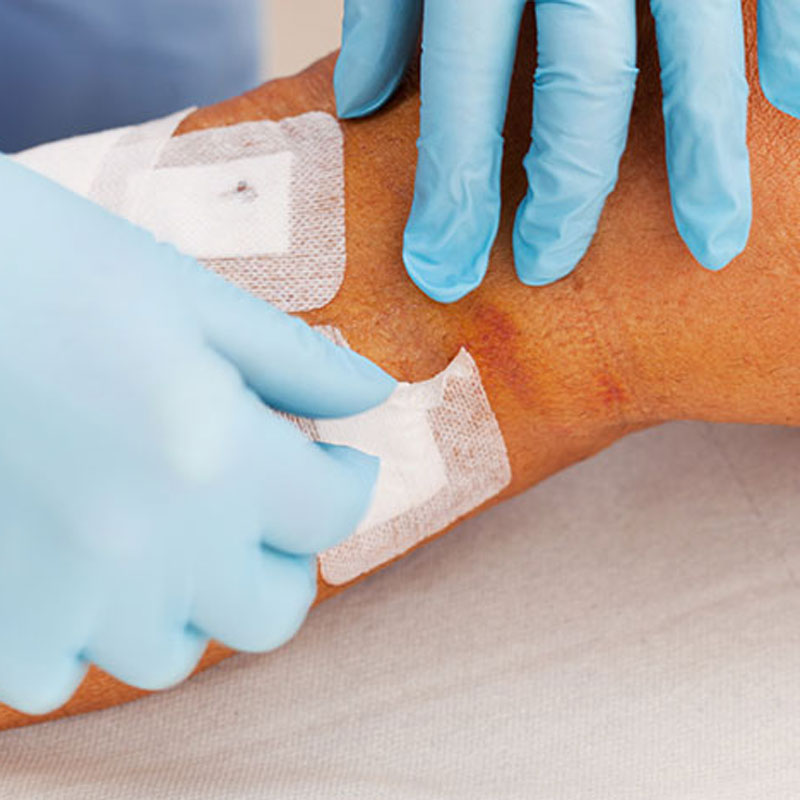
Severity ranges widely. Some forms are primarily cosmetic, while others, like chronic venous insufficiency and venous ulcers, can affect quality of life, and deep vein thrombosis can be life-threatening if a clot travels to the lungs.
What is the difference between DVT and superficial thrombophlebitis?
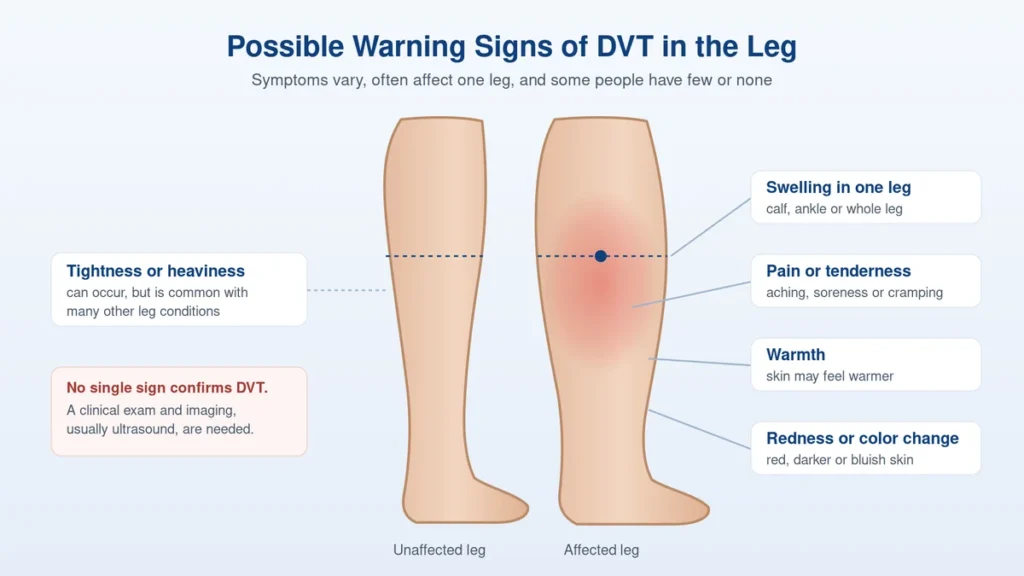
Deep vein thrombosis (DVT) is a clot in a deep vein and carries a risk of pulmonary embolism if it breaks loose. Superficial thrombophlebitis is a clot in a vein near the skin surface, which is typically less dangerous but should still be evaluated.
How is venous disease diagnosed?
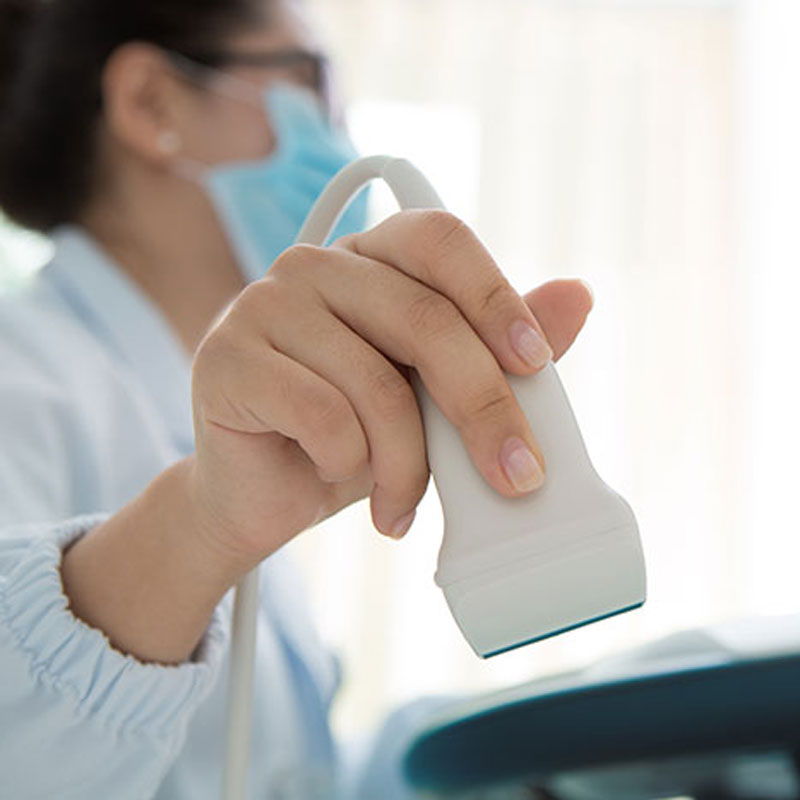
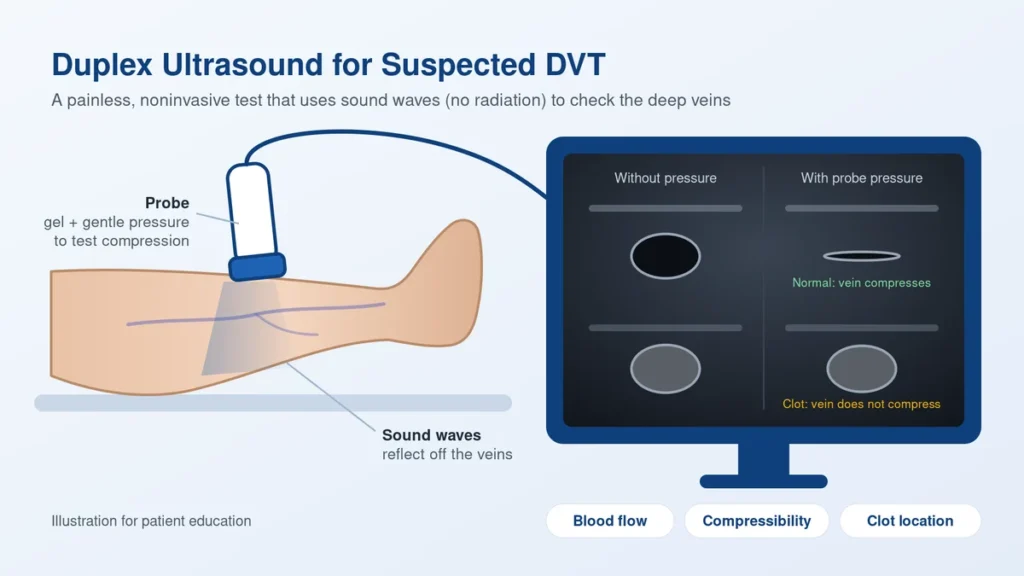
Diagnosis usually starts with a review of your symptoms and medical history, a physical exam, and a venous ultrasound to evaluate valve function and rule out blood clots.
How is venous disease treated?
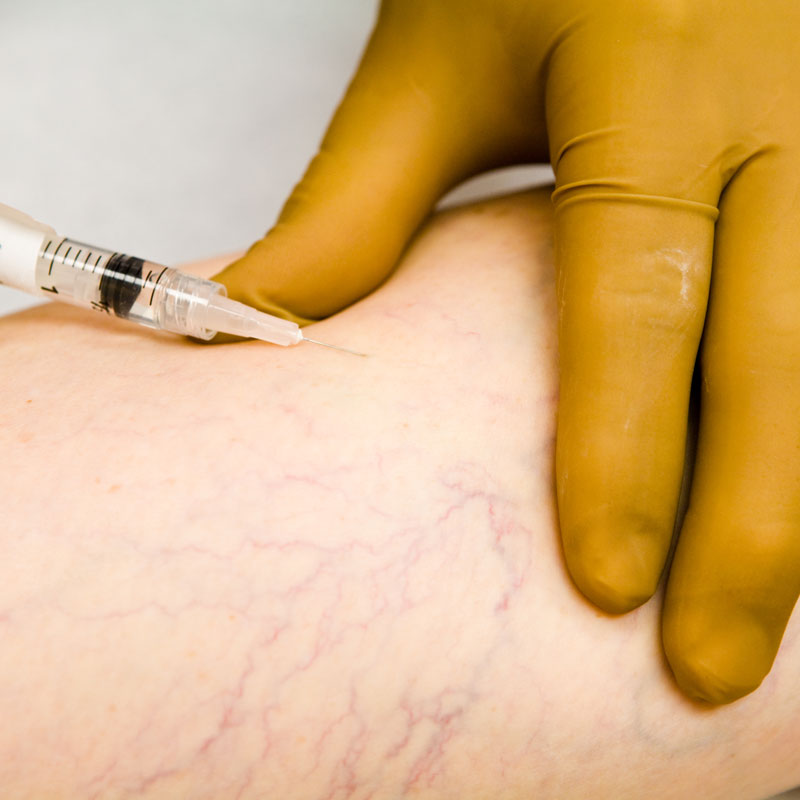
Treatment depends on the specific condition and can range from compression therapy and lifestyle changes to minimally invasive procedures such as sclerotherapy, radiofrequency ablation, or Varithena.
When should I seek emergency care for a possible blood clot?
Seek immediate medical attention if you notice sudden, severe swelling, warmth, or redness in one leg, especially if accompanied by chest pain or shortness of breath, as these can be signs of DVT or a pulmonary embolism.
Does insurance cover venous disease treatment?
Treatment is often considered medically necessary once symptoms are present, and most major insurance plans, including Medicare, provide coverage. Our team can help verify your specific benefits.