
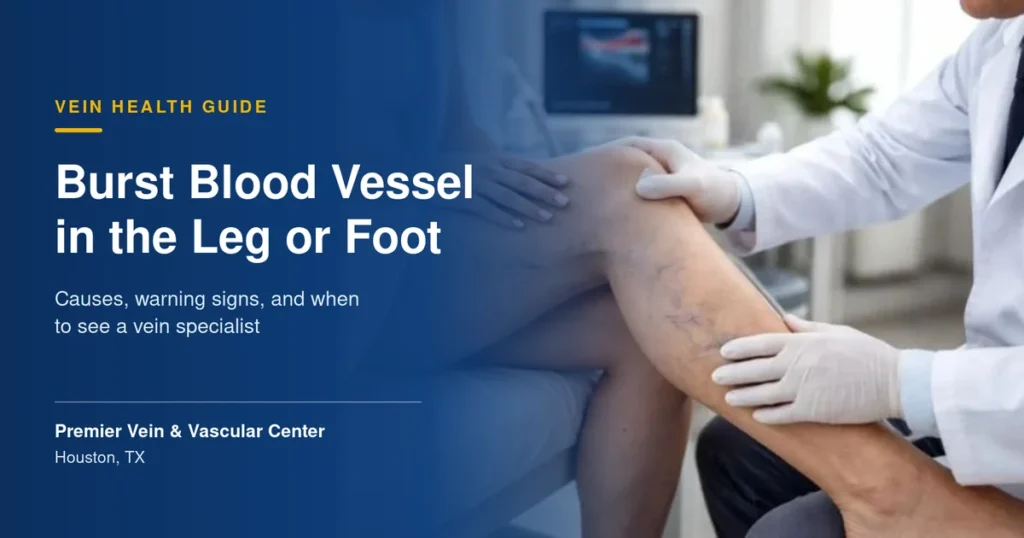
Vein Health Guide
Published January 29, 2026 · Updated September 21, 2026 · Premier Vein & Vascular Center
A “burst blood vessel” in the leg or foot is a common way patients describe several different problems, not one diagnosis. It can mean blood leaking under the skin from a tiny vessel, a bruise-like patch that appears without an obvious injury, or bleeding from a varicose vein that sits close to thin skin.
Many of these look alike, so the underlying cause matters more than the appearance. This guide explains why blood vessels break or bleed in the legs and feet, which warning signs need prompt care, and when an evaluation for an underlying vein condition may help.
What You Will Learn in This Guide
- What a “burst blood vessel” in the leg or foot can mean
- Common reasons blood vessels break or bleed
- How varicose veins and venous insufficiency may contribute
- Warning signs that deserve medical attention
- How vein problems are evaluated
- Treatment options when an underlying vein condition is identified
Table of Contents
- What Does a Burst Blood Vessel in the Leg Mean?
- What Does a Broken Blood Vessel Look Like?
- What Causes Blood Vessels to Burst in the Legs or Feet?
- Can Varicose Veins Burst?
- What to Do if a Varicose Vein Is Bleeding
- Can Venous Insufficiency Cause Broken Blood Vessels?
- Is a Burst Blood Vessel Dangerous?
- Burst Blood Vessel vs Blood Clot
- When to Seek Urgent Medical Care
- What Does a Burst Blood Vessel in the Leg Mean?
- What Does a Broken Blood Vessel Look Like?
- What Causes Blood Vessels to Burst in the Legs or Feet?
- Can Varicose Veins Burst?
- What to Do if a Varicose Vein Is Bleeding
- Can Venous Insufficiency Cause Broken Blood Vessels?
- Is a Burst Blood Vessel Dangerous?
- Burst Blood Vessel vs Blood Clot
- When to Seek Urgent Medical Care
- How a Vein Specialist Evaluates the Problem
- Treatment Options
- Can Burst Blood Vessels Be Prevented?
- When to See a Vein Specialist
- Vein Evaluation in Houston
- Frequently Asked Questions
- Key Takeaways
- Sources & Clinical References
What Does a Burst Blood Vessel in the Leg Mean?
What Does a Broken Blood Vessel Look Like?
Red, Purple or Blue Marks
Bruise-Like Patches
Small Visible Vessels
Localized Swelling
Tenderness
Active Bleeding
What Causes Blood Vessels to Burst in the Legs or Feet?
Minor Trauma
Fragile Surface Vessels
Varicose Veins
Venous Reflux & Pressure
Aging & Skin Changes
Pregnancy
Medications & Conditions
Chronic Venous Disease
Can Varicose Veins Burst?
What Should I Do if a Varicose Vein Is Bleeding?
- Lie down if possible
- Raise (elevate) the affected leg above the level of the heart
- Apply firm, direct pressure with a clean cloth or dressing
- Keep steady pressure for several minutes rather than checking repeatedly
Seek medical attention if the bleeding is significant or does not stop. Call 911 or go to the nearest emergency department if bleeding is heavy or persistent, or if you feel faint, weak or unwell. If you take a blood thinner, bleeding may take longer to stop, so do not hesitate to get help. Once bleeding is controlled, arrange an evaluation of the vein that bled.
Can Chronic Venous Insufficiency Contribute?
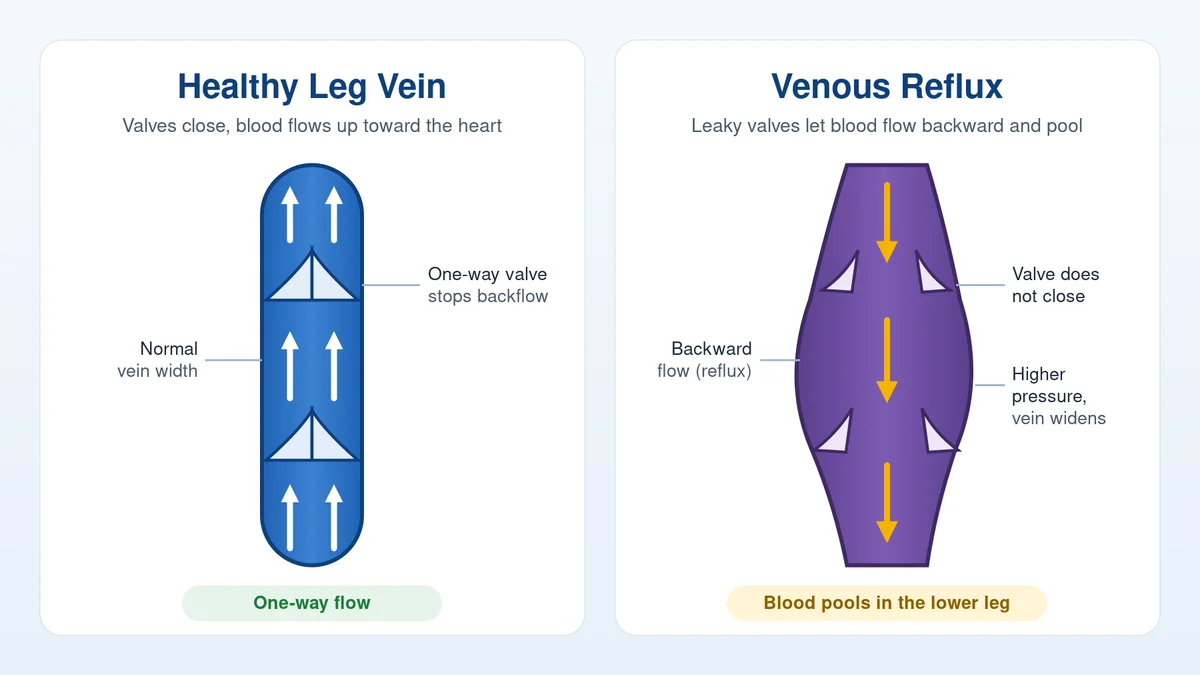
Symptoms that may accompany venous insufficiency
- Leg heaviness and aching
- Swelling, often around the ankles
- Ankle discoloration or skin changes
- Itching around affected veins
- Visible varicose veins
- Venous leg ulcers in more advanced disease
Concerned About Recurrent Broken or Bleeding Leg Veins?
If broken or bleeding veins keep coming back, an evaluation can help identify whether an underlying vein condition is contributing.
Is a Burst Blood Vessel in the Leg Dangerous?
- Significant or repeated external bleeding
- Large or unexplained bruising
- Increasing pain or significant swelling
- Skin ulceration or signs of infection
- Taking a prescription blood thinner (anticoagulant)
- Symptoms that could suggest a clot, including one-sided leg swelling, or chest pain or difficulty breathing
Burst Blood Vessel vs Blood Clot
| Feature | Burst / Broken Superficial Blood Vessel | Possible DVT | Varicose Vein Problem |
|---|---|---|---|
| What happens | A small surface vessel leaks or bleeds | A clot forms in a deep leg vein | Enlarged surface veins with faulty valves |
| Common appearance | Red or purple patch, bruise or fine vessels | Often little to see on the skin | Bulging, twisted veins; sometimes ankle discoloration |
| Bruising | Common | Not typical | Sometimes, near the vein |
| Swelling | Usually mild and local | Can be marked, usually in one leg | Mild to moderate, often worse late in the day |
| Pain | Mild or none | Aching or cramping that may worsen | Heaviness, aching or throbbing |
| Warmth | Uncommon | Possible over the affected area | Uncommon unless a vein is inflamed |
| Redness | Local discoloration only | Possible, may spread | Possible with skin changes or inflammation |
| Visible vein changes | Small surface vessels | Usually none | Prominent varicose veins |
| Urgency | Usually low unless bleeding is heavy | Seek same-day medical care | Schedule a non-urgent evaluation |
Symptoms can overlap, so this comparison should not be used to self-diagnose a blood clot. If you are concerned about a possible deep vein thrombosis, seek medical care promptly.
Bruise, Spider Vein, Bleeding Varicose Vein or Clot?
Everyday bruise
Broken capillaries or spider veins
Bleeding varicose vein
Chronic venous insufficiency
Superficial thrombophlebitis
Deep vein thrombosis (DVT)
When to Seek Urgent Medical Care
- Bleeding that is heavy or will not stop
- Fainting, significant weakness or feeling unwell
- Rapidly increasing swelling
- Sudden, significant swelling in one leg
- Severe or unexplained leg pain
- Chest pain or sudden shortness of breath
- Coughing up blood
- Any other symptoms that feel like an emergency
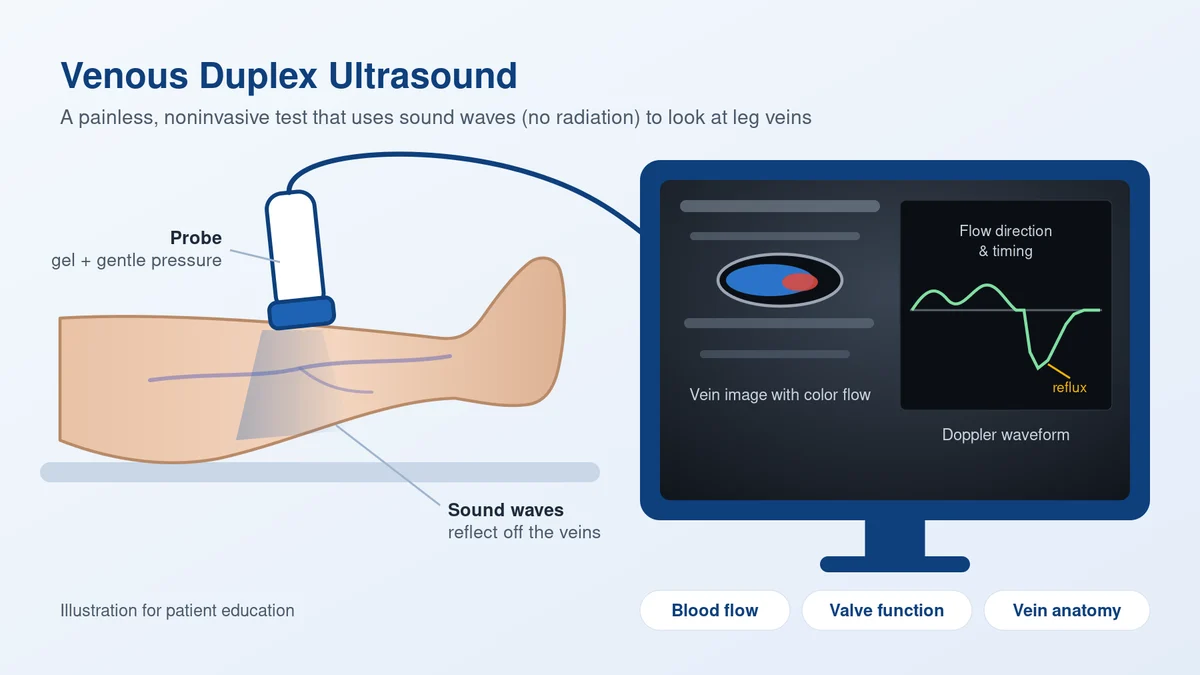
How Does a Vein Specialist Evaluate Repeated Broken or Bleeding Veins?
1
Symptoms and history
2
Physical examination
3
Venous duplex ultrasound (when indicated)
4
Identifying the cause
5
Individualized plan
Find Out What May Be Causing Your Vein Symptoms
A focused evaluation can help clarify whether an underlying vein condition is contributing to recurring symptoms.
Treatment Options
Observation / Conservative Care
Compression
Sclerotherapy
Endovenous Thermal Treatment
Radiofrequency Ablation
Other Image-Guided Vein Treatments

About our vein specialist
Dr. Syed Raza, MD
Vascular & Interventional Radiology
Dr. Syed Raza, MD is a fellowship-trained interventional radiologist certified by the American Board of Radiology, as well as the Royal College of Radiologists in the United Kingdom. He has extensive experience treating vein disease, including varicose veins and venous reflux, using image-guided, minimally invasive techniques at Premier Vein & Vascular Center.
Can Burst Blood Vessels Be Prevented?
- Protect the lower legs from bumps and scratches
- Keep skin moisturized to reduce dryness and cracking
- Stay active and avoid long periods of standing or sitting when possible
- Follow your clinician’s guidance on compression if it has been recommended
- Have persistent varicose veins or recurrent bleeding professionally evaluated
When Should I See a Vein Specialist?
- Broken or bleeding veins that keep returning
- Varicose veins, especially near the ankle or thin skin
- Leg swelling, heaviness or aching
- Ankle discoloration or skin changes
- Itching or discomfort around visible veins
Evaluation for Varicose Veins and Recurrent Broken Veins in Houston
Premier Vein & Vascular Center
19255 Park Row Dr, Suite 201, Houston, TX 77084
Phone: (832) 321-5355
Hours: Monday–Friday, 8:00 AM – 4:30 PM
Talk With a Houston Vein Specialist
Get your leg vein symptoms evaluated and find out what options may help.
FAQ
Frequently Asked Questions
What causes a blood vessel to burst in your leg?
Most often, a small surface vessel breaks after minor trauma or because the skin and vessel walls have become fragile with age. Varicose veins and venous reflux can raise pressure in surface veins and make breakage or bleeding more likely. Certain medications, including blood thinners, and some medical conditions can increase bruising. Because many causes look alike, recurring episodes are worth having evaluated.
What does a burst blood vessel in the leg look like?
It often looks like a bruise or a flat red, purple or blue patch where blood has leaked under the skin. Some people notice fine visible vessels, mild swelling or tenderness around the area. Less commonly, a surface vein bleeds through the skin. Appearance alone cannot confirm the cause, so repeated or unexplained marks should be checked by a clinician.
Is a burst blood vessel in the leg dangerous?
Often it is minor and fades on its own. It deserves prompt attention when bleeding is heavy or keeps returning, bruising is large or unexplained, or there is significant swelling, increasing pain, skin breakdown or signs of infection. Sudden one-sided leg swelling, chest pain or shortness of breath may point to a blood clot and need emergency care.
Can varicose veins burst?
Yes. A superficial varicose vein can sometimes bleed, especially when it sits close to thin or fragile skin near the ankle and pressure inside the vein is high. A minor bump or scratching can trigger it. The bleeding can look alarming, but it usually responds to elevation and firm pressure. Because the underlying vein problem remains, a bleeding varicose vein should be evaluated.
What should I do if a varicose vein starts bleeding?
Lie down, raise the leg above the level of your heart, and press firmly on the spot with a clean cloth for several minutes without lifting it to check. Seek medical attention if the bleeding is significant or does not stop, and call 911 if it is severe or you feel faint or weak. Afterward, have the vein that bled evaluated.
Why do blood vessels keep breaking in my legs?
Repeated breakage can reflect fragile surface vessels, aging skin, or an underlying vein condition such as varicose veins or chronic venous insufficiency that raises pressure in the lower legs. Some medications can also play a role; do not stop a prescribed medicine without talking to your prescriber. When broken vessels keep coming back, especially with swelling or ankle discoloration, an evaluation is reasonable.
Can poor circulation cause broken blood vessels?
Circulation problems in the veins, such as venous reflux and chronic venous insufficiency, can raise pressure in the leg veins over time. This may lead to varicose veins, swelling and skin changes that make some surface vessels more likely to break or bleed. Not every broken vessel is caused by vein disease, which is why an exam and, when indicated, ultrasound are helpful.
What is the difference between a burst blood vessel and a blood clot?
A broken superficial vessel usually causes a visible bruise or discolored patch with mild or no pain. A deep vein clot (DVT) may cause one-sided swelling, pain, warmth or redness, sometimes with little to see on the skin. The symptoms can overlap, so appearance cannot rule out a clot. If a clot seems possible, seek medical care the same day.
Do I need an ultrasound for recurrent broken or bleeding veins?
Not always. A vein specialist decides based on your symptoms, history and examination. When it is indicated, a venous duplex ultrasound is a painless, noninvasive test that shows blood flow, valve function and vein anatomy. It can identify venous reflux or another problem that may be contributing to recurrent broken or bleeding veins and helps guide any treatment plan.
What type of doctor treats broken or bleeding veins in the legs?
Vein specialists, including interventional radiologists and vascular surgeons with experience in venous disease, evaluate and treat broken or bleeding leg veins. They can perform or order a venous ultrasound and, when appropriate, offer minimally invasive, image-guided treatments. For heavy bleeding that will not stop, go to an emergency department first and follow up with a vein specialist afterward.
Summary & Next Steps
Key Takeaways
The essentials
- “Burst blood vessel” can describe several different problems, from minor bruising to a bleeding varicose vein.
- Minor superficial bleeding or bruising is different from a deep vein clot (DVT).
- Varicose veins can occasionally bleed, and the underlying vein problem usually remains.
- Recurrent broken veins, swelling or skin changes can justify evaluation for underlying venous disease.
- Severe or persistent bleeding, or symptoms suggesting a clot, need prompt medical attention.
The Bottom Line
A broken or “burst” blood vessel in the leg is common and often minor, but repeated episodes – especially alongside varicose veins, swelling or skin changes – can point to an underlying vein condition worth evaluating. If your symptoms keep returning, the logical next step is a focused vein assessment to identify the cause and discuss whether treatment could help reduce future episodes.
Sources & Clinical References
This article was prepared using current patient education and clinical guidance from the following organizations:
- Society for Vascular Surgery, American Venous Forum and American Vein and Lymphatic Society – Clinical practice guidelines for the management of varicose veins of the lower extremities, Part I (duplex scanning and superficial truncal reflux) – pubmed.ncbi.nlm.nih.gov/36326210
- Society for Vascular Surgery, American Venous Forum and American Vein and Lymphatic Society – Clinical practice guidelines for the management of varicose veins of the lower extremities, Part II – pubmed.ncbi.nlm.nih.gov/37652254
- Society for Vascular Surgery – Varicose Veins (patient information) – vascular.org/your-vascular-health/vascular-conditions/common-conditions/varicose-veins
- Cleveland Clinic – Chronic Venous Insufficiency (CVI) – my.clevelandclinic.org/health/diseases/16872-chronic-venous-insufficiency-cvi
- MedlinePlus, U.S. National Library of Medicine – Varicose Veins – medlineplus.gov/varicoseveins.html
- MedlinePlus, U.S. National Library of Medicine – Deep Vein Thrombosis – medlineplus.gov/deepveinthrombosis.html
- National Heart, Lung, and Blood Institute (NIH) – Venous Thromboembolism: Symptoms – nhlbi.nih.gov/health/venous-thromboembolism/symptoms
- Management of bleeding varicose veins – review article, PubMed Central (NIH) – pmc.ncbi.nlm.nih.gov/articles/PMC10993626
Medical Disclaimer: The information provided in this article is for educational and informational purposes only and is not intended as a substitute for professional medical advice, diagnosis, or treatment. Always seek the advice of your physician or another qualified healthcare provider with questions regarding a medical condition. Never disregard professional medical advice or delay seeking it because of information you have read on this website.